Affiliate Disclosure: As an Amazon Associate, I earn from qualifying purchases.
The office lobby serves as the visual handshake of your organization. When visitors step through the doors, the environment communicates your brand’s attention to detail and commitment to a welcoming atmosphere. Selecting the best plants for office lobby spaces requires moving beyond mere aesthetics; you must prioritize plants that can withstand the unique environmental pressures of a commercial entrance. These areas are often subject to temperature swings from automatic doors, inconsistent lighting, and the reality of being left unattended during weekends or holidays.
- Prioritize low-light tolerance for windowless or deep-interior lobbies.
- Choose slow-growing varieties to minimize recurring maintenance costs.
- Ensure plants are stable and placed away from high-traffic pathways.
- Select species that tolerate fluctuating HVAC-controlled humidity levels.
A successful lobby installation balances visual impact with operational practicality. While a lush, tropical display might look impressive on day one, it will quickly become a burden if the species chosen cannot handle the specific light levels or the dry, recycled air common in modern office buildings. By focusing on structural, resilient plants, you create a professional aesthetic that remains vibrant without requiring a daily horticultural intervention.
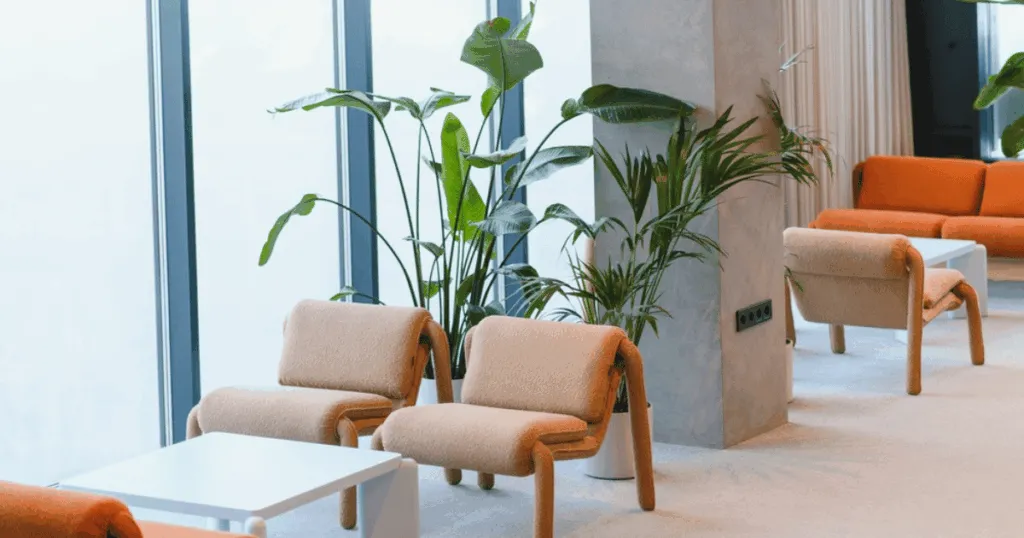
Defining the Lobby Environment
Before selecting specific species, you must evaluate the physical constraints of your lobby. Most commercial entrances are not greenhouses; they are high-traffic transition zones. The most significant challenge is usually light. Many lobbies are positioned in the center of a building or feature architectural overhangs that block direct sunlight. If your lobby relies entirely on overhead LED or fluorescent lighting, you must choose plants that can photosynthesize effectively in low-light conditions. These plants generally grow slower, which is an advantage for office managers because it means less frequent pruning and repotting.
Temperature stability is the second critical factor. Lobbies often experience a “draft zone” near the main entrance. Every time the door opens, the plant may be hit with a blast of hot or cold air, depending on the season. This rapid change can cause leaf drop in sensitive species. Therefore, the best plants for office lobby areas are those with thick, waxy cuticles or hardy cellular structures that can buffer against these sudden shifts.
Humidity is another concern; office HVAC systems are designed to keep air dry to prevent mold and maintain equipment, which creates a desert-like atmosphere that can dehydrate delicate foliage. Choosing plants that thrive in low-humidity environments ensures your lobby greenery doesn’t become a collection of crispy, brown-tipped leaves.
Top Selections for Commercial Entrances
Snake Plant (Dracaena trifasciata)
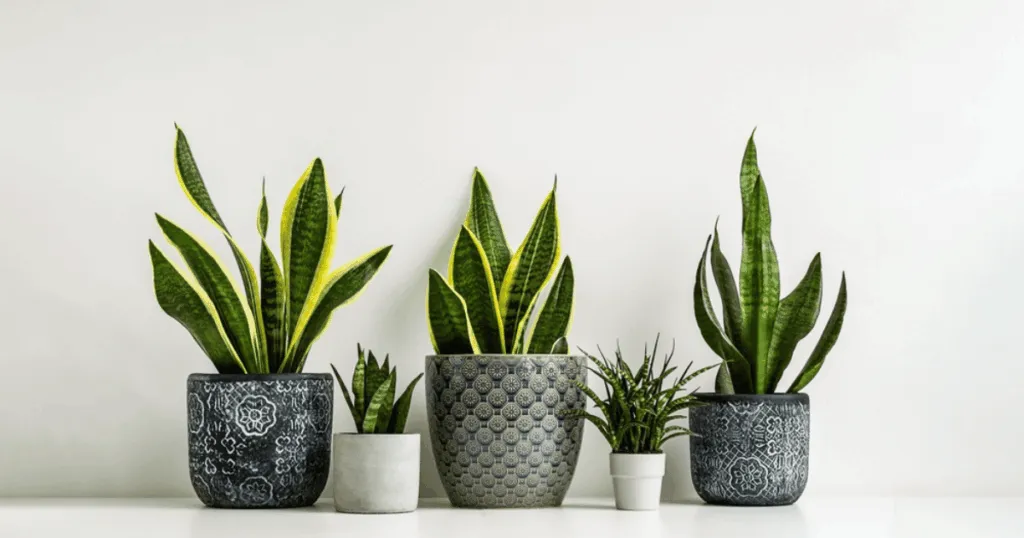
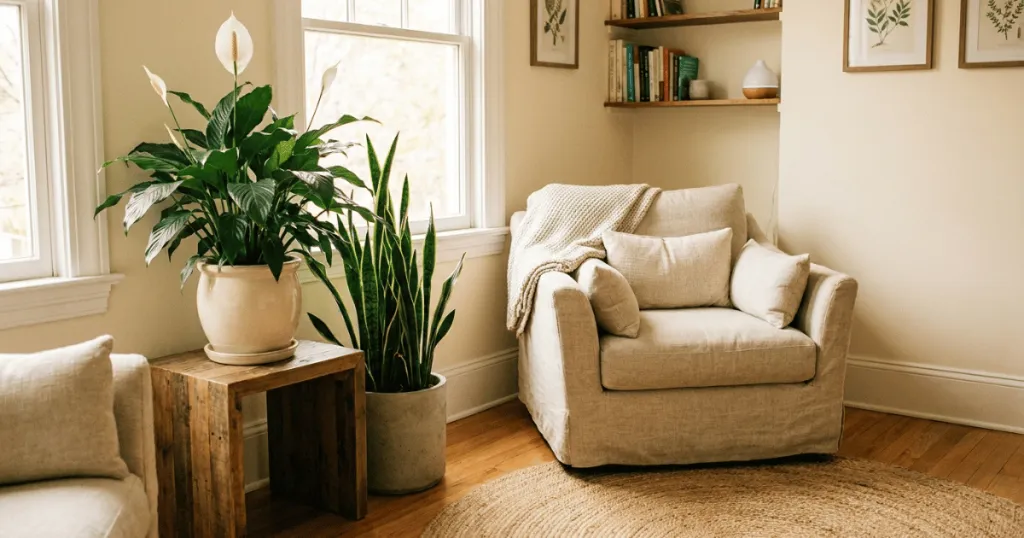
The Snake Plant is perhaps the most reliable workhorse for any professional setting. Its vertical, architectural form makes it an ideal choice for narrow corners or flanking reception desks. It is remarkably forgiving of low light and irregular watering, making it a staple for offices that might go a few days without dedicated care. Its stiff, upright leaves are also less prone to damage from passing foot traffic compared to sprawling, bushy plants.
ZZ Plant (Zamioculcas zamiifolia)
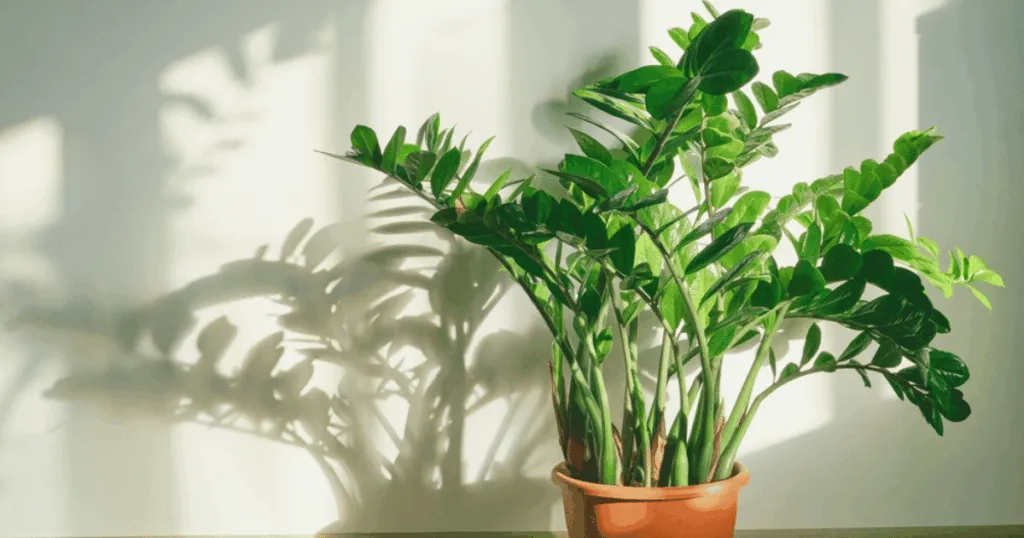
If your lobby suffers from limited natural light, the ZZ plant is an essential consideration. It features glossy, dark green leaves that look polished and professional, fitting well into modern office aesthetics. One of the primary reasons to choose this species is its rhizomatous root system, which stores water efficiently. This allows the plant to survive longer periods between waterings, reducing the risk of failure during long weekends or holiday closures.
Cast Iron Plant (Aspidistra elatior)
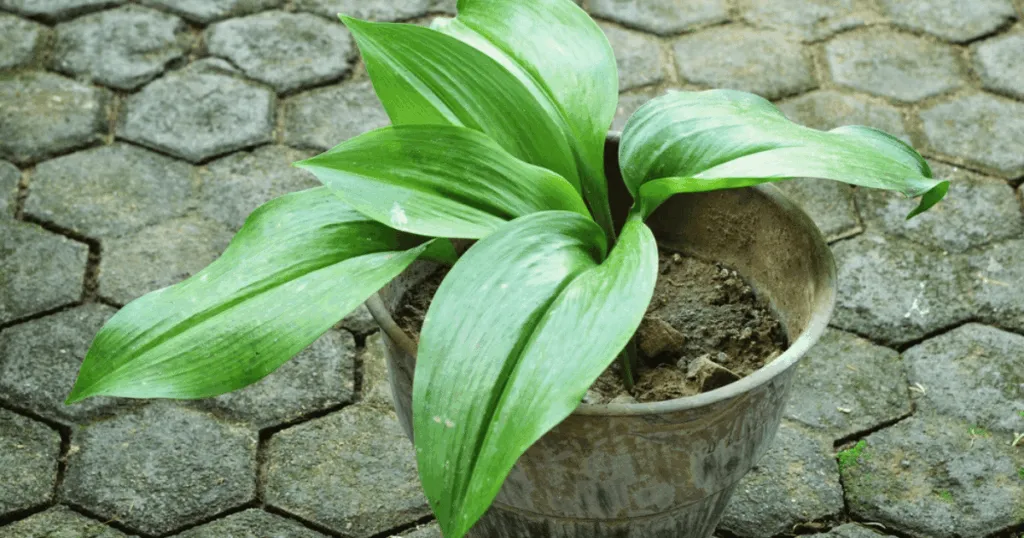
True to its name, the Cast Iron Plant is nearly indestructible. It is an excellent choice for lobbies that are tucked away from windows. While it grows slowly, its deep green, broad leaves provide a lush, classic appearance that feels established and permanent. It handles temperature fluctuations better than almost any other indoor plant, making it a safe bet for areas near frequently used entrance doors.
Rubber Tree (Ficus elastica)
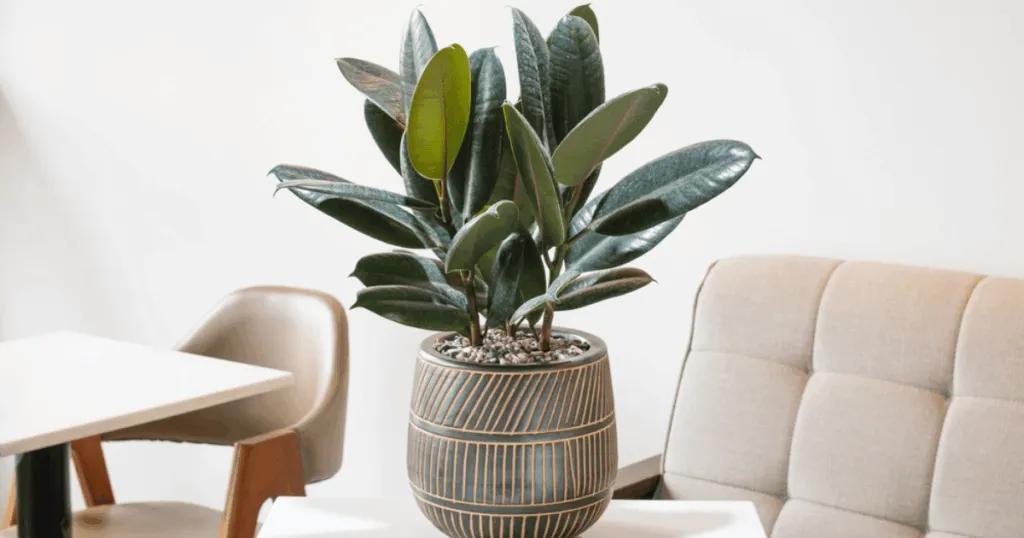
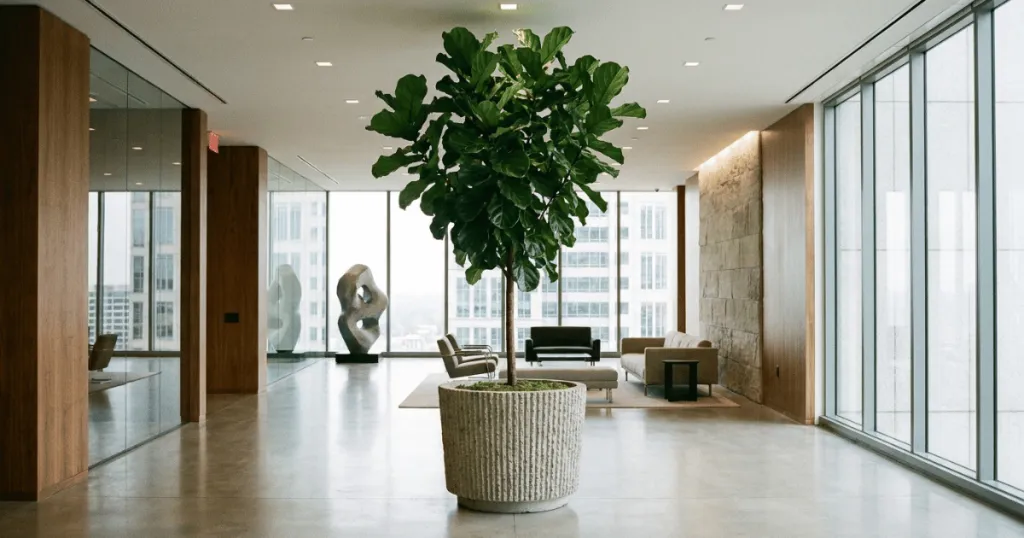
For a more substantial, tree-like presence, the Rubber Tree offers a strong visual impact. Its large, thick leaves can handle the dust that often accumulates in high-traffic lobbies. It prefers bright, indirect light, so it works best in lobbies with large glass facades or skylights. Because it is a woody plant, it provides a sense of scale and permanence that smaller potted plants cannot achieve.
Parlor Palm (Chamaedorea elegans)
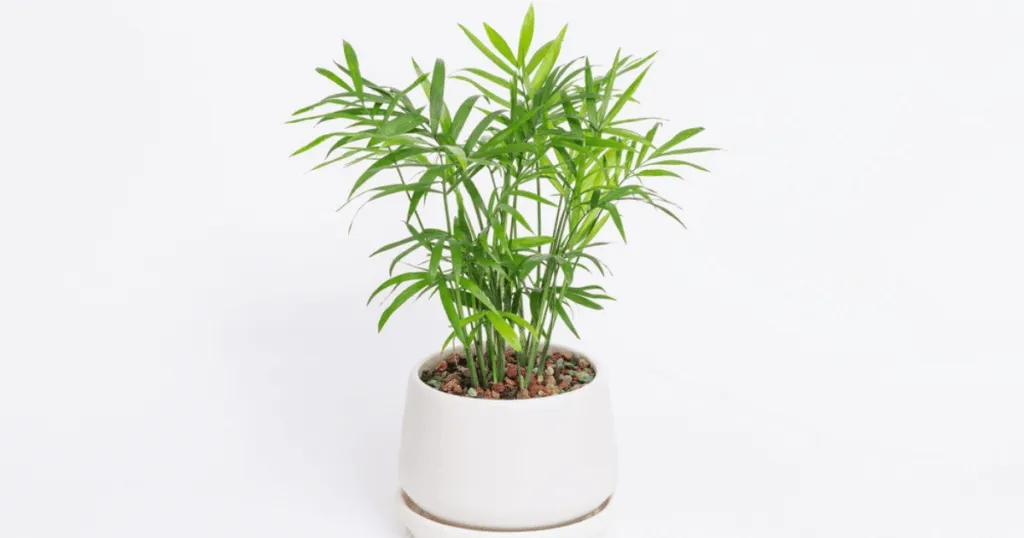
If you want to introduce a softer, more organic texture to a sterile office environment, the Parlor Palm is a superior choice. It is one of the few palms that thrives in lower light levels. It adds a sense of elegance to a reception area without the aggressive growth habit of larger palm species. It is well-suited for corners where you want to add height without overwhelming the floor space.
Strategic Placement and Use Cases
Placement is as much about flow as it is about plant health. In a lobby, you must ensure that plants do not create a bottleneck for visitors or staff. Large floor-standing containers should be placed in “dead zones”—corners, against blank walls, or behind seating areas—where they provide visual interest without impeding movement. Using elevated planters can also protect plants from being bumped by luggage, cleaning equipment, or heavy foot traffic.
Consider the height of your plants relative to the furniture. A plant placed next to a reception desk should be tall enough to be visible but not so wide that it makes the desk feel cramped. Conversely, low-profile plants work well on side tables or built-in shelving units. Always ensure that the container is heavy enough to be stable; a top-heavy plant in a light plastic pot is a liability in a busy public space. Using a heavy ceramic or stone outer pot provides both the necessary weight for stability and a professional look that integrates with your interior design.
Managing Trade-offs and Expectations
Every plant choice involves a trade-off between visual impact and maintenance intensity. Fast-growing plants, such as certain types of Pothos or Philodendron, can look spectacular when they trail down from a high shelf, but they require frequent trimming to keep them from looking straggly or unkempt in a professional space. If you lack a dedicated maintenance team, it is better to opt for slow-growing, structural plants that maintain their shape for months at a time.
Another common mistake is over-watering in an attempt to show the plants extra care. In a lobby, the soil often stays damp longer than it would in a home environment due to lower light and cooler ambient temperatures. Always check the soil moisture levels before adding water. If the top two inches of soil are still damp, wait. Most office plants fail due to root rot caused by over-watering, not from being left alone for a few days. If you are responsible for the plants, keep a simple log to track when they were last watered to prevent multiple people from accidentally double-watering the same plant.
Professional Maintenance Reality
Maintaining lobby plants is a task of consistency rather than intensity. You do not need to be a botanist to keep these plants thriving, but you do need to be observant. Dust buildup on leaves is a common issue in lobbies, which blocks light and can attract pests. A simple wipe-down with a damp cloth every few weeks is usually sufficient to keep the foliage healthy and looking its best.
If you notice yellowing leaves, it is often a sign of either over-watering or a change in light levels, such as a burnt-out light fixture nearby. Address these issues promptly to maintain the professional appearance of your space. By selecting the right species for the specific light and airflow conditions, you minimize the effort required to keep your lobby looking inviting and well-cared for throughout the year.
Scaling Your Greenery Strategy
As you expand your lobby greenery, consider the psychological impact of plant density. A single, well-placed specimen can act as a focal point, drawing the eye toward the reception desk or a specific architectural feature. Conversely, grouping plants of varying heights can create a “green wall” effect that provides acoustic dampening in large, echo-prone lobbies. When grouping, ensure that all plants in the cluster have similar light and water requirements. Mixing a drought-tolerant succulent with a moisture-loving fern in the same container or planter bed is a recipe for failure, as the watering needs will inevitably conflict.
Furthermore, consider the seasonal rotation of your lobby plants. While the core structural plants should remain year-round, some office managers choose to swap out smaller, seasonal accents in secondary planters. This keeps the lobby feeling fresh and aligned with the company culture without requiring a full overhaul of the primary, established greenery. Always ensure that any new additions are acclimated to the specific light levels of your lobby before placing them in high-visibility areas, as sudden changes in light intensity can cause significant stress to plants.
Mitigating Risks in High-Traffic Areas
In high-traffic lobbies, the risk of physical damage to plants is non-trivial. Beyond the obvious placement considerations, consider the use of protective barriers or decorative gravel top-dressing. A layer of polished river stone or decorative moss on top of the soil not only provides a finished, professional look but also prevents debris from falling into the soil and discourages people from using the planter as a waste bin.
If your lobby is frequently used for events, ensure that your plants are on heavy-duty casters or dollies so they can be easily moved to accommodate temporary furniture layouts or increased foot traffic. This mobility is a key feature of professional interior landscaping, allowing for flexibility without compromising the health of the plants.
The Role of Lighting in Long-Term Success
While many of the plants listed above are categorized as low-light tolerant, it is important to understand that “low light” does not mean “no light.” Every plant requires energy to maintain its cellular structure and resist pests. If your lobby is exceptionally dark, consider supplementing with dedicated LED grow lights.
These can be discreetly integrated into the ceiling or hidden within the planter itself to provide the necessary spectrum for photosynthesis. This investment often pays for itself by extending the lifespan of your plants and reducing the frequency of replacements. When selecting supplemental lighting, look for full-spectrum options that mimic natural daylight, as these will provide the best aesthetic results for your foliage while supporting plant health.
FAQ
How often should I water plants in an office lobby?
Watering frequency depends on light and temperature. Instead of a strict schedule, check the soil moisture. For most of the best plants for office lobby areas, wait until the top two inches of soil are dry before watering. Over-watering is the most common cause of plant decline in office environments.
Can I use plants in a lobby with no natural light?
Yes, but you must select low-light tolerant species like the ZZ plant or Snake Plant. These plants can survive on standard office LED or fluorescent lighting. Ensure the lights remain on for at least 8 to 10 hours a day to provide enough energy for the plants to maintain their health.
Are there plants that are safe for pets in an office lobby?
If your office allows pets, be cautious. Many popular office plants, such as the Snake Plant and ZZ plant, are toxic if ingested. If pet safety is a priority, consider alternatives like the Parlor Palm or certain varieties of ferns, though these may require more specific humidity and light conditions.
How do I deal with dust on lobby plant leaves?
Dust blocks light and hinders photosynthesis. Wipe leaves gently with a damp, soft cloth every two to four weeks. This keeps the plants looking professional and ensures they can effectively utilize the available light in your lobby.