Transforming a small corner of your workspace into a living botanical project is entirely achievable without taking over valuable monitor space or annoying office neighbors. Setting up a propagation station at your desk allows you to turn a single office pothos or philodendron into dozens of new plants while adding a calm, natural element to an otherwise sterile corporate environment. The secret lies in keeping the setup compact, functional, and visually clean so it blends seamlessly alongside your keyboard, notebook, and coffee mug.
While home gardeners often utilize sprawling benches, humidity domes, and grow lights, office settings require a more restrained approach. Fluorescent or LED ceiling panels provide steady ambient illumination, while HVAC systems maintain a dry, stable temperature that keeps water-based rooting relatively free of mold. By choosing the right vessels, placing cuttings correctly, and respecting office etiquette regarding shared space, you can cultivate vibrant green growth right beside your daily workflow.
Selecting the Right Containers and Space
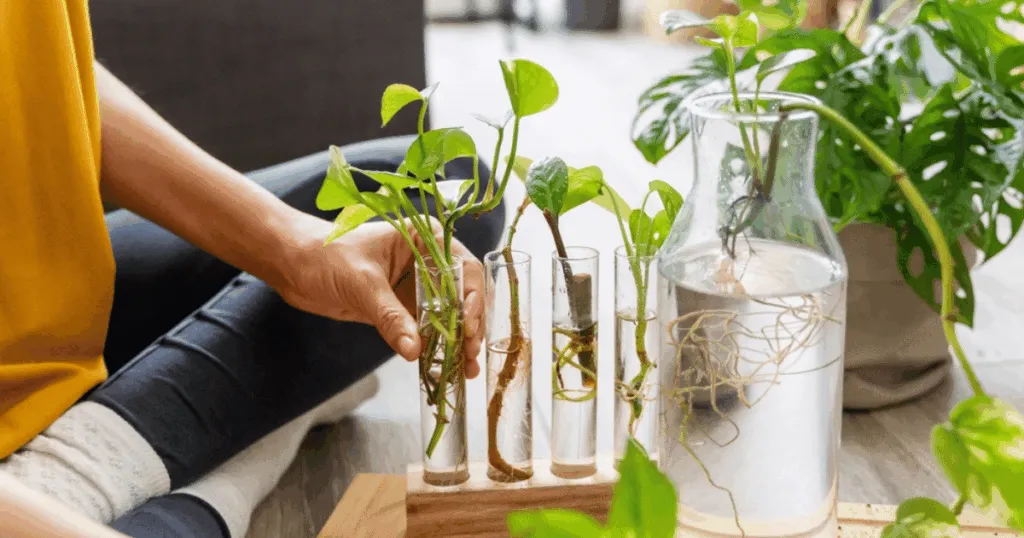
Finding the physical footprint for your project starts with auditing your desk layout. A cluttered desk creates unnecessary stress, so your rooting vessels must take up minimal square footage. Look for vertical rather than horizontal solutions, such as test tubes in wooden racks, magnetic jars attached to metal filing cabinets, or small amber glass bottles clustered neatly on a corner windowsill if natural light is available.
When planning your office plant propagation, evaluate how much desk real estate you can dedicate without interfering with peripheral devices like mice, keyboards, or desk pads. Desk plant cuttings do not require expansive setups; a single slim test tube holder measuring just a few inches across can host three or four distinct stems. Consider placing your station on the far back corner of your desk, out of the direct sweep of your writing hand or phone headset cord. This physical separation prevents accidental elbow nudges while still keeping your green project within your direct line of sight throughout the day. Furthermore, keeping your setup compact aligns with workplace norms, ensuring your workspace remains professional, organized, and conducive to productivity.
Vessel Materials and Stability
Glass is the gold standard for office propagation because it lets you monitor root development and water clarity at a glance. However, stability is paramount in a busy workplace where colleagues might bump your desk or cleaning crews might wipe surfaces down. Avoid top-heavy vases or thin plastic cups that tip easily. Heavy-bottomed apothecary jars, Erlenmeyer flasks, or metal-framed test tube racks provide a low center of gravity that prevents accidental spills across important paperwork or electronics.
When selecting your containers, keep in mind how cleaning staff or office mates might interact with the display. Clear glass lets you observe water propagation at work clearly, tracking every millimeter of root elongation without disturbing the plant. However, clear glass also invites light penetration, which can occasionally encourage unwanted algae if placed too close to a bright window. If your desk receives intense afternoon sun through glass panels, tinted amber or green glass vessels offer a practical compromise by shielding the water from excessive light while still allowing you to check root health by lifting the jar.
Lighting and Ambient Conditions
Most common office plants chosen for water rooting, such as heartleaf philodendron, pothos, and tradescantia, tolerate standard fluorescent or LED office lighting remarkably well. You do not need a dedicated horticultural grow lamp if your desk sits within a reasonable distance of overhead fixtures or a side window. Keep in mind that heavy HVAC airflow from ceiling vents can cause water in open vessels to evaporate at a rapid rate, requiring you to top off the containers more frequently during the work week.
Office environments present a unique microclimate characterized by constant room temperatures and low relative humidity due to climate control systems. While this dry air can challenge traditional tropical houseplants, cuttings submerged in a water reservoir are buffered against atmospheric drought because their base remains fully hydrated. However, intense directional airflow from a nearby overhead vent can accelerate surface evaporation, dropping the water level below the critical root nodes. Position your station away from direct drafts, or choose narrow-neck propagation vessels that naturally reduce surface area evaporation.
Choosing and Preparing Office Friendly Cuttings
Not every houseplant behaves well when its stems are snipped and placed in plain tap water. Selecting robust cultivars that generate roots readily in low-mineral water is essential for workplace success. Look to plants that already thrive in typical indoor office conditions, as their cuttings will display that same resilience.
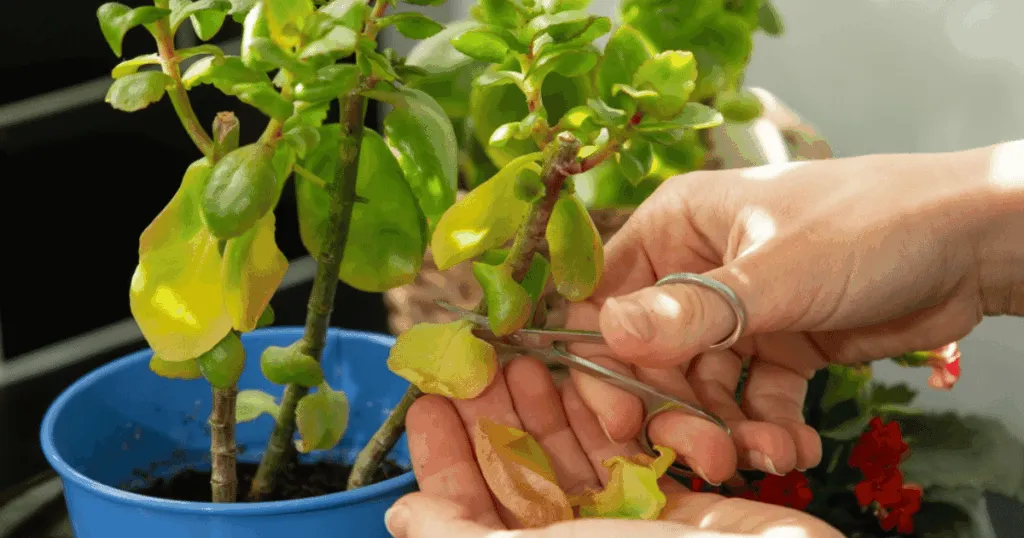
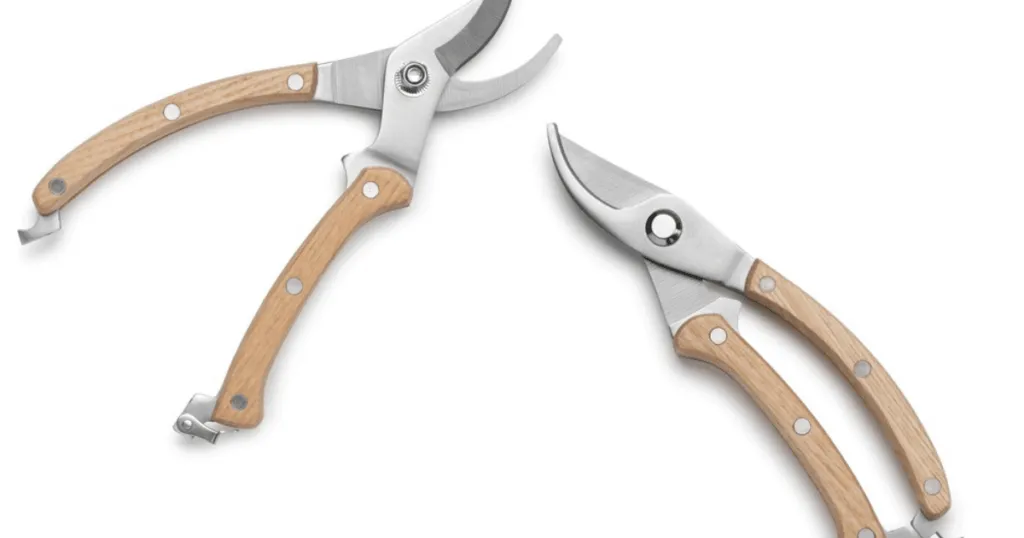
When taking a cutting, always use clean, sharp shears to make a clean 45-degree angle cut just below a node. Nodes are the small bumps or swellings along the stem where leaf petioles attach, and they contain the concentrated meristematic cells required to push out new root tissue. Strip away any lower leaves that would otherwise sit below the waterline, as submerged foliage quickly rots, creates foul odors, and clouds the water with bacteria.
Securing suitable stem cuttings often involves sourcing material from an existing healthy plant in your home or asking an office colleague for a quick trim of their thriving desk specimen. When executing this process at work, bring a small pair of precision snips and a damp paper towel to transport the fresh snips back to your desk cleanly. Making a precise cut ensures that the vascular bundles remain open and undamaged, allowing water and nutrients to move freely into the cutting as it triggers root generation.
- Golden Pothos: Virtually indestructible and roots reliably within two to four weeks.
- Heartleaf Philodendron: Adapts quickly to indoor lighting and produces thick, healthy white roots.
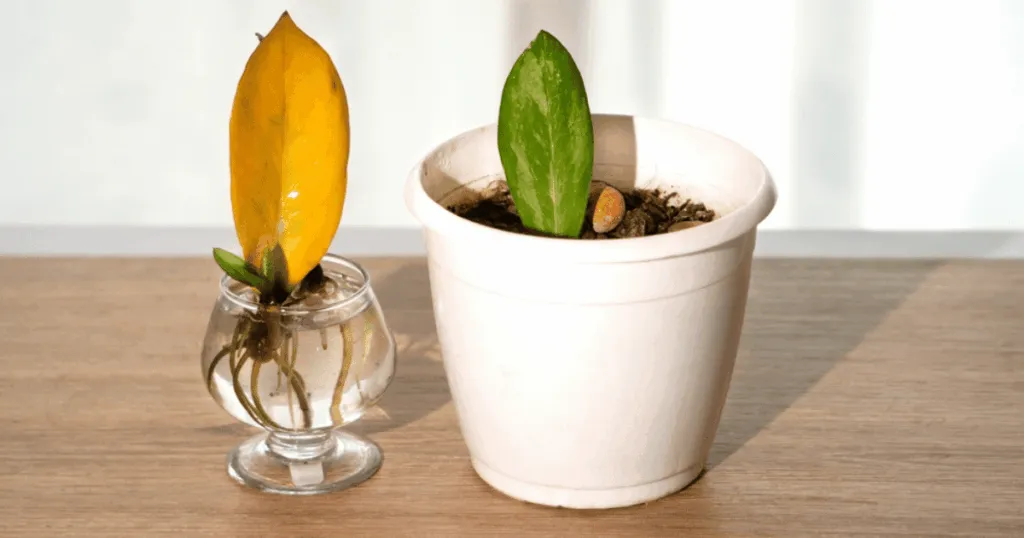
- ZZ Plant: Slower to root, but resilient against neglect if left unattended over long weekends.
- Inch Plant: Brightens the desk with variegated foliage while growing roots along every submerged node.
Maintaining Your Desk Propagation Station
Once your cuttings are resting in their containers, maintaining them requires very little daily attention, making it an ideal low-maintenance office hobby. However, ignoring the station entirely for months can lead to stagnant water and stunted growth. Establishing a simple weekly routine ensures your plants stay healthy without distracting you from your actual job duties.
Building a consistent maintenance habit prevents minor issues from escalating into frustrating workspace messes. Because office routines often involve rushed mornings and busy afternoon deadlines, integrate your plant care tasks into an existing weekly anchor, such as filling your water bottle on Monday mornings or tidying your desk on Friday afternoons. Neglecting water changes can lead to mineral crust buildup on glass rims and unpleasant odors that might draw unwanted attention from neighboring desks.
Water Management and Freshness
Tap water straight from the office breakroom sink is generally fine for most hardy cuttings, though letting it sit in an open pitcher for a few hours can help dissipate chlorine. Change the water entirely every week to prevent algae blooms and replenish dissolved oxygen around the developing root tips. When you empty and refill the glass vessels, take a moment to rinse away any slimy film that has accumulated on the stems.
Understanding water chemistry in an office setting helps prevent common pitfalls. Municipal tap water often contains additives like chloramine or fluoride, which are safe for human consumption but can sometimes stress sensitive root tissues. If you notice your cuttings stalling out, collecting office breakroom water in an open container a day ahead allows chemical gases to off-gas naturally. Always use room-temperature water during changes, as sudden temperature shocks can stall the delicate cellular division occurring at the cut ends.
Managing Weekend and Holiday Absences
One common concern for office gardeners is how living specimens survive long weekends, unexpected remote work days, or extended holiday breaks. Water propagation stations actually handle short absences better than potted soil plants because the reservoir keeps moisture constantly available. Before leaving for a long weekend, simply top off all vessels to the brim so that minor evaporation does not expose the delicate new root nodes to dry air.
For extended holiday closures lasting two weeks or more, evaluate whether your office environment will maintain climate control. If HVAC systems are shut down during building maintenance, indoor temperatures can spike or drop dramatically, altering evaporation rates. In these scenarios, grouping your propagation jars away from exterior walls or windows and ensuring they are filled to maximum safe capacity guarantees they will remain stable until you return to your desk.
Transitioning Cuttings to Potting Mix
After several weeks of consistent care, your water roots will reach two to three inches in length with secondary branching roots starting to emerge. This is the optimal window for deciding whether to keep the plants permanently in water or pot them up into fresh soil for your desk. Keeping plants permanently in water is entirely feasible if you add a weak liquid fertilizer every month, but transitioning them to an organic potting mix eventually builds a sturdier root structure.
Moving water-grown roots into soil requires a gentle touch because water roots are structurally different from soil roots; they are typically more brittle and adapted to extracting oxygen directly from a liquid medium. When planting your rooted specimens into a lightweight indoor potting mix, pre-moisten the soil slightly to avoid crushing the tender roots in dry dirt. Plant the cutting at the same depth it sat in the water vessel, firming the medium lightly around the base for stability.
Once potted, place the newly established container back onto your desk or a communal office shelf where it can enjoy indirect light. Water the soil thoroughly once to settle air pockets, allowing any excess moisture to escape through the container drainage holes into a protective saucer. Over the next two weeks, monitor moisture levels closely as the root system transitions from aquatic absorption to soil extraction, providing a steady supply of desk greenery that you can eventually share with coworkers.
FAQ
Will office tap water harm my plant cuttings?
Standard office tap water is generally safe for hardy varieties like pothos and philodendron. If your municipal water supply contains very high levels of chlorine or fluoride, you can let water sit in an open pitcher overnight before using it to fill your propagation vessels.
How do I prevent algae from growing in glass propagation jars?
Algae thrives on light and organic matter. Using amber or tinted glass vessels blocks enough light to slow algae growth significantly. Additionally, changing the water weekly and removing any submerged leaves stops the nutrient buildup that feeds algae spores.
Can I propagate office plants without any natural window light?
Yes, many common office plants root successfully under standard fluorescent or LED ceiling fixtures. While growth may be slower compared to a bright greenhouse, ambient indoor lighting provides enough energy for initial root formation.
What should I do if the water in my desk propagation jar turns cloudy?
Cloudy water indicates bacterial growth, usually caused by submerged leaves decaying or infrequent water changes. Immediately empty the vessel, rinse the stem and roots gently under the tap, wash the glass container thoroughly with soap, and refill with fresh water.