Choosing the right pot size is often the most overlooked aspect of office plant care. While many office managers focus exclusively on light levels or watering schedules, the container itself dictates the long-term health and stability of the plant. In an office environment, where plants are subjected to consistent HVAC airflow, artificial lighting, and occasional neglect during weekends or holidays, a properly sized pot acts as a critical buffer for moisture and nutrient availability.
A pot that is too large can lead to waterlogged soil, which invites root rot, particularly in low-light corners where evaporation is slow. Conversely, a pot that is too small restricts root expansion, leading to stunted growth and frequent, labor-intensive watering requirements. Understanding the relationship between container volume and root mass is essential for maintaining a professional, thriving office aesthetic without the constant need for maintenance interventions.
The Mechanics of Root Space and Soil Volume
When you select a container, you are essentially defining the environment for the plant’s root system. In a controlled office setting, the goal is to provide enough space for growth without creating a reservoir of excess moisture. Most indoor plants prefer a gradual transition in size rather than a massive jump. A common mistake is moving a plant from a four-inch nursery pot directly into a twelve-inch decorative planter. This creates a large volume of soil that the plant’s roots cannot immediately colonize, leading to stagnant, wet soil that suffocates the root system.
The ideal approach is to increase the diameter of the pot by only one to two inches at a time. This incremental shift allows the plant to fill the new space with roots before the soil begins to break down or sour. In an office, where you might be managing a variety of species from snake plants to peace lilies, the drainage capacity of the pot is just as important as the volume. Always ensure your decorative outer pot allows for proper drainage from the inner plastic nursery liner. If you are planting directly into a ceramic or stone container, you must ensure it has drainage holes to prevent the accumulation of water at the bottom, which is a leading cause of plant failure in professional spaces.
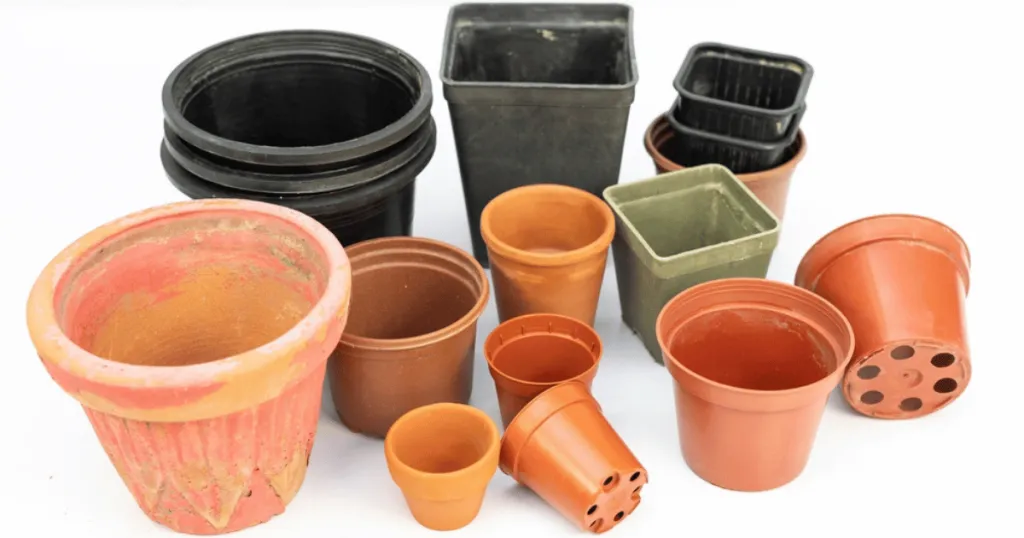
Consider the material of the pot as well. Porous materials like terracotta allow for better airflow to the roots but dry out much faster, which may be a disadvantage if your office has low humidity and you cannot water frequently. Plastic or glazed ceramic pots retain moisture longer, which is often preferable for busy office environments where weekend watering is not an option. Matching the pot material to your specific office climate and your team’s maintenance capacity is a vital step in ensuring the longevity of your greenery.
The Physics of Potting: Why Size Matters for Office Stability
In the context of office plant care, the physical dimensions of a container serve two primary functions: providing a stable base and regulating the hydration cycle. When choosing the right pot size, you must consider the center of gravity. Tall, top-heavy plants like the Fiddle Leaf Fig or Dracaena require a pot with a wide enough base to prevent tipping in high-traffic corridors. A pot that is too small for a large, leafy plant will inevitably lead to accidents, potentially damaging both the plant and the office furniture.
Furthermore, the relationship between the root ball and the container wall is critical. If the gap between the root ball and the pot wall is too wide, the soil in that space will remain saturated long after the roots have absorbed their fill. In an office with limited natural light, this moisture retention can quickly lead to anaerobic conditions. By selecting a pot that fits the root ball snugly, you ensure that the plant actively manages the moisture levels in the soil, which is the most effective form of root rot prevention.
Practical Examples for Common Office Scenarios
In a typical open-office layout, you likely have a mix of floor-standing plants and desk-bound greenery. For larger floor plants, such as a Fiddle Leaf Fig or a Dracaena, the weight and stability of the pot are as important as the size. A large plant in a lightweight plastic pot is prone to tipping over in high-traffic areas. Using a heavy ceramic or stone pot provides a low center of gravity, which is a practical safety consideration for public-facing reception areas.
For desk plants, such as Pothos or ZZ plants, the primary concern is usually footprint and mess prevention. Choosing the right pot size here means selecting a container that fits comfortably within the limited desk space while still holding enough soil to maintain moisture through a three-day weekend. If you find that your desk plants are wilting by Monday morning, it is often a sign that the pot is too small for the plant’s water needs, rather than a lack of light or improper care. Moving to a slightly larger pot with a higher soil-to-root ratio can provide the buffer needed to survive the gap between work weeks.
Another scenario involves grouping plants in a single large trough or planter. When planting multiple species together, you must ensure they have similar water and light requirements. In these shared containers, the pot size is effectively the total volume of the trough. If one plant in the grouping is significantly smaller than the others, it may struggle to compete for root space or moisture. In these cases, keeping individual plants in their own nursery liners within the decorative trough allows you to adjust the height and position of each plant individually, which is a much more flexible and manageable strategy for long-term office maintenance.
Evaluating Potting Mix and Drainage Dynamics
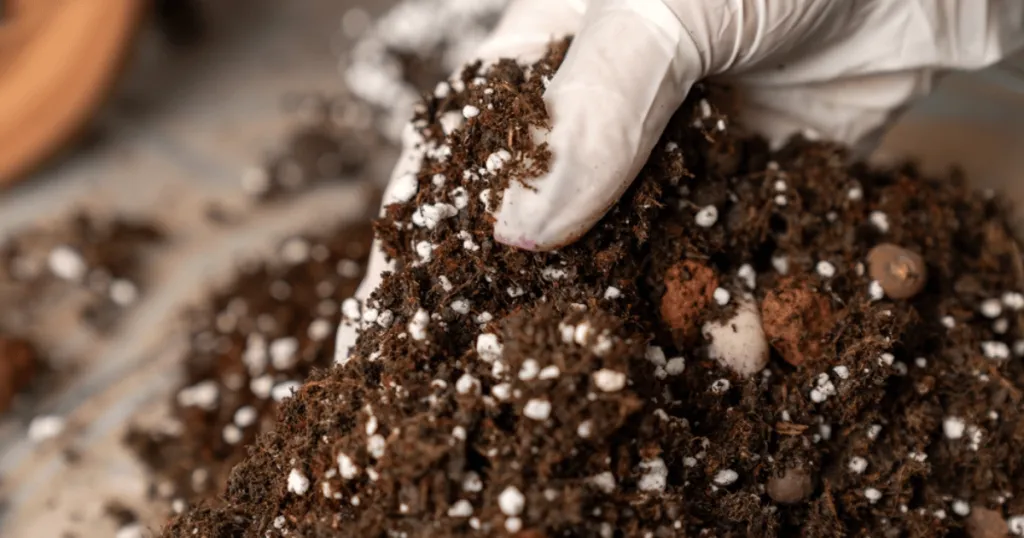
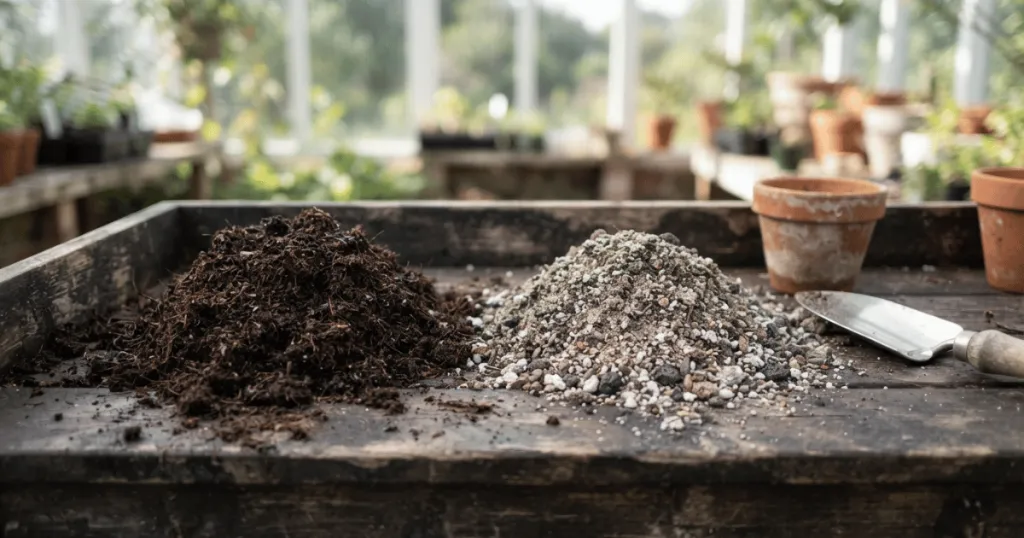
The container is only half the equation; the medium inside is the other. When repotting office plants, the choice of potting mix must align with the container size. In larger pots, you need a mix that promotes soil aeration to prevent compaction. Adding perlite or pumice to your potting mix is a standard practice to ensure that even in a larger container, oxygen can reach the roots. Without this, the center of a large pot can become a dense, oxygen-deprived zone that kills roots even if the surface looks dry.
Drainage for office plants is non-negotiable. If you are using a decorative planter without a hole, you must use a plastic nursery liner. This allows you to remove the plant, water it in a sink or breakroom, let it drain completely, and then return it to the decorative pot. This practice prevents the “hidden pool” of water that often accumulates in the bottom of decorative planters, which is a silent killer of office greenery. Always check the bottom of the nursery liner to ensure that roots are not clogging the drainage holes, as this can cause the soil to stay waterlogged despite your best efforts.
Guidance for Long-Term Maintenance
To determine if your plant needs a larger home, look for signs of being root-bound. If you see roots growing out of the drainage holes or circling the surface of the soil, it is time for a repotting. However, do not feel pressured to repot every plant you purchase. Many indoor plants actually prefer to be slightly snug in their containers. A common mistake is repotting too frequently, which can cause transplant shock and disrupt the plant’s growth cycle. If the plant looks healthy and is growing steadily, it is likely perfectly happy in its current container.
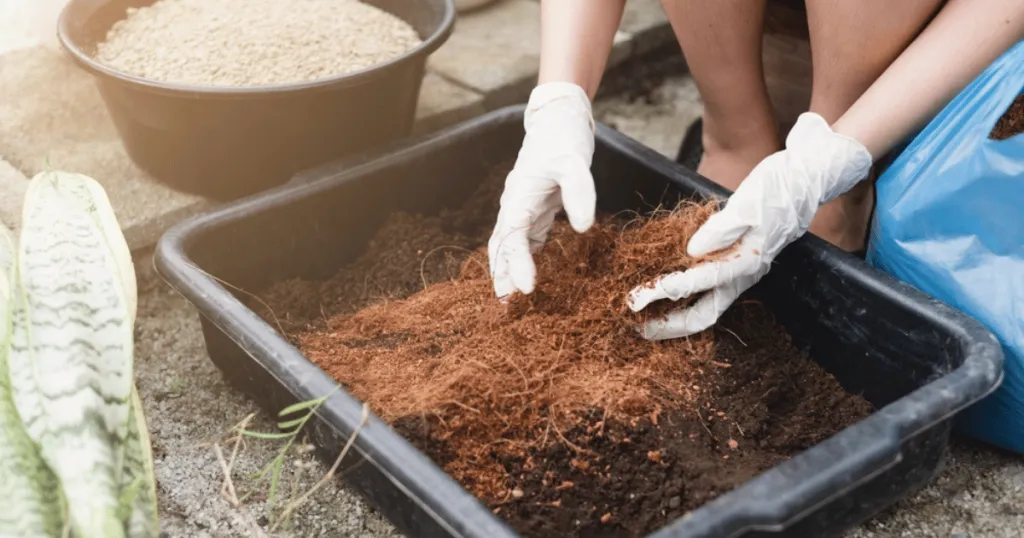
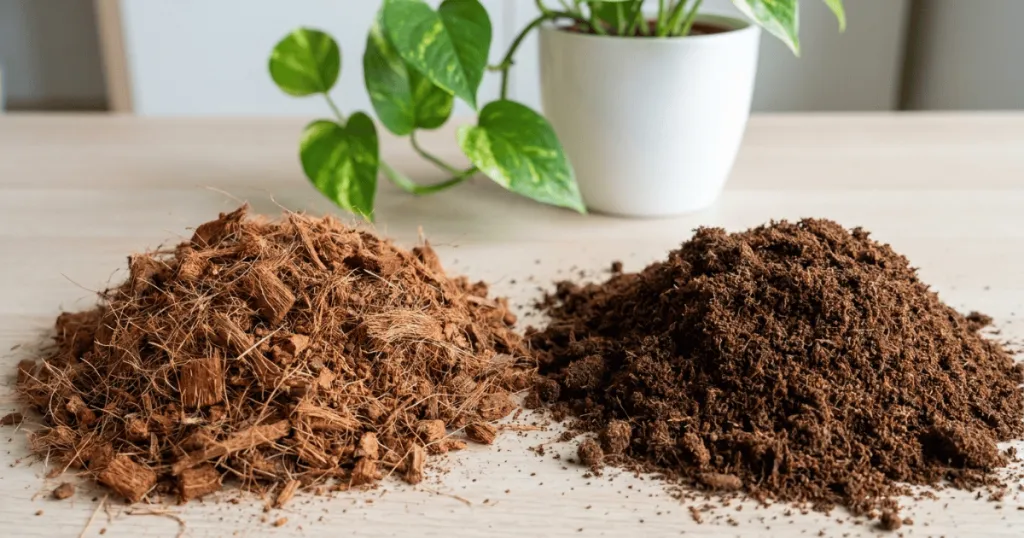
When you do decide to repot, use a high-quality, well-draining potting mix. The quality of the soil is just as important as the size of the pot. A mix that is too dense will hold too much water, regardless of how well you have sized the container. For most office plants, a mix that includes perlite or pumice will improve aeration and drainage, helping to prevent the common issue of root rot in office environments where airflow is limited. Always water your plant thoroughly after repotting to help settle the soil around the roots and eliminate large air pockets.
Finally, remember that the goal of choosing the right pot size is to create a sustainable, low-maintenance environment. If you find yourself watering your office plants more than once a week, or if you are constantly dealing with yellowing leaves and stagnant soil, take a moment to evaluate your containers. Sometimes, a simple change in pot size or material is all it takes to transform a struggling office plant into a vibrant, healthy addition to your workspace. By observing the plant’s growth rate and the speed at which the soil dries, you can make informed decisions that reduce the frequency of maintenance interventions while keeping the office aesthetic professional and polished.
FAQ
How can I tell if my office plant is root-bound and needs a larger pot?
Look for roots emerging from the drainage holes at the bottom of the pot or circling the surface of the soil. If the plant dries out extremely quickly after watering, or if growth has stalled despite adequate light and nutrition, it may be time to move to a slightly larger container.
Is it better to choose a pot that is much larger than the current one to save time on future repotting?
No, this is a common mistake. A pot that is significantly larger than the root ball contains too much soil, which stays wet for too long. This excess moisture can lead to root rot. Always choose a pot that is only one to two inches larger in diameter than the current one.
Does the material of the pot affect how I should water my office plants?
Yes. Porous materials like terracotta draw moisture away from the soil, causing the plant to dry out faster. Non-porous materials like plastic, metal, or glazed ceramic retain moisture for longer periods. Choose your pot material based on how often you are able to water your plants throughout the work week.