When you place a plant in an office environment, you are essentially introducing a living organism into a space designed for human efficiency, not botanical growth. The most common mistake office managers and employees make is focusing entirely on light levels and aesthetic appeal while ignoring the physical mechanics of the container. Understanding why drainage holes matter is the single most effective way to ensure your desk or reception plants survive beyond the first few weeks.
In an office, plants are often subjected to inconsistent watering schedules, low-humidity air conditioned environments, and containers that lack basic exit points for excess moisture. Without a way for water to escape, the soil becomes a stagnant reservoir. This creates a cascade of physiological stress for the plant that is often invisible until it is too late to reverse. By prioritizing proper drainage, you remove the primary variable that leads to the slow decline of most indoor greenery.
Short Answer
Drainage holes allow excess water to exit the pot, preventing the soil from becoming waterlogged. This is critical because it maintains oxygen flow to the roots. Without drainage, roots suffocate in stagnant water, leading to root rot, which is the leading cause of premature plant death in office settings.
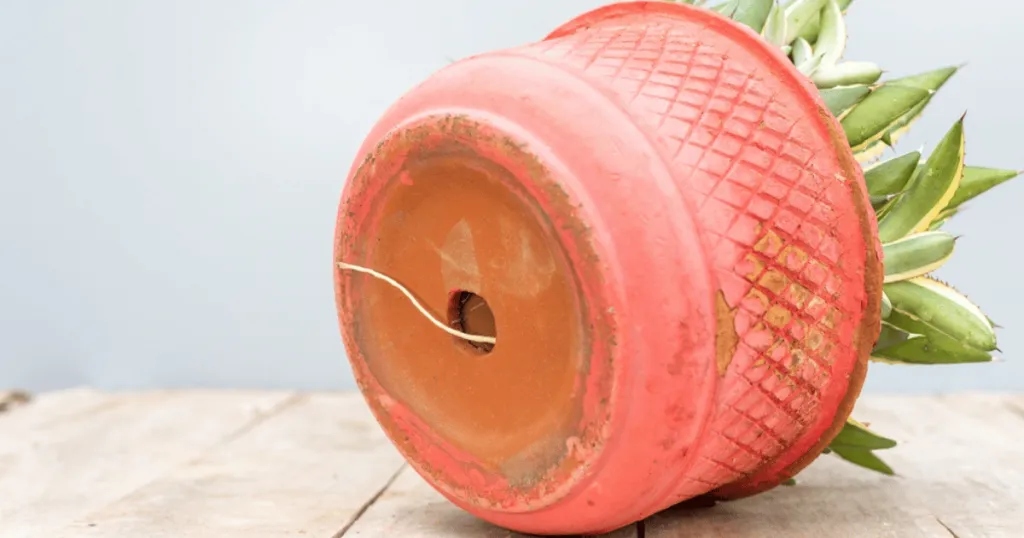
The Physiological Necessity of Oxygenated Roots
Plants do not just drink water; they breathe through their roots. In a natural soil environment, air pockets exist between soil particles, allowing for gas exchange. When you water a plant in a container without a drainage hole, that water fills all the available air pockets. If the water has nowhere to go, it sits in the bottom of the pot, creating an anaerobic environment. This condition is essentially a death sentence for most indoor plants.
Root rot is not caused by the water itself, but by the lack of oxygen that accompanies waterlogged soil. When roots are deprived of oxygen, they lose their ability to absorb nutrients and moisture, even if the soil is wet. This leads to a paradoxical situation where a plant appears to be dying of thirst because its roots have effectively drowned. In an office, where fluorescent lighting already places the plant under moderate stress, the inability to manage root zone health often results in yellowing leaves, wilting, and eventual collapse.
The Role of Soil Aeration
Soil structure is designed to hold moisture while allowing for drainage. When you use a pot without a hole, you force the soil to hold onto every drop of water provided. Over time, this causes the soil to compact, further reducing the availability of oxygen. Even if you are careful with your watering, the lack of a drainage hole means there is zero margin for error. A single overzealous watering session can saturate the soil to the point where it takes weeks to dry out, during which time the roots have already begun to decay.
Practical Realities in the Office Environment
Office environments present unique challenges that make drainage even more important than it might be in a greenhouse or a home garden. HVAC systems constantly cycle air, which can dry out the surface of the soil while the bottom of the pot remains dangerously wet. This surface-level dryness often tricks office workers into adding more water, creating a cycle of saturation that the plant cannot escape.
The Weekend and Holiday Trap
In many offices, plants go unattended for days or even weeks. If a plant is sitting in a decorative pot without drainage, any excess water provided before a long weekend will sit at the bottom of the container. Because there is no airflow through the bottom of the pot, that water does not evaporate efficiently. When you return to the office, you may find the plant showing signs of stress that are difficult to diagnose because the surface looks dry, but the root ball is sitting in a cold, stagnant pool of water.
Managing Decorative Containers
Many office plants are sold in plastic nursery liners placed inside decorative ceramic or metal cachepots. This is a functional setup, provided you understand how to manage it. The drainage hole in the plastic liner allows the water to exit, but the cachepot acts as a collection basin. If you do not empty this basin after watering, you have effectively created a pot without drainage. The practice of lifting the liner out to drain the excess water is the only way to replicate the benefits of a standard drainage hole in a decorative setting.
Why This Matters for Long-Term Maintenance
The decision to use a pot with or without drainage is a decision about the lifespan of the plant. Plants in pots with drainage holes are significantly more resilient. They can handle a slightly heavier watering because the excess will naturally flush out, taking with it potential mineral buildup and salts from fertilizers. This flushing process is essential for maintaining the chemical balance of the soil.
When you choose a container without drainage, you are committing to a high-maintenance care routine that requires precise measurement of every drop of water. For a busy office manager or a distracted employee, this is rarely sustainable. The risk of root rot is simply too high. By ensuring your containers have drainage, you simplify the care process, allowing the plant to regulate its own hydration levels more effectively.
Common Misconceptions About Drainage
A frequent myth is that placing a layer of gravel or rocks at the bottom of a pot without a hole creates a drainage zone. In reality, this does not provide drainage; it simply raises the water table. The water still sits in the gravel layer, keeping the roots in the soil directly above it constantly wet. This technique often accelerates root rot because it creates a false sense of security while failing to remove the excess moisture from the root zone entirely.
Another common misconception is that certain plants, such as succulents or tropical foliage, do not need drainage if they are kept in low light. The truth is that light levels affect how quickly a plant uses water, but they do not change the fundamental requirement for oxygenated roots. A plant in low light uses less water, but it is actually more susceptible to root rot because the soil takes much longer to dry out. If anything, plants in low-light office corners need drainage holes even more than those in bright, sunny windows.
The Mechanics of Water Movement in Containers
To truly appreciate why drainage holes matter, one must understand the physics of water movement within a confined space. When water is added to a pot, it moves downward through the substrate due to gravity. In a container with a hole, this water continues its journey out of the pot. In a container without a hole, the water hits the bottom and stops, creating a zone of saturation known as the perched water table. This zone is a permanent feature in non-draining pots, and it is the primary site where root pathogens thrive. By providing an exit, you effectively eliminate the perched water table, allowing the soil to reach a state of field capacity – the ideal moisture level for root health – rather than total saturation.
Strategic Selection of Office Planters
When selecting containers for office spaces, the material and design should prioritize plant health over pure aesthetics. While ceramic and metal pots are visually appealing in a professional setting, they are often non-porous and lack drainage. If you must use these for design reasons, they should always serve as secondary vessels. Opt for lightweight, durable plastic or terracotta nursery pots for the primary planting. These materials allow for better gas exchange and, when paired with a drainage hole, provide the most reliable foundation for long-term plant vitality.
For larger installations in lobbies or open-plan offices, consider self-watering planters that feature a built-in reservoir and overflow mechanism. These systems are engineered to manage water levels effectively, provided they are used according to the manufacturer’s specifications, which usually involve a clear indicator of when the reservoir is full.
The Impact of Mineral Buildup and Soil Chemistry
Beyond the immediate threat of root rot, drainage holes play a vital role in managing the chemical environment of the soil. Office plants are often watered with tap water, which contains dissolved minerals and salts. Over time, as water evaporates from the surface, these minerals remain in the soil, concentrating near the roots.
In a pot without drainage, there is no way to flush these salts out. This leads to a toxic buildup that can burn root tips and inhibit nutrient uptake. Regular, deep watering that allows water to flow freely through the drainage hole acts as a cleansing mechanism, washing away excess salts and keeping the soil chemistry balanced. This is a critical aspect of office plant maintenance that is often overlooked, leading to stunted growth and leaf tip burn that is frequently misidentified as a watering or light issue.
Conclusion
Understanding why drainage holes matter is fundamental to successful office plant care. Whether you are managing a single desk plant or a collection of greenery for a meeting room, the ability for water to exit the container is the most important factor in preventing root rot and ensuring long-term health. By selecting pots with drainage or using functional liners that allow for easy water removal, you create a stable environment that supports your plants through the unique challenges of the office, from HVAC-controlled air to long, unattended weekends.
FAQ
Can I drill my own drainage holes in decorative pots?
Yes, you can often drill holes in ceramic, terracotta, or plastic pots using the appropriate drill bit. Use a masonry bit for ceramic or terracotta and a standard bit for plastic. Always use a slow speed and keep the area cool with water to prevent the pot from cracking.
What if my decorative pot cannot be drilled?
If you cannot drill a hole, use the pot as a cachepot. Keep the plant in its original plastic nursery liner, which has drainage holes. After watering the plant in a sink and letting it drain completely, place the liner back into the decorative pot. Never let the plant sit in standing water inside the cachepot.
Do all office plants require drainage holes?
Yes, nearly all common indoor office plants require drainage. While some plants like certain ferns or moisture-loving species are more tolerant of damp soil, they still require oxygen at the root level. Without drainage, the risk of anaerobic conditions and root rot remains high for every species.