Affiliate Disclosure: As an Amazon Associate, I earn from qualifying purchases.
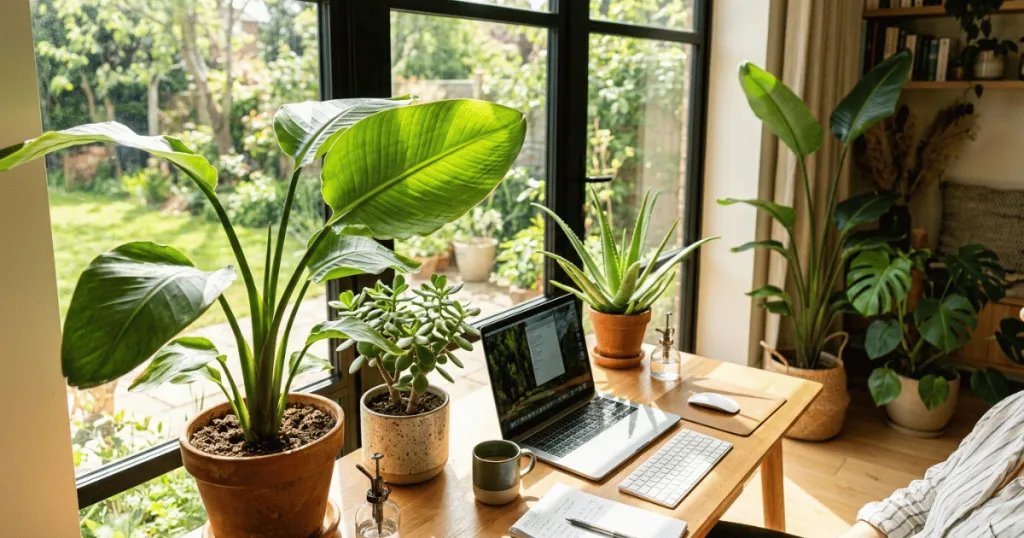
A sunny office presents a unique set of opportunities and challenges. While many indoor plants are selected for their ability to survive in dim, fluorescent-lit corners, a bright, sun-drenched workspace requires a different strategy. High-light areas near south or west-facing windows can cause rapid soil drying and leaf scorch on species adapted to the forest floor, making the selection of the right specimens critical for long-term success. The best plants for sunny office environments are those that have evolved to process intense solar energy without succumbing to the dry, climate-controlled air typical of modern workspaces.
At a Glance
- Choose light-loving species for south or west-facing windows.
- Monitor for heat stress caused by direct midday sun.
- Use sheer curtains to protect foliage from harsh scorching.
- Rotate pots weekly to ensure balanced growth and form.
When evaluating plants for these bright spots, prioritize species with succulent-like traits or thick, waxy leaves. These adaptations allow the plant to store water and regulate transpiration, which is essential when office HVAC systems pull moisture from the air. By choosing plants that thrive in high-light conditions, you move away from the constant struggle of keeping shade-loving plants from burning, allowing for a more vibrant and low-maintenance office greenery display.
Criteria for High-Light Office Success
The primary factor in selecting plants for a sunny office is the intensity of the light, not just the duration. Direct sunlight hitting a desk or windowsill can be significantly stronger than the ambient light found in the center of an open-plan office. Plants that thrive here must possess the physiological ability to handle high UV exposure. We look for species that maintain their structural integrity under heat, avoid rapid wilting when humidity drops, and demonstrate a tolerance for the temperature fluctuations common near glass panes.
Beyond light tolerance, consider the maintenance cycle. In a sunny office, evaporation rates are higher. A plant that requires constant, heavy watering may become a liability during weekends or holiday breaks. The best candidates for this scenario are those that prefer a wet-to-dry cycle, allowing the soil to dry out partially between waterings. This reduces the risk of root rot and makes the plant more resilient to the occasional missed watering session during a busy work week.
Top Selections for Sunny Office
Jade Plant
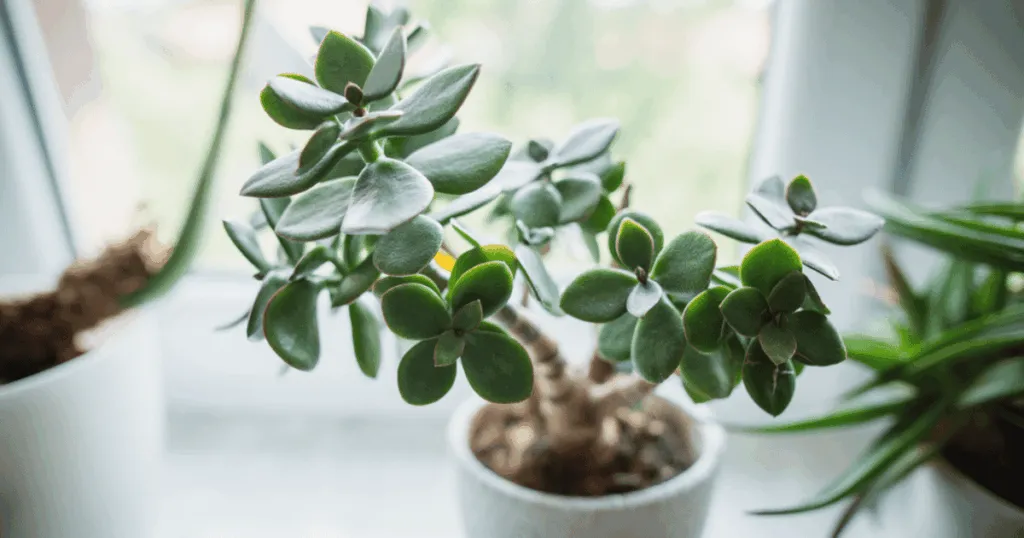
The Jade Plant is a quintessential choice for the sunniest desk in the office. As a succulent, it actively enjoys direct sunlight, which helps it maintain its compact, tree-like form. In lower light, it tends to stretch and become leggy, but near a window, it remains robust. Because it stores water in its thick leaves, it is exceptionally forgiving of the irregular watering schedules that often occur in professional settings. Overwatering is the most common cause of problems, not underwatering, so ensure the soil dries out completely before adding more moisture.
Aloe Vera
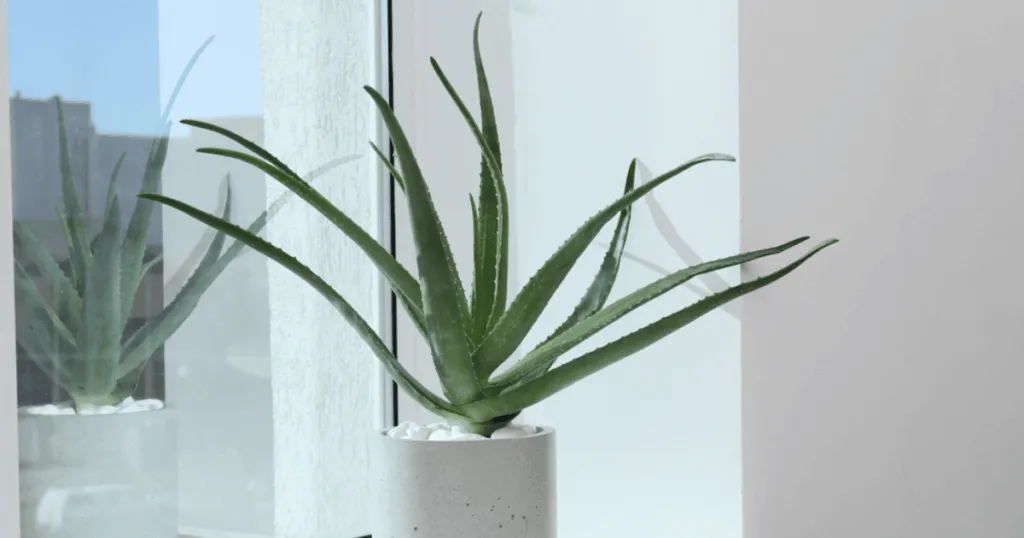
Often kept for its sculptural aesthetic, Aloe Vera thrives when placed directly in a sunny window. It requires bright, direct light to prevent the leaves from drooping or losing their characteristic upright posture. It is a practical choice for a sunny office because it prefers its soil to dry out completely between waterings, making it a low-maintenance companion for a busy desk manager. Note that leggy, pale growth is a primary indicator that the plant is not receiving sufficient light.
Rubber Plant
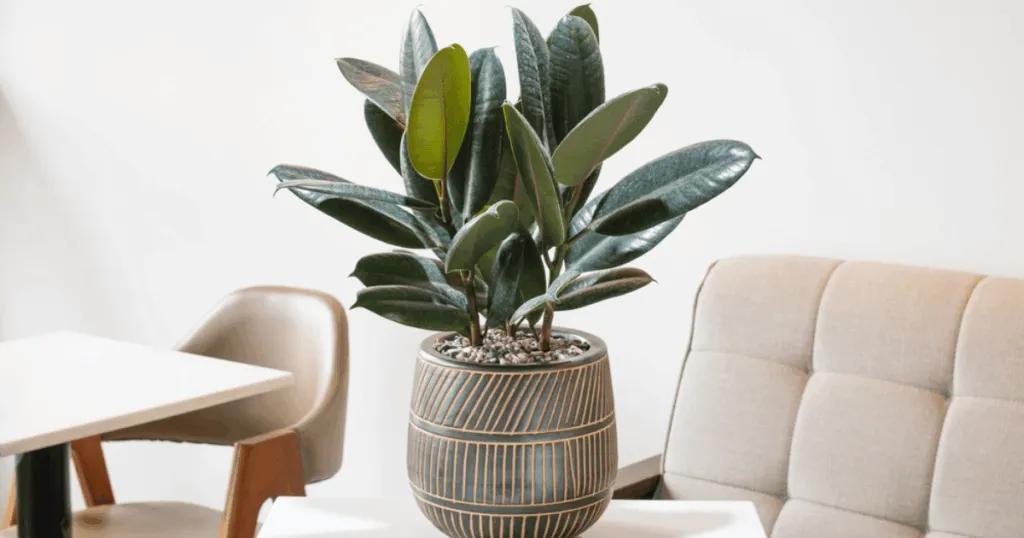
The Rubber Plant, specifically the Ficus elastica, is a structural standout that handles bright, indirect light exceptionally well. While it can tolerate some direct sun, it prefers a spot where it receives plenty of brightness without the harsh, midday intensity that might scorch thinner-leaved plants. Its glossy, thick leaves are efficient at resisting the drying effects of office air conditioning. Be aware that the latex sap is an irritant, so handle with care during repotting or pruning.
Ponytail Palm
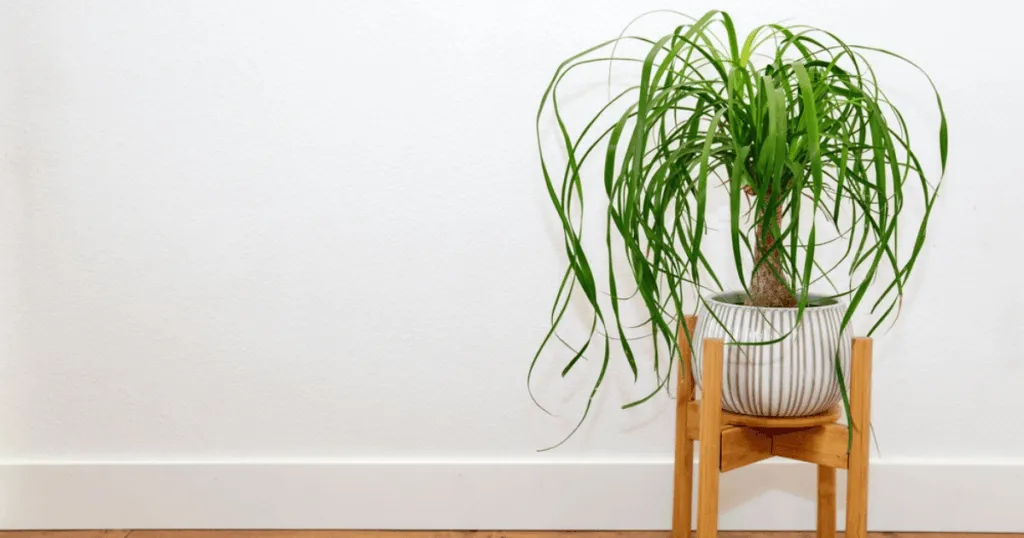
Despite its name, this is not a true palm but a succulent that stores water in its bulbous trunk. It is one of the most reliable plants for a sunny office because it is built to withstand periods of intense heat and drought. It requires very little attention, making it an ideal candidate for reception areas or desks that receive significant afternoon sun. Its unique caudex acts as a biological reservoir, ensuring the plant remains hydrated even if the office manager forgets to water it for an extended period.
Croton
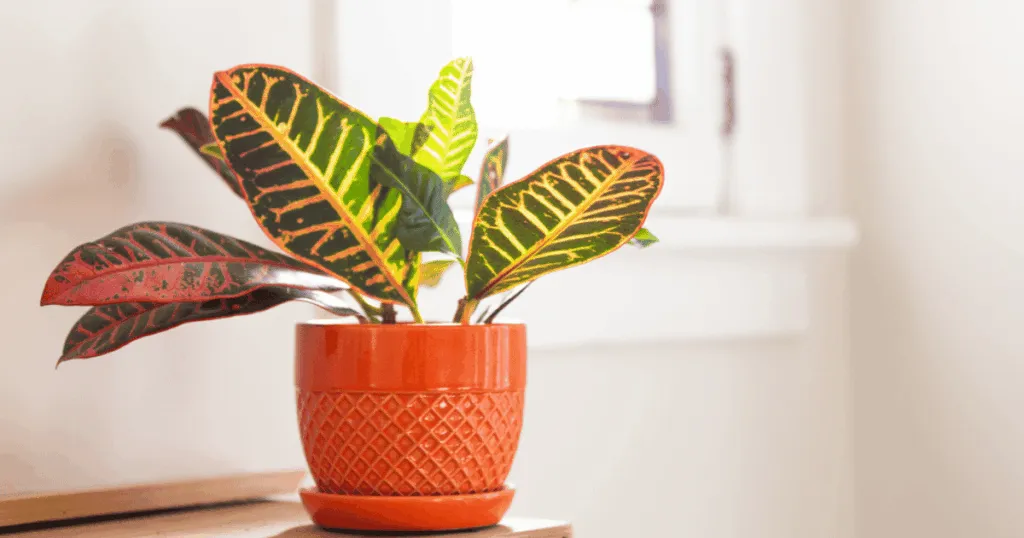
If you are looking for color, the Croton is unmatched. It requires high light levels to maintain its vibrant yellow, orange, and red leaf patterns. Unlike some other high-light plants, it does not like to dry out completely, so it is best suited for an office manager who can keep a consistent watering routine. It is sensitive to cold drafts, so keep it away from direct HVAC vents. Because it is a more demanding plant, it serves as a great focal point for a managed office space where someone is present to monitor its specific needs.
Hoya
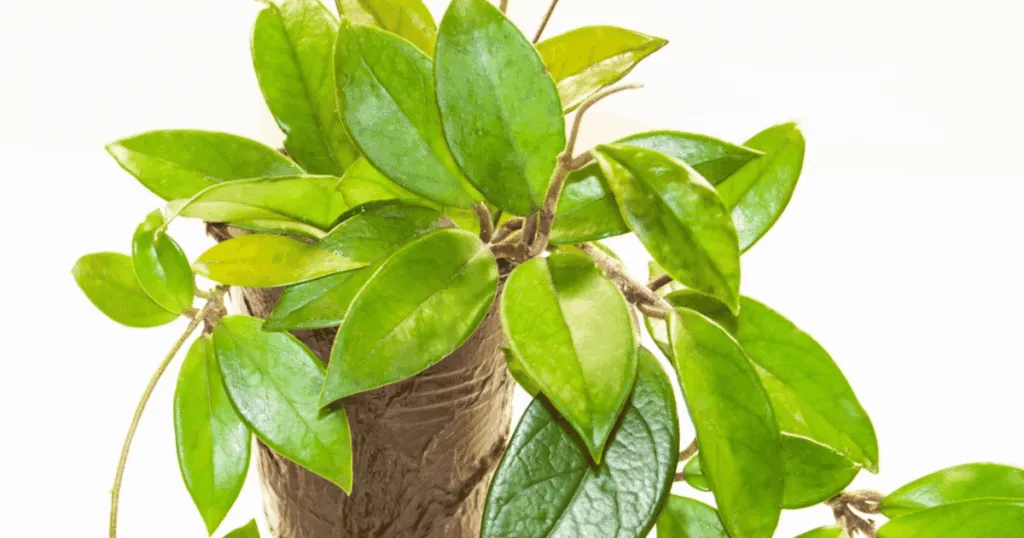
Hoya varieties are excellent for sunny offices because they are slow-growing and highly tolerant of inconsistent care. They thrive in bright, indirect light and can even produce fragrant, waxy flowers if given enough solar energy. Their trailing habit makes them perfect for shelves or hanging planters in bright, sun-exposed corners. They are non-toxic, which adds a layer of safety for shared office environments.
Yucca
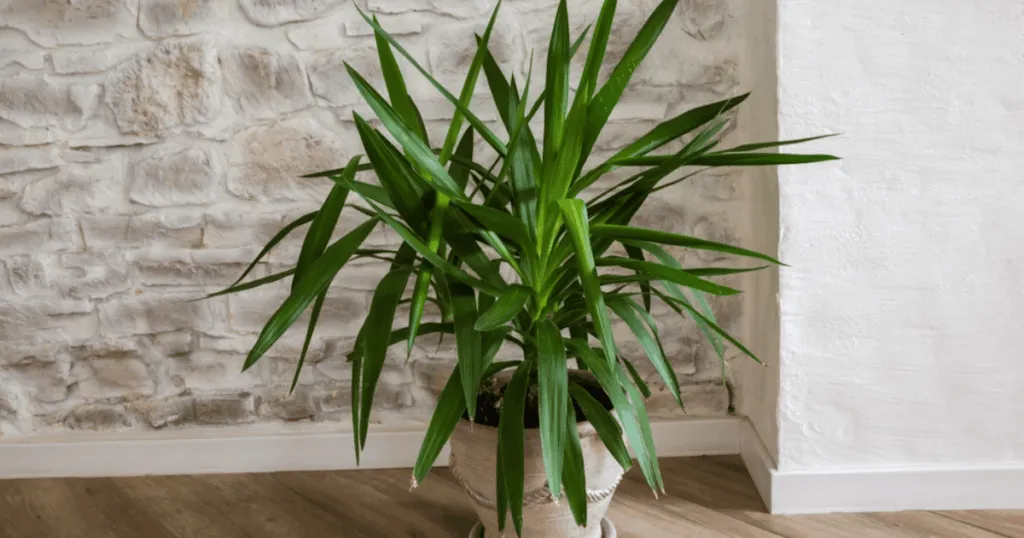
For a vertical, architectural statement, the Yucca is a top performer. It is naturally adapted to high-light, arid environments, meaning it handles the dry air of an office with ease. It is a sturdy plant that requires minimal intervention, though it is worth noting that its stiff, pointed leaves are best placed in areas where foot traffic is not an issue. It thrives on neglect, making it perfect for offices that experience long, quiet weekends.
Monstera
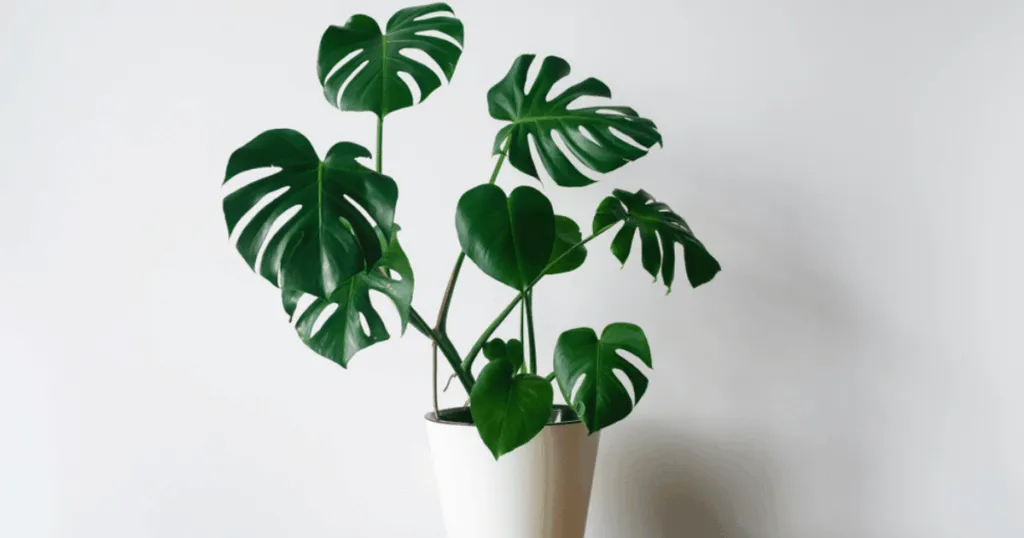
While often associated with medium light, the Monstera deliciosa truly excels in bright, indirect light. In these conditions, it is more likely to develop its signature leaf fenestrations. It provides a lush, tropical feel to a sunny office. Just ensure it has enough space to spread, as it can grow quite large when provided with the high light levels it prefers. It is a classic choice for a corner office or a large meeting room where it can serve as a statement piece.
Expanding Your Sunny Office Collection
Beyond the core list, several other species adapt well to high-light office conditions. For instance, the Schefflera (Umbrella Tree) is an excellent choice for those seeking a tree-like silhouette. It handles bright, indirect light with grace and is relatively easy to maintain, provided the top inch of soil is allowed to dry out between waterings. It is a fantastic alternative for spaces where a Fiddle Leaf Fig might be too finicky.
If you prefer a trailing plant, consider the Syngonium (Arrowhead Plant). While it enjoys medium light, it can handle brighter spots if acclimated properly. Its leaf shape changes as it matures, offering a dynamic visual interest that few other plants provide. It is a versatile addition to a desk or bookshelf, though it does require consistent moisture compared to the succulent-based options on our list.
For those interested in flowering plants, the Anthurium is a sophisticated choice for a bright office. It is prized for its long-lasting, glossy spathes. While it requires a bit more attention regarding humidity, it thrives in the bright, indirect light found near windows. It is a perfect way to introduce color into a professional setting without the high maintenance of traditional cut flowers.
Advanced Environmental Considerations for Sunny Offices
When you commit to high-light plants, you must understand the interplay between light intensity and plant metabolism. In a sunny office, plants undergo photosynthesis at a much higher rate than those in dim corners. This increased metabolic rate means they require more resources—specifically water and nutrients—during the peak growing season. However, in the winter, even a sunny office may see a drop in light quality due to shorter days and lower sun angles. You should adjust your watering frequency seasonally; a plant that drinks heavily in July may need significantly less water in December, even if it remains in the same sunny spot.
Furthermore, consider the “glass effect.” Office windows, especially double-paned or tinted glass, can filter out specific light spectrums while trapping heat. This creates a localized greenhouse effect. If you notice your plants are growing toward the window at an extreme angle, rotate them 90 degrees every week. This prevents the plant from becoming lopsided and ensures that all sides of the foliage receive adequate light exposure, which is vital for maintaining the plant’s overall structural integrity.
Another often overlooked factor is the accumulation of dust on leaves. In a sunny office, dust particles can settle on broad-leaf plants like the Monstera or Rubber Plant. This layer of dust acts as a filter, blocking the very light the plant needs to thrive. Periodically wiping the leaves with a damp cloth not only improves the aesthetic of the office but also ensures the plant can maximize its photosynthetic potential. This simple maintenance step is often the difference between a thriving plant and one that slowly declines despite being in the perfect sunny location.
Placement and Environmental Management
Even the best plants for a sunny office require strategic placement. The distance from the window is your most important variable. A plant placed directly on a south-facing windowsill may experience extreme heat, whereas the same plant placed three feet away on a side table will receive the bright, indirect light it craves. Use sheer curtains if you notice leaves developing brown, crispy edges, as this is a clear sign of solar scorch.
Humidity management is the second pillar of success. Sunny windows often coincide with dry, heated air. While the plants listed above are generally tolerant, grouping them together can create a microclimate that raises local humidity levels. Avoid placing these plants directly in the path of forced-air vents, as the constant airflow will accelerate water loss from the leaves, regardless of how much light they receive.
Limitations and Trade-offs
Choosing plants for a sunny office requires accepting that some plants simply cannot handle the intensity. Shade-tolerant species like the ZZ plant or Cast Iron plant will suffer in direct sun, showing bleached or yellowing leaves as they struggle to process the light. Do not attempt to force a shade-loving plant into a high-light spot simply because it is a popular office choice.
Furthermore, plants in sunny areas grow faster and consume more water. If your office has a high-turnover environment where plant care is often neglected for weeks at a time, you may find that even the most resilient high-light plants struggle. In such cases, consider a self-watering pot or a rotation system where plants are moved to lower-light areas to slow their metabolic rate during extended absences.
Finally, remember that toxicity is a factor in shared workspaces. Many of the plants that thrive in high light, such as the Croton, Yucca, and Rubber Plant, contain saps or crystals that can cause irritation if ingested. If your office is a pet-friendly space or has high public traffic, prioritize non-toxic options like the Ponytail Palm or Hoya.
A Note on Plant Care
We provide this information to help you select the best plants for sunny office environments based on their known biological requirements. We do not offer commercial services, plant maintenance contracts, or specific product recommendations. Our focus is on providing the botanical context needed to make informed decisions for your workspace. Always check the specific light conditions of your office throughout the day, as a spot that is sunny at 9:00 AM may be in deep shade by 2:00 PM, which changes the requirements for the plant significantly.
FAQ
Can I put a snake plant in a sunny office?
While a snake plant is incredibly versatile, it prefers medium to bright indirect light. In a very sunny office, especially one with direct, harsh sun, it may experience leaf bleaching. It is better to place it in a spot that receives bright, filtered light rather than direct midday sun.
How do I know if my office plant is getting too much sun?
The most common signs of excessive sun exposure are brown, crispy patches on the leaves, which indicate solar scorch, or leaves that appear pale and washed out. If you notice these symptoms, move the plant further from the window or use a sheer curtain to diffuse the light.
Do sunny office plants need more water than others?
Yes, generally. Plants in high-light environments have a higher rate of photosynthesis and transpiration, which means they use water more quickly. You will likely need to check the soil moisture more frequently than you would for plants located in the interior of the office.
Are there non-toxic plants for a sunny office?
Yes, the Ponytail Palm and Hoya are excellent, non-toxic choices for sunny offices. These plants are safe for both pets and humans, making them ideal for high-traffic reception areas or shared workspaces where safety is a priority.