Affiliate Disclosure: As an Amazon Associate, I earn from qualifying purchases.
Small creative agencies often operate in unique environments, from converted industrial lofts with limited natural light to compact studio spaces where every square foot counts. When you are trying to foster a collaborative and inspiring atmosphere, the right greenery can soften the sharp edges of technology and office furniture.
However, the constraints of a typical agency-fluorescent or dim LED lighting, dry air from constant HVAC cycling, and the reality of weekends where no one is around to water-mean that standard nursery recommendations often fail. Selecting the best low-light office plants for small creative agencies requires prioritizing resilience over aesthetic trends, ensuring that your office greenery remains a design asset rather than a maintenance burden.
To build a successful office plant program, focus on species that tolerate low light levels and infrequent attention. In these environments, the primary goal is to minimize the stress on the plant while maximizing the visual impact. This means looking for plants that don’t require high humidity or precise light tracking, allowing your team to focus on creative work instead of plant care.
Quick Facts
- ZZ Plants thrive in dim, windowless office corners.
- Snake Plants tolerate irregular watering schedules common in busy agencies.
- Pothos vines add vertical interest without needing direct sun.
- Cast Iron Plants survive extreme neglect and temperature fluctuations.
- Most recommended office plants are toxic if ingested by pets.
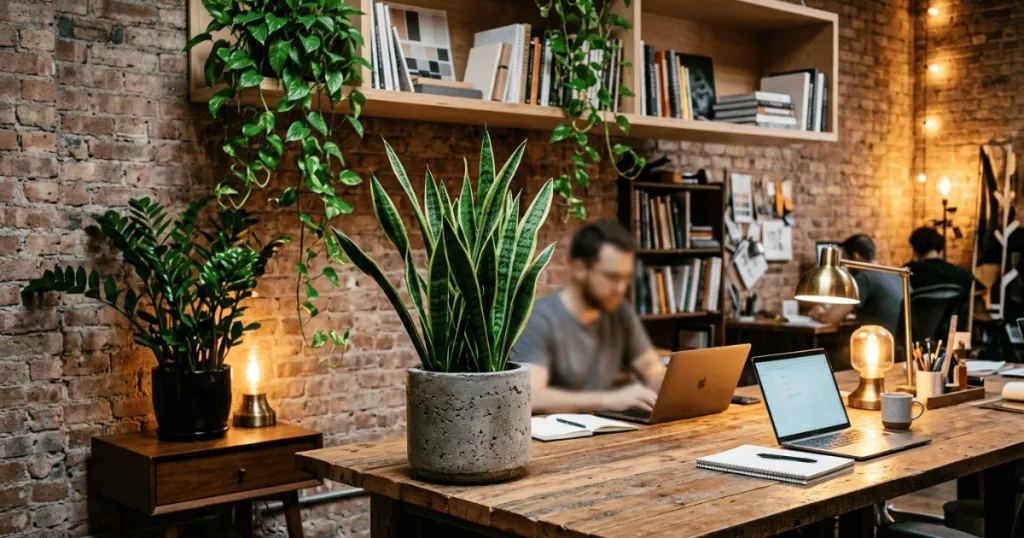
Criteria for Agency-Ready Greenery
In a small agency, the best plants are those that act as “set and forget” design elements. The most critical factor is light tolerance. Most office spaces rely on artificial lighting, which is significantly less intense than natural sunlight. Plants that have evolved to grow on forest floors or in shaded understories are your best candidates. These species have adapted to photosynthesize efficiently even when light levels are low, making them ideal for reception desks, meeting rooms, and individual workstations.
Beyond light, consider the humidity factor. Modern office buildings are notorious for low humidity due to HVAC systems, which can cause leaf browning on sensitive tropical plants. By choosing plants that tolerate dry air, you avoid the need for misting or humidity trays. Finally, evaluate the growth habit. In a small agency, you need plants that stay contained or can be easily trained. Trailing plants like Pothos can be placed on high shelves to save floor space, while upright plants like the Snake Plant provide architectural height without a wide footprint.
Best Low-Light Office Plants for Small Creative Agencies
ZZ Plant
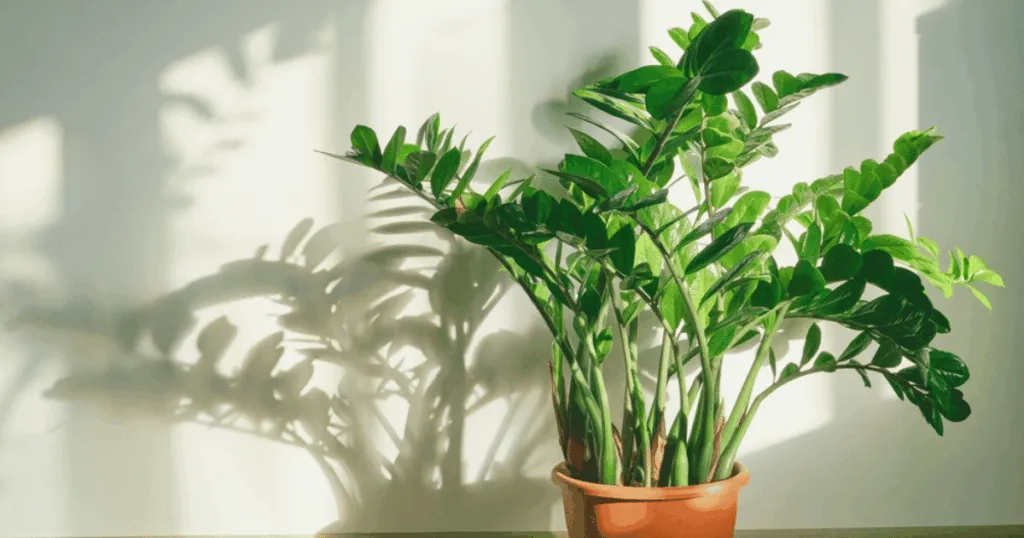
The ZZ Plant is arguably the most reliable choice for an agency with minimal natural light. Its rhizomes store water, allowing it to survive long periods of drought, which is perfect for offices that might be empty over long weekends. It handles fluorescent lighting with ease and maintains a glossy, professional appearance that fits well in a modern creative studio.
Snake Plant
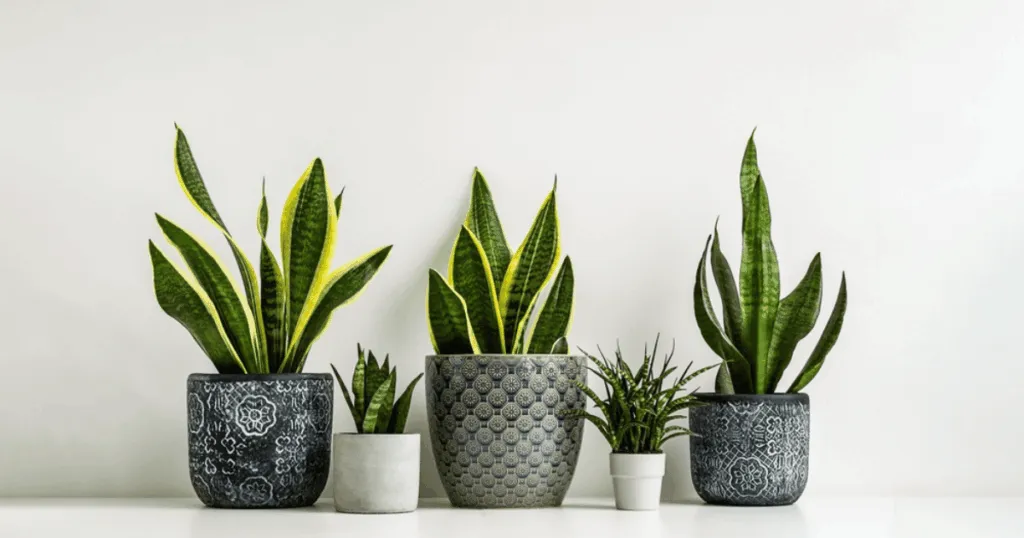
Known for its striking, vertical structure, the Snake Plant is exceptionally hardy. It is one of the few plants that can handle the erratic light conditions of a corner office or a hallway. Because it is highly drought-tolerant, it is the ideal candidate for a team that might forget to water for weeks at a time.
Pothos
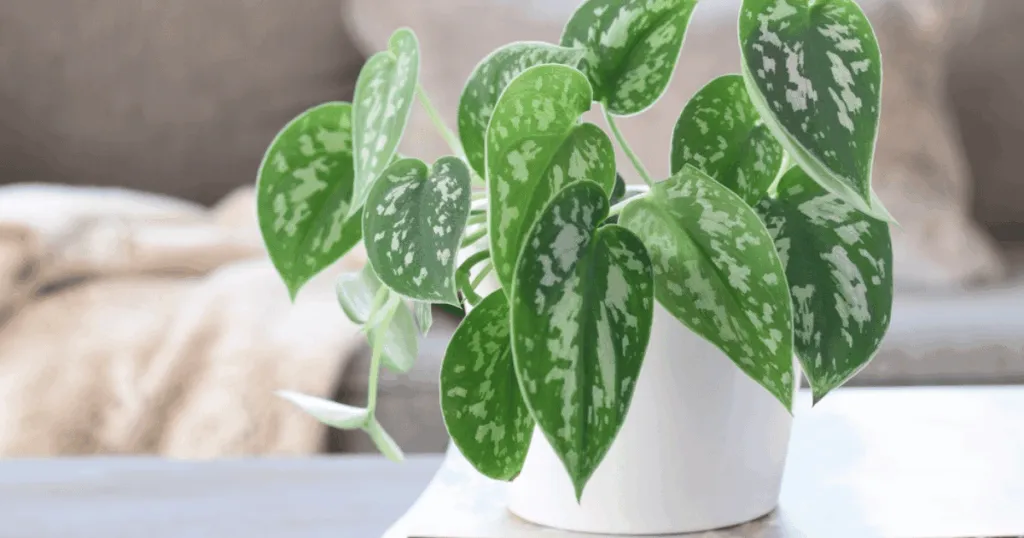
If you need to soften a bookshelf or add greenery to a high-up ledge, Pothos is the standard. It is incredibly fast-growing and forgiving. If the plant begins to look a bit sparse, you can easily trim it back to encourage fuller growth. It is a classic choice for agencies that want a lush, jungle-like feel without the complexity of more sensitive species.
Cast Iron Plant
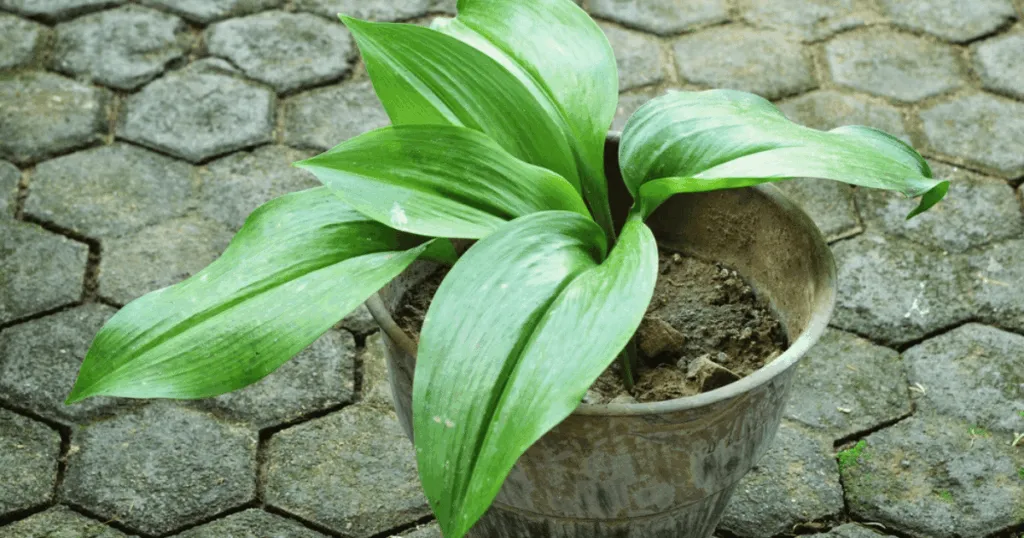
True to its name, this plant is nearly indestructible. It is slow-growing and prefers to be left alone, making it perfect for a busy agency environment where you don’t want to worry about constant repotting or pruning. It handles low light and temperature drops better than almost any other indoor plant.
Chinese Evergreen
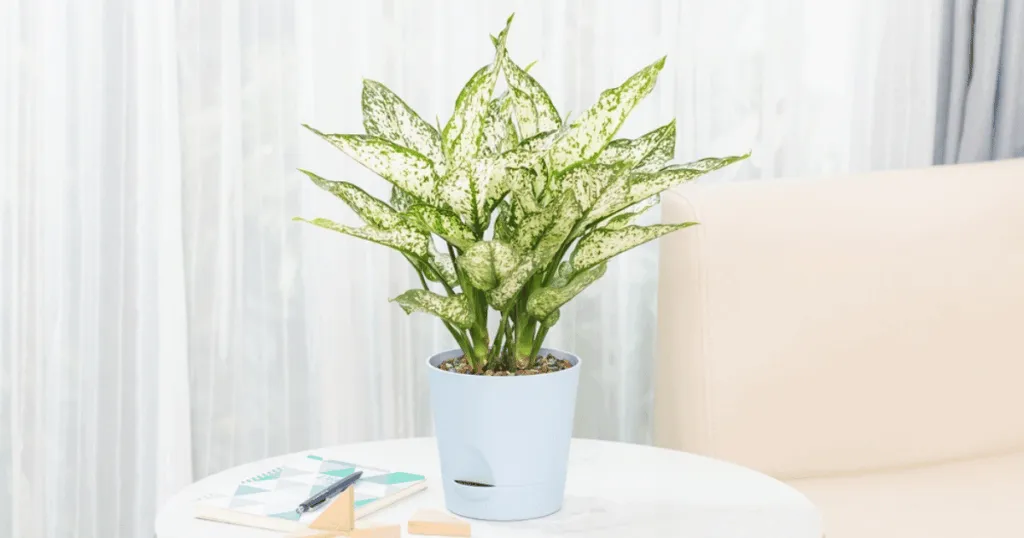
For agencies looking for a splash of color, the Chinese Evergreen offers various leaf patterns, from silver-streaked to deep green. It is highly adaptable to low-light conditions and is one of the few “colorful” plants that will actually maintain its variegation without needing a bright window.
Parlor Palm
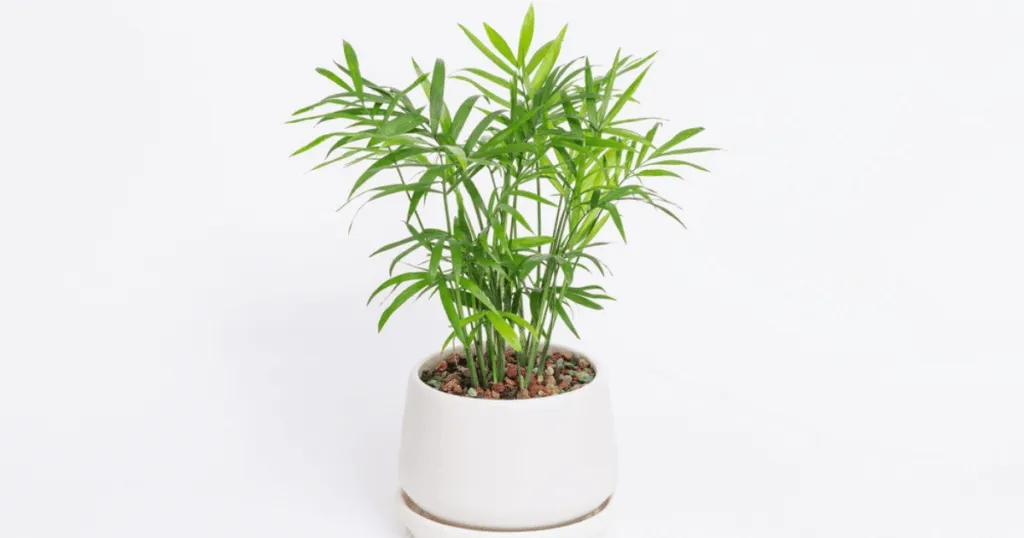
If you want to bring a bit of nature into a meeting room, the Parlor Palm provides a soft, feathery texture that feels sophisticated. Unlike many other palms, it is specifically adapted to low-light conditions and won’t drop its fronds just because the office lighting isn’t perfect.
Bird’s Nest Fern
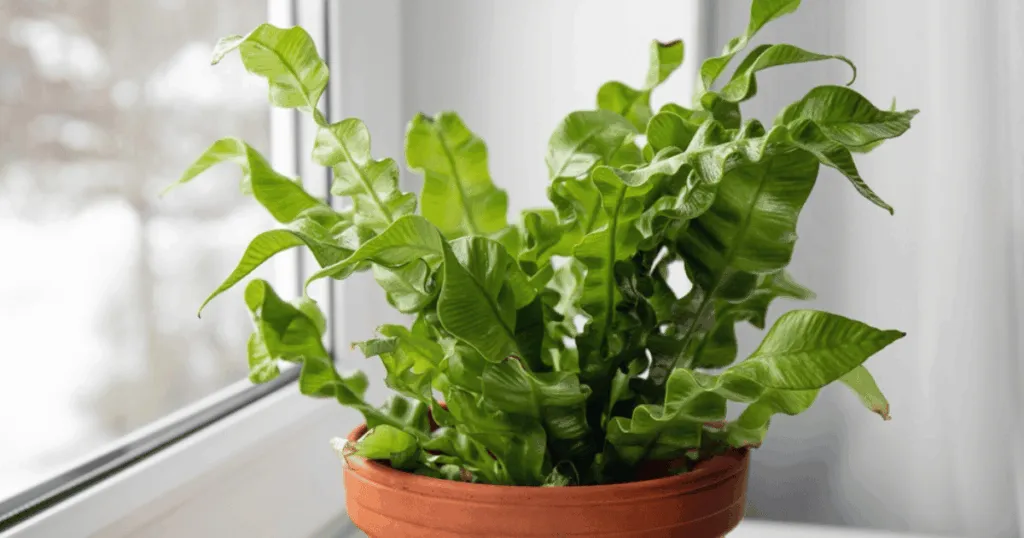
For a unique, sculptural look, the Bird’s Nest Fern is an excellent alternative to standard leafy plants. It has a compact, rosette-like growth habit that fits perfectly on a desk. While it appreciates slightly more humidity than a Snake Plant, it is far more tolerant of low light than other fern varieties.
Expanding Your Greenery: Additional Hardy Options
Heartleaf Philodendron
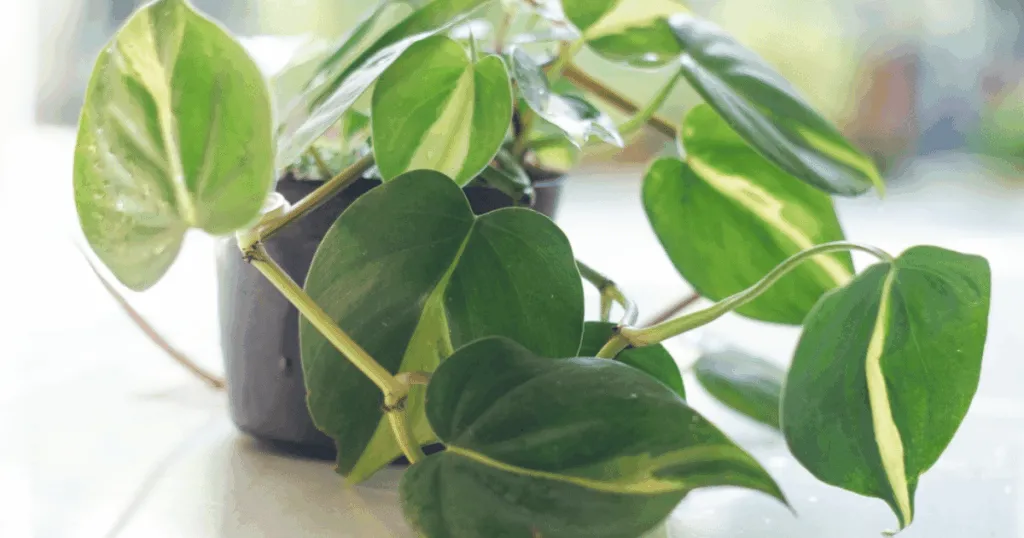
Often confused with Pothos, the Heartleaf Philodendron is a classic trailing plant that thrives in medium to bright indirect light. It is exceptionally easy to propagate, meaning you can grow new plants from cuttings to fill out other areas of the office. It is a fantastic choice for hanging baskets or trailing down from high cabinets.
Dieffenbachia
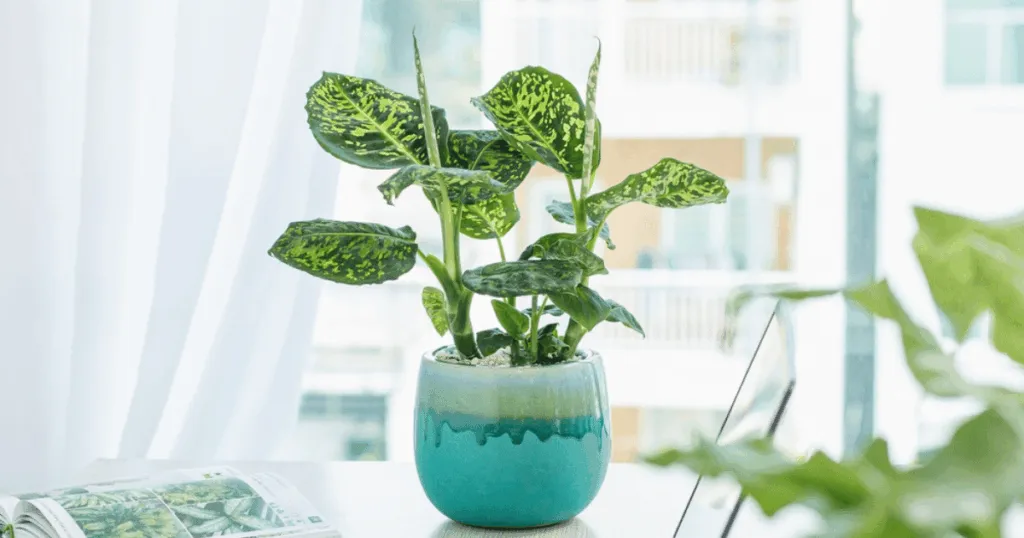
Also known as Dumb Cane, this plant adds a bold, tropical aesthetic to larger office spaces. It features large, patterned leaves that can brighten up a dull corner. It is relatively easy to care for, though it does prefer consistent moisture. It is a great “statement” plant for a reception area or a larger meeting room.
Syngonium
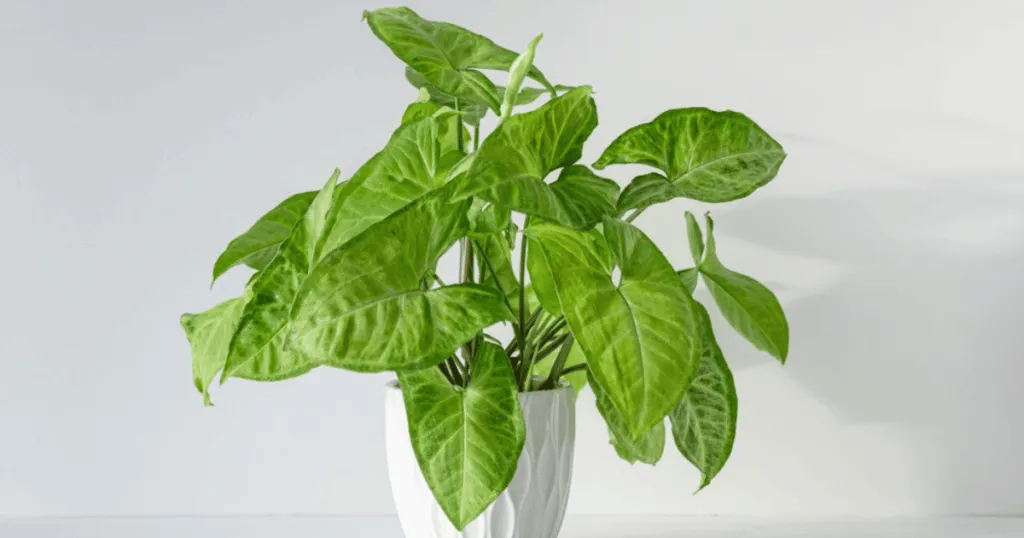
The Arrowhead Plant is a versatile choice that changes its leaf shape as it matures. It is very adaptable to various light conditions and adds a unique, elegant texture to any desk. It is a great alternative if you want something slightly more “designed” than a standard Pothos.
Peperomia
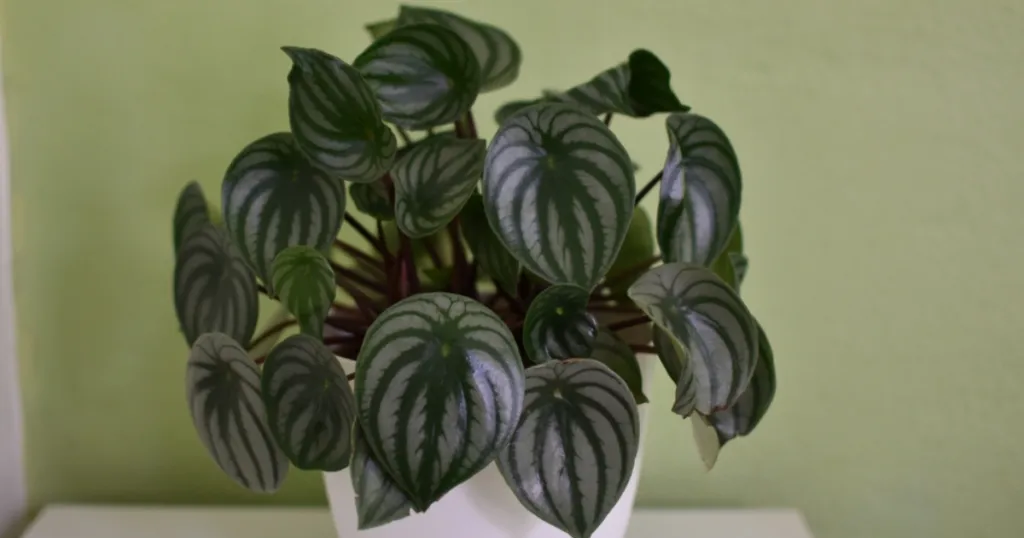
If you have limited desk space, Peperomia is the perfect choice. These plants are compact, come in a variety of textures and patterns, and are very forgiving of occasional neglect. They are semi-succulent, meaning they don’t mind if the soil dries out a bit between waterings.
Dracaena
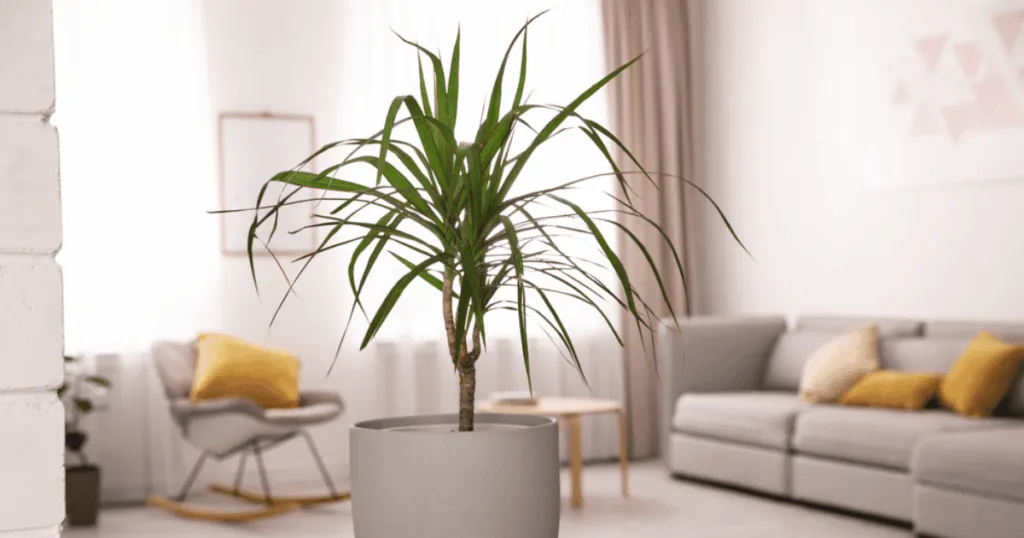
Dracaena varieties, such as the Corn Plant or Dragon Tree, offer a more tree-like appearance, providing vertical height that can help fill empty corners or frame doorways. They are quite tolerant of lower light levels, though they can be sensitive to fluoride in tap water, which may cause brown tips.
Strategic Placement in the Office
Placement is just as important as the plant choice itself. For reception areas, choose plants with a strong architectural presence, such as a large Snake Plant or a ZZ Plant, to create a professional first impression. These plants look tidy and don’t shed leaves, keeping your lobby looking clean. In open-plan workspaces, use trailing plants like Pothos on top of filing cabinets or room dividers to create natural sound buffers and visual interest without consuming valuable floor space.
Meeting rooms are often the darkest spaces in an office. Here, prioritize plants that are extremely shade-tolerant, such as the Cast Iron Plant or the ZZ Plant. Avoid placing plants directly in front of air vents, as the constant draft can stress even the hardiest species, leading to brown tips or leaf drop. If you have a desk that is particularly dark, consider a small Chinese Evergreen or a Peperomia, both of which can handle lower light levels while adding a touch of personality to an individual’s workspace.
Managing Environmental Stressors
Even the hardiest low-light plants can struggle if their environment is consistently hostile. In an office, the biggest threats are not usually light levels, but rather temperature fluctuations and airflow. Avoid placing plants near heating or cooling vents. The constant blast of dry, hot, or cold air can quickly desiccate leaves, leading to curling or browning. Similarly, avoid placing plants in high-traffic areas where they might be brushed against or knocked over.
Another common issue is the “weekend effect.” If your office is completely climate-controlled and shuts down over the weekend, the temperature might drop significantly. Most of the plants listed here are quite resilient to these shifts, but it is worth monitoring them during the first few weeks to ensure they are adapting well. If you notice a plant looking sad or dropping leaves, check the location first-a slight shift to a more stable spot can often solve the problem.
Limitations and Trade-offs
While these plants are resilient, they are not invincible. The most common mistake in a professional setting is overwatering. Because low-light plants grow more slowly, they consume less water than they would in a bright, warm greenhouse. Always check the soil moisture before adding more water; if the top inch of soil is still damp, wait a few more days.
Another consideration is toxicity. Many of the most popular low-light plants, including Pothos, ZZ Plants, and Snake Plants, contain calcium oxalate crystals or saponins that can be harmful if ingested by pets. If your agency is pet-friendly, you must place these plants out of reach or opt for non-toxic alternatives like the Parlor Palm or Cast Iron Plant.
Finally, recognize that “low light” does not mean “no light.” If a plant is placed in a windowless room with no artificial light, it will eventually decline. Ensure that your office lights are on for a standard workday, or consider using timers to ensure the plants get at least 8 to 10 hours of consistent light exposure. If you notice a plant becoming leggy or stretching toward a light source, it is a clear signal that it needs to be moved closer to a window or a desk lamp.
A Note on Plant Maintenance
We believe that an office plant program should simplify your day, not add to your to-do list. The plants listed here are chosen specifically for their ability to thrive with minimal intervention. You do not need expensive fertilizers or complex soil mixes. A standard, well-draining potting mix is sufficient for all the species mentioned. Keep the leaves clean by wiping them down with a damp cloth every few months; this not only keeps them looking professional but also helps the plant photosynthesize more effectively by removing dust that blocks light.
If you find yourself struggling to keep plants alive, the issue is almost always too much water or too little light, rather than a lack of specialized care. Start with one or two of these hardy varieties, and expand your collection only once you are comfortable with their growth patterns.
Advanced Considerations for Agency Managers
Beyond basic survival, creative agencies often prioritize the visual cohesion of their workspace. When selecting plants, consider the pot and container choice as a design element. Using uniform, matte-finished ceramic or powder-coated metal planters can elevate even the most common Pothos into a sophisticated design piece. Ensure that all pots have drainage holes or are placed inside decorative cachepots to prevent water from damaging office furniture or flooring. For agencies with high-traffic corridors, avoid plants with brittle leaves or sharp, protruding edges that might be damaged by passing staff or equipment.
Furthermore, consider the seasonal dynamics of your office. During winter months, even if the office is climate-controlled, the reduction in natural daylight hours can impact plant growth. You may need to slightly reduce your watering frequency during these months, as the plants will enter a period of semi-dormancy. Conversely, in the summer, if your office is heavily air-conditioned, ensure that plants are not positioned directly in the path of cold air streams, which can cause localized cold stress. By observing these subtle environmental cues, you can maintain a thriving indoor jungle that supports the agency’s creative spirit year-round without requiring a dedicated horticulturalist.
FAQ
Which are the best low-light office plants for small creative agencies that are also pet-safe?
If your agency allows pets, the Parlor Palm and the Cast Iron Plant are the best choices from our list. Both are non-toxic to cats and dogs and are highly tolerant of the low-light conditions found in most office environments.
How often should I water my office plants?
In low-light office conditions, plants grow slowly and use less water. A good rule of thumb is to check the soil moisture with your finger; only water when the top inch of soil feels dry. For most of these plants, this typically happens every two to three weeks.
Can these plants survive in a room with no windows?
Yes, provided there is consistent artificial light. These plants can thrive under standard office fluorescent or LED lighting, provided the lights are on for a regular 8-to-10-hour workday. They cannot survive in a completely dark room.
What should I do if my office plant starts losing leaves?
Leaf loss is often a sign of overwatering or a sudden change in environment. Check the soil to ensure it isn’t waterlogged. If the soil is dry, ensure the plant isn’t sitting in a cold draft from an HVAC vent, which can also cause stress and leaf drop.