Affiliate Disclosure: As an Amazon Associate, I earn from qualifying purchases.
Choosing the best plant for office gift giving is less about finding the most exotic specimen and more about identifying a plant that can thrive within the specific constraints of a workplace environment. Unlike home environments, offices often feature inconsistent lighting, aggressive HVAC systems that strip moisture from the air, and periods of neglect during weekends or extended holidays. A successful office gift must be resilient enough to handle these factors while remaining visually appealing and manageable for a busy professional.
When you select a plant for a colleague or a shared workspace, you are essentially gifting a responsibility. The ideal choice is one that requires minimal intervention, has a forgiving watering schedule, and does not demand specialized equipment like grow lights or humidifiers. By prioritizing plants known for their structural integrity and adaptability, you ensure the gift remains a source of enjoyment rather than a source of stress for the recipient.
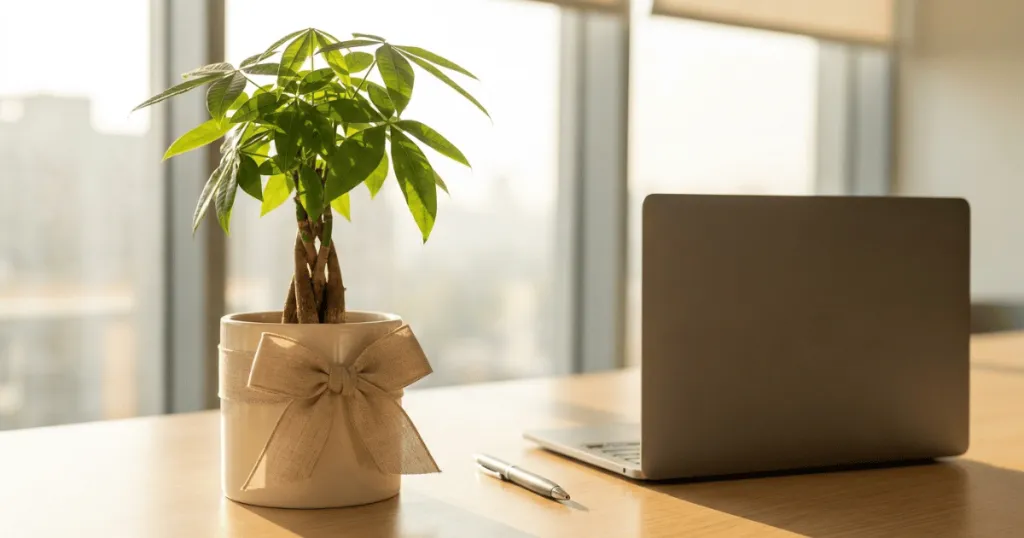
Top Selections for Workplace Environments
The most reliable options for office settings are those that tolerate lower light levels and fluctuations in temperature. These plants are frequently categorized by their ability to survive in environments where natural light is limited to what filters through a window or what is provided by overhead fluorescent or LED fixtures.
The Snake Plant (Dracaena trifasciata)
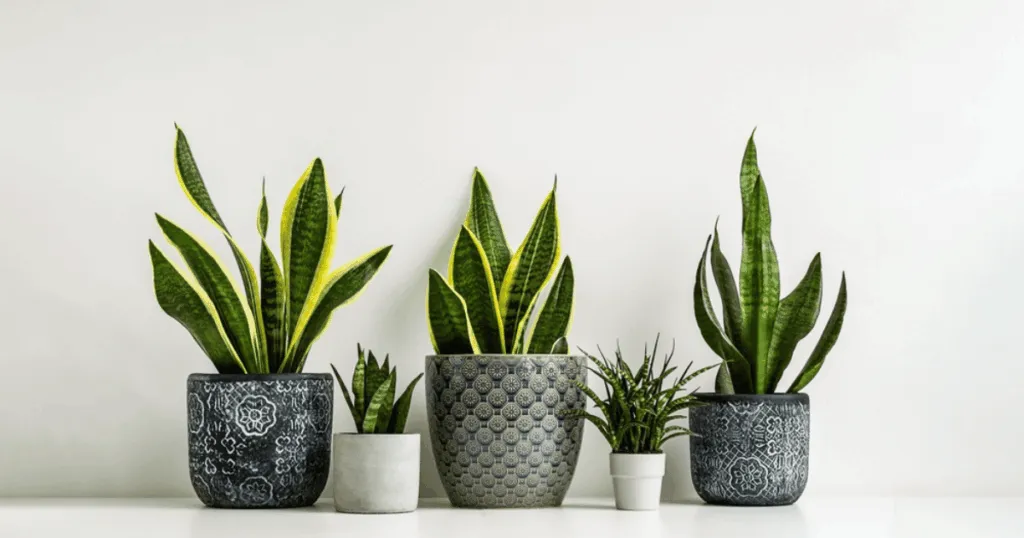
The Snake Plant is widely considered the gold standard for office environments. Its upright, architectural leaves provide a modern aesthetic that fits well in professional settings, from executive desks to reception areas. Beyond its appearance, it is incredibly hardy. It can thrive in a wide range of light conditions, including the dim corners of a meeting room, and it prefers its soil to dry out completely between waterings. This makes it an ideal candidate for offices where staff may be away for several days at a time.
The ZZ Plant (Zamioculcas zamiifolia)
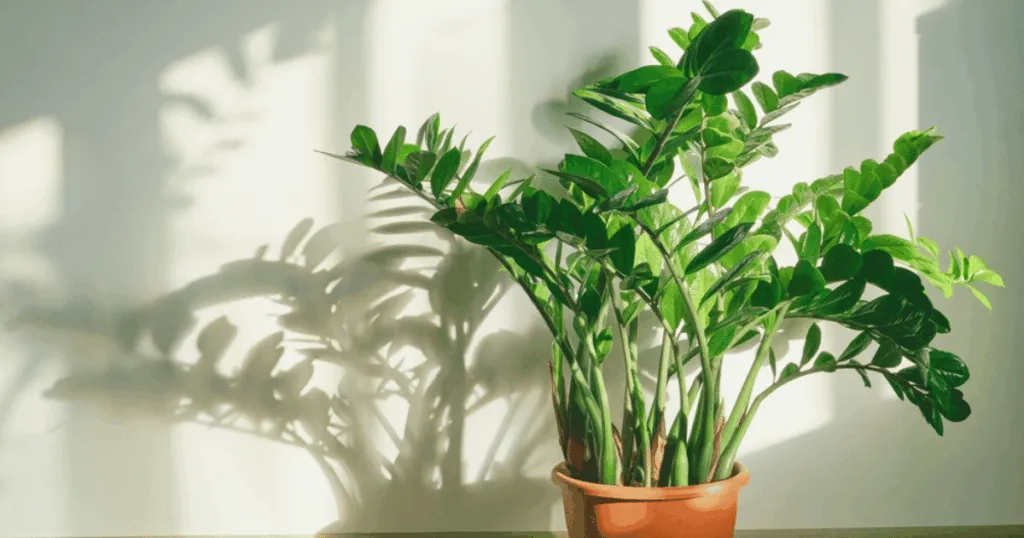
Similar to the Snake Plant, the ZZ Plant is a powerhouse of durability. It features waxy, deep green leaves that reflect light, helping to brighten up cubicle spaces. It is exceptionally tolerant of low-light conditions and is one of the few plants that can handle the dry air typical of climate-controlled offices. Its rhizomatous root system stores water efficiently, allowing it to survive periods of drought that would cause other plants to wilt.
Pothos (Epipremnum aureum)
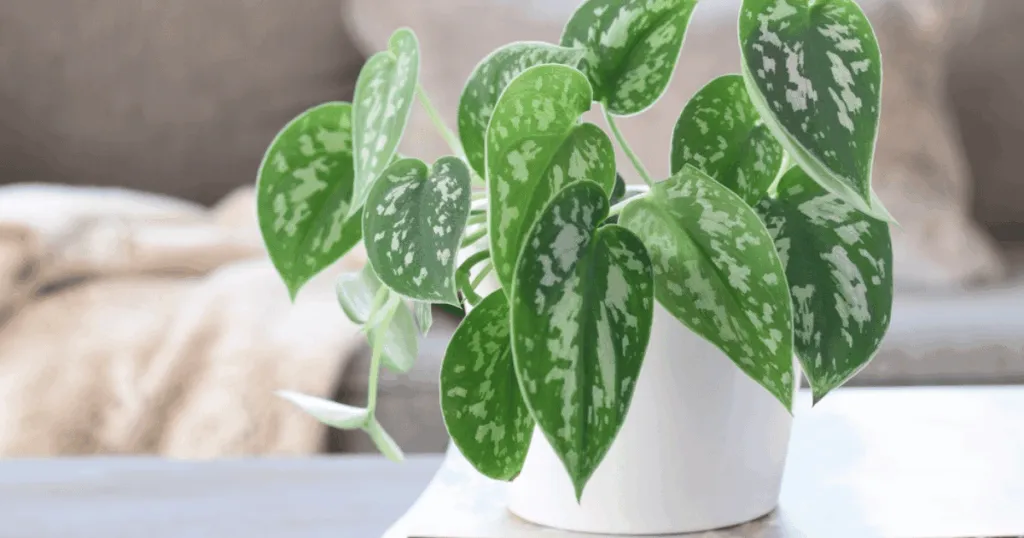
For those who prefer a trailing or vining plant, Pothos is a versatile choice. It is highly adaptable and can be trained to climb a small trellis or allowed to cascade from a bookshelf. Pothos is a reliable indicator plant; its leaves will begin to droop slightly when it needs water, providing a clear visual cue for the owner. It is easy to propagate, which can be a fun activity for office teams looking to share greenery across multiple desks.
Practical Considerations for Long-Term Success
Once you have selected the best plant for office gift giving, the next step involves ensuring the recipient has the basic knowledge to keep it alive. A common mistake is assuming that all office plants need the same amount of water. In reality, most office plants fail due to overwatering rather than underwatering. Because office temperatures are often kept stable but low in humidity, the soil does not dry out as quickly as it might in a sun-drenched greenhouse, but it also does not stay as moist as it would in a humid home environment.
Advise the recipient to check the soil moisture by inserting a finger about two inches into the potting mix. If it feels dry to the touch, it is time to water. If it feels damp, wait a few more days. This simple tactile test is far more effective than following a rigid weekly schedule, which often leads to root rot if the office environment is particularly cool or dark.
Placement is another critical factor. Avoid placing plants directly under air conditioning vents or near radiators. The constant stream of forced air can cause leaf tips to brown and drop prematurely. Instead, look for spots with indirect light. If the plant is in a windowless room, ensure it is positioned where it can receive at least some ambient light from the hallway or nearby glass partitions.
Strategic Selection for Diverse Office Roles
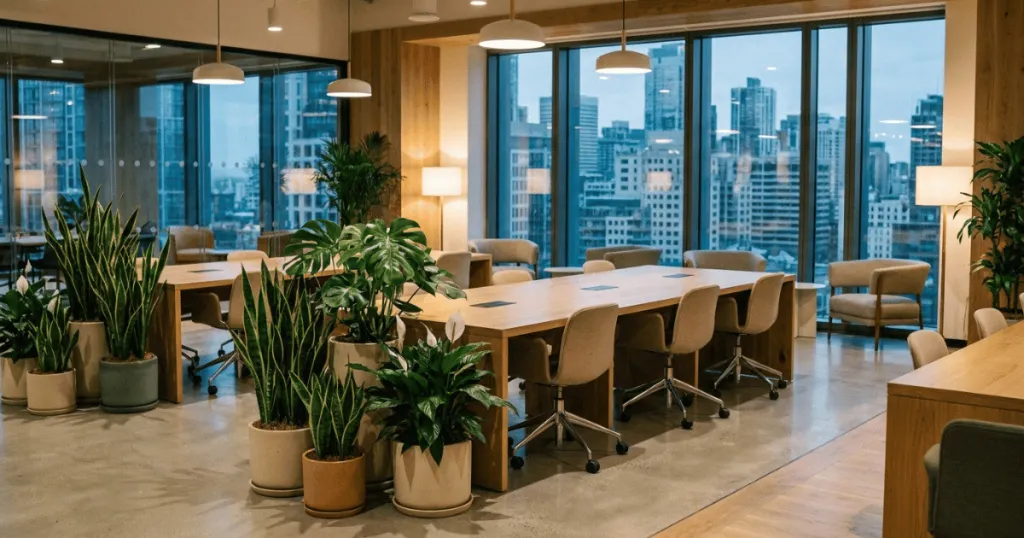
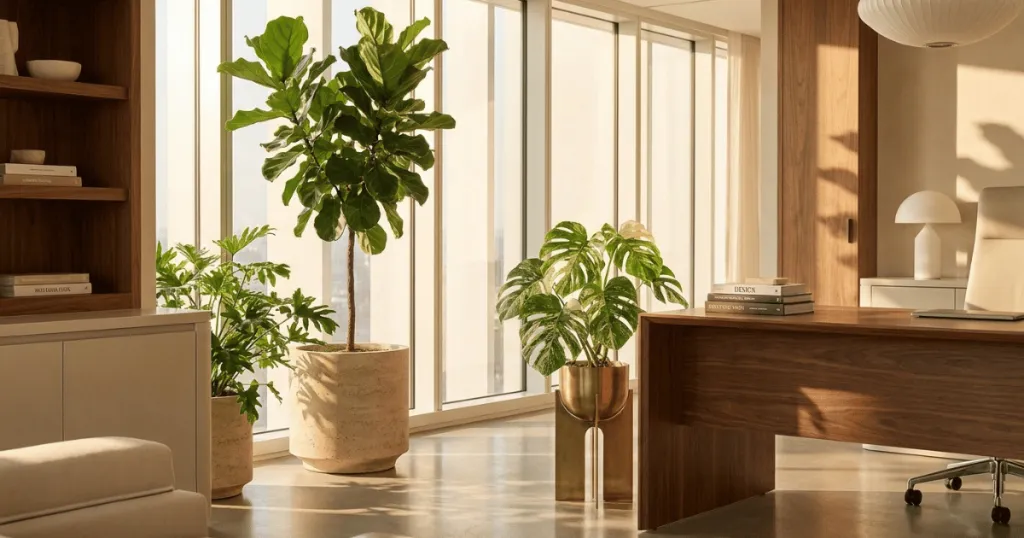
When selecting the best plant for office gift giving, consider the specific role and workspace of the recipient. For an executive with a private office, a larger, floor-standing specimen like a mature Snake Plant can act as a statement piece that requires almost zero daily management. Conversely, for an employee in a high-traffic, open-plan office, a smaller, desktop-sized plant is more appropriate. These smaller plants serve as personal accents that do not obstruct sightlines or impede collaboration between team members.
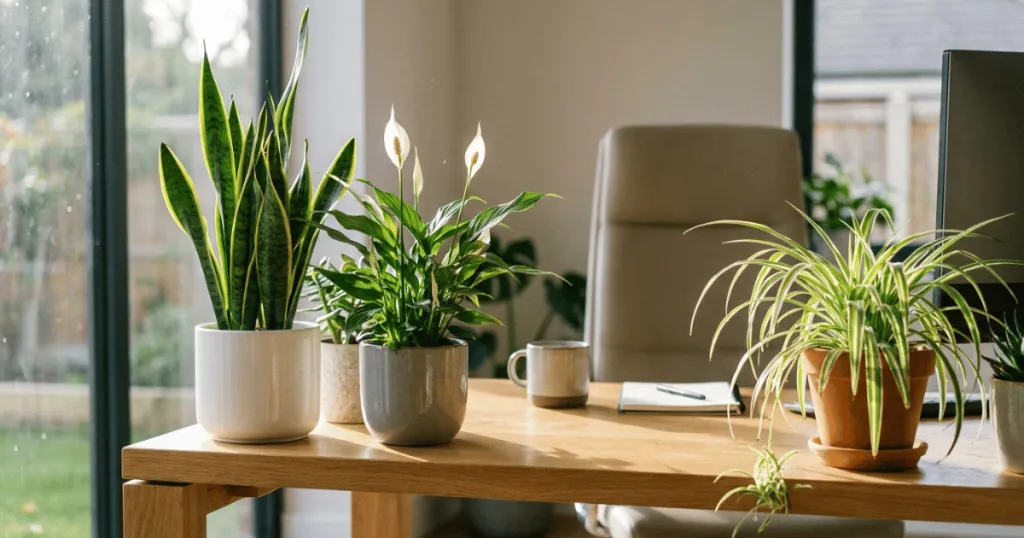
Think about the “desk real estate” factor. In modern offices, desk space is often at a premium. Choosing a plant that grows vertically, such as a Sansevieria or a compact ZZ plant, ensures the recipient does not have to choose between their monitor and their new greenery. Avoid plants that spread horizontally, as these can quickly become a nuisance in shared workspaces where documents and technology take priority.
Managing Expectations and Maintenance Cycles
One of the most important aspects of gifting a plant is setting realistic expectations regarding maintenance. Many office workers are intimidated by the prospect of plant care, fearing they will kill the gift within a week. To mitigate this, emphasize the “neglect-friendly” nature of your chosen plant. Explain that these species are adapted to survive in environments that are far from ideal, which is exactly why they are the best plant for office gift giving.
If you are purchasing for a team, consider the office culture. Is there a shared responsibility model, or is each individual expected to care for their own desk plant? If the culture is collaborative, you might choose a plant that is easy to propagate, such as the Pothos. This allows the team to share cuttings, fostering a sense of community and shared interest in the office environment. If the culture is more individualistic, stick to low-maintenance, slow-growing plants that do not require frequent pruning or repotting.
The Role of Containers and Aesthetics
The container is just as important as the plant itself. A high-quality, professional-looking pot can elevate even the most common plant into a sophisticated office accessory. When choosing a pot, prioritize functionality. Ensure it has adequate drainage holes to prevent water from pooling at the bottom, which is the primary cause of root rot in office environments. If you find a decorative pot that lacks drainage, use it as a cachepot – keep the plant in its original plastic nursery liner and place that inside the decorative container. This allows the recipient to easily remove the plant for watering, ensuring the roots never sit in stagnant water.
Consider the color and material of the pot as well. Neutral tones like matte black, white, or slate grey tend to blend seamlessly with most office furniture and decor. Avoid overly ornate or brightly colored pots that might clash with the professional aesthetic of the workspace. A clean, minimalist design is almost always the safest and most appreciated choice in a corporate or professional setting.
Troubleshooting Common Office Plant Issues
Even the most resilient plant may face challenges in an office. If you notice yellowing leaves, it is often a sign of overwatering or poor drainage. Encourage the recipient to inspect the soil and adjust their watering frequency. If the leaves are turning brown and crispy at the tips, the air may be too dry, or the plant may be too close to a heat source. Moving the plant a few feet away from a vent or radiator can often resolve this issue without the need for complex humidity-control solutions.
Remember that office plants do not need fertilizer as frequently as plants in a home garden. The goal is to maintain the plant, not to force rapid growth. A light application of a balanced, water-soluble fertilizer once or twice a year is usually sufficient. Over-fertilizing can actually lead to salt buildup in the soil, which can damage the roots and cause the plant to decline. Keep it simple: light, water, and occasional cleaning of the leaves to remove dust are all that is required for long-term success.
Guidance for Workplace Decision-Makers
When purchasing plants for a team or as a corporate gift, consider the maintenance burden. If the office does not have a dedicated plant care service, opt for plants that can go two weeks without attention. This is particularly important for offices that close down during the winter holidays or summer breaks. Providing a small, printed care card with the plant can go a long way in ensuring the gift is well-received and long-lasting.
Avoid plants that require high humidity, such as ferns or certain tropical varieties, unless the office has a dedicated humidifier. These plants will struggle in the arid air of a typical office building, leading to crispy leaves and a generally neglected appearance. Stick to succulents and foliage plants that are adapted to lower moisture levels. Finally, consider the pot. A ceramic or plastic pot with drainage holes is essential. If you choose a decorative outer pot without drainage, ensure the plant is kept in its original nursery liner so that excess water can be drained away, preventing the roots from sitting in stagnant water.
FAQ
What is the best plant for office gift giving if the office has no windows?
For windowless offices, the ZZ Plant and the Snake Plant are the best choices. Both are remarkably tolerant of low-light conditions and can survive on ambient artificial light from overhead fluorescent or LED office lighting. They are also highly resistant to the dry air common in HVAC-controlled buildings.
How often should an office plant be watered?
There is no universal schedule. Instead of a calendar-based approach, use the finger test: check the soil two inches deep. If it is dry, water the plant. If it is still moist, wait. Overwatering is the most common cause of failure in office settings, especially in low-light, climate-controlled environments.
Are there plants that are safe for offices with pets or children?
If you are concerned about toxicity, research the specific plant species before gifting. Many common office plants, such as Pothos and Snake Plants, can be harmful if ingested. If safety is a priority, look for non-toxic alternatives like certain varieties of Calathea or Parlor Palms, which are generally considered safer for curious pets.