If you manage shared workplace greenery, finding the right nutrient routine can feel confusing when growth rates slow down under fluorescent or LED lighting. Office environments present unique challenges like constant HVAC airflow, low humidity, and infrequent care schedules that change how plants absorb minerals. This guide helps office managers and workplace caretakers select the best fertilizer for office plants without risking root burn or salt buildup in confined containers.
Choosing the correct formulation is especially important for office layouts where multiple people might casually water desk specimens. This shortlist is designed for facilities teams, office managers, and dedicated green thumbs looking to nourish interior foliage safely. If you are managing outdoor commercial landscaping, agricultural crops, or unheated glasshouses with direct sunlight, you should look for professional greenhouse-grade bulk supplies rather than indoor office blends.
At a Glance
- Match fertilizer type to indoor light levels.
- Dilute liquid formulas to prevent root burn.
- Choose balanced NPK ratios for steady foliage.
Criteria for Evaluating Office Plant Nutrients
Selecting the right feeding product requires looking beyond marketing claims and focusing on how indoor office conditions alter plant metabolism. Plants placed away from windows under artificial ceiling fixtures grow much slower than specimens in greenhouses or sunny outdoor yards. Because their photosynthesis rates are lower, their metabolic demand for minerals drops significantly. A heavy commercial blend designed for outdoor vegetable gardens will quickly overwhelm an indoor desk specimen, leading to mineral salt buildup and damaged roots.
We evaluate workplace nutrient options based on formulation safety, ease of application in shared spaces, and compatibility with low-light foliage varieties. The best fertilizer for office plants must dissolve cleanly, avoid strong chemical odors that might disrupt coworkers, and offer predictable release rates. Slow-release granules, balanced water-soluble liquids, and organic extracts each serve different maintenance routines. The following curated selections outline the top choices available for corporate settings, reception areas, and private executive offices.
When evaluating these options, office managers must account for the specific watering habits of staff or custodial teams. If multiple people water the same desk plants without coordination, liquid fertilizers can quickly cause over-feeding. In contrast, controlled-release indoor plant food offers a safer safety margin by metering out macronutrients gradually over several months, preventing sudden spikes in soil chemistry.
Furthermore, consider the physical container constraints typical of modern office spaces. Most desk pots lack deep soil profiles, meaning excess mineral salts have nowhere to migrate except upward toward the surface or directly into the root zone. Evaluating a product’s salt index helps protect office vegetation from premature leaf drop and tip burn caused by concentrated synthetic chemicals. Clean dissolution and low odor remain non-negotiable features when working in enclosed conference rooms or near tightly spaced workstations.
Curated Nutrient Selections for Workplace Greenery
To help you narrow down the best fertilizer for office plants, we have divided the top options into clear categories based on formulation type and delivery method. Each choice addresses specific indoor constraints such as low light, limited watering windows, and shared-space considerations.
Balanced Liquid Concentrates
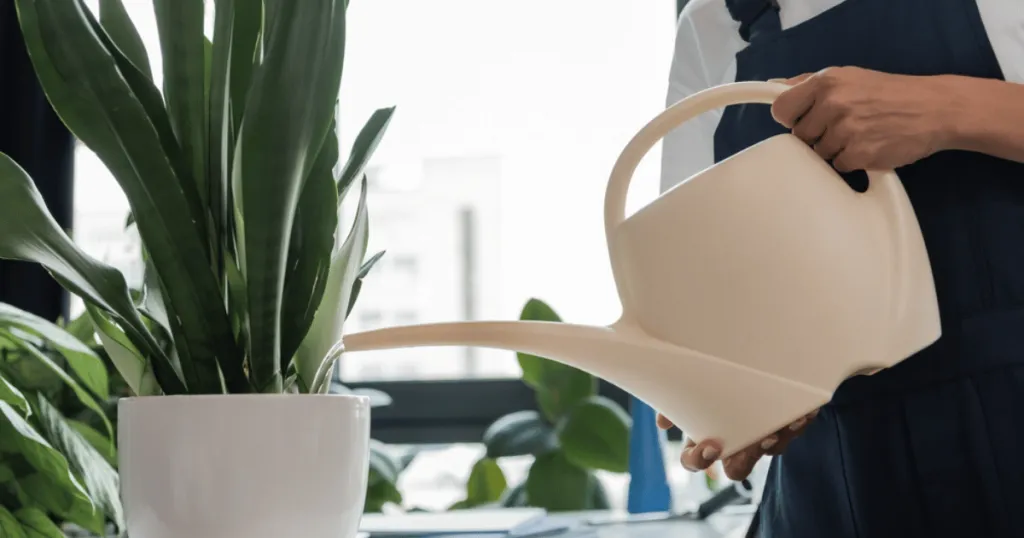
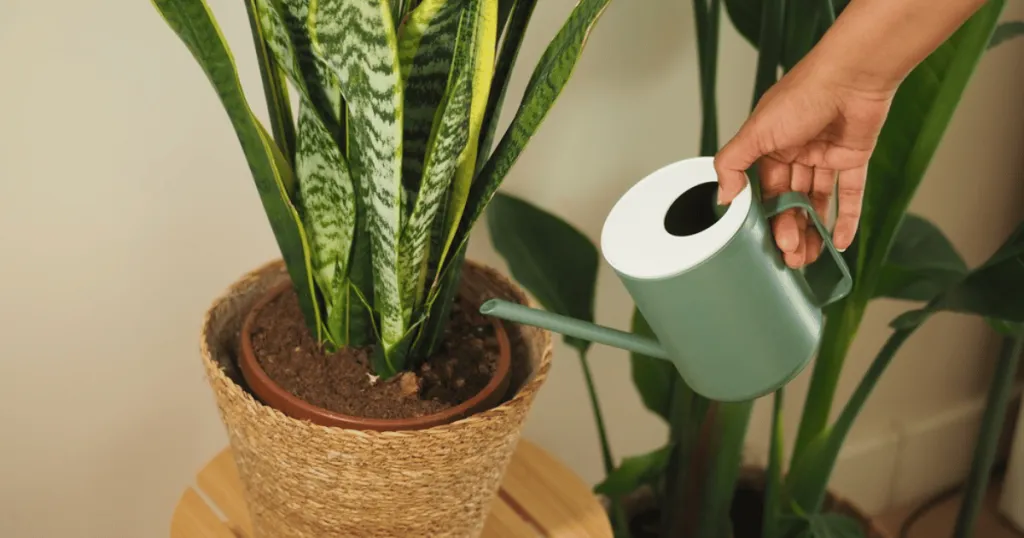
Liquid formulas offer precise control because you can adjust the concentration during every watering cycle. A balanced liquid solution provides equal parts nitrogen, phosphorus, and potassium, which supports overall cellular health in resilient species like the Snake Plant and ZZ Plant. When using liquid feeds in an office, always mix the concentrate in a separate watering can rather than pouring it directly into decorative pots. This prevents localized chemical hotspots that can scorch delicate root tips.
Liquid fertilizer for office plants works exceptionally well when diluted to half-strength or quarter-strength. Because office air is typically dry due to HVAC systems, plants transpire at different rates, making standard manufacturer dilution rates too potent. Regular application of a heavily diluted liquid feed ensures that robust foliage specimens like the Chinese Evergreen or Cast Iron Plant receive steady nourishment without experiencing osmotic shock in their potting soil nutrients.
Another advantage of liquid concentrates is immediate availability. When plants exhibit signs of nutrient deficiency during their active spring growth phase, water-soluble solutions make minerals accessible to roots almost instantly. However, this speed cuts both ways; if over-applied, liquid blends cause rapid root damage. Facilities coordinators must maintain strict logs of when liquid feedings occur to prevent well-meaning coworkers from double-dosing individual plants.
Slow-Release Nutrient Spikes and Pellets
Granular formulas and push-in spikes release minerals gradually over several months as regular watering occurs. This approach suits busy office managers who manage dozens of desk plants and cannot remember monthly feeding schedules. Slow-release products minimize the risk of over-fertilization because moisture dissolves the coating slowly. However, you must monitor container drainage carefully to prevent mineral crusts from forming on the soil surface near office HVAC vents.
Using slow-release plant food is particularly effective for large lobby installations or floor-standing containers featuring a Dracaena or Monstera. These larger plants have extensive root systems that can utilize steady, low-dose minerals far better than erratic liquid dosing schedules managed by rotating office staff. Always check that the granules are worked into the top layer of soil rather than left exposed on the surface, where they can attract pests or create uneven nutrient distribution.
The primary mechanism behind controlled-release pellets relies on temperature- and moisture-sensitive polymer coatings. In climate-controlled offices maintained at steady room temperatures year-round, these coatings degrade at a predictable rate. This consistency makes granular formats ideal for corporate environments where plant care duties are outsourced to commercial interior landscapers or handled part-time by administrative personnel.
Organic Kelp and Seaweed Extracts
Natural sea-derived extracts supply trace micronutrients and growth hormones that help indoor foliage cope with dry office air and fluctuating indoor temperatures. These gentle formulas rarely cause chemical burns, making them a forgiving choice for sensitive specimens like the Prayer Plant or Boston Fern. While they provide lower primary macronutrient percentages than synthetic blends, they excel at conditioning the root zone and supporting long-term vigor under artificial illumination.
For workspaces aiming for sustainable or eco-friendly interior maintenance standards, kelp-based foliage plant food provides an odorless, non-toxic feeding method. It supports the microbial life inside high-quality potting mixes, which helps break down organic matter and improves overall soil structure in confined desk containers that rarely get repotted.
When working with sensitive tropicals in reception areas, organic kelp solutions reduce the likelihood of leaf tip burn caused by accumulated synthetic salts. They act as gentle biostimulants rather than heavy chemical inputs, making them compatible with delicate ferns, palms, and trailing vines that struggle under harsh industrial fertilizer regimens.
Matching Fertilizers to Office Environments
The physical layout of your workspace directly influences how often you should apply nutrients. Cubicles tucked deep inside open floor plans receive minimal natural daylight, causing plants to enter a near-dormant state where nutrient uptake slows to a crawl. In these low-light zones, applying fertilizer more than twice a year often leads to unabsorbed salt accumulation in the potting mix, resulting in brown leaf tips and root stress.
Conversely, plants positioned directly next to bright south-facing windows in a corporate atrium maintain active growth cycles throughout spring and summer. These sun-exposed specimens benefit from regular monthly or bi-monthly feeding during their peak growing seasons. Always inspect the soil moisture and root health before applying any nutrient solution. Feeding a dehydrated or stressed plant will worsen damage rather than reviving it.
Understanding indoor lighting conditions is crucial for successful plant nutrition for low light environments. If your office relies entirely on fluorescent tubes or overhead LEDs, plants process nutrients at a fraction of their outdoor capacity. Adjusting your NPK ratio to favor lower nitrogen levels prevents soft, leggy stem growth that cannot support itself under artificial office lighting.
Consider also the impact of airflow and variable temperatures near glass exterior walls or server room vents. Rapid shifts in ambient temperature alter transpiration rates, causing roots to absorb water and minerals unevenly. Aligning your feeding intervals with natural building cycles – such as reducing applications when the central heating system switches on for winter – keeps indoor ecosystems stable and prevents preventable plant decline.
Limitations, Trade-Offs, and Common Feeding Mistakes
One of the most frequent errors in office plant maintenance is assuming that adding more fertilizer will cure yellowing leaves caused by low light or overwatering. Nutrients cannot replace sunlight. When light levels are inadequate, extra fertilizer simply accumulates in the soil and burns the root system. Another common oversight is feeding newly purchased plants immediately; commercial nurseries often pre-treat soil with slow-release pellets that last for months.
Understanding these trade-offs ensures your workplace greenery stays vibrant without requiring constant intervention. Keep feeding schedules conservative, dilute liquid solutions beyond standard package instructions when working with low-light shade lovers, and always flush pots with plain water periodically to wash away residual mineral salts. Proper root burn prevention starts with understanding that less is almost always more when maintaining indoor office vegetation.
Furthermore, office managers must account for seasonal shifts in building climate control. When winter heating kicks on, HVAC humidity control systems dry out the air, causing soil to dry unevenly. Applying concentrated fertilizers during these dry winter months when plants are naturally resting will severely damage root hairs. Respecting dormancy cycles protects your workplace investment and keeps office plants healthy year-round.
Another hidden pitfall is ignoring the mineral content of your building’s tap water. Hard water often contains high levels of dissolved calcium and magnesium. Adding standard fertilizers to hard water without accounting for existing mineral loads can accelerate soil crusting. Using filtered or standing water for dilution protects sensitive roots from unseen chemical buildup over extended maintenance cycles.
FAQ
How often should I use the best fertilizer for office plants?
Most office plants only require feeding every four to six weeks during active spring and summer growth, and zero fertilizer during autumn and winter when indoor light levels drop.
Can I use outdoor garden fertilizers on my office plants?
Outdoor fertilizers are usually too concentrated for indoor containers and lack the specific micronutrient balance needed for low-light foliage kept in climate-controlled offices.
What are the signs that I have over-fertilized an office plant?
White crusty mineral deposits on the soil surface, sudden leaf drop, and crisp brown leaf margins typically indicate fertilizer salt buildup and chemical root burn.
Do office plants need fertilizer if they are kept entirely under LED lights?
Yes, but in smaller amounts because artificial office lighting provides lower photosynthetic energy than direct outdoor sunlight, slowing down overall plant metabolism.