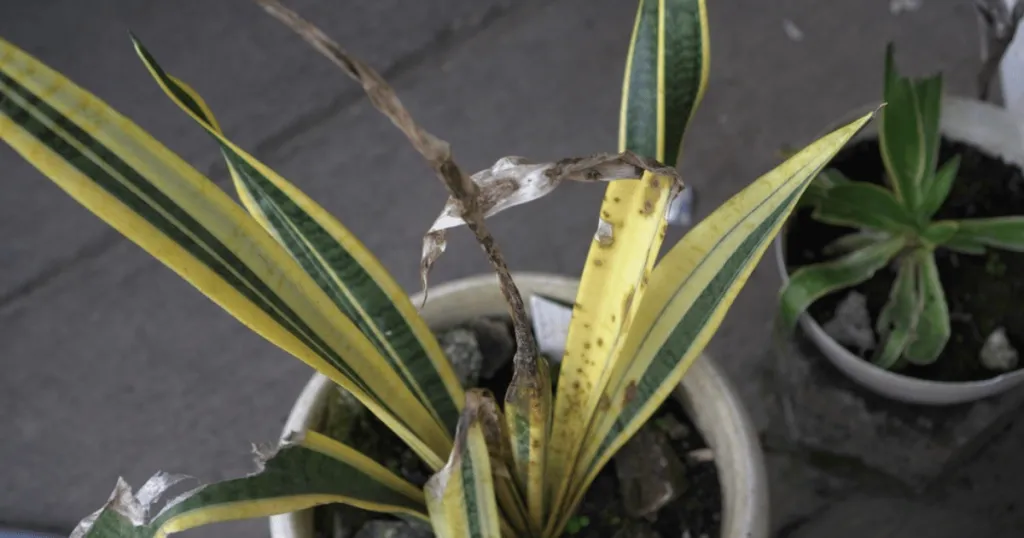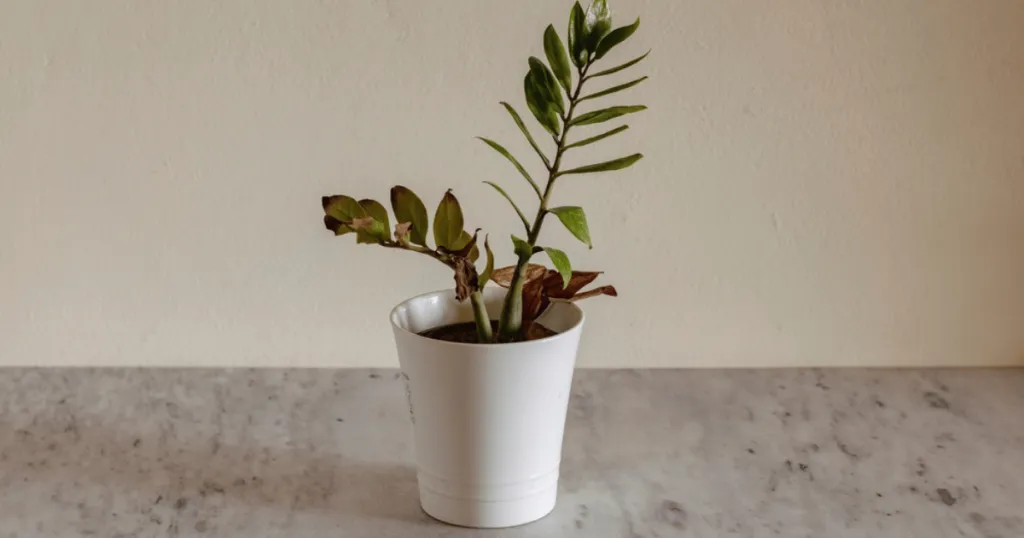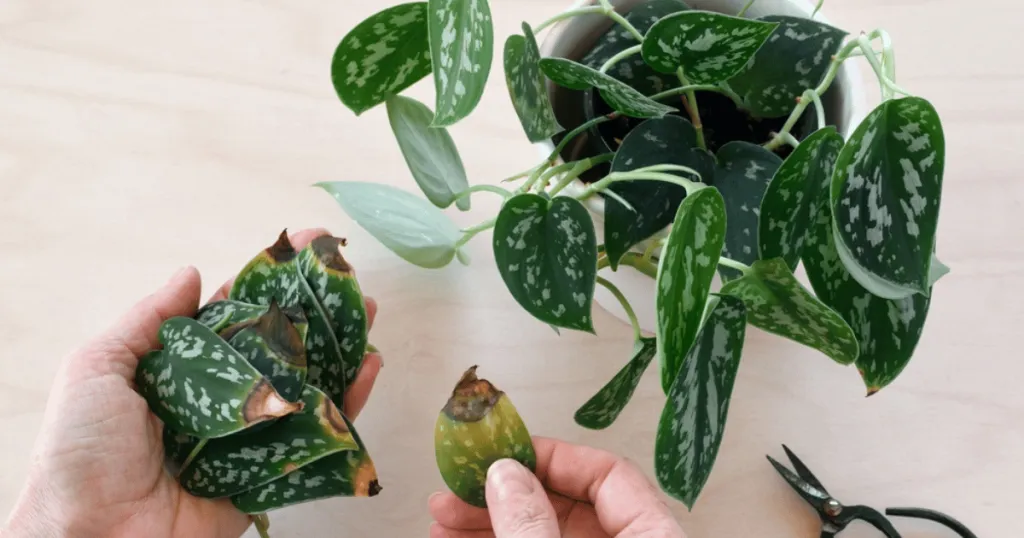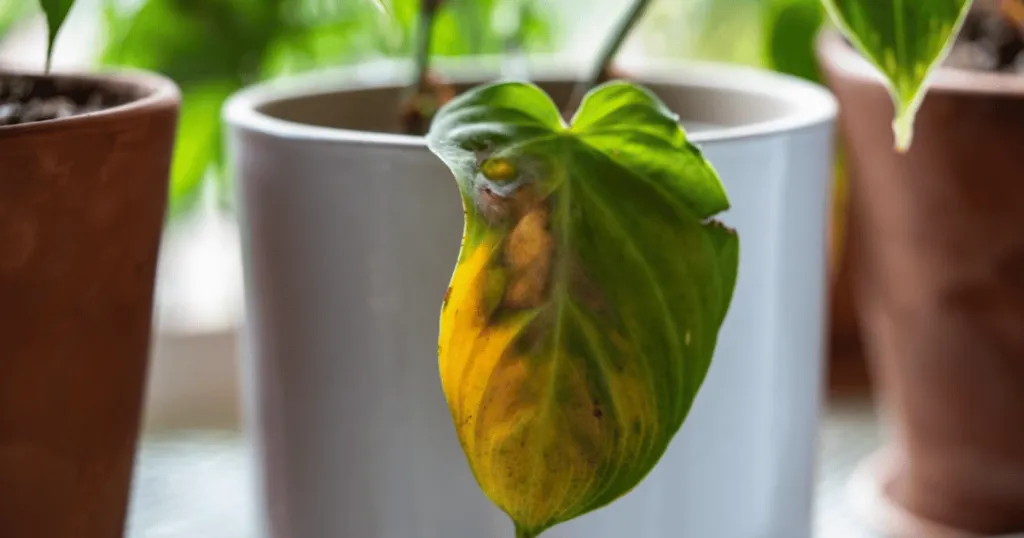
If your office English ivy is looking lackluster, start by checking the underside of the leaves and the soil moisture level. Before assuming the plant is beyond saving, look for fine webbing between the stems or leaves, which is a hallmark sign of common office pests. If the foliage is dry and brittle, the culprit is likely a combination of low humidity and inconsistent watering, which are the most frequent triggers for decline in climate-controlled workspaces.
English ivy is a resilient plant, but it reacts quickly to the artificial conditions of a modern office. When you notice wilting or discoloration, it is rarely a mystery of nature but rather a direct response to its immediate surroundings. By identifying the specific symptom, you can usually reverse the damage and restore the plant to its trailing, vibrant state without needing to replace it.
Short Answer
English ivy problems in offices usually stem from low humidity, spider mites, or improper watering. To fix these, increase local humidity, check for webbing under leaves, and ensure the soil stays consistently moist but never waterlogged. Most issues are reversible if addressed before the stems turn brown and woody.
Identifying Common Symptoms
Understanding what your plant is trying to communicate is the first step toward recovery. Because office environments often feature forced-air heating and cooling, the air is significantly drier than what this plant prefers. This leads to specific, predictable patterns of distress.
| Symptom | Likely Cause | Primary Fix |
|---|---|---|
| Webbing under leaves | Spider Mites | Wipe leaves and increase humidity |
| Yellowing leaves | Overwatering or poor drainage | Check soil moisture and drainage holes |
| Brown, crispy leaf edges | Low humidity or dry soil | Mist foliage or move away from vents |
| Stalled growth | Insufficient light | Relocate to brighter, indirect light |
| Drooping stems | Underwatering | Deep soak the root ball |
Addressing Pest Infestations
Spider mites are the most persistent English ivy problems in office settings. These tiny arachnids thrive in the dry, warm air generated by HVAC systems. They suck the sap from the foliage, causing leaves to become stippled, pale, or eventually drop entirely. If you see fine, silk-like webbing, you have an active infestation.
The Mechanical Removal Method
Before reaching for any treatment, move the plant away from other office greenery to prevent the mites from spreading. Take the plant to a sink or restroom and gently spray the foliage with lukewarm water. Focus specifically on the undersides of the leaves where mites congregate. Wiping each leaf with a soft, damp cloth can physically remove the majority of the population. Repeat this process every few days for two weeks to catch any newly hatched mites.
Managing Environmental Factors
To discourage future outbreaks, you must alter the microclimate. Spider mites despise humidity. While you cannot change the entire office humidity, you can place your ivy on a tray filled with pebbles and a small amount of water. As the water evaporates, it creates a localized humid zone around the plant. Avoid placing the ivy directly in the path of air conditioning vents or heaters, as the constant airflow accelerates moisture loss and creates the exact conditions mites prefer.
Correcting Watering and Humidity Issues
English ivy requires a delicate balance. It prefers soil that is lightly moist to the touch but detests sitting in standing water. In an office, where plants are often ignored over weekends, it is easy to overcompensate by drowning the plant on Monday morning. This leads to root rot, which manifests as yellowing leaves that eventually turn mushy.
Establishing a Consistent Routine
Instead of watering on a rigid calendar schedule, use the finger test. Insert your finger about an inch into the soil. If it feels dry, it is time to water. If it feels damp, wait another day. Ensure your container has adequate drainage holes; if the plant is in a decorative pot without drainage, the roots will likely suffocate. If you find the soil is waterlogged, remove the plant from its decorative container and allow it to drain thoroughly on a tray or paper towels before returning it to its spot.
Managing Leaf Browning
Crispy brown tips are a classic sign of low humidity. If your office is particularly dry, consider grouping your ivy with other plants. This creates a small, shared atmosphere that retains more moisture. Avoid using leaf shine products, as these can clog the pores of the plant and prevent it from breathing, which often exacerbates existing stress.
Advanced Care and Recovery
If your ivy has become leggy or sparse, it may be suffering from a lack of light. While ivy can tolerate lower light levels, it will grow thin and weak. Move it to a spot with brighter, indirect light, such as near a north-facing window or a well-lit desk area. If the plant has grown too long and spindly, do not be afraid to prune it back. Trimming the stems encourages the plant to branch out, resulting in a fuller, more robust appearance.
When to Repot
If you have addressed pests and watering but the plant still struggles, the root system may be pot-bound. If roots are circling the bottom of the pot or growing out of the drainage holes, the plant can no longer absorb nutrients efficiently. Repotting into a container one size larger with fresh, well-draining potting mix can provide the necessary space for new growth. Always use a high-quality indoor potting mix, as garden soil is too dense and will lead to compaction in office containers.
Prevention Habits for Office Success
Maintaining a healthy ivy requires proactive habits. First, inspect your plant every time you water it. A quick glance at the leaf undersides takes seconds and allows you to catch pests before they become a full-blown infestation. Second, keep the foliage clean. Dust accumulation on leaves reduces the plant’s ability to photosynthesize, which weakens its immune system and makes it more susceptible to problems.
Finally, be mindful of the plant’s toxicity. According to the ASPCA guidance on toxic and non-toxic plants, English ivy contains saponins which can cause irritation if ingested by cats or dogs. In an office with pets or curious visitors, ensure the plant is placed on a high shelf or a secure desk area where it cannot be easily reached. If you handle the plant frequently, consider washing your hands afterward, as the sap can cause skin irritation in some individuals.
Deep Dive: Managing Environmental Stress
Office environments are inherently stressful for plants like English ivy. Unlike a greenhouse or a home, an office is subject to fluctuating temperatures, weekend shutdowns of HVAC systems, and varying light levels. When troubleshooting English ivy problems, consider the “Office Microclimate.”
If your plant is positioned near a window, it may experience extreme heat during the day and cold drafts at night. This rapid temperature cycling can cause the plant to drop leaves as a defensive mechanism. To mitigate this, ensure the plant is placed in a stable location where it is shielded from direct heat sources like radiators or cold drafts from windows.
The Role of Light Quality in Ivy Health
While we often focus on the quantity of light, the quality of light matters significantly for English ivy. In many modern offices, fluorescent or LED lighting is the primary source of illumination. While this is better than total darkness, these light sources often lack the full spectrum required for optimal growth.
If your ivy is struggling despite being in a “bright” office, it may be receiving light that is too weak to sustain its metabolic needs. Using a full-spectrum LED desk lamp can provide the necessary boost to help the plant recover from environmental stress. This is a practical, low-profile solution for desk-bound plants that cannot be moved to a window.
Understanding Root Health and Soil Compaction
One of the most overlooked English ivy problems is soil compaction. Over time, the potting medium in an office plant can become dense and lose its ability to hold oxygen. When the soil is compacted, water does not distribute evenly, leading to pockets of dry soil and pockets of stagnant, waterlogged soil.
This creates a “feast or famine” scenario for the roots. If you notice that water runs straight through the pot without moistening the soil, or if the soil stays wet for more than a week, it is time to refresh the medium. Gently loosening the top layer of soil with a small tool can help improve aeration, but repotting with fresh, airy indoor potting mix is the most effective long-term remedy.
Seasonal Adjustments for Office Plants
English ivy growth cycles are influenced by the seasons, even indoors. During the winter months, when the office heating system is running constantly, the air becomes exceptionally dry. This is the peak season for spider mite activity. During these months, you should be more vigilant about misting or using a pebble tray. Conversely, in the summer, when office temperatures may be higher, the plant will require more frequent watering.
Adjusting your care routine based on the season, rather than sticking to a rigid year-round schedule, is a hallmark of successful office plant management.
Related English Ivy Guides
FAQ
Can English ivy survive in an office with no natural light?
English ivy requires at least moderate indirect light to thrive. While it may survive for a short time in low-light conditions, it will eventually become leggy and prone to English ivy problems like pest infestations. If your office lacks natural light, consider using a dedicated LED grow light to supplement its needs.
Why are the leaves on my English ivy turning yellow?
Yellowing leaves are usually a sign of overwatering or poor drainage. In an office setting, it is common to water too frequently, leading to waterlogged soil that suffocates the roots. Always check that the top inch of soil is dry before adding more water, and ensure the pot has functional drainage holes.
How do I know if my English ivy has spider mites?
Look for fine, silk-like webbing between the stems or leaves. You may also notice small, pale stippling or spots on the foliage where the mites have fed. If you see these signs, isolate the plant immediately and clean the leaves with a damp cloth to remove the pests.
Is English ivy safe to keep in a shared office space?
English ivy is generally safe for humans, but it is toxic to pets if ingested. According to the ASPCA, it contains saponins that can cause gastrointestinal distress in cats and dogs. If your office is pet-friendly, keep the plant in an elevated or inaccessible location to prevent accidental ingestion.