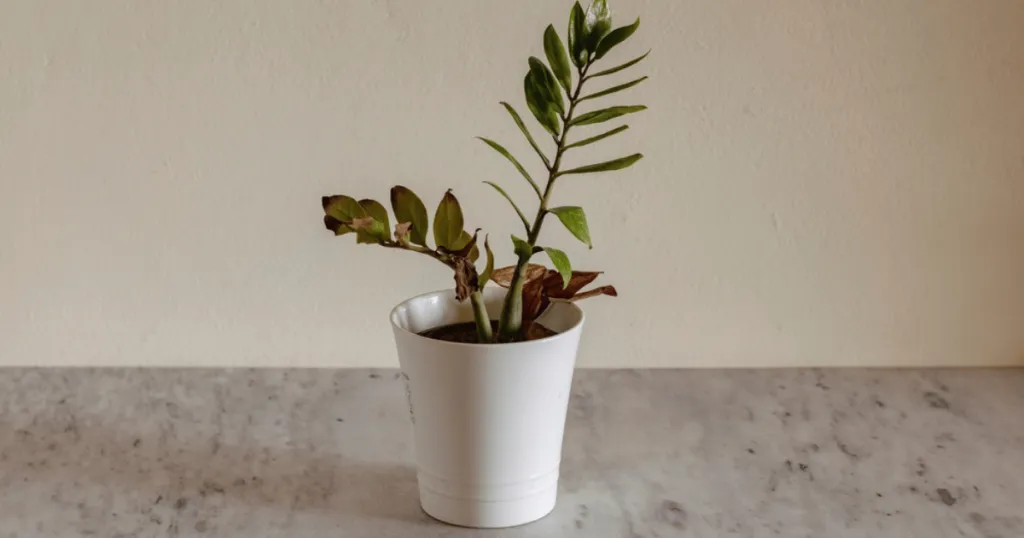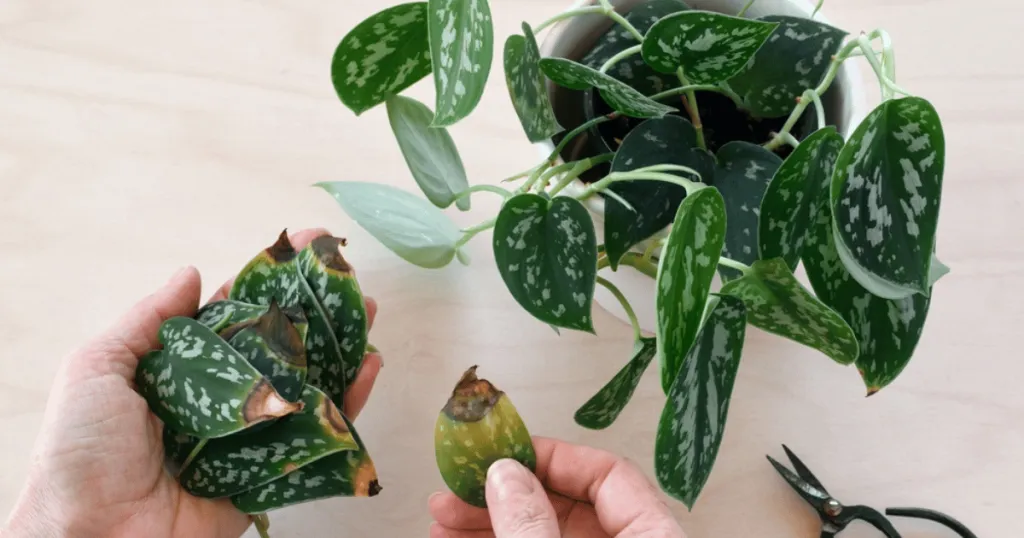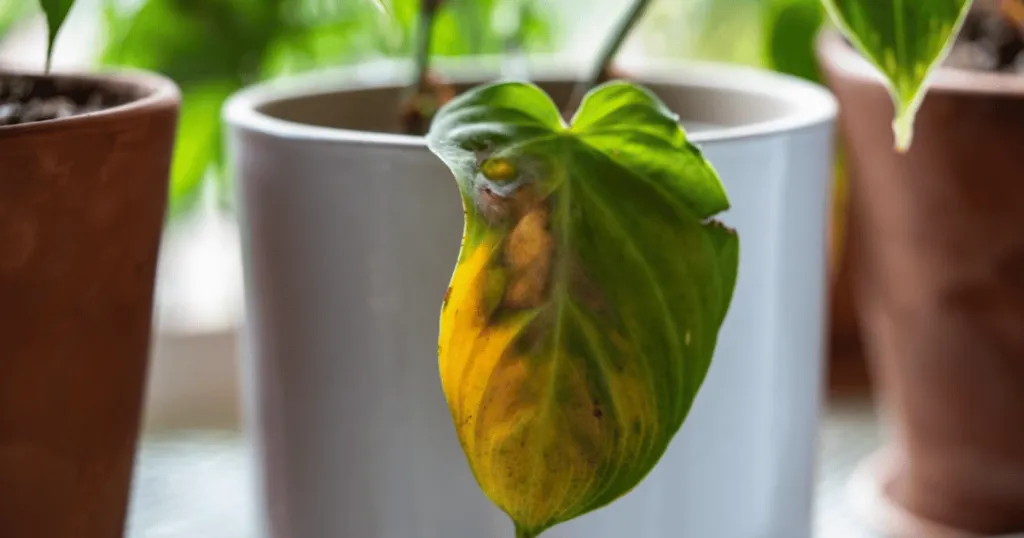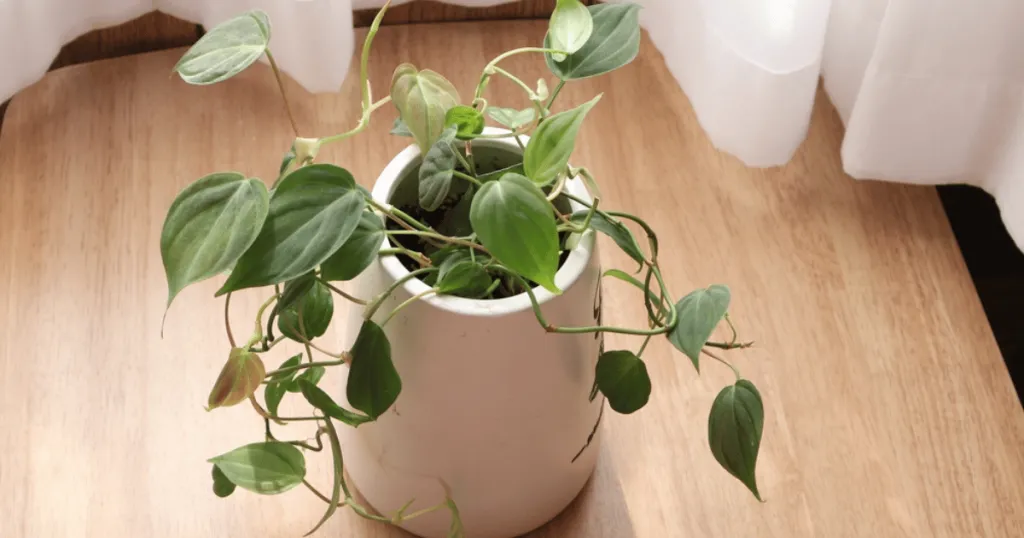
A thriving snake plant features upright, rigid leaves with sharp, distinct green variegation and zero mushy spots at the base. When something goes wrong in an office environment, that sturdy silhouette often changes rapidly into drooping yellow stalks, soft rot at the soil line, or withered tips that suggest the indoor climate has crossed a line.
Office spaces present a unique set of challenges that can exacerbate ordinary plant care errors. Between constant climate control systems, limited natural lighting, and erratic watering habits from busy staff, workplace greenery is frequently subjected to silent environmental stressors. Understanding how these factors interact with plant biology is the first step toward diagnosing and correcting any decline in health.
Short Answer
Most snake plant problems stem from overwatering rather than underwatering or low office lighting. Allowing the potting mix to dry out completely between watering sessions prevents root rot, while moderate indoor light keeps the foliage firm and upright.
Understanding Workplace Growing Conditions
Office spaces present unique environmental stressors that directly influence plant health. Heating, ventilation, and air conditioning systems create dry indoor air and drafts that accelerate moisture evaporation from container soil, yet they also cause sharp temperature drops over weekends when HVAC units power down. Furthermore, office lighting relies heavily on overhead fluorescent fixtures or LED panels, which provide adequate lumens for survival but lack the intensity of direct natural sunlight. Recognizing these factors helps isolate why symptoms appear.
In practice, the modern office ecosystem is defined by uniformity. Constant room temperatures and artificial lighting keep indoor office plants in a perpetual state of slow growth. Because metabolic rates are lower without intense natural sunlight, plants consume water and nutrients much slower than they would in a greenhouse or sunroom. When office managers apply care routines suited for fast-growing outdoor or tropical varieties, disaster strikes. Recognizing this mismatch prevents the most common cultural pitfalls.
Symptom Diagnosis Guide
Troubleshooting plant stress requires matching visible signs to their exact underlying environmental cause. Below is a detailed breakdown of common physical symptoms, what they reveal about your office care routine, and the corrective action required to restore plant health.
| Visual Symptom | Primary Cause | Immediate Corrective Action |
|---|---|---|
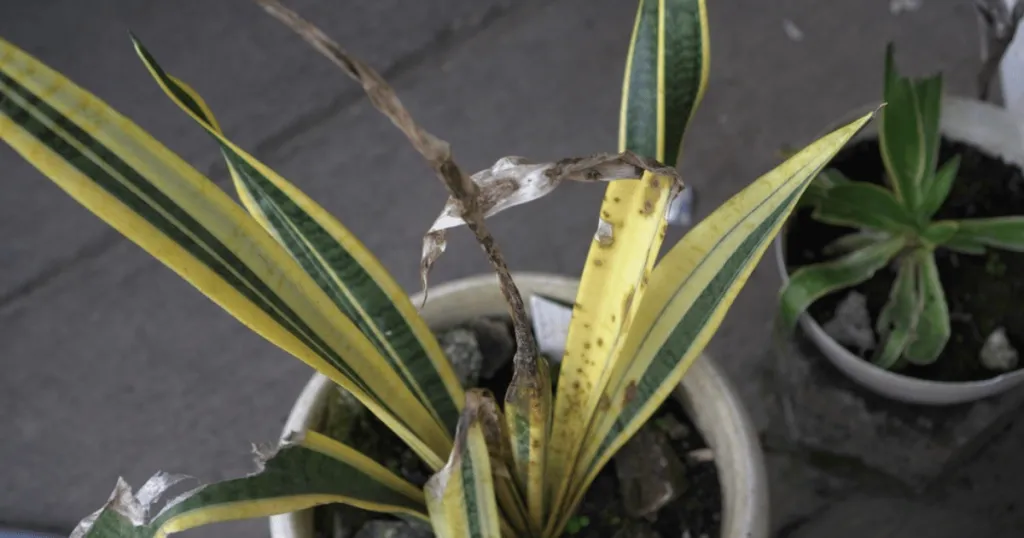
| Yellow, mushy leaves near soil | Overwatering or poor drainage | Cease watering immediately and inspect roots for rot. |
| Leaning or floppy stalks | Excessive moisture combined with low light | Relocate closer to a light source and dry out the soil. |
| Brown, crispy leaf tips | Underwatering or mineral buildup | Flush soil thoroughly or switch to filtered water. |
| Stalled growth | Extremely dark corner or rootbound container | Move to brighter spot or step up pot size slightly. |
Fixing Root Rot and Excess Moisture
Moisture control stands as the single most critical factor in indoor plant maintenance. Because these species store water in their thick leaves and rhizomes, they function similarly to desert succulents. Excess water trapped in heavy potting soil suffocates the root system, paving the way for fungal pathogens.
Identifying Waterlogged Soil
When the base of a stem turns translucent, yellow, or soft to the touch, you are dealing with advanced moisture retention. Office managers often fall into the trap of giving plants a small splash of water every single week, which keeps the upper soil damp continuously. Instead, lift the nursery pot to test its weight or press a wooden moisture meter deep into the root zone.
A frequent mistake in shared workspaces is multiple well-meaning employees watering the exact same container independently. If one person waters on Monday and another on Thursday, the soil never gets a chance to dry out. Establishing a clear care schedule or placing a discreet sign on the container helps prevent this common workplace hazard.
Executing Root Salvage Operations
If rot has already set in, gentle intervention is necessary. Unpot the specimen and inspect the root ball. Healthy roots appear firm and white or light orange, whereas rotting roots look brown, black, and stringy. Use clean shears to trim away all decayed tissue. Replant the remaining healthy segments in fresh, fast-draining cactus mix containing perlite and coarse sand.
When dealing with severe root loss, you may need to prop up the remaining healthy leaves with stakes until they re-establish a robust root system. Remember that recovering specimens require even less water than healthy ones because they have fewer roots left to absorb moisture.
Addressing Light Deficit and Structural Leaning
While these resilient plants tolerate dim interior cubicles, prolonged exposure to dark corners triggers etiolation and structural weakness. Leaves stretch awkwardly toward distant windows or overhead bulbs, eventually losing the turgor pressure needed to stand upright.
Optimizing Workspace Placement
Relocating a drooping specimen closer to a south-facing or east-facing window makes a dramatic difference over several weeks. If natural light is absent in your specific office layout, position the container directly under a balanced white LED desk lamp for standard working hours to supplement illumination.
It is important to transition plants gradually when moving them from a dark interior corner to a bright window. Sudden exposure to intense, direct outdoor sunlight can scorch foliage that has adapted to dim conditions over many months.
Staking and Mechanical Support
Once a heavy leaf leans past a certain angle, it rarely straightens on its own even after lighting improves. Use discreet green plant stakes and soft twine to support heavy or leaning stalks while new vertical growth develops under better conditions.
Mechanical support is purely cosmetic and structural; it does not solve the root cause of the lean. Always pair staking with an adjustment to lighting and watering habits to ensure future growth remains robust and self-supporting.
Managing Pest Pressures and Foliage Debris
Indoor workspaces are not entirely immune to insect pests, particularly mealybugs and spider mites that thrive in warm, dry office air. Dust accumulation on broad upright leaves also blocks microscopic pores, reducing photosynthetic efficiency.
Cleaning Dust from Foliage
Wipe down each leaf surface monthly using a damp microfiber cloth. This simple maintenance task removes particulate buildup from office cleaning products and HVAC vents, instantly restoring the glossy finish of the foliage.
Clean leaves do not just look better; they also allow the plant to maximize whatever limited light is available in an interior office setting. Dust acts like a physical filter, blocking lumens from reaching the cellular layers responsible for photosynthesis.
Treating Minor Pest Infestations
If you spot white cottony clusters in the leaf joints, dip a cotton swab in rubbing alcohol and dab it directly onto the pests. For broader issues, spray the foliage with insecticidal soap according to label instructions, ensuring you treat the plant away from shared desk spaces until dry.
Isolation is key when managing pests in an office. Move an affected plant to an empty breakroom or utility area during treatment to prevent insects from migrating to nearby desk greenery.
Establishing Long-Term Prevention Habits
Preventing recurrent stress relies on consistent observation and disciplined care routines that adapt to seasonal changes in the office environment.
Adopting a Strict Moisture Rule
Adopt a calendar check rather than a rigid weekly schedule. Insert your finger two inches deep into the potting mix. If any moisture remains, withhold water for another week. During winter months when indoor temperatures drop and daylight hours shrink, extend watering intervals significantly.
Understanding horticultural care means recognizing that plants do not live on a clock; they live on environmental conditions. When office heating systems kick on in the autumn, soil may dry out slightly faster, but reduced daylight means metabolic demand drops. Always check soil moisture rather than relying on automated reminders.
Choosing Proper Containers
Ensure every decorative planter features a functional drainage hole at the base. Excess water must escape freely into a saucer rather than pooling at the bottom of the root zone. Terracotta pots work exceptionally well in office environments because porous clay walls allow excess moisture to evaporate safely through the sides.
If your office design requires using a non-porous cachepot without drainage holes, place the plant in a plastic nursery pot first, then set that pot inside the decorative container. You can easily lift the inner pot out to water it in the sink and let it drain completely before returning it to the display area.
Understanding Plant Safety
When placing greenery in communal office areas, keep in mind that saponins present in the foliage make the plant mildly toxic if ingested by cats or dogs, according to veterinary guidance from resources like the ASPCA. While office environments rarely present severe risks to wandering pets, placing containers on elevated reception desks or conference tables prevents accidental chewing by visiting animals.
Facility managers should note this toxicity when planning interior landscaping for pet-friendly workplaces or corporate offices that permit employees to bring dogs to work on designated days.
When to Seek Professional Plant Care Support
Most common issues resolve once you adjust watering and light levels. However, if an entire multi-stem specimen collapses from total crown rot or fails to produce any new growth across an entire year despite optimal care, replacing the specimen is often the most practical administrative choice. Commercial interior landscaping services can also audit office lighting levels and establish automated watering protocols if you manage a large corporate facility.
Investing in professional maintenance makes sense when greenery spans multiple floors or reception areas where uniform aesthetic standards must be maintained. For single offices or individual desks, however, mastering basic preventative maintenance is straightforward and cost-effective.
Related Snake Plant Guides
FAQ
Why are the tips of my office plant turning brown and crispy?
Brown tips usually indicate low humidity from constant HVAC use, inconsistent watering schedules, or fluoride and salt buildup from tap water. Letting the soil dry completely between thorough waterings and switching to filtered water typically resolves the issue.
Can I save a plant if the base of the stem has turned completely mushy?
Yes, if at least one upper section of the leaf or rhizome remains firm. Cut away all rotting, blackened tissue using sterile shears, let the remaining healthy cutting dry for twenty-four hours, and replant it in fresh, well-draining soil.
How often should office plants be watered during long holiday closures?
Because these specimens tolerate extended drought conditions exceptionally well, they easily survive multi-week holiday closures without requiring any special attention. Always water them thoroughly before a long break only if the soil is completely dry.
Is it normal for lower leaves to turn yellow and die off naturally?
Yes, older lower leaves occasionally yellow and wither as part of the normal growth cycle. However, if multiple leaves turn yellow simultaneously alongside soft stems, overwatering is the culprit rather than natural aging.