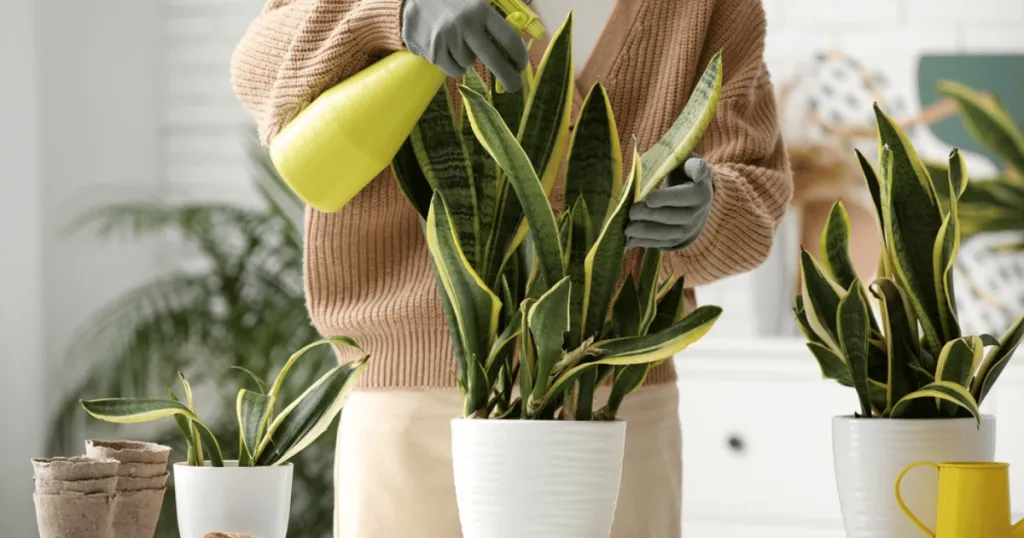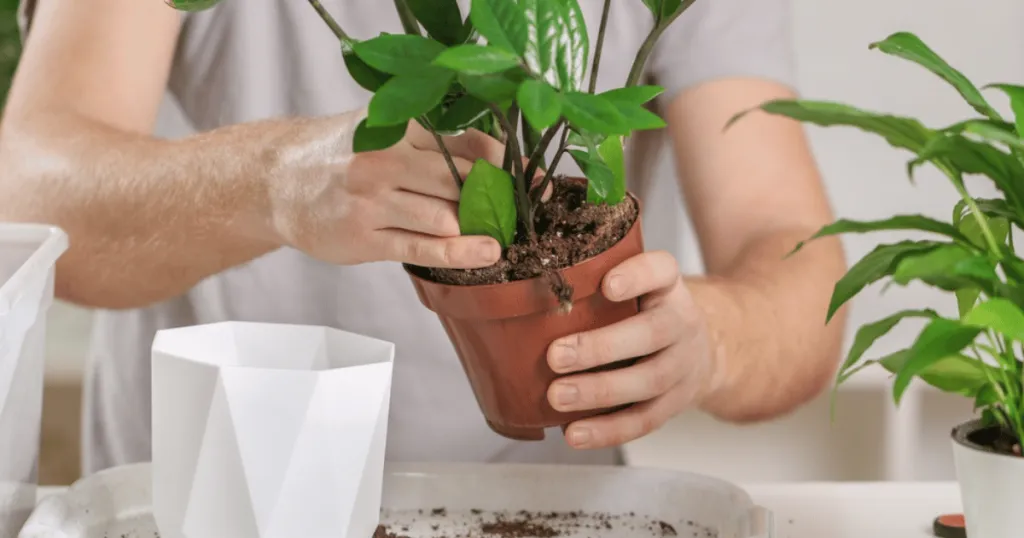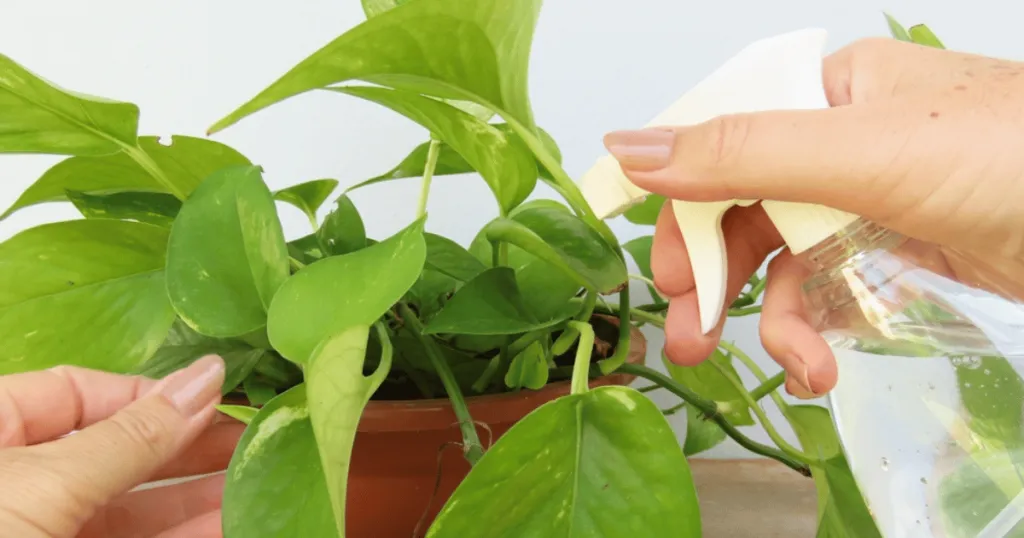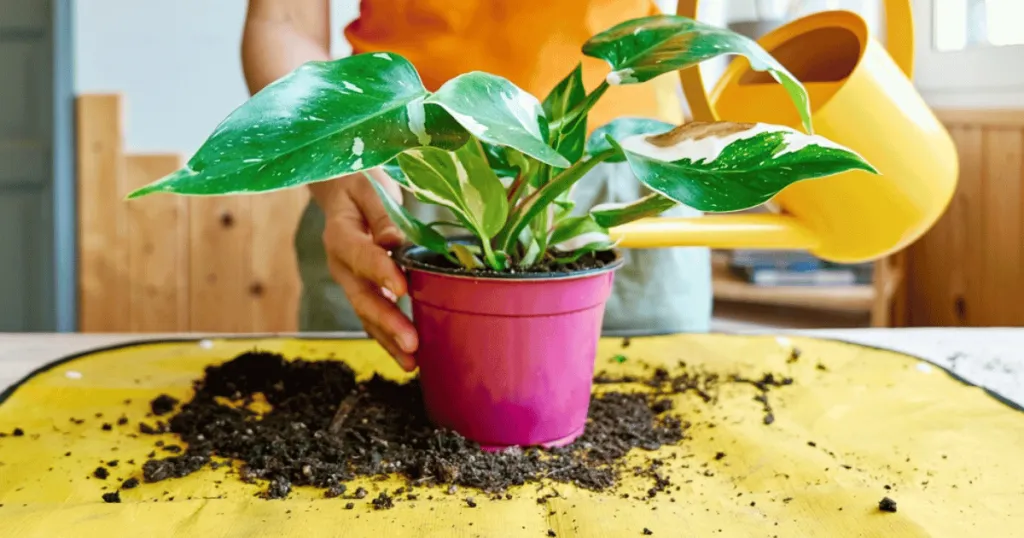
The single most important factor for successful calathea care in an office setting is water quality. While many office plants tolerate standard tap water, Calatheas are notoriously sensitive to the chlorine, fluoride, and dissolved minerals often found in municipal water supplies. These substances accumulate in the soil over time, leading to scorched leaf tips and yellowing foliage that can make an otherwise healthy plant look neglected. If you want to keep these plants looking their best in a reception area or at a workstation, prioritizing filtered or distilled water is the baseline requirement for stability.
Beyond water quality, these plants require a consistent environment that mimics their native tropical understory habitat. In an office, this means balancing the dry, recycled air from HVAC systems with the specific light requirements of the genus. While they are often labeled as low-light plants, they actually prefer bright, indirect light to maintain their vibrant leaf patterns. Finding this balance is the difference between a plant that thrives and one that struggles to push out new growth.
What You Need to Know
Light and Placement Strategies
Calatheas thrive in medium to bright indirect light. In an office, the best location is usually a few feet away from a north or east-facing window. If your office relies primarily on fluorescent or LED overhead lighting, ensure the plant is close enough to receive adequate intensity, but avoid placing it directly under a harsh light fixture that could cause leaf bleaching or excessive heat stress.
Direct sunlight is the primary enemy of healthy foliage. Even a few hours of direct afternoon sun can cause the delicate, patterned leaves to fade, curl, or develop unsightly brown patches. If your workspace has large south or west-facing windows, use sheer curtains or blinds to diffuse the light. When assessing your office layout, look for spots that offer consistent, soft illumination throughout the workday rather than areas that experience dramatic shifts in light intensity.
If you notice the leaves are losing their variegation or the plant is leaning significantly toward a light source, it is likely not receiving enough energy. Conversely, if the leaves appear washed out or show signs of scorching, move the plant to a more shaded position. Remember that light intensity changes with the seasons, so be prepared to shift your plant a few feet closer to or further from a window as the sun angle changes throughout the year. For office managers, this means documenting plant placement in seasonal floor plans to ensure long-term plant health.
Watering and Soil Management
Watering is the most technical aspect of calathea care. The goal is to keep the potting medium evenly moist, which means it should feel like a wrung-out sponge to the touch. Never let the soil dry out completely, as this leads to rapid wilting and leaf drop. However, you must also avoid keeping the soil saturated, as constant sogginess will lead to root rot, which is often fatal for these plants.
To manage this in an office, check the top inch of soil before adding more water. If it feels dry, it is time to hydrate. Use room-temperature, filtered, or distilled water to prevent the chemical buildup mentioned earlier. Cold water can shock the root system, so keep a watering can at your desk to allow the water to reach ambient room temperature before use. This simple habit prevents the thermal shock that often occurs when using cold tap water directly from a breakroom sink.
Soil composition plays a critical role in moisture retention and drainage. A high-quality indoor potting mix amended with perlite or orchid bark is ideal. This combination ensures that excess water drains away quickly while the organic matter holds just enough moisture to keep the roots hydrated. Avoid heavy, dense garden soils that compact easily, as these will suffocate the roots and make it nearly impossible to maintain the correct moisture balance. When selecting a potting mix, look for ingredients like coco coir, which provides excellent structure for these tropical office plants.
Humidity and Environmental Stability
Calatheas are native to humid rainforests and struggle in the dry air common to modern office buildings. When humidity levels drop below 50 percent, the edges of the leaves often turn brown and crispy. To combat this, consider placing your plant on a pebble tray filled with water, which increases local humidity as the water evaporates. Alternatively, grouping plants together can create a microclimate that helps retain moisture around the foliage, effectively buffering the plant against the drying effects of office HVAC systems.
Temperature stability is equally important. Keep your plant away from direct drafts caused by air conditioning vents, heating registers, or frequently opened doors. These plants prefer a stable temperature range between 65 and 80 degrees Fahrenheit. Sudden temperature fluctuations can cause the plant to go into shock, leading to drooping or leaf curling. If your office temperature drops significantly over the weekend, ensure the plant is in a location that stays relatively insulated from those extremes.
Feeding should be approached with caution. Calatheas are light feeders and are sensitive to fertilizer burn. Use a balanced, water-soluble fertilizer diluted to half or even quarter strength during the active growing season, which typically spans from spring through early autumn. Do not fertilize during the winter months when growth naturally slows down. Excess fertilizer salts can accumulate in the soil, so flush the pot with plain, filtered water every few months to remove any residue. This practice is essential for maintaining long-term soil health in container-grown specimens.
Repotting, Pruning, and Propagation
You will typically only need to repot your calathea every 18 to 24 months. These plants do not mind being slightly root-bound, so wait until you see roots growing out of the drainage holes or the plant stops producing new growth during the spring. When repotting, choose a container that is only one to two inches larger in diameter than the current pot to avoid excess soil that stays wet for too long. Using a pot with adequate drainage holes is non-negotiable for preventing the stagnant water conditions that lead to root rot.
Pruning is primarily a maintenance task for aesthetics and plant health. Use clean, sharp scissors to snip off any yellowing or brown leaves at the base of the stem. This keeps the plant looking tidy and allows it to redirect energy toward healthy, new growth. Always sanitize your tools with rubbing alcohol between cuts if you are working on multiple plants to prevent the spread of potential pathogens. This is a critical step in professional plant maintenance, especially in high-traffic areas like reception desks.
Propagation is best achieved through division during the repotting process. Carefully remove the plant from its pot and gently tease the root ball apart, ensuring each section has a healthy portion of roots and several leaves. Pot these divisions into individual containers with fresh, well-draining soil. Keep the newly divided plants in a high-humidity environment for the first few weeks to help them establish their root systems before moving them back to their permanent office location. This method allows you to expand your greenery without the need for purchasing new specimens.
Seasonal Adjustments and Common Mistakes
Office environments are often climate-controlled year-round, but your calathea will still respond to the shifting light levels of the seasons. During the winter, when the sun is lower and days are shorter, you may need to move your plant closer to a window to ensure it gets enough light. Conversely, monitor the soil moisture closely in winter, as lower light levels mean the plant will use water more slowly, increasing the risk of overwatering. Adjusting your watering schedule based on the season is a hallmark of advanced plant care.
The most common mistake is overwatering, often driven by the assumption that a wilting plant needs more water. If your plant is drooping, check the soil first. If the soil is wet, the roots may already be struggling with rot. Another frequent error is using tap water directly from the sink. If you cannot use filtered water, let tap water sit in an open container for 24 hours to allow some chlorine to dissipate, though this will not remove minerals or fluoride. Understanding these nuances is vital for anyone responsible for the maintenance of office greenery.
Healthy growth is characterized by vibrant, patterned leaves that move throughout the day, a phenomenon known as nyctinasty where the leaves fold up at night. If your plant stays flat or shows signs of curling during the day, it is likely a signal that the humidity is too low or the plant is experiencing water stress. Consistent, small adjustments based on these visual cues will help you maintain a healthy specimen in your workspace. By observing the plant’s daily movements, you can proactively address environmental stressors before they manifest as permanent leaf damage.
Strategic Planning for Office Integration
Integrating Calatheas into a professional workspace requires more than just placement; it requires a commitment to a specific care regimen. Because these plants are sensitive to their environment, they serve as excellent indicators of the overall office climate. If your Calathea is struggling, it is often a sign that the ambient conditions – such as low humidity or poor water quality – are also suboptimal for human comfort. Using these plants as a benchmark can help office managers identify areas where environmental improvements might benefit both the plants and the staff.
When planning for large-scale office plant installations, consider the labor requirements of Calatheas. Unlike hardier plants like Sansevieria or Pothos, Calatheas require dedicated attention. If your facility management team has limited time for plant maintenance, consider placing Calatheas in high-visibility, low-traffic areas where they can be monitored closely. Avoid placing them in areas where they might be subjected to accidental damage, such as near busy walkways or high-traffic breakroom doors. By thoughtfully selecting their location, you can minimize the risk of physical stress and ensure the plant remains a focal point of your office decor.
Finally, remember that the goal of office plant care is to create a restorative environment. While Calatheas are higher maintenance than many other species, their unique foliage and movement provide a level of visual interest that is difficult to replicate with other plants. By mastering the basics of water quality, light, and humidity, you can successfully incorporate these stunning tropical plants into your office, turning a standard workspace into a more vibrant and engaging environment for everyone.
Related Calathea Guides
- what the Calathea is like as an office plant
- troubleshooting a Calathea
FAQ
Why are the edges of my calathea leaves turning brown?
Brown, crispy leaf edges are usually a sign of low humidity or mineral buildup from tap water. In an office, try placing the plant on a pebble tray with water to increase local humidity and switch to using distilled or filtered water to avoid salt accumulation in the soil.
Are calathea plants toxic to office pets?
According to the ASPCA, calathea species are non-toxic to cats and dogs. This makes them a safe choice for offices that allow pets or for employees who are concerned about the safety of their animals at home should they bring a cutting or plant back.
How often should I fertilize my calathea?
Fertilize sparingly during the growing season, which is typically spring and summer. Use a balanced, water-soluble fertilizer diluted to half or quarter strength once a month. Do not fertilize in the winter, as the plant enters a period of dormancy and does not require the extra nutrients.
Can calathea survive in an office with no windows?
While they can survive under artificial light, they require consistent, high-quality light to thrive. If your office has no windows, you will likely need to supplement with a dedicated LED grow light placed close to the plant to ensure it receives the necessary intensity for healthy growth.