Maintaining a healthy prayer plant in a professional office involves managing a few specific environmental needs against the typical constraints of modern workspaces. These plants, known for their distinct foliage that folds upward at night, thrive best when provided with consistent, medium indirect light and soil that remains lightly moist without becoming waterlogged. Because office buildings often feature dry, climate-controlled air, your primary focus should be on stabilizing humidity levels rather than just following a rigid watering schedule.
Key Takeaway
Consistent moisture and elevated humidity are the foundations of successful prayer plant care in an office setting.
- Provide medium indirect light, avoiding harsh direct sun exposure.
- Keep soil evenly moist, never allowing it to dry out completely.
- Maintain high ambient humidity to prevent leaf tip browning.
- The plant is non-toxic to cats and dogs per ASPCA guidance.
Light and Placement in the Office
Prayer plants are native to the forest floor, meaning they are adapted to filtered, dappled light rather than the intense, direct sun found on a south-facing windowsill. In an office, this translates to placing your plant in a spot that receives bright, indirect light. If your desk is near a window, ensure the plant is shielded by a sheer curtain or positioned far enough back that the sun never hits the leaves directly. Direct sunlight can bleach the vibrant patterns on the foliage and cause the edges to crisp and burn.
If your office relies primarily on artificial lighting, prayer plants can adapt to fluorescent or LED office lighting, provided the light source is relatively close. A plant placed in a dark corner or under a dim desk lamp will likely struggle, showing signs of stunted growth or faded leaf color. If you notice the stems becoming leggy or stretching toward the nearest light source, it is a clear signal that the plant needs to be moved closer to a window or a more consistent light source. Rotating the pot every few weeks ensures that the plant grows evenly rather than leaning heavily in one direction.
Understanding the light requirements for Maranta involves recognizing that they are not true low-light plants, despite common misconceptions. While they can tolerate lower light levels better than many other tropicals, they perform best when they receive enough photons to maintain their complex leaf variegation. In an office, if you are relying on overhead lighting, ensure the plant is not obstructed by cubicle walls or filing cabinets. If the office is consistently dim, consider using a full-spectrum LED bulb in a nearby desk lamp to supplement the plant’s needs. This is a practical form of indoor plant care that bridges the gap between natural light availability and the plant’s biological needs.
Watering and Soil Management
The most common mistake in prayer plant care is allowing the soil to dry out too much or, conversely, letting the plant sit in standing water. These plants prefer soil that stays consistently moist to the touch. In an office environment, where HVAC systems often circulate dry air, the soil surface may feel dry even when the roots are still adequately hydrated. Always check the top inch of soil with your finger before adding more water. If it feels dry, it is time to water.
When watering, aim to saturate the soil until water begins to drain from the bottom of the pot. Never leave the plant sitting in a saucer full of water for more than a few minutes, as this leads to root rot, a condition that is difficult to reverse once it takes hold. Using room-temperature water is preferable to cold tap water, which can shock the plant roots. If your office tap water is heavily chlorinated or contains high mineral content, consider using filtered water to prevent salt buildup in the soil, which can manifest as brown, crispy leaf tips.
Regarding soil composition, a well-draining soil is essential. A standard peat-based indoor potting mix amended with perlite or orchid bark provides the necessary aeration. This structure allows water to pass through the root zone without suffocating the roots. Avoid heavy, garden-variety soils, as these retain too much moisture and lack the necessary drainage for a container-grown Maranta. For office managers, choosing the right potting mix is a one-time investment that significantly reduces the frequency of maintenance issues like root rot.
Humidity, Temperature, and Feeding
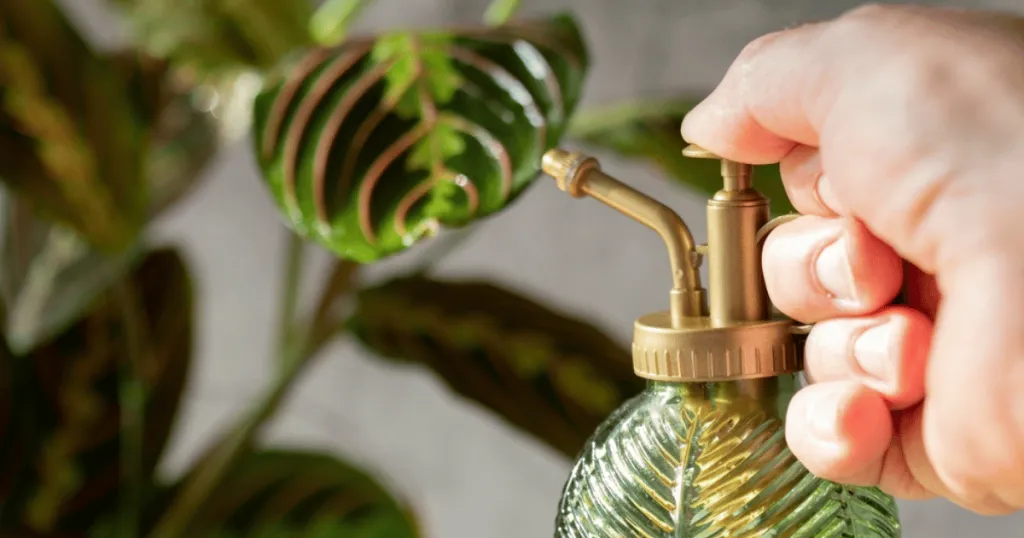
Prayer plants are tropical species that demand higher humidity than the typical office environment provides. When the air is too dry, you will likely see the edges of the leaves turn brown and brittle. To combat this, you can place the plant on a tray filled with pebbles and a small amount of water, ensuring the bottom of the pot sits above the water line. This creates a localized microclimate of higher humidity around the foliage.
Temperature stability is equally important. Keep your plant away from direct drafts caused by air conditioning vents or heating ducts. These plants prefer temperatures between 65 and 80 degrees Fahrenheit. A location that experiences extreme temperature fluctuations will stress the plant, often leading to yellowing leaves or a general decline in vigor. During the active growing season, which generally spans spring through early autumn, you can apply a balanced, water-soluble fertilizer diluted to half-strength once a month. Avoid fertilizing during the winter months when the plant enters a period of slower growth.
In an office, plant humidity is often the most challenging variable to control. Because HVAC systems are designed to remove moisture, the ambient humidity can drop significantly, especially in winter. Beyond pebble trays, grouping plants together can help create a shared microclimate. This is a practical strategy for office managers who maintain multiple plants in a reception area or conference room. By clustering plants, you increase the local humidity through transpiration, which benefits all the plants in the group.
Repotting, Pruning, and Propagation
Repotting is typically only necessary every two years or when you notice the roots circling the bottom of the pot. When you do repot, choose a container that is only one or two inches larger in diameter than the current one. A pot that is too large will hold excess moisture, increasing the risk of root rot. Always ensure the new pot has adequate drainage holes.
Pruning is a simple way to maintain the shape of your plant and encourage bushier growth. If you notice yellow or damaged leaves, snip them off at the base of the stem using clean, sharp scissors. This directs the plant energy toward healthy new growth. If you want to propagate your prayer plant, the easiest method is division during repotting. Carefully separate the root ball into two or more sections, ensuring each section has a healthy set of leaves and roots, and pot them into their own containers. This is an excellent way to expand your office greenery without purchasing new plants.
When performing plant propagation, ensure the office environment is stable. Newly divided plants are more sensitive to environmental stress. Keep them in a slightly more sheltered location for a few weeks until they establish themselves in their new pots. This is a standard part of office plant maintenance that ensures long-term success with your collection.
Seasonal Adjustments and Common Mistakes
Your care routine should shift slightly with the seasons. During the winter, when light levels drop and the office heating system runs more frequently, the plant will require less water and may be more sensitive to dry air. Monitor the soil closely, as it may take longer to dry out. The most frequent error in prayer plant care is overwatering during these cooler, darker months.
Another common mistake is misinterpreting the natural movement of the leaves. Prayer plants move their leaves upward at night and lower them during the day. This is a normal physiological response known as nyctinasty, not a sign of illness. Do not panic if you see the leaves folded up in the evening; it is a sign of a healthy, responsive plant. If the leaves remain curled or drooping during the day, however, check for signs of underwatering or pest issues like spider mites, which thrive in the dry conditions often found in office settings.
Addressing spider mites requires immediate action. These pests are tiny and often go unnoticed until webbing appears. If you spot them, wipe the leaves down with a damp cloth or use a mild insecticidal soap. Because offices are shared spaces, it is important to isolate the affected plant to prevent the spread to other greenery. Regular inspection of the undersides of leaves is a proactive measure that prevents small problems from becoming infestations.
Managing Environmental Stress in Professional Spaces
The environmental needs of the prayer plant are often at odds with the design of modern office buildings. Glass-heavy architecture and high-velocity HVAC systems create a challenging atmosphere for tropical plants. To succeed, you must view the plant as a living component of the office infrastructure. This means being mindful of where you place the plant relative to air supply vents. A plant placed directly in the path of a cold air blast will suffer from leaf curl and stunted growth regardless of how well you water it.
Furthermore, consider the weekend effect. In many offices, the climate control is turned down or off over the weekend. This can lead to temperature swings that the plant may find stressful. If your office is particularly prone to these fluctuations, try to place the plant in an interior room or a space that maintains a more consistent temperature. This attention to detail is what separates casual office plant care from professional-grade maintenance. By understanding the climate-controlled air dynamics of your specific office, you can adjust your care routine to compensate for these variables, ensuring your prayer plant remains a vibrant, healthy addition to your workspace.
The Role of Consistent Care
Consistency is the ultimate goal in foliage care. Prayer plants are sensitive to change. Moving them frequently, changing their light exposure, or fluctuating their watering schedule can cause them to drop leaves or lose their vibrant color. Once you find a spot where the plant is thriving, try to leave it there. If you must move it, do so gradually. This stability allows the plant to focus its energy on growth rather than constant adaptation to new conditions.
Finally, remember that the prayer plant is a living organism that responds to its environment. Its nyctinasty is a constant reminder of its vitality. By observing these daily movements, you can gain a sense of the plant’s overall health. If the plant stops moving or the leaves remain permanently curled, it is a clear message that something in its environment needs to be adjusted. Whether it is a need for more humidity, a change in light, or a adjustment in watering, the plant will usually tell you what it needs if you know what to look for. This observational approach is the hallmark of effective office plant maintenance and will help you keep your prayer plant thriving for years to come.
Related Prayer Plant Guides
- what the Prayer Plant is like as an office plant
- troubleshooting a Prayer Plant
FAQ
Why are the edges of my prayer plant leaves turning brown?
Brown, crispy edges are almost always a sign of low humidity or mineral buildup from tap water. Try increasing the humidity around the plant with a pebble tray and consider switching to filtered water to see if the condition improves.
Is it normal for my prayer plant to fold its leaves at night?
Yes, this is a natural behavior called nyctinasty. The plant moves its leaves upward at night and lowers them during the day. It is a sign of a healthy plant and not a cause for concern.
Can I keep a prayer plant in an office with no windows?
While these plants tolerate lower light, they still require some form of light to survive. If your office has no natural light, you will need to provide a dedicated grow light or a bright LED desk lamp positioned close to the plant to prevent it from failing.
How do I know if I am overwatering my prayer plant?
Signs of overwatering include yellowing leaves, mushy stems, or a foul smell coming from the soil. If you notice these symptoms, check the drainage and ensure the plant is not sitting in standing water. Allow the soil to dry out slightly more between waterings.