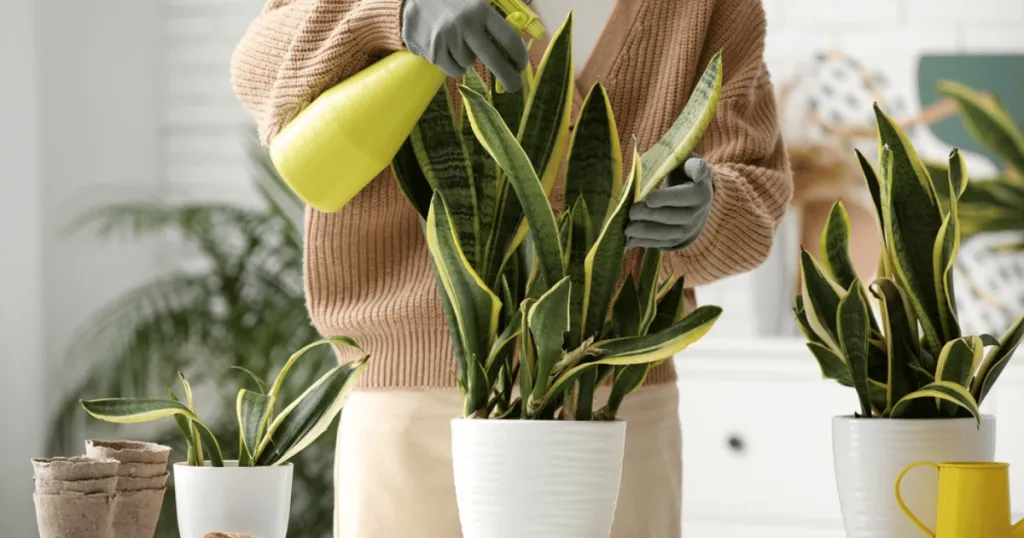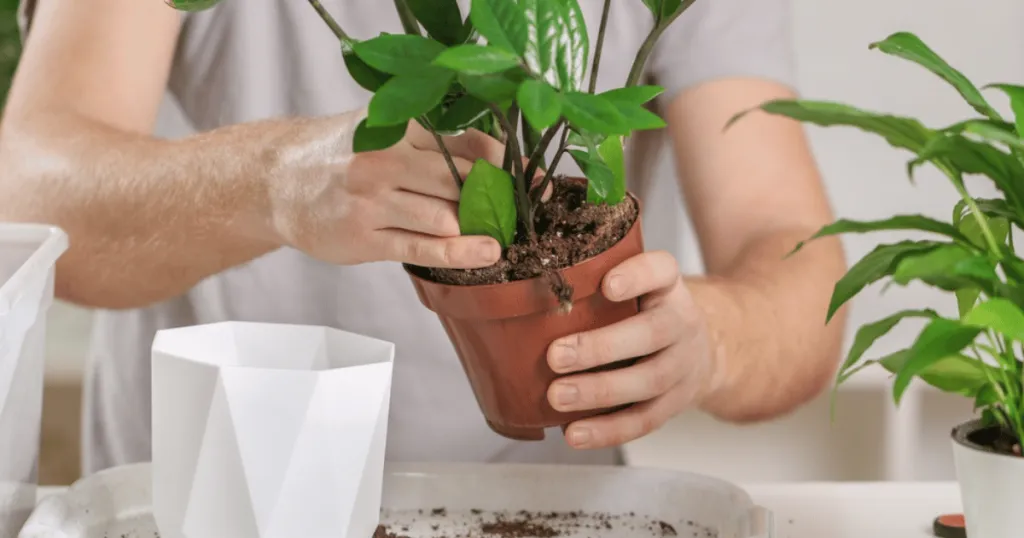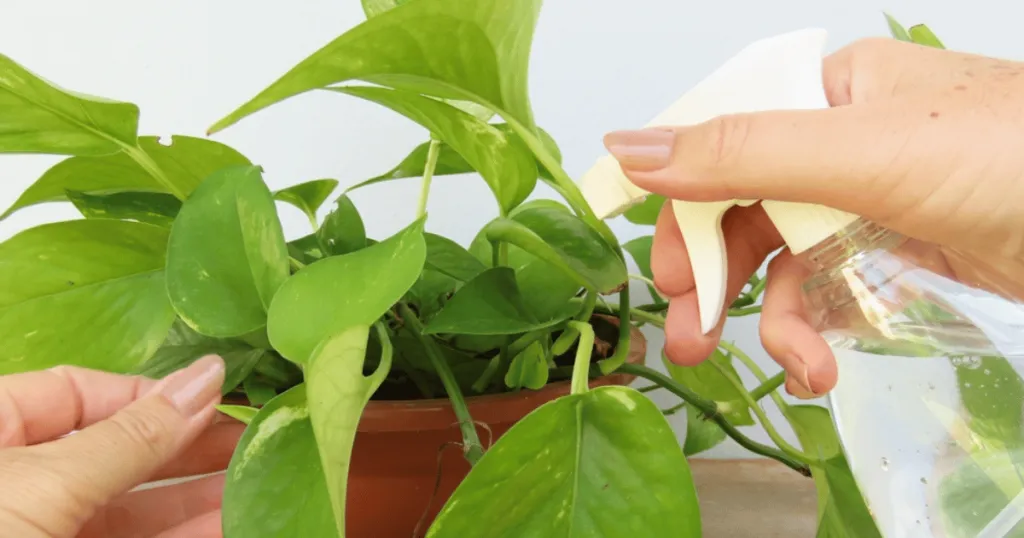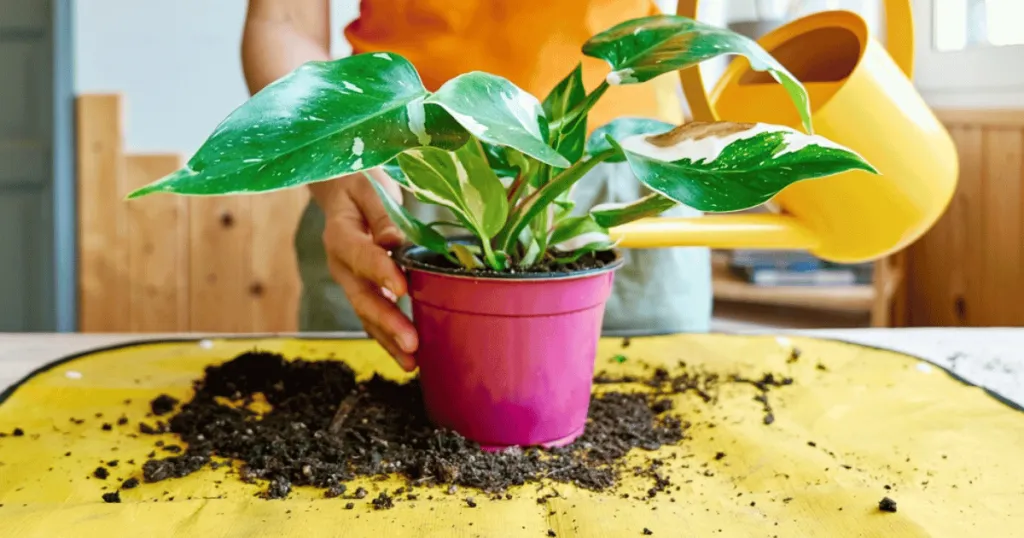
The most frequent mistake in cast iron plant care is over-loving the plant with excessive water. Because of its reputation for being nearly indestructible, many office managers assume it can handle constant moisture or frequent attention. In reality, the Aspidistra elatior thrives on a cycle of neglect. If you treat it like a tropical fern that requires daily misting or constant soil dampness, you will likely encounter root rot, which is the primary cause of failure for this species. Success with this plant comes from observing its natural pace, not from forcing a rigid maintenance schedule upon it.
When you place an Aspidistra in your office, you are choosing one of the most reliable companions for low-light environments. It does not demand the high humidity or intense light that many other houseplants require. By keeping your hands off the watering can until the soil has genuinely dried out, you allow the plant to maintain its signature deep green, leathery foliage without the stress of waterlogged roots.
Decision Snapshot
- Light: Thrives in low, indirect light; keep away from direct sun.
- Water: Allow soil to dry completely between waterings; avoid overwatering.
- Humidity: Tolerates dry office air and HVAC fluctuations exceptionally well.
- Toxicity: Non-toxic to cats and dogs according to ASPCA guidance.
- Difficulty: Highly recommended for low-maintenance office environments.
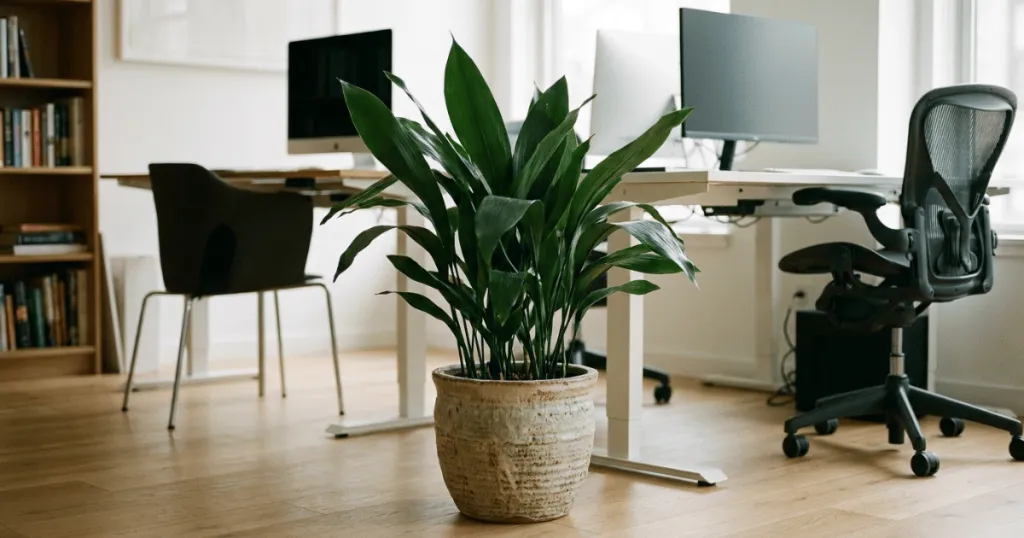
Light and Placement Strategies
The cast iron plant is a master of adaptation, specifically regarding light. While many office plants struggle in the dim corners of a meeting room or a reception area with only fluorescent lighting, the Aspidistra remains steady. It is one of the few species that can maintain its structural integrity in rooms that lack windows entirely, provided there is some level of ambient light for it to process.
Managing Light Exposure
Avoid placing your plant in direct sunlight. The leathery leaves are prone to scorching if exposed to the intense rays of a south-facing window. In an office setting, this usually means keeping the plant at least three to five feet away from any window that receives direct beams. If you are in a space with only artificial lighting, the plant will survive, but keep in mind that growth will be significantly slower. This is not a cause for concern, as the plant is naturally a slow grower.
Placement for Longevity
Consider the airflow in your office. While the plant is hardy, it does not appreciate being placed directly in the path of a strong HVAC vent. Constant, direct blasts of cold or hot air can cause the leaves to dry out or brown at the edges prematurely. A stable corner or a spot on a desk away from direct air currents is the ideal location. Because it is a slow-growing, non-vining plant, it stays compact, making it an excellent choice for tight office spaces where you do not want a plant to overtake the desk or meeting table.
Watering and Soil Guidance
Watering is the area where most office workers go wrong. The cast iron plant is drought-tolerant, meaning it stores water in its rhizomes, which are fleshy, underground stems. If you water it while the soil is still moist, you are effectively suffocating the roots. The rule of thumb is to wait until the top two to three inches of soil are completely dry to the touch before adding more water.
The Importance of Drainage
Never leave the plant sitting in a saucer full of water. If your office pot does not have drainage holes, you are setting the plant up for failure. If you must use a decorative cachepot, ensure the inner nursery pot is elevated or that you remove the plant to a sink to water it, allowing it to drain fully before returning it to its display spot. Using a well-draining potting mix, such as one designed for indoor foliage with added perlite, will help prevent the soil from becoming too dense and retaining too much water.
Seasonal Watering Adjustments
During the winter months, when office temperatures may drop and the plant enters a period of slower growth, reduce your watering frequency. You might find that you only need to check the soil moisture every two or three weeks. In the warmer months, or if your office is kept very warm, the soil may dry out faster, but always verify the moisture level with your finger or a wooden dowel before watering. Never follow a calendar schedule; follow the soil moisture level.
Humidity, Temperature, and Feeding
One of the greatest benefits of the cast iron plant is its ability to handle the low humidity typical of modern office buildings. While other plants might develop crispy, brown leaf tips in the dry air caused by central heating and air conditioning, the Aspidistra remains unaffected. You do not need to mist the leaves or use a humidifier to keep this plant happy.
Temperature Stability
The plant prefers standard office temperatures, typically between 60 and 75 degrees Fahrenheit. It can tolerate slight fluctuations, but it is not a fan of extreme cold. If your office is left unheated over a long weekend in the middle of winter and the temperature drops significantly, the plant may experience stress. However, it is generally robust enough to recover once the temperature stabilizes.
Fertilizer Requirements
Because the cast iron plant is a slow grower, it does not require heavy feeding. A balanced, water-soluble fertilizer applied at half-strength once every two months during the growing season (spring and summer) is more than sufficient. Do not fertilize during the fall and winter when the plant is resting. Over-fertilizing can lead to a buildup of salts in the soil, which can burn the roots and cause the leaf tips to brown.
Repotting, Pruning, and Propagation
You will rarely need to repot a cast iron plant. It actually prefers to be slightly pot-bound, meaning it likes its roots to be somewhat crowded. Repotting once every two to three years is usually plenty. When you do repot, choose a container only one size larger than the current one. Moving to a pot that is too large increases the amount of soil, which in turn increases the risk of overwatering, as the soil will stay wet for too long.
Pruning for Aesthetics
Pruning is straightforward. Simply use clean, sharp scissors to remove any yellowing or damaged leaves at the base of the plant. This keeps the plant looking tidy and allows it to focus its energy on new, healthy growth. There is no need for complex shaping or heavy trimming.
Propagation Basics
If you want to create more plants, propagation is best done through division during the repotting process. When you remove the plant from its pot, you can gently separate the rhizomes, ensuring each section has a few leaves and a healthy root system. Pot these divisions into their own containers and keep them in a stable, indirect light environment until they establish themselves. This is a slow process, but it is the most reliable way to propagate this species.
Seasonal Notes and Common Care Mistakes
The biggest seasonal challenge is the holiday break. Many office plants are neglected for weeks at a time, but the cast iron plant is one of the few that can handle this. Before you leave for a long break, ensure the plant is not sitting in water and that it is placed in a spot that will not experience extreme temperature swings. It will be perfectly fine waiting for your return.
Avoiding Common Pitfalls
The most common mistake is impatience. If the plant looks a bit dusty, wipe the leaves with a damp cloth rather than trying to wash it down or over-water it to make it look ‘fresher.’ Dust accumulation can block light, so cleaning the leaves is actually a practical care step that improves photosynthesis. Another mistake is using leaf shine products. These can clog the pores of the leaves and are unnecessary. Stick to water and a soft cloth for the best results.
Understanding Plant Health and Resilience
The Aspidistra elatior is often referred to as a ‘survivor’ plant, but this resilience should not be mistaken for an ability to thrive in total neglect. While it handles low light and irregular watering better than almost any other common indoor plant, it still requires basic attention to maintain its aesthetic appeal. In an office setting, the primary goal is to maintain the deep, dark green color of the foliage. If the leaves begin to turn a lighter, yellowish-green, it is a signal that the plant is either receiving too much light or is suffering from nutrient deficiency.
Conversely, if the leaves become dull and dusty, the plant is struggling to perform efficient photosynthesis. Regular maintenance, such as checking for pests like spider mites – which are rare but possible in dry office environments – and wiping down leaves, ensures the plant remains a professional-looking asset to your workspace.
Optimizing for the Office Environment
When integrating the cast iron plant into a professional setting, consider the layout of your office. Because it is a slow-growing, non-vining species, it is perfect for high-traffic areas where you do not want foliage encroaching on walkways or keyboard space. Its structural, upright growth habit makes it an ideal candidate for floor-standing containers in corners or as a centerpiece on a credenza. Unlike trailing plants that require frequent trimming to keep them from looking messy, the cast iron plant maintains a consistent, architectural shape.
This predictability is a major advantage for office managers who need to maintain a clean, organized, and professional aesthetic without constant intervention. Furthermore, because it is non-toxic, it provides peace of mind in offices that maintain a pet-friendly policy, removing the need to worry about potential health risks for animals that might be in the office.
Conclusion
The cast iron plant is a testament to the idea that sometimes, less is more. By providing it with indirect light, allowing the soil to dry out, and avoiding the urge to over-manage its environment, you will find it to be a long-lasting, reliable addition to your office. It does not require a green thumb; it only requires a bit of restraint. Focus on consistent, minimal care, and this plant will reward you with years of steady, deep-green foliage.
Related Cast Iron Plant Guides
- everything about the Cast Iron Plant
- troubleshooting a Cast Iron Plant
FAQ
Why are the tips of my cast iron plant leaves turning brown?
Brown tips on a cast iron plant are often a sign of either inconsistent watering or a buildup of salts from over-fertilizing. Ensure you are letting the soil dry out significantly between waterings and avoid using too much fertilizer. While the plant tolerates dry air, extreme, prolonged dryness can occasionally cause minor tip browning, but this is less common than issues related to soil moisture.
Is the cast iron plant safe for office pets?
Yes, according to the ASPCA, the cast iron plant is considered non-toxic to cats and dogs. This makes it an excellent choice for offices that allow pets or for managers who want to ensure their plant choices remain safe for all living things in the workplace.
How do I know if my cast iron plant is getting too much water?
The most reliable sign of overwatering is yellowing leaves or a mushy texture at the base of the stems. If you notice these symptoms, check the soil immediately. If the soil is wet, stop watering and ensure the pot has proper drainage. You may need to remove the plant from its pot to inspect the roots for rot, which would appear dark, slimy, or foul-smelling.
Can I move my cast iron plant to a different office location?
Yes, the plant is quite adaptable, but it appreciates consistency. If you move it, try to keep the light conditions similar to its previous spot. If you move it from a very dark corner to a much brighter area, do so gradually over a week or two to prevent leaf shock, though the cast iron plant is generally more forgiving than most other indoor plants.