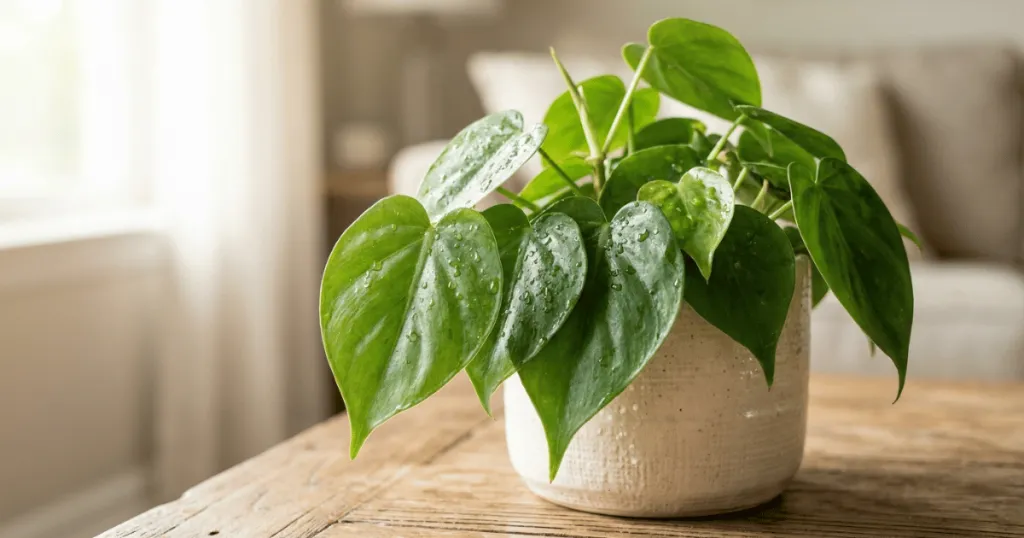
Keeping an office workspace green and welcoming relies heavily on balancing light and moisture. Effective philodendron care centers on providing medium to bright indirect light alongside a watering routine that allows the top inch of soil to dry out between sessions. When these foundational needs are met, these versatile tropical plants adapt remarkably well to indoor commercial environments, surviving fluorescent lighting and steady HVAC cycles with ease.
Managing indoor office plants effectively means understanding how artificial light and dry air impact their growth. By focusing on root aeration, proper drainage, and consistent placement away from drafty vents, office managers and desk workers can maintain vibrant foliage year-round without demanding complex daily maintenance routines. Whether you are outfitting a quiet private office, a bustling open workspace, or a professional reception area, establishing these core habits prevents common decline and ensures steady, reliable growth.
What You Need to Know
- Provide medium to bright indirect light daily.
- Allow the top inch of soil to dry completely before watering.
- Maintain average to above-average office humidity levels.
- Keep leaves away from cats and dogs due to toxicity.
Light and Placement Strategies for Office Interiors
Light is the primary driver of leaf size, stem thickness, and overall vitality for indoor tropicals. In commercial office settings, understanding the difference between natural window light and overhead artificial illumination dictates where these plants will thrive. Placing a plant too far from a light source leads to elongated stems and sparse foliage, while harsh direct sunlight scorches tender leaves.
When assessing an office floor plan, consider how architectural elements alter incoming sunlight throughout the workday. Glass partitions, tinted windows, and neighboring high-rise buildings can dramatically diminish natural light levels within a matter of feet. Successfully navigating these physical constraints requires careful coordination between architectural realities and the plant’s biological need for radiant, filtered illumination.
Evaluating Office Lighting Conditions
Most commercial buildings rely on fluorescent tubes or LED panels that burn brightly during business hours. While philodendrons tolerate artificial illumination well, they perform best within ten feet of an east-facing or west-facing window. North-facing windows provide gentle, steady exposure, whereas south-facing glass requires sheer blinds to diffuse intense midday rays. If your desk sits in a windowless core office, supplement natural light with a dedicated full-spectrum LED desk lamp on a timer.
It is important to remember that human eyes adapt seamlessly to lower indoor light levels, whereas plants experience a direct drop in photosynthetic efficiency when light is scarce. A workspace that feels comfortably bright to an office worker may actually register as deep shade to a tropical plant. Testing light levels with a smartphone light meter app can help office managers determine whether a corner desk requires auxiliary lighting fixtures.
Strategic Placement Around Desks and Reception Areas
Reception desks, open-plan clustering zones, and private offices present different environmental hurdles. Avoid placing pots directly beneath aggressive air conditioning diffusers or right next to heat registers. Rapid temperature fluctuations and dry drafts cause leaf edges to turn brown and crisp, regardless of how attentive your watering routine is. Position containers where they enjoy ambient brightness while remaining safely clear of heavy foot traffic that might snap arching vines.
In high-traffic reception areas, select heavier ceramic or fiberglass containers that resist tipping if brushed against by clients or staff. For open-plan benching systems, low-profile desktop pots prevent plants from blocking sightlines across collaborative workspaces. Ensuring that every specimen has adequate breathing room prevents physical damage and supports balanced light distribution across all sides of the foliage.
Watering and Soil Protocols for Healthy Roots
Root health is directly tied to the rhythm of your watering schedule and the composition of your potting medium. A common misstep in office plant maintenance is watering on a rigid calendar schedule, such as every Monday morning, regardless of actual soil moisture. Instead, evaluate the substrate before adding moisture.
Watering frequency is never static; it fluctuates based on ambient office temperatures, the humidity output of your HVAC system, and seasonal shifts in daylight. Cultivating a habit of physical soil assessment rather than relying on guesswork is the single most effective way to prevent underground issues.
The Top-Inch Rule in Practice
Insert your finger roughly one inch into the potting mix. If the soil feels dry and crumbly at that depth, it is time to water thoroughly until excess liquid drains out the bottom. If the soil still feels damp or clings to your skin, wait a few days and check again. Allowing the surface layer to dry prevents root rot and discourages fungus gnats, which thrive in continuously soggy media.
When you do water, ensure the entire root ball receives moisture rather than just skimming the surface. Pour water evenly across the soil until it runs freely from the drainage holes. If water pools on top of compacted soil without soaking in, aerate the surface gently with a blunt instrument or chopsticks to create channels for moisture penetration.
Soil Composition and Container Drainage
Standard heavy garden dirt packs down tightly and suffocates roots. Philodendron care requires a loose, chunky potting mix designed to mimic the loose forest floor of a tropical canopy. Combine standard potting soil with perlite, orchid bark, and horticultural charcoal to maximize aeration and drainage. Always ensure your decorative cachepot or nursery container features functional drainage holes. Standing water trapped at the base of a pot rapidly leads to anaerobic conditions and root decay.
Commercial office managers should always inspect nursery pots inside decorative cachepots after watering. Empty any standing water collected in the outer saucer within fifteen minutes to protect the root zone from waterlogging. Selecting a soil amendment strategy centered on chunky porosity safeguards plant health even if occasional overzealous watering occurs.
Humidity, Temperature, and Feeding Essentials
Indoor workspaces often feature climate-controlled air that strips moisture from the atmosphere. Balancing humidity and temperature keeps foliage lush and prevents premature yellowing.
Office microclimates can vary wildly between winter heating cycles and summer cooling periods. Anticipating these shifts allows you to adjust environmental controls or reposition plants before stress symptoms manifest on the foliage.
Managing Low Humidity and Temperature Drops
While these plants tolerate average office humidity, they truly flourish when surrounding moisture levels remain above standard indoor dryness. Grouping multiple plants together creates a localized microclimate with higher humidity. Keep ambient temperatures between 65 and 80 degrees Fahrenheit. Avoid exposing foliage to chilly drafts during winter months, as sudden drops below 55 degrees shock the plant and halt metabolic activity.
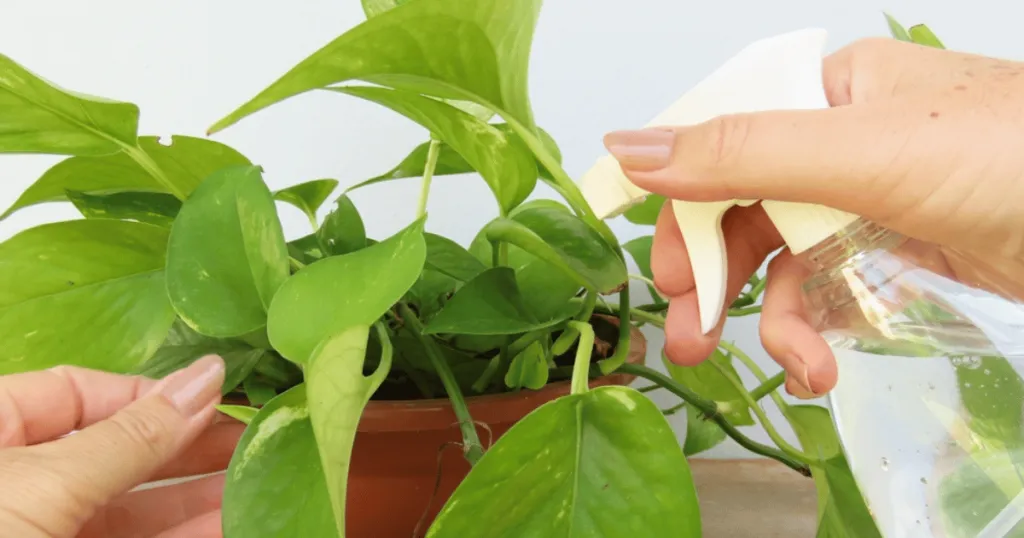
Be particularly mindful of exterior doors and drafty window frames during cold weather snaps. Office HVAC systems cycling on and off can create turbulent air currents that rapidly dehydrate leaf tissue. If your office air is exceptionally dry, utilize a small desk humidifier nearby rather than relying on ineffective misting routines.
Fertilizing During Active Growth
Nutrient management supports steady leaf production during spring and summer. Apply a balanced, water-soluble houseplant fertilizer diluted to half-strength once every four to six weeks while new leaves emerge. Pause fertilization entirely during autumn and winter when shorter days slow natural growth, as unabsorbed mineral salts can burn sensitive root systems.
Over-fertilizing in an attempt to accelerate growth is a common error that leads to salt accumulation in the soil, resulting in burned root tips and brown leaf margins. Always flush the potting mix with plain water every few months to dissolve accumulated mineral residues, ensuring a clean and balanced root environment.
Repotting, Pruning, and Propagation Techniques
Routine maintenance keeps vigorous growers neat and prevents them from outgrowing their designated office footprint. Knowing when to step up a container size or trim wandering stems ensures long-term success.
Maintaining manageable plant dimensions is essential in shared office environments where desk space is at a premium. Proactive pruning and timely repotting keep your workplace greenery looking polished and professional year-round.
When and How to Repot
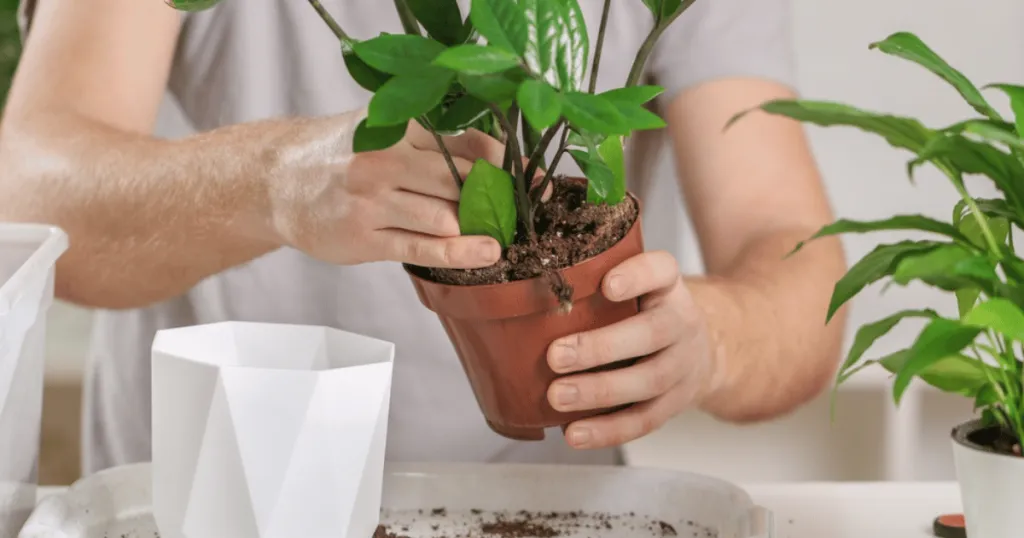
You will know a plant needs repotting when roots begin circling densely around the inner edge of the pot or emerging from the bottom drainage holes. Choose a container that is only one to two inches larger in diameter than the current pot. Moving up too quickly leaves excess damp soil around the root ball, increasing the risk of overwatering issues. Spring is the ideal season for this task, using fresh, coarse potting mix.
When handling the root ball during repotting, gently tease apart tightly bound or circling roots to encourage them to grow outward into the fresh medium. Firm the new soil gently around the base to eliminate large air pockets while avoiding excessive compaction that restricts airflow.
Pruning for Shape and Propagating Cuttings
If vines become leggy or stray too far across a desktop, trim them back cleanly with sterilized shears just above a leaf node. These pruned stem cuttings offer an easy opportunity for propagation. Place the cut ends in a jar of clean water, changing the liquid every few days. Once healthy white roots emerge and reach a few inches in length, transfer the cutting into a small pot filled with standard potting mix.
Propagation is an excellent way to share office greenery with colleagues or replace aging, woody specimens with fresh, vigorous starters. Keeping cutting tools clean with rubbing alcohol prevents the spread of pathogens between plants during trimming sessions.
Seasonal Adjustments and Common Care Mistakes
Office environments change noticeably across the changing seasons, requiring subtle shifts in your care routine to keep plants resilient.
Recognizing how seasonal fluctuations alter indoor growing conditions prevents unnecessary plant decline and helps maintain a vibrant, healthy workspace throughout the entire calendar year.
Adapting to Seasonal Shifts
Shorter winter days and reduced sunlight mean the plant consumes less water and dries out much more slowly. Scale back your watering frequency accordingly during winter months. Conversely, long summer days accelerate drying rates, requiring more frequent moisture checks.
During winter heating months, monitor plants positioned near radiators or baseboard heaters to ensure they are not experiencing excessive heat stress. Adjusting your care cadence to match the metabolic state of the plant ensures consistent vitality across all four seasons.
Avoiding Frequent Care Errors
The most frequent error is chronic overwatering, which starves roots of oxygen. Another common pitfall is ignoring dust accumulation on large leaves. Wipe foliage down periodically with a damp microfiber cloth to clear away office dust, which blocks pores and reduces photosynthetic efficiency. Finally, be mindful of pet safety: according to veterinary poison control resources and ASPCA guidance, philodendrons contain calcium oxalate crystals, making them toxic to cats and dogs if chewed or ingested.
By implementing these structured care protocols, office workers and facility managers can enjoy lush, resilient tropical foliage that enhances workplace aesthetics and employee well-being without demanding excessive daily oversight.
Related Philodendron Guides
- our Philodendron overview
- troubleshooting a Philodendron
FAQ
How do I know if my philodendron is getting too much light?
Excessive light exposure causes leaves to appear bleached, washed out, or develop pale yellow patches. In severe cases, direct sun exposure scorches brown, crispy spots directly onto the foliage. Move the container slightly farther from the window or behind a sheer barrier if you notice these signs.
Why are the lower leaves of my plant turning yellow?
Lower yellow leaves typically signal overwatering or compacted soil that restricts oxygen flow to the root system. Check the soil moisture deeper in the pot; if it remains soggy, let it dry out significantly before the next watering session and ensure drainage holes are completely clear.
Can these plants survive in a completely windowless office?
They cannot survive long-term in absolute darkness. While they tolerate standard fluorescent or LED office lighting during business hours, windowless core offices require a dedicated full-spectrum LED grow light fixture placed directly overhead to sustain healthy growth.
Should I mist the leaves to increase office humidity?
Routine manual misting provides only a temporary spike in humidity and can sometimes encourage fungal leaf spot issues if moisture sits on the foliage too long. Grouping plants together or placing them near a pebble tray filled with water offers a much more effective ambient humidity boost.