Affiliate Disclosure: As an Amazon Associate, I earn from qualifying purchases.
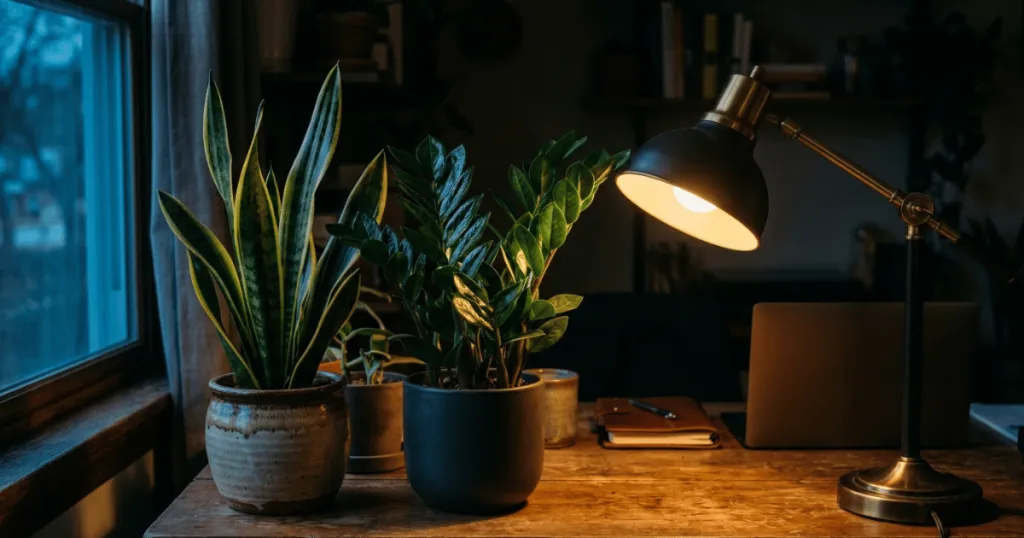
Many office environments suffer from a common misconception: that plants need a sunny windowsill to survive. In reality, most commercial office spaces are defined by limited natural light, harsh fluorescent or LED overheads, and dry, recirculated air. Plants that require bright, direct sun are almost always doomed in these settings. They typically respond to these conditions by stretching toward the nearest light source, shedding leaves, or simply failing to thrive as their energy reserves deplete. When selecting the best office plants for low sunlight for a cubicle, meeting room, or reception area, you must prioritize species that have evolved to function in the understory of forests or in naturally shaded niches.
Choosing the right plant for a low-light office is less about aesthetics and more about biological compatibility. You are looking for plants that can maintain their metabolic processes with minimal photon intake. If you ignore this, you end up with a plant that requires constant replacement or intensive care that your office schedule likely cannot support. The following selections are chosen specifically for their ability to tolerate the unique, often challenging, constraints of a typical workspace.
Decision Snapshot
- Prioritize foliage-heavy, shade-tolerant species over flowering varieties.
- Avoid direct sunlight; it burns low-light plants.
- Check soil moisture before watering to prevent root rot.
- Rotate plants occasionally to ensure even growth patterns.
What Defines a Low-Light Office Plant
In an office, light is rarely measured in foot-candles or lux by the average occupant, but it is the primary limiting factor for plant health. Most office lighting is designed for human productivity, not photosynthesis. Fluorescent and LED tubes provide enough light to keep some plants alive, but they lack the full spectrum and intensity required for vigorous growth. A plant that is a “fit” for this environment is one that can photosynthesize efficiently at lower light levels and tolerate the consistent, often dry, temperatures maintained by HVAC systems.
The most common mistake is assuming that “low light” means “no light.” Every plant requires some level of ambient light to survive. If your office has no windows and is only lit during business hours, even the most shade-tolerant plant will eventually struggle. In such cases, you may need to consider supplemental lighting or accept that the plant will need to be rotated to a brighter area periodically to recover.
Furthermore, low-light plants generally have slower metabolic rates. This means they consume water more slowly. A common cause of death for office plants is not neglect, but overwatering. Because the plant is not growing rapidly, it does not “drink” as much, leading to waterlogged soil and root suffocation.
10 Best Office Plants for Low Sunlight
Snake Plant
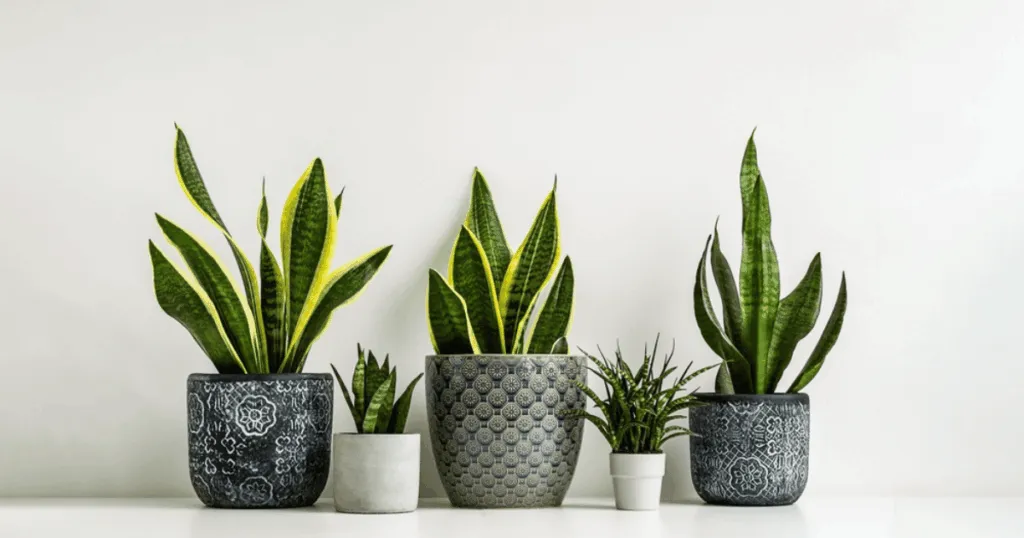
The Snake Plant is arguably the most reliable choice for a dim corner. Its thick, succulent-like leaves store water, making it exceptionally forgiving if you forget to water it for a few weeks. It thrives in the low light found in many interior offices and is remarkably resistant to the dry air common in climate-controlled buildings. Because it is sensitive to overwatering, ensure the soil is completely dry before adding more moisture. It is important to note that while it tolerates low light, it will grow faster if given medium indirect light. In a windowless office, it remains a top-tier choice for its structural, vertical aesthetic.
ZZ Plant
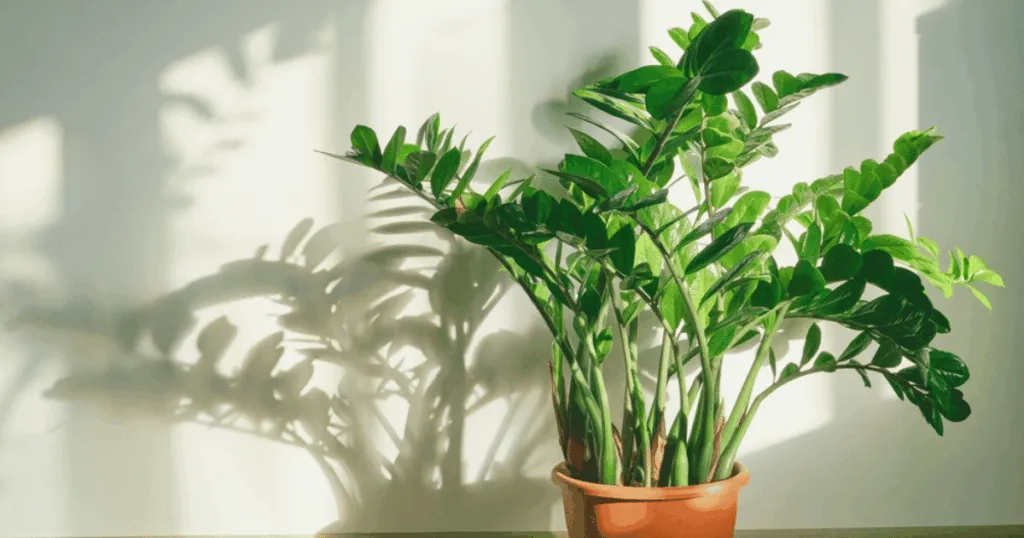
The ZZ Plant is a powerhouse of endurance. Its waxy, deep green leaves are not just aesthetically pleasing; they are highly efficient at capturing whatever ambient light is available. It is well-suited for reception desks or windowless offices where other plants might fail. Like the Snake Plant, it prefers to be left alone and will suffer if the soil remains constantly wet. It is a slow grower, which is an advantage in a small cubicle where you do not want a plant outgrowing its footprint. Its rhizomes act as water storage, allowing it to survive long weekends or holiday breaks without a drop of water.
Cast Iron Plant
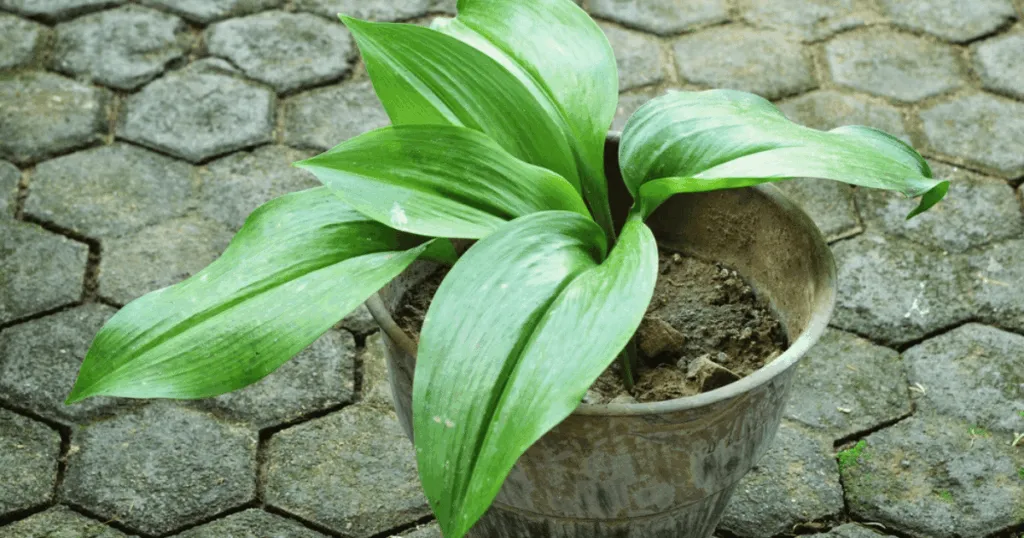
True to its name, the Cast Iron Plant is nearly indestructible. It was a favorite in Victorian-era homes for its ability to withstand low light, drafts, and temperature fluctuations. In a modern office, it remains one of the best options for areas that receive very little natural illumination. It is a slow-growing, clump-forming plant that adds a touch of classic, lush greenery without demanding constant attention or specialized care. Unlike many other plants, it is non-toxic to pets, making it a safe choice for offices that allow animals.
Pothos
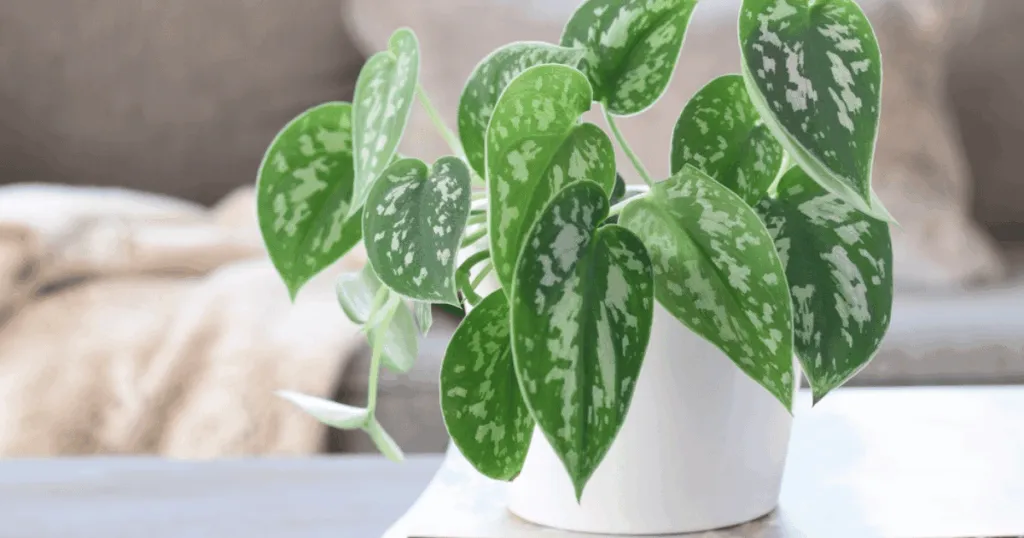
If you need a trailing plant for a bookshelf or a high filing cabinet, Pothos is the standard. It is incredibly adaptable and can tolerate lower light levels better than almost any other vine. While its growth will be slower in dim conditions, it remains healthy and vibrant. You can easily trim it back if it becomes too long, making it a versatile choice for tight office spaces where you need to manage the plant’s spread. Keep in mind that while it is a “low-light” plant, it will lose some of its variegation (the white or yellow splashes on the leaves) if the light is too dim, as the plant increases chlorophyll production to compensate.
Chinese Evergreen
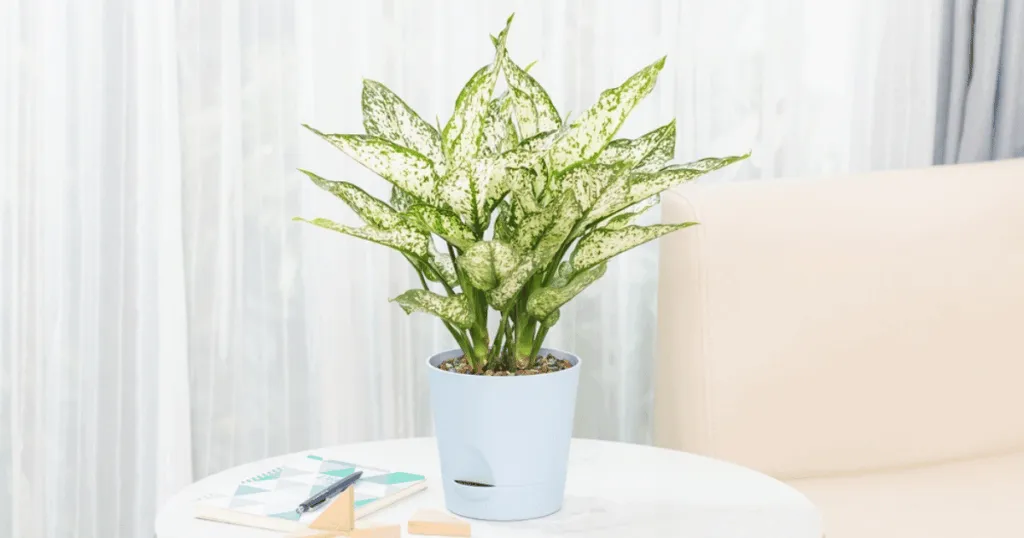
Chinese Evergreen, or Aglaonema, offers a bit more visual interest with its variegated leaves. Many cultivars feature silver, white, or pink patterns that can brighten up a dull office corner. It is highly tolerant of low-light conditions and is generally more forgiving of irregular watering than many other tropical foliage plants. It is a great choice if you want something that looks a bit more “designed” without the high-maintenance requirements of more demanding species. Be aware that it prefers slightly higher humidity than a standard office provides, so keeping it away from direct HVAC vents is a smart move.
Parlor Palm
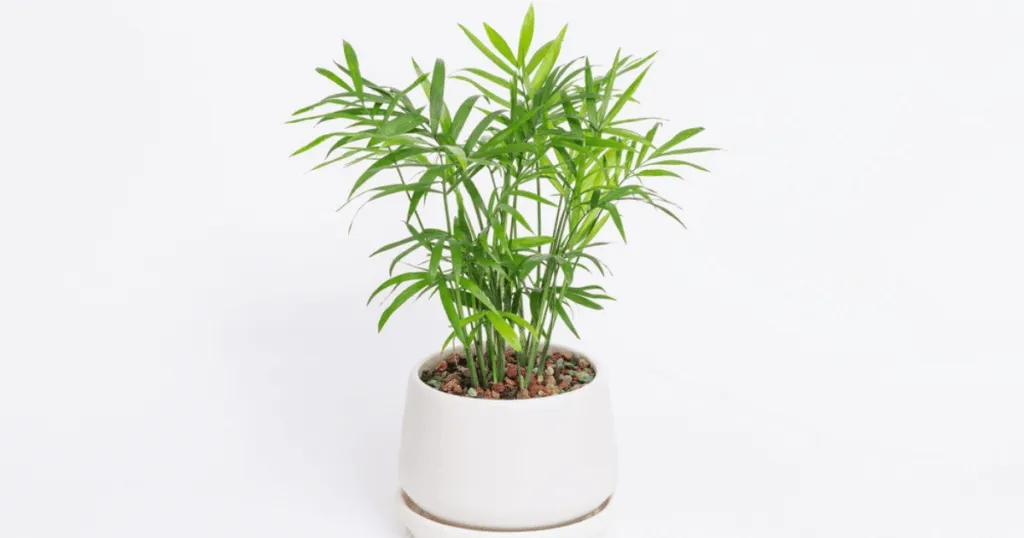
For those who want the elegance of a palm without the high light requirements of an Areca or Kentia, the Parlor Palm is the answer. It has been a staple indoor plant since the Victorian era precisely because it thrives in the lower light levels of interior rooms. It stays relatively compact, making it ideal for a corner of an office or beside a desk. It prefers consistent moisture but is much more tolerant of lower light than its larger palm cousins. It is also non-toxic, which adds to its appeal for shared workspaces.
Bird’s Nest Fern
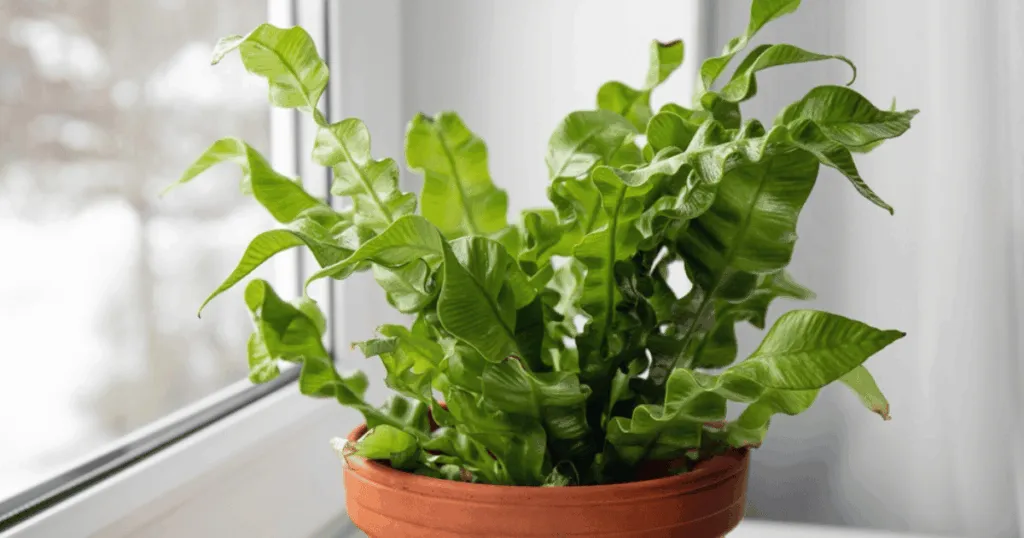
If you prefer a unique, architectural look, the Bird’s Nest Fern is an excellent candidate. Unlike the Boston Fern, which demands high humidity, the Bird’s Nest Fern is more adaptable to the drier air found in most offices. It does well in low to medium indirect light and has a compact, rosette-like growth habit that fits perfectly on a desk or a side table. It is a great way to add texture to a space without needing a massive footprint. Ensure you water it at the base, avoiding the center of the rosette to prevent rot.
Dracaena
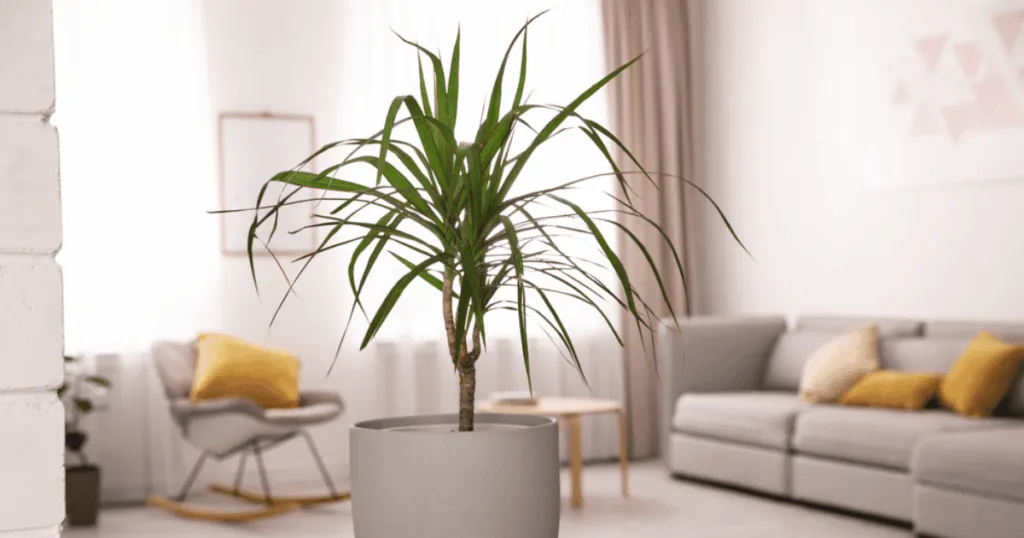
The Dracaena genus includes several varieties, such as the Corn Plant or the Dragon Tree, that are staples in office landscaping. They are highly tolerant of low light and are very efficient at filtering the air. Their upright growth habit makes them perfect for filling vertical space in a lobby or a corner of an office. They are generally low-maintenance, though they do appreciate a consistent, light watering schedule. If you notice brown tips on the leaves, this is often a reaction to fluoride or chlorine in tap water; switching to filtered water can often resolve this issue.
Heartleaf Philodendron
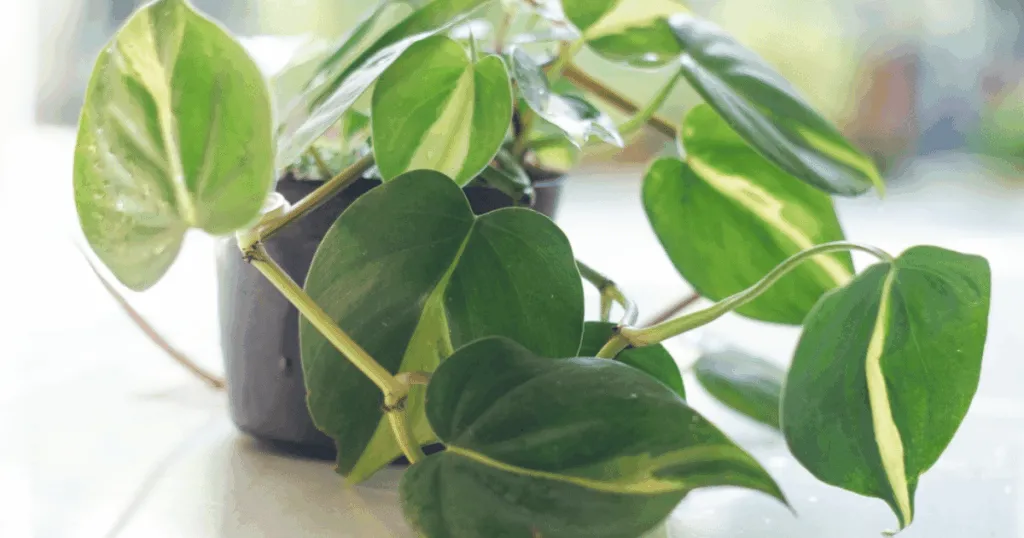
Often confused with Pothos, the Heartleaf Philodendron is a classic trailing plant that thrives in medium to low indirect light. Its heart-shaped, matte leaves provide a softer look than the waxy Pothos. It is remarkably easy to propagate, meaning you can take cuttings to start new plants for other desks. It prefers to dry out slightly between waterings, making it well-suited for the busy office manager who cannot water on a strict daily schedule.
Peace Lily
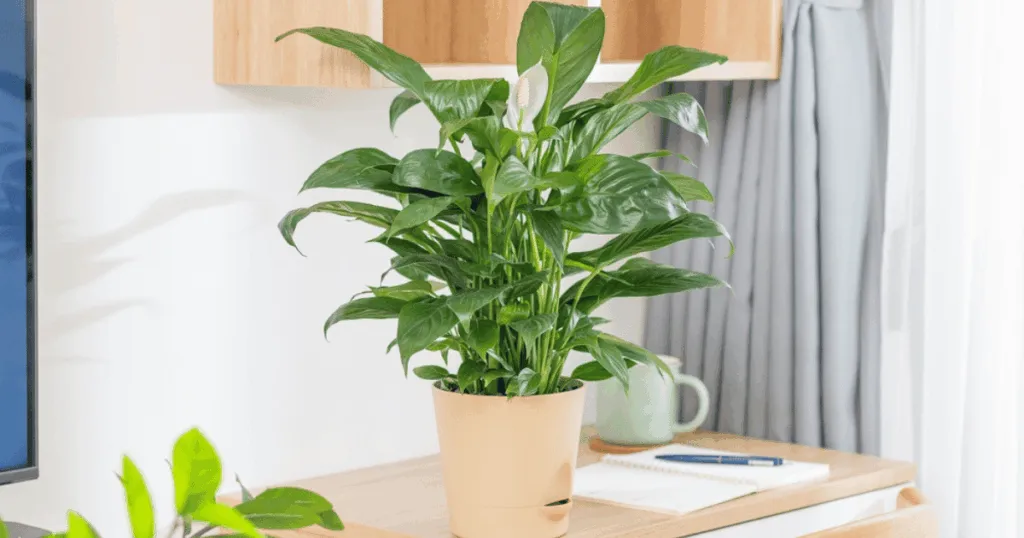
The Peace Lily is one of the few low-light plants that can produce flowers in an office setting. While flowering is often inconsistent under office lighting, the lush, dark green foliage is beautiful on its own. It is a “communicative” plant; it will droop noticeably when it is thirsty, acting as a visual cue for you to water it. Once watered, it usually perks back up within a few hours. It prefers consistent moisture and will struggle if allowed to dry out completely for long periods.
Placement and Use-Case Breakdowns
When placing your plants, consider the “light budget” of the specific area. A desk near a north-facing window is a prime location, even if it feels dim to you. A cubicle in the center of the floor, far from any windows, is a “low-light” zone that requires the most resilient species like the ZZ Plant or Snake Plant. Reception areas often have high foot traffic and fluctuating temperatures; here, a sturdy, non-toxic option like the Cast Iron Plant is safer and more durable.
Avoid placing plants directly under air conditioning vents. The constant draft can dry out leaves and cause stress, even for the toughest species. Similarly, avoid placing plants in high-traffic hallways where they might be bumped or brushed against, as this can damage delicate foliage. Use plant stands to elevate your plants; this not only helps them reach better light but also protects them from being kicked or knocked over in busy office environments.
Limitations and Trade-offs
It is important to manage expectations when gardening in an office. A plant in low light will never grow as fast or as lushly as one in a greenhouse. You may notice that variegated plants lose some of their color patterns, turning more solid green as they try to maximize chlorophyll production to compensate for the lack of light. This is a normal physiological response, not a sign of illness.
If you find that your plant is becoming “leggy”-stretching out with long gaps between leaves-it is a clear signal that it needs more light. In this case, moving it closer to a window or adding a small, dedicated LED grow light to your desk setup is the only real solution.
Furthermore, consider the toxicity of your chosen plants. In shared office spaces, especially those that are pet-friendly or where children might visit, be mindful that many common office plants contain calcium oxalate crystals or saponins. If ingested, these can cause irritation or more serious issues. If this is a concern, prioritize non-toxic options like the Cast Iron Plant, Parlor Palm, or Spider Plant.
A Note on Care
We provide this information for educational purposes to help you maintain a healthier office environment. These recommendations are based on general horticultural standards for indoor plants. Always observe your specific plant’s response to its environment, as individual office conditions—such as humidity levels and light quality—can vary significantly. We do not provide professional interior landscaping services or product endorsements. For long-term success, focus on consistent, moderate care rather than attempting to “fix” a plant with excessive water or fertilizer, which is a common mistake that often leads to plant decline.
FAQ
How do I know if my office light is truly ‘low’?
If you can comfortably read a book without turning on an extra desk lamp, the light is likely sufficient for low-light plants. If the area feels dim or requires artificial lighting throughout the day, it is considered low light. Plants like the ZZ plant are best suited for these darker conditions.
Can I use a desk lamp to help my plants grow?
Yes, a standard LED desk lamp can provide supplemental light. Position the lamp within a few inches of the foliage for several hours a day. This is particularly helpful for plants that are showing signs of ‘legginess’ or loss of leaf color due to insufficient ambient light.
Why are the leaves on my office plant turning yellow?
Yellowing leaves are most commonly caused by overwatering. In low-light conditions, plants grow slowly and require less water. If the soil stays wet, the roots cannot breathe, leading to yellowing. Always check the soil moisture with your finger before watering; if it is still damp, wait.
Are there any plants that thrive in windowless offices?
No plant can thrive indefinitely without any light. However, the Snake Plant and ZZ Plant are the most tolerant of windowless environments. In these settings, you may need to rotate the plant to a brighter area for a few days every month to allow it to recover its energy.