Affiliate Disclosure: As an Amazon Associate, I earn from qualifying purchases.
Office window sills are prime real estate, offering the highest concentration of natural light in an otherwise artificial environment. However, they are also high-stakes locations. A window sill acts as a bridge between the controlled interior climate and the variable exterior weather. For an office worker or manager, choosing the right plant means balancing the intense, direct light of a sunny exposure against the potential for temperature swings, dry drafts, and limited physical space. The goal is to select specimens that appreciate the proximity to the glass without succumbing to the unique stressors of a commercial building.
What You Need to Know
- Measure light intensity; south-facing windows require sun-loving species.
- Check sill depth; ensure pots fit without obstructing window operation.
- Drafts from HVAC vents near windows can stress sensitive plants.
- Rotate pots weekly to prevent lopsided growth toward the glass.
- Prioritize compact, slow-growing varieties to avoid overcrowding your desk.
When evaluating the best plants for window sills, we prioritize species that maintain a manageable footprint and demonstrate resilience to the specific microclimates found in office architecture. Unlike home gardens, office windows are often sealed, creating pockets of stagnant, dry air that can quickly dehydrate foliage. By selecting plants that thrive in these conditions, you turn a functional architectural feature into a vibrant, low-maintenance green focal point.
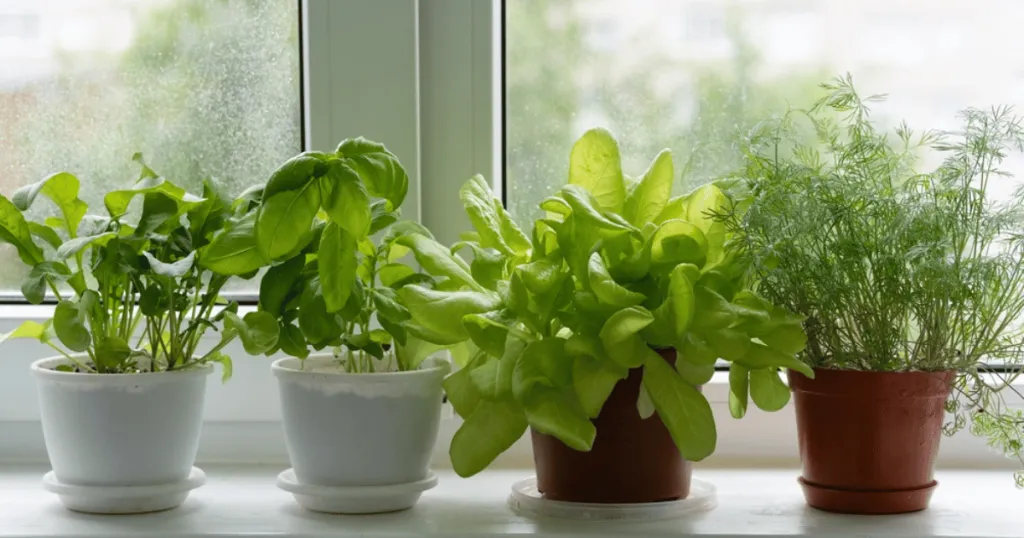
Criteria for Office Sill Success
The primary challenge with window sill placement is light intensity. A south-facing window in a high-rise can provide scorching direct light, while a north-facing window might barely offer enough brightness for a low-light survivor. Before placing a plant, observe the light pattern for a full business day. If you see harsh, direct sun hitting the sill for more than two hours, you need a succulent or a sun-hardy variety. If the window is shaded by nearby buildings or tinted, you are limited to foliage plants that prefer indirect light.
Beyond light, consider the mechanical reality of your office. Can the window be opened? If so, cold winter drafts or hot summer gusts can shock tropical plants. Furthermore, the width of the sill dictates the pot size. A narrow ledge requires a plant with a compact base, as top-heavy plants are prone to tipping over during high-traffic periods or when cleaning crews move through the area. Finally, consider the aesthetic and maintenance trade-offs: trailing plants can look elegant on a high sill, but they may eventually interfere with window blinds or shades.
Jade Plant
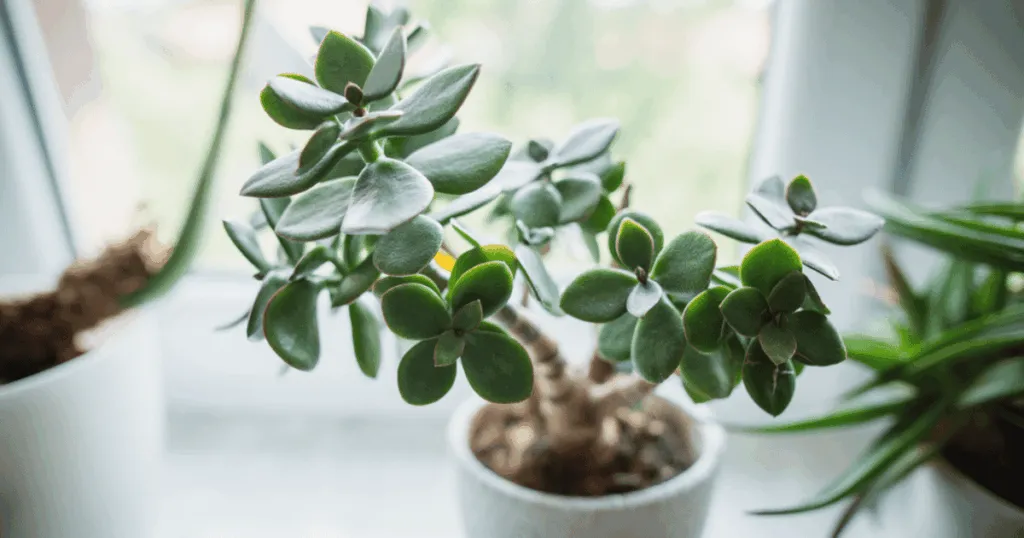
The Jade Plant is an ideal candidate for south or west-facing windows where light is abundant. Its thick, water-storing leaves are perfectly adapted to the intense light that often burns more delicate foliage. Because it thrives on neglect, it is a reliable choice for offices where watering schedules might be interrupted by travel or meetings. Just ensure the soil dries out completely between waterings, as the most common mistake is providing too much hydration, which leads to root rot.
Aloe Vera
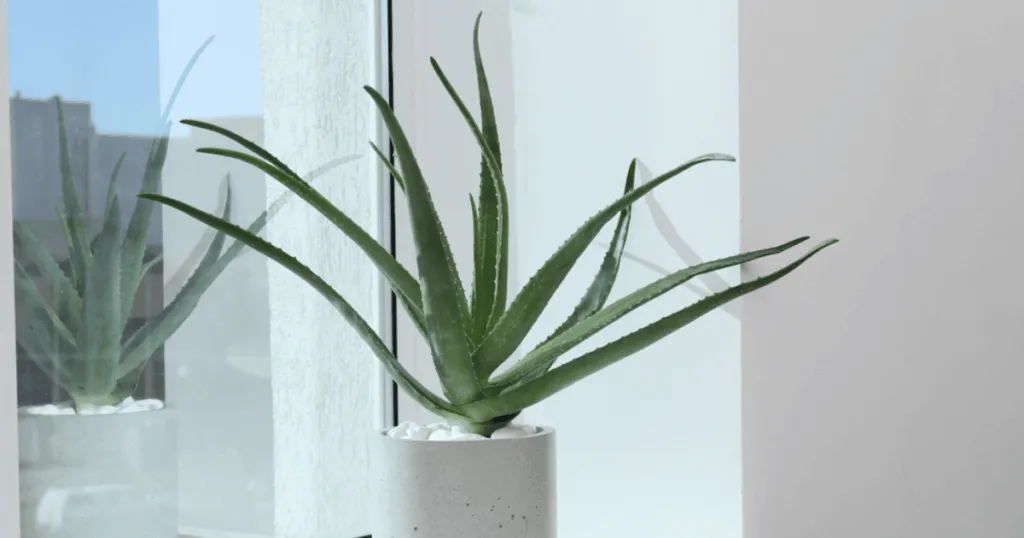
Similar to the Jade, Aloe Vera demands bright, direct light to maintain its structural integrity. If placed in a dim corner, the leaves will lose their firmness and begin to droop or stretch toward the light source, a process known as etiolation. In a bright window sill, it remains compact and architectural. It is a practical choice for a sunny desk area, provided you are mindful that the plant is toxic if ingested, making it a better choice for private offices than high-traffic communal reception areas.
Peperomia
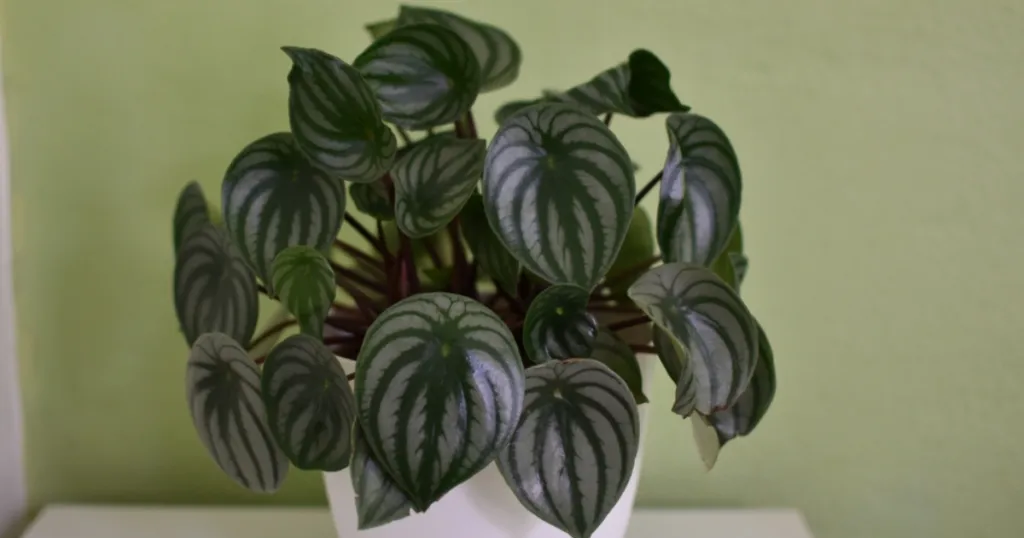
For those with limited sill depth, the Peperomia genus offers an incredible variety of compact, non-toxic options. These plants are naturally small, rarely outgrowing a four-inch pot, which makes them perfect for narrow window ledges. They prefer bright, indirect light, meaning they are excellent for windows that have some form of light diffusion, such as blinds or light-filtering curtains. Their ability to store water in their leaves makes them more forgiving than many other foliage plants if you happen to miss a watering day.
Hoya
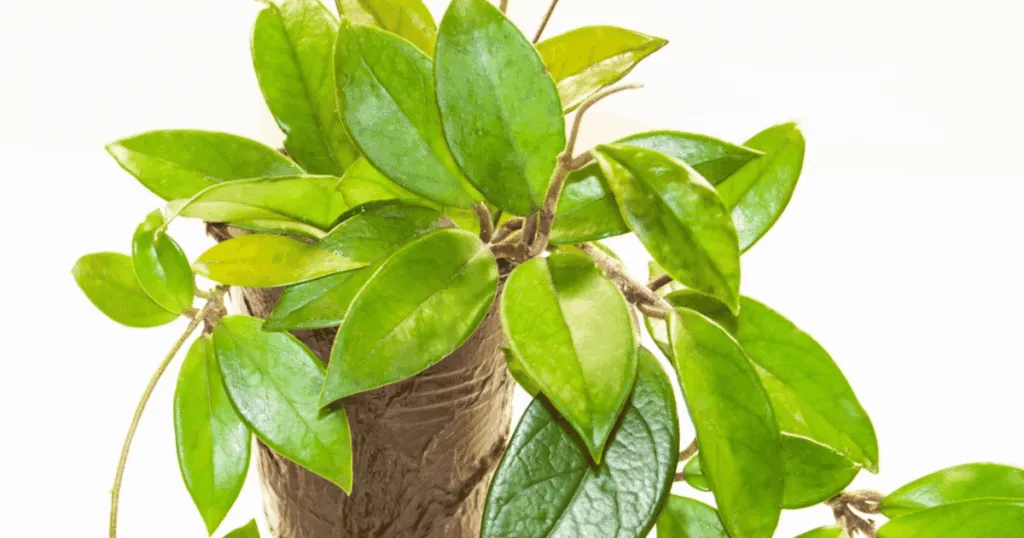
Hoya varieties are among the most resilient trailing plants for window sills. They enjoy the bright light found near windows and are remarkably slow-growing, which means they won’t quickly take over your workspace. Their waxy, succulent-like leaves allow them to handle the dry air often found in HVAC-controlled offices. Because they are non-toxic, they are a safe, elegant choice for shared workspaces or reception areas where pet or human safety is a priority.
Ponytail Palm
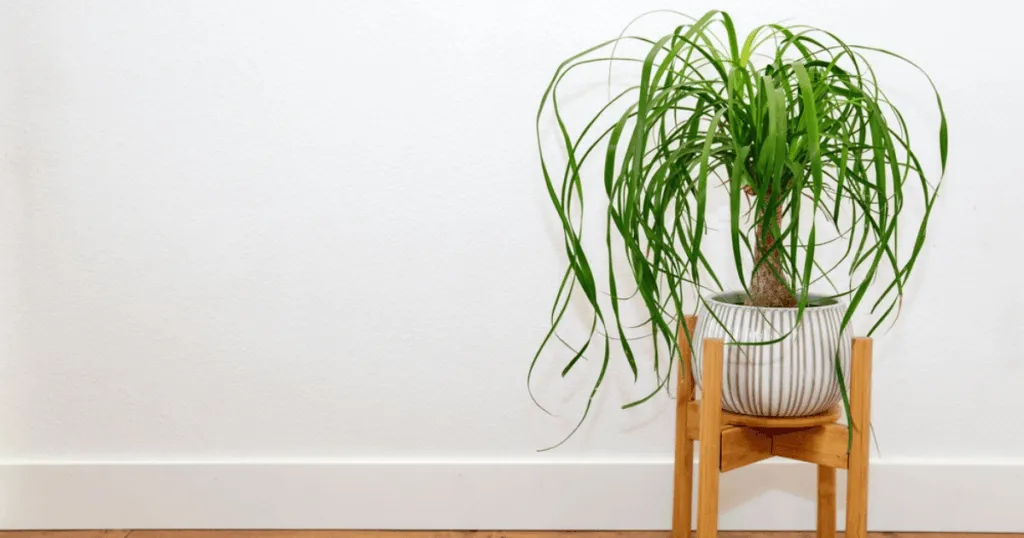
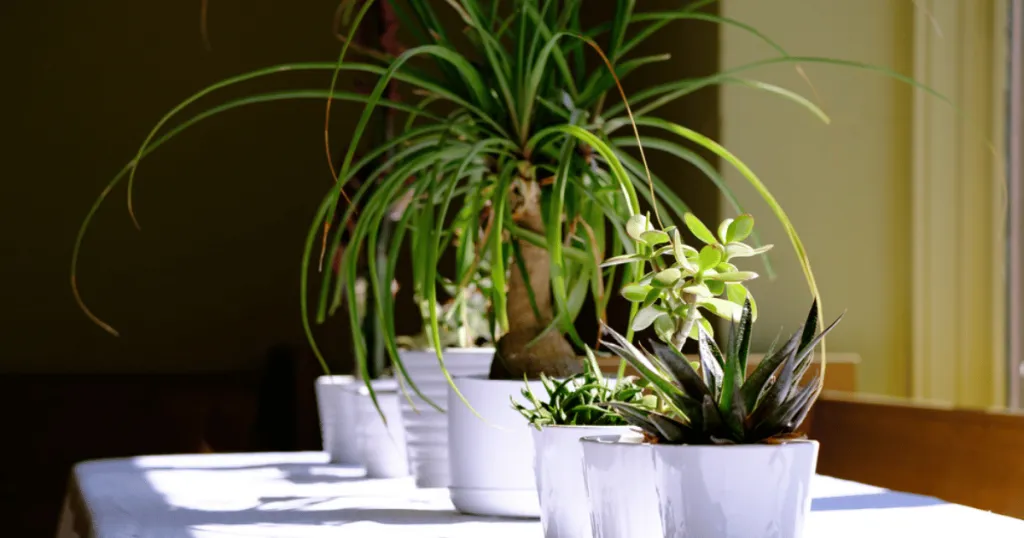
If you want a statement piece that fits on a sill, the Ponytail Palm is a standout. It is not a true palm but a succulent that stores water in its bulbous trunk. This makes it exceptionally drought-tolerant. It thrives in bright, direct light and adds a sculptural element to a window display. Because it grows slowly, you won’t need to worry about repotting it frequently, making it a low-maintenance, long-term office companion.
African Violet
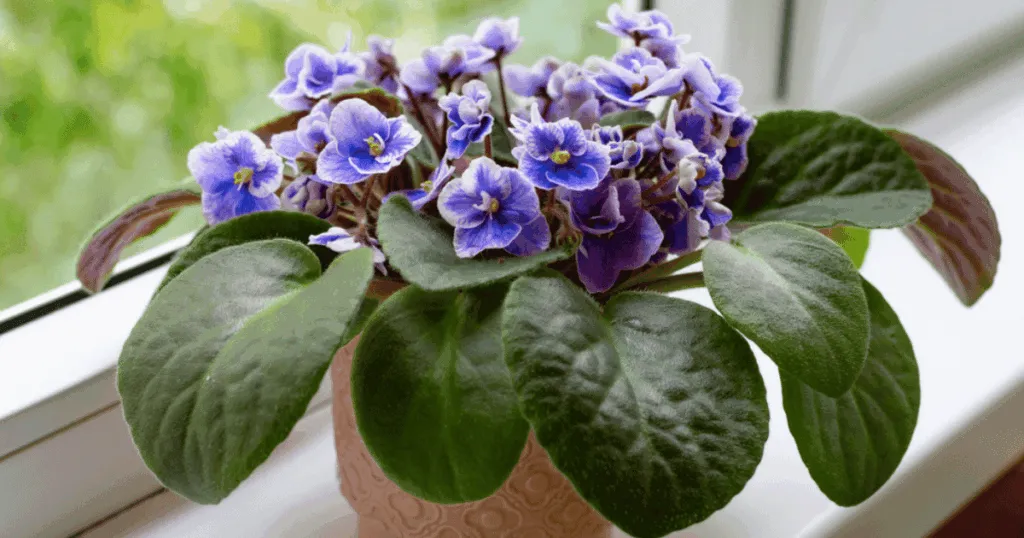
For those who prefer a flowering plant, the African Violet is a classic desk-side choice. It requires bright, indirect light to bloom consistently. The key to success here is avoiding direct, scorching sun, which can burn the leaves, and using room-temperature water to avoid spotting the foliage. They are compact and non-toxic, making them a safe and cheerful addition to a reception desk or a personal office window.
Syngonium
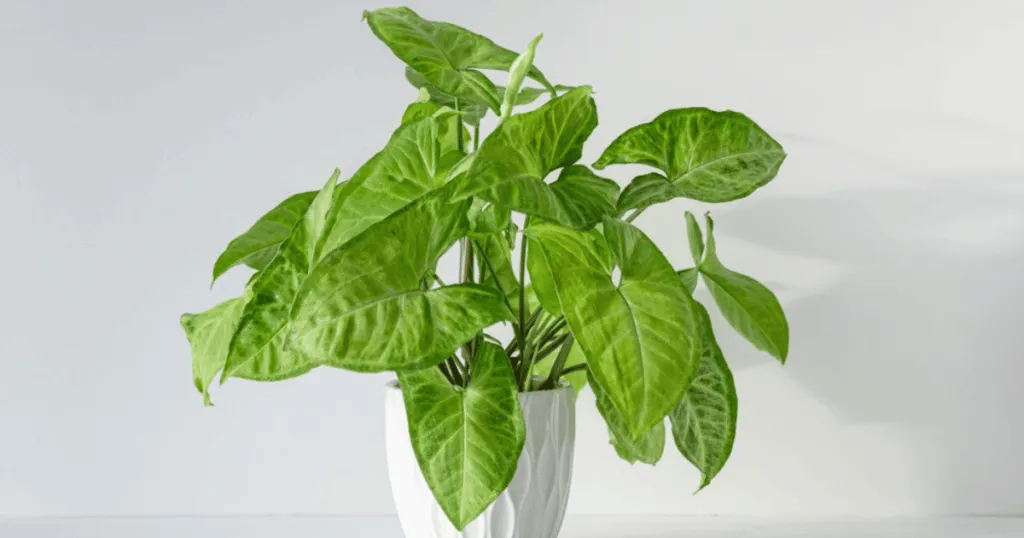
Often called the Arrowhead Plant, the Syngonium is highly adaptable to the medium-light conditions of many office windows. It offers a beautiful, changing leaf shape as it matures. It is a trailing or vining plant, so it looks particularly good on a sill where it can drape downward. While it is toxic if ingested, its ease of care and ability to thrive in standard office temperatures make it a very popular choice for managers looking for a reliable, fast-growing plant.
Expanding Your Sill Selection: Additional Varieties
Beyond the classic choices, several other species excel in the unique environment of an office window. When selecting these, consider the specific orientation of your window. For example, a Snake Plant is surprisingly versatile; while it is known for low-light tolerance, it can handle the bright, indirect light of an east-facing sill with ease. Its vertical, architectural growth habit makes it perfect for narrow sills where space is at a premium. However, be aware that it is mildly toxic to pets, so it should be placed in areas inaccessible to office animals.
For those looking for a more lush, tropical feel, the Spider Plant is an excellent, non-toxic candidate. It thrives in medium to bright indirect light and is highly adaptable to the fluctuating humidity levels of an office. Its tendency to produce ‘babies’ or plantlets on long stems adds a dynamic, living element to a window display. For a more sophisticated, elegant look, the Parlor Palm is a superior choice. Unlike many other palms that demand intense light, the Parlor Palm is one of the most shade-tolerant varieties available, making it perfect for windows that are partially obstructed by exterior architecture.
If you have a wider sill and want a plant with a bit more presence, consider the Chinese Evergreen (Aglaonema). These plants offer a stunning array of leaf patterns and colors that can brighten up a dull office corner. They are relatively easy to care for, preferring medium indirect light and consistent, though not soggy, soil moisture. For those who prefer a trailing vine, the Heartleaf Philodendron is a classic for a reason. It is incredibly resilient, tolerating a range of light conditions, though it performs best in medium to bright indirect light. Its heart-shaped leaves add a softening touch to the hard lines of office furniture.
Managing Environmental Stressors
The office environment presents specific challenges that differ significantly from a home garden. The most significant of these is the ‘HVAC effect.’ Office air is typically filtered, dehumidified, and circulated by mechanical systems. This creates a dry, stagnant environment that can cause rapid moisture loss in plants. To combat this, monitor your plants for signs of distress such as brown, crispy leaf tips or drooping foliage. If you notice these symptoms, it may be necessary to increase the ambient humidity around the plant, perhaps by using a small pebble tray or grouping plants together to create a micro-climate.
Another critical factor is the ‘glass barrier.’ In the winter, the glass can become extremely cold, which can shock tropical plants if their leaves are in direct contact with the pane. Conversely, in the summer, the glass can radiate heat, effectively cooking the plant. To mitigate this, ensure there is a small gap of at least two to three inches between the plant foliage and the window glass. This allows for air circulation and prevents the plant from experiencing the extreme temperature fluctuations of the glass surface itself.
Finally, consider the ‘maintenance cycle.’ In an office, you are often working within a five-day week. This means that plants must be able to withstand the weekend without attention. Succulents and drought-tolerant plants like the ZZ Plant or Cast Iron Plant are ideal for this, as they can go several days without water. If you choose more moisture-demanding plants like the Peace Lily or Boston Fern, ensure you have a plan for watering, or consider self-watering pots which can provide a consistent moisture supply during the weekend.
Placement and Use-Case Breakdowns
Effective placement is about more than just finding a spot; it is about matching the plant’s biological needs to the office’s physical constraints. For a reception area, prioritize plants that are non-toxic and have a clean, architectural look, such as the Ponytail Palm or Peperomia. These plants signal a well-maintained, professional space without requiring constant pruning or leaf cleanup.
In a private office or cubicle, you have more freedom to choose plants that reflect your personal style. If your sill is deep and receives morning sun, a Hoya or an African Violet will thrive. If your desk is in a high-traffic area, avoid trailing plants that might get caught on clothing or office supplies. Instead, stick to upright, sturdy plants like the Jade or a compact Syngonium. Always consider the “blind factor”: if you regularly lower your blinds to reduce glare on your computer monitor, ensure your plants are not trapped behind them, as they will suffer from the lack of airflow and light.
Limitations and Trade-offs
Not every window is a good home for a plant. If your office window sill is located directly above a heating vent, the constant stream of hot, dry air will desiccate almost any plant, causing brown leaf tips and premature wilting. In such cases, it is better to move the plant to a desk surface nearby rather than forcing it to live on the sill. Additionally, be aware that window glass can act as a magnifying lens. In the peak of summer, the temperature on a south-facing sill can spike significantly, potentially cooking the roots of plants in plastic pots. Using ceramic or terracotta pots can provide a small buffer against these temperature fluctuations.
Finally, remember that the best plants for window sills are those that fit your maintenance capacity. If you are frequently away from the office, choose succulents like the Jade or Ponytail Palm. If you enjoy the ritual of plant care, the African Violet or Peperomia will reward your attention with consistent growth. Do not feel pressured to fill every window; a single, healthy plant is always more professional than a row of struggling, yellowing specimens.
We provide this information for educational purposes to help you maintain a healthier, more productive office environment. While we strive for accuracy, plant health is influenced by a complex interplay of local humidity, specific light intensity, and individual office maintenance habits. We do not provide commercial services or plant-care products. Please consult with your office facilities manager regarding any policies on plant placement, as some buildings have specific regulations concerning fire safety, weight limits on window ledges, or restrictions on organic materials in shared spaces.
FAQ
Can I put any plant on a window sill?
Not every plant is suited for a window sill. You must match the plant’s light requirements to the window’s orientation. South-facing windows are often too intense for foliage plants, while north-facing windows may be too dim for sun-loving succulents. Always check the specific light needs of your plant.
How do I know if my office window is too drafty for plants?
If you notice a consistent chill or a sudden blast of hot air when the HVAC system cycles, the area is likely too stressful for sensitive plants. If your plants show signs of leaf drop or brown, crispy edges despite adequate watering, they are likely suffering from environmental stress caused by drafts.
Should I worry about the best plants for window sills being toxic?
Toxicity is a valid concern in shared office spaces. Many popular plants, including the Jade and Syngonium, are toxic if ingested. If your office is a high-traffic area or if pets are occasionally present, prioritize non-toxic options like the Peperomia, Hoya, or Ponytail Palm to ensure a safe environment.
How often should I rotate my plants on the window sill?
Rotate your plants once a week. Because light comes from one direction, plants will naturally grow toward the glass, leading to lopsided, weak stems. A simple quarter-turn every time you water or check the plant will keep it growing symmetrically and looking professional.