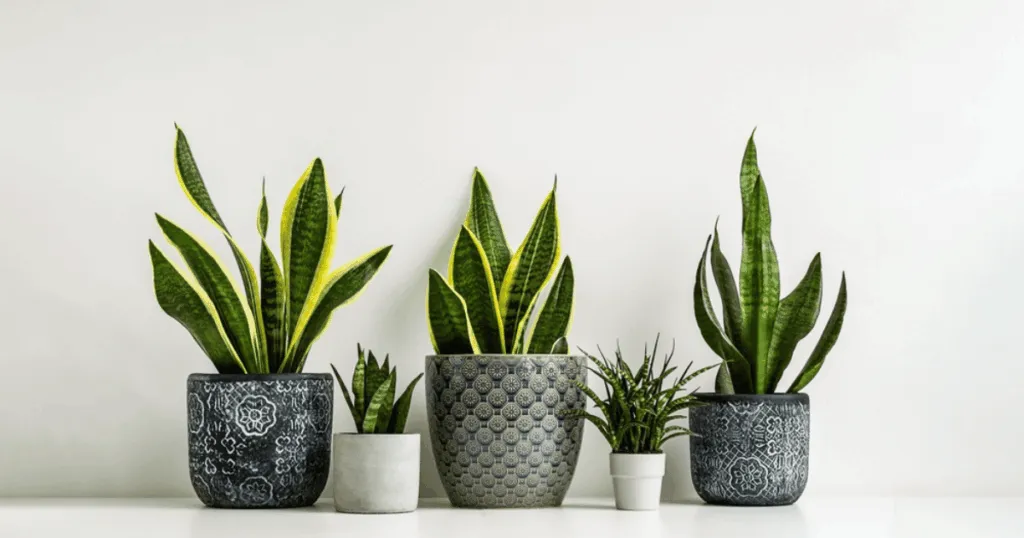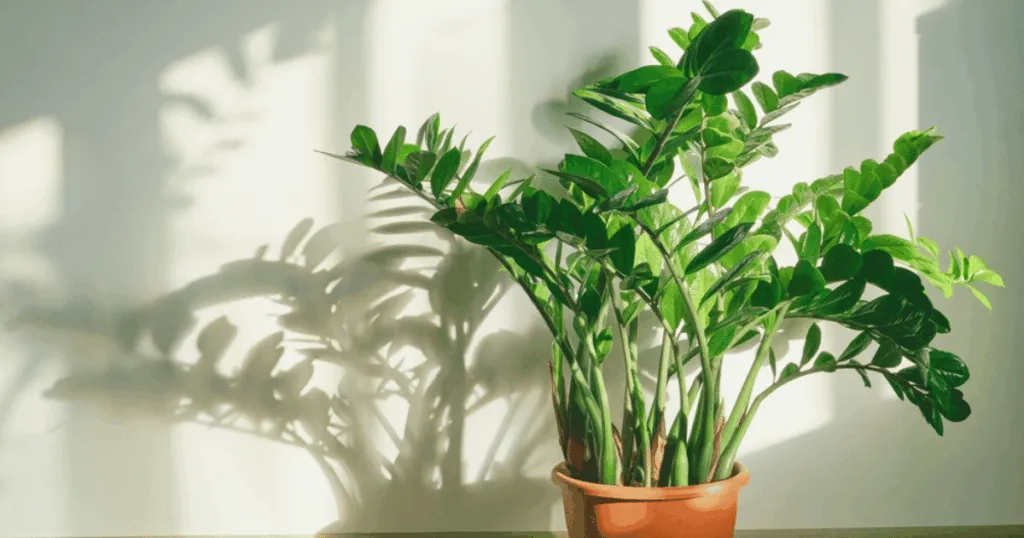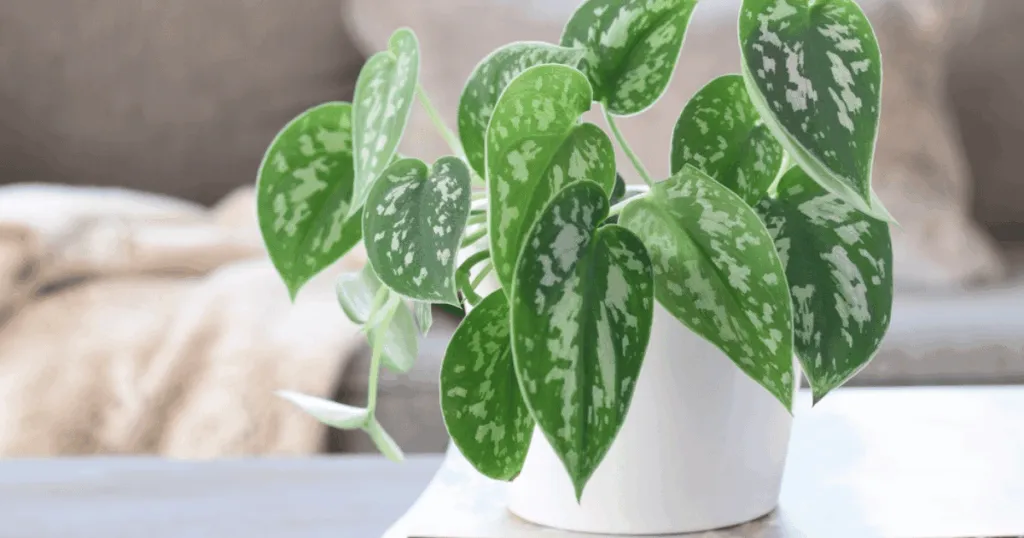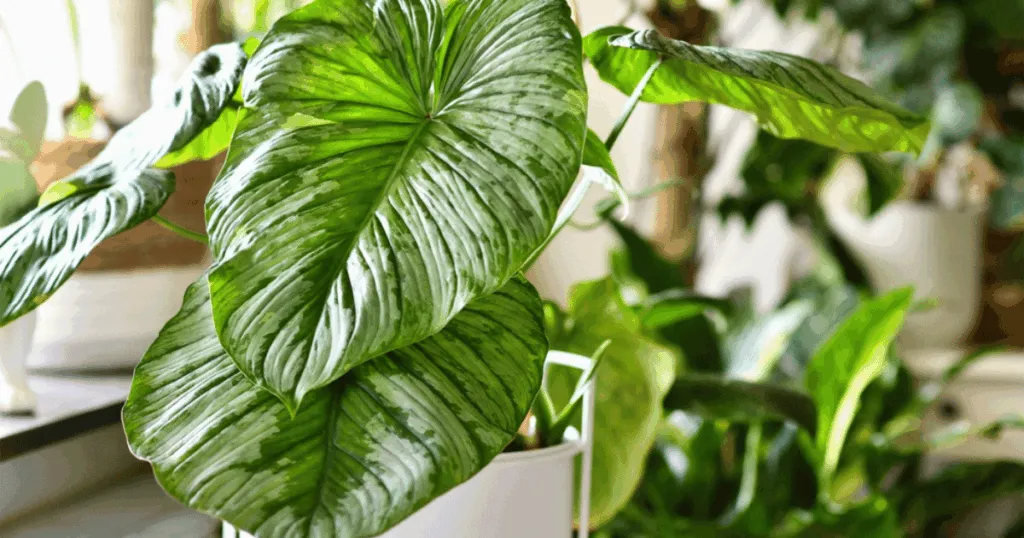
The Peperomia genus is remarkably diverse, offering a wide array of textures, colors, and leaf shapes that make it a favorite for office environments. Unlike many other indoor plants that grow into sprawling, unmanageable specimens, most Peperomia varieties maintain a compact, upright, or slightly trailing habit. This makes them exceptionally well-suited for the limited real estate of a standard office desk or a shared reception counter.
- Thrives in medium indirect light, perfect for office cubicles.
- Allow the top inch of soil to dry between waterings.
- Semi-succulent nature makes it sensitive to overwatering and root rot.
- Non-toxic to cats and dogs according to ASPCA guidelines.
- Compact growth habit fits easily on crowded office desks.
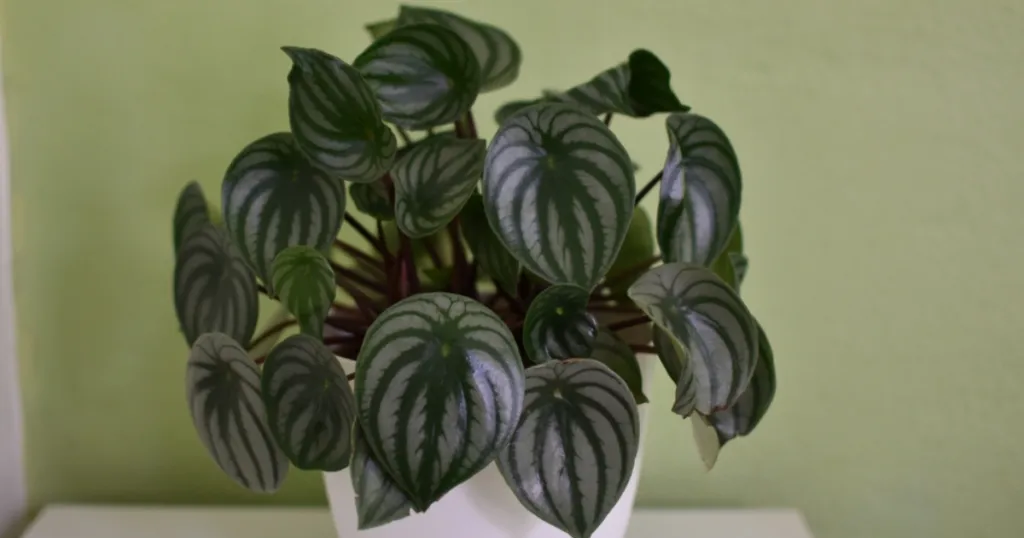
Diverse Forms and Growth Habits
You will often find these plants categorized by their leaf characteristics. Some varieties, such as Peperomia obtusifolia (often called the Baby Rubber Plant), feature thick, succulent-like leaves that are glossy and rounded. Others, like Peperomia caperata, offer deeply corrugated, heart-shaped foliage that adds a tactile, sculptural element to a workspace. Because they grow slowly, you won’t find yourself needing to prune or repot them frequently, which is a significant advantage for office managers looking to minimize maintenance overhead.
The root systems of these plants are generally shallow and compact. This biological trait is what keeps the plant from outgrowing its pot too quickly. In an office setting, this means you can keep a Peperomia in the same container for several years without the plant becoming root-bound or requiring a messy repotting session. Their growth is steady rather than explosive, allowing them to remain aesthetically consistent throughout the year.
Managing Care in an Office Environment
Peperomia plants are favored in professional settings because they are relatively forgiving of the fluctuations common in office buildings. While they prefer consistency, they do not demand the high-maintenance care routines required by more temperamental tropical species. The primary goal for any office worker is to mimic the plant’s natural understory habitat while accounting for the artificial environment of an HVAC-controlled office.
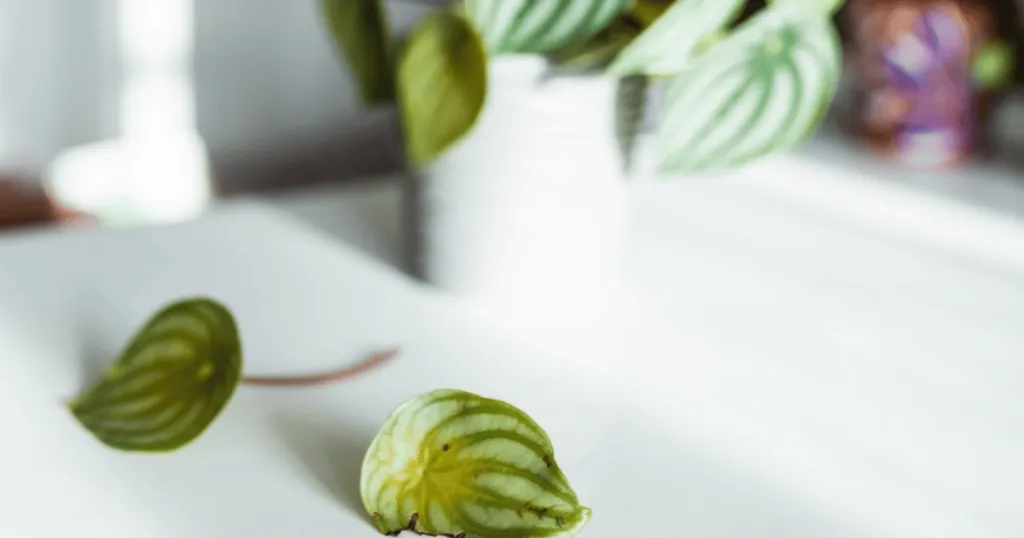
Light and Placement
These plants perform best in medium indirect light. In an office, this usually means placing the plant near a window that has a sheer curtain, or in a spot that receives bright, filtered light from overhead fluorescent or LED fixtures. If your desk is in a windowless room, a Peperomia can often survive under standard office lighting, though it may grow more slowly. Avoid placing them in direct, harsh sunlight, which can scorch their leaves and cause them to lose their vibrant color.
Watering and Moisture
Watering is the most critical aspect of Peperomia care. Because they are semi-succulent, their leaves store water, making them prone to root rot if the soil remains constantly soggy. The most effective strategy is to let the top inch of soil dry out completely before you add more water. In an office, it is easy to get into a habit of watering on a specific day of the week, but you should always check the soil moisture first. If the soil still feels damp, skip the watering. This approach prevents the most common cause of plant failure in the workplace: overwatering.
Office Suitability and Placement Strategy
The primary reason Peperomia is a top-tier choice for offices is its ability to handle the specific stressors of a corporate environment. Office air is often dry due to constant climate control, which can be lethal to humidity-loving tropicals. Peperomia, however, is quite content with average room humidity. You do not need to worry about misting the leaves or installing a humidifier, which is a major benefit for maintaining a clean, professional workspace.
When planning your office greenery, consider the vertical space. Because Peperomia doesn’t reach for the ceiling, it is ideal for placement on bookshelves, filing cabinets, or directly on a desk surface. Its size makes it an excellent candidate for grouping with other low-light plants to create a lush, layered look without creating a cluttered or overgrown appearance. The variety of leaf colors—ranging from deep emerald greens to variegated patterns with silver or cream streaks—allows you to choose a plant that complements your office decor.
One common mistake is placing these plants near air vents or heaters. While they are resilient, direct blasts of hot or cold air can cause leaf drop or stress. Aim for a spot with stable temperatures, ideally away from direct airflow. If you are responsible for a large office space, these plants are also excellent for meeting rooms where they can sit on tables without obstructing the view or taking up too much room during presentations.
Safety and Practical Limitations
For offices that allow pets or for managers concerned about workplace safety, Peperomia is an excellent choice. According to the ASPCA, Peperomia species are non-toxic to both cats and dogs. This makes them a safe, worry-free addition to any office environment where animals might be present, or where there is a general concern regarding plant toxicity. Unlike plants containing calcium oxalate crystals, which can cause irritation, Peperomia is generally considered safe to handle.
However, it is important to remember that while they are easy to care for, they are not indestructible. The biggest limitation is their sensitivity to cold drafts and extreme temperature swings. If your office building shuts down the HVAC system completely over long weekends in the winter, ensure your plant is not sitting in a spot that becomes freezing. Additionally, while they are low-maintenance, they are not “no-maintenance.” They still require basic attention, such as wiping dust off their leaves occasionally to ensure they can photosynthesize efficiently under artificial light.
Optimizing Long-Term Health in the Workplace
To ensure your Peperomia remains a vibrant feature of your office, consider the long-term health of the soil and container. While the plant is slow-growing, the potting medium can eventually break down, losing its ability to provide proper aeration. Every 18 to 24 months, it is beneficial to refresh the top layer of soil or consider a gentle repotting into a container with fresh, well-draining potting mix. This practice helps prevent the soil from becoming compacted, which is a common issue in office plants that are watered with tap water containing minerals that accumulate over time.
Furthermore, observe the growth pattern of your specific cultivar. Some trailing varieties, such as Peperomia rotundifolia, may benefit from occasional light pruning if the stems become too long or sparse. This simple maintenance step encourages the plant to put energy into fuller, bushier growth rather than stretching toward a distant light source. By keeping the plant compact, you maintain the professional aesthetic that makes Peperomia such a staple in modern office design.
Handoff to Detailed Care
While this overview provides the foundational knowledge needed to keep a Peperomia healthy in your office, individual varieties may have subtle preferences regarding light intensity or soil aeration. If you notice your plant’s leaves yellowing or the stems becoming mushy, you may need to adjust your watering frequency or check the drainage of your pot. We recommend consulting our dedicated troubleshooting guide for specific signs of distress, such as leaf drop or fungal issues, which can occur if the plant is kept in an environment with poor air circulation.
For those interested in long-term success, our deep-dive care manuals cover advanced topics like propagation, soil amendments for better drainage, and how to identify the specific needs of different Peperomia cultivars. By mastering these basics, you can ensure your office plant remains a vibrant, healthy fixture of your workspace for years to come.
Related Peperomia Guides
- the full Peperomia care breakdown
- why your Peperomia might be struggling
FAQ
Can Peperomia survive in an office with no windows?
Yes, Peperomia can often survive in windowless offices, provided they are exposed to consistent artificial lighting like fluorescent or LED desk lamps. While they will not grow as quickly as they would in natural light, they are among the most shade-tolerant indoor plants available for office settings.
How often should I water my Peperomia in an office?
There is no set schedule, as watering depends on your office’s temperature and humidity. Instead of a calendar, use the ‘top-inch’ rule: stick your finger into the soil. If the top inch is dry, it is time to water. If it feels moist, wait a few more days to avoid root rot.
Why are the leaves on my Peperomia falling off?
The most common cause for leaf drop in Peperomia is overwatering, which leads to root rot. If the soil is constantly soggy, the roots cannot breathe. Check the soil moisture immediately; if it is saturated, allow it to dry out completely and ensure your pot has proper drainage holes.