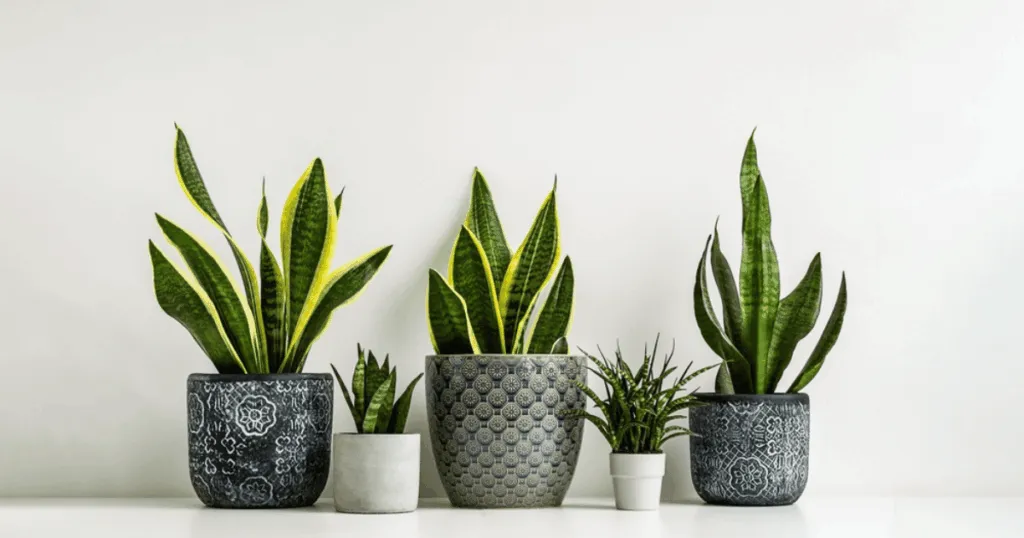
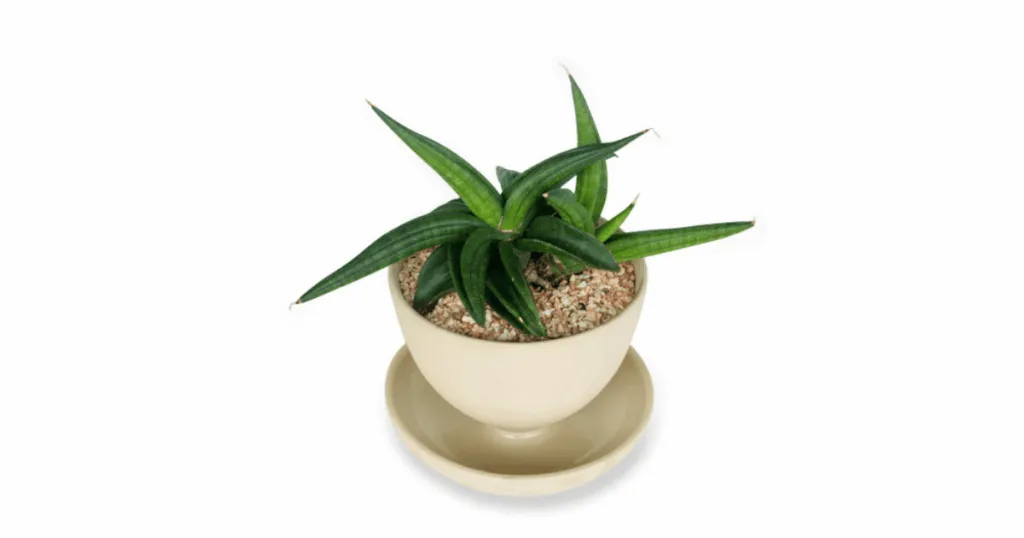
A patens snake plant is a compact, architectural snake plant with thick, rounded leaves that fan outward rather than growing as a flat cluster. It can be a strong office plant for a bright reception desk, shelf near a window, or small floor spot, but it is not the best choice for a windowless cubicle with only weak ceiling lighting.
Its main advantage is drought tolerance. Its main risk is overwatering in a low-light office. Give it a pot with drainage, let the potting mix dry well between waterings, and keep it away from cold air conditioning vents. Before bringing one into a pet-friendly workplace, know that snake plants are toxic to cats and dogs if chewed.
What Makes a patens snake plant Different?
The plant commonly sold as Sansevieria patens is now often classified as Dracaena patens. Plant labels may use either botanical name. It belongs to the same broad group as other snake plants, including Dracaena trifasciata, formerly called Sansevieria trifasciata.
Look for firm, cylindrical to deeply channeled leaves. The leaves are usually dark green with subtle banding or mottling, and they often spread in a loose fan. Mature leaves may arch outward, which gives the plant more visual width than an upright, sword-leaved snake plant. This is why it works especially well as a low accent plant on a credenza or in a reception display.
Do not assume every round-leaved snake plant is a patens type. Plants sold as African spear, cylindrical snake plant, or braided sansevieria are often different species or hybrids. A label that says “Boncel” may refer to a compact bird’s-nest-style cultivar with short, fingerlike leaves. The care is broadly similar, but final size and shape can differ enough to matter on a crowded desk.
| Office factor | What this plant handles | What to avoid |
|---|---|---|
| Light | Medium to bright indirect light. Tolerates low light slowly. | Deep interior darkness or hot direct sun against glass. |
| Watering | Usually every 2 to 5 weeks indoors, after soil dries well. | Weekly routine watering or a pot that stays damp. |
| Space | Compact footprint, with leaves spreading outward. | Narrow walkways where outward leaves get bumped. |
| Office closures | Handles weekends and many holiday closures well when dry. | Watering heavily before leaving the office. |
| Pets | Best kept out of reach in pet-free areas. | Floor placement where cats or dogs can chew it. |
How much office light does it really need?
This plant survives in lower light, but survival and good appearance are not the same. In medium indirect light, it is more likely to maintain firm leaves and make modest new growth. A spot a few feet from an unobstructed east, west, or bright north-facing window is usually suitable. Tinted glass reduces usable light, so move the pot closer to the window than you might expect.
Overhead LED or fluorescent panels can support a plant only if it is directly beneath reasonably bright fixtures for much of the workday. A desk several yards from windows, with lights switched off every night and all weekend, is a low-light location. The plant may live there but grow very slowly, and wet soil will take much longer to dry. In that setting, water less often or use a small grow light on a timer.
Strong direct afternoon sun through a south or west window can scorch or bleach leaves, especially after the plant has been in dim light. Set it just back from the glass, use a sheer blind, or place it where direct rays do not strike the leaves for hours.
Watering is the decision that matters most
Snake plants store water in their thick leaves and underground rhizomes. That reserve makes them forgiving when the assigned waterer is away. It does not make them tolerant of constantly wet roots.
Check the potting mix before watering. Push a finger 2 inches into the soil, or use a wooden chopstick. If it comes out cool, darkened, or with damp soil attached, wait. Water only when the mix is dry at least halfway down the pot, and preferably nearly dry in a dim office. Then water thoroughly until a little runs through the drainage hole, and empty the saucer.
A useful starting range is every 2 to 3 weeks in brighter office light and every 4 to 5 weeks in lower light or winter conditions. A small pot beside a warm window may dry sooner. A large pot in a cool conference room may need water far less often. For more detail on adapting a routine to your conditions, use this snake plant watering routine.
Never add water simply because it is Monday, the calendar says two weeks, or the plant looks unchanged. The real issue is how wet the root zone remains. Shared care teams should put a dated tag in the pot or maintain a simple watering log so two people do not water it in the same week.
Pot, soil, and temperature needs in a workplace
Use a container with at least one drainage hole. A decorative cachepot is fine only if you lift out the nursery pot to water and let it drain fully before returning it. A pot without drainage is a common reason snake plants decline in offices.
A cactus and succulent mix, or regular indoor potting mix amended with pumice or perlite, helps water move through the root zone. Do not repot just because roots are visible at the surface. These plants can stay slightly snug in their pots. Repot in spring or early summer when roots fill the pot, the container bulges, or water races through because roots have displaced most of the soil.
Keep it in normal office temperatures, ideally about 65 to 80°F [18 to 27°C]. Avoid temperatures below 50°F [10°C]. Cold drafts from exterior doors, air conditioning vents, and chilled window glass can stress the leaves. Heat from a radiator or copier is also a poor placement choice because it can dry the pot unevenly and expose foliage to hot air.
Where a Patens Snake Plant Works Best at Work
A reception desk or lobby credenza
This is often the best use. Its sculptural leaf shape reads clearly from a distance without taking up much soil space. Leave enough room around the pot for the leaves to spread, and choose a stable, heavy container if visitors or children could brush against it. Do not put it within reach in a pet-friendly reception area.
A bright shared desk or bookcase
On a desk, choose a smaller plant in a 4 to 6 inch pot and place it near the brighter side of the workspace. Keep leaves away from monitor heat and do not wedge the pot behind a screen where airflow is poor. A bookcase can work if it faces a window or has a dedicated plant light. It is not a good match for the dark center shelf of a tall cabinet.
A conference room with inconsistent care
A patens type can be useful in a meeting room that is occupied only part of the week. Water it before the mix becomes bone dry for many months, but do not give it extra water before a three-day weekend. A dry plant copes with an office closure better than a freshly soaked one.
If the room has no daylight and lights are used only during meetings, choose a lower-demand artificial plant or install a proper grow light. A live snake plant cannot use light that is not there. For a broader placement comparison, this overview of snake plants for offices can help you decide if a more upright form fits the space better.
Brown Tips, Soft Leaves, and Other Warning Signs
Firm leaves with minor cosmetic marks are not usually an emergency. Softness, yellowing at the base, or a sour smell from the soil point more strongly to excess moisture. Stop watering, move the plant to brighter indirect light, and inspect the roots if the pot remains wet for weeks. Brown, mushy roots should be trimmed with clean scissors before repotting into fresh, fast-draining mix.
Wrinkled or slightly folded leaves can mean the plant has stayed dry too long, but check the roots before assuming thirst. Root damage from overwatering can also prevent water uptake and cause wrinkling. If the soil is dry and the roots are firm, water deeply. If soil is wet and roots are soft, treat it as a drainage problem instead.
Brown tips may follow dry HVAC air, mineral buildup, physical damage, or irregular watering. They are less serious than base rot. Trim only the dead brown portion with clean scissors, following the leaf’s natural shape. Use room-temperature water and avoid placing the pot directly under a blasting vent.
For symptom-by-symptom help, consult these common snake plant problems. Do not fertilize a struggling plant. Fix light, watering, and drainage first. If you fertilize a healthy plant, use a diluted balanced houseplant fertilizer once in spring or summer, no more than every 6 to 8 weeks.
Saponins Make This a Poor Choice for Chewing Pets
Like other snake plants, this species contains saponins. The ASPCA lists snake plants as toxic to cats and dogs. Chewing or swallowing leaves can cause drooling, nausea, vomiting, or diarrhea. The plant is not a good choice for a workplace cat, office dog, or reception area where pets regularly have access to floor-level plants.
Place it on a high shelf only if the shelf is truly inaccessible and stable. Do not rely on a bitter taste to prevent repeat chewing. If a pet has eaten part of the plant or develops symptoms, contact a veterinarian or a veterinary poison-control service promptly.
For offices with young visitors, keep the pot out of reach and clean up broken leaf pieces promptly. The leaves and potting mix are also not appropriate for anyone to eat. This is not generally an allergy-focused plant, but dusty leaves can collect office dust. Wipe them with a damp cloth every month or two rather than using leaf shine products.
What to Do Before You Bring One Into the Office
Start by checking the intended spot at desk height, not by judging how bright the room feels from the doorway. If you can comfortably read there in daytime but the plant will be far from a window, treat it as low light and water sparingly. If the spot is directly beneath bright office LEDs, monitor the soil for the first month before settling into a schedule.
- Choose a pot with drainage and a saucer or cachepot that can be emptied.
- Keep it several feet from cold AC vents, radiators, and frequently opened exterior doors.
- Leave clear space around the outward-growing leaves.
- Assign one person to check soil moisture, or use a visible watering log.
- Keep it out of reach if pets, children, or visitors may chew foliage.
- Wait to fertilize until you see healthy new growth in the office.
For most workplaces, a patens snake plant is a sensible option if you have at least moderate light, dry hands rather than eager weekly waterers, and a safe location. Place it well, then let it dry between thorough waterings. That simple routine is more valuable than frequent attention.
FAQ
How big does a patens snake plant get indoors?
Indoor size varies with age, light, and the particular plant sold under the name. Many remain compact enough for a tabletop while their leaves spread outward, and larger specimens can suit a low cabinet or floor container. Expect slower growth in offices. Check the mature width as well as height, since the fan-shaped leaves can occupy more room than an upright snake plant.
Can a patens snake plant flower indoors?
It can produce a flower stalk indoors, but flowering is uncommon and should not be expected in an office. Small, pale, fragrant flowers may appear on mature plants under favorable conditions. A lack of flowers does not mean the patens snake plant is unhealthy. Firm leaves, stable color, and gradual new growth are better signs that its light and watering routine are working.
Can I divide a patens snake plant for more office plants?
Yes, division is usually the most reliable way to make more plants while preserving the parent plant’s form. During repotting, separate a rooted rhizome section with at least one healthy leaf cluster, then pot it in a small container with drainage. Wait several days before watering if roots were damaged. Avoid division unless the plant is crowded and healthy.
Why are the leaves leaning outward instead of standing straight?
A spreading or slightly arching fan can be normal for this type of snake plant. Sudden leaning is different. It can happen when light comes strongly from one side, when leaves are bumped in a busy office, or when roots are weak from wet soil. Rotate the pot a quarter turn monthly in bright indirect light, but investigate moisture if leaves also feel soft.