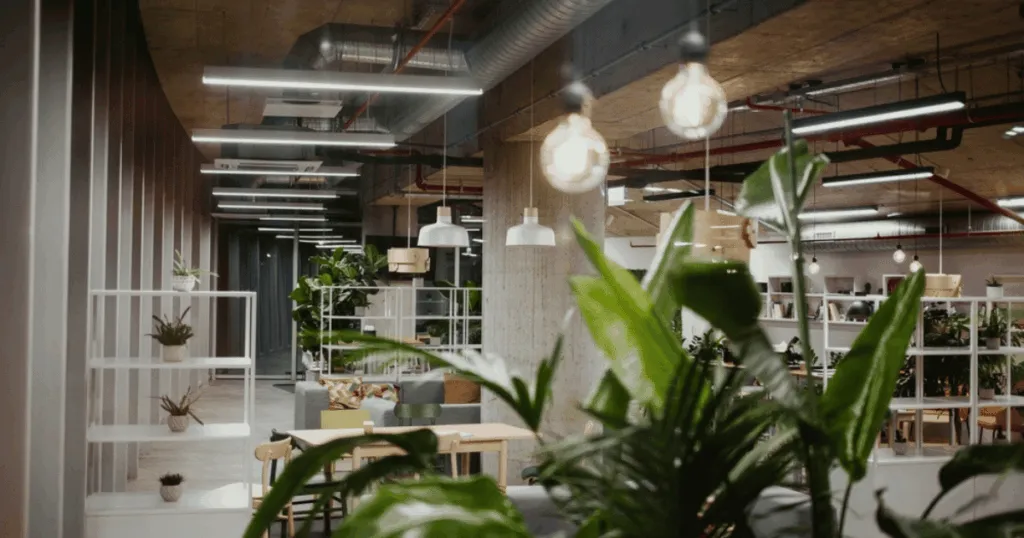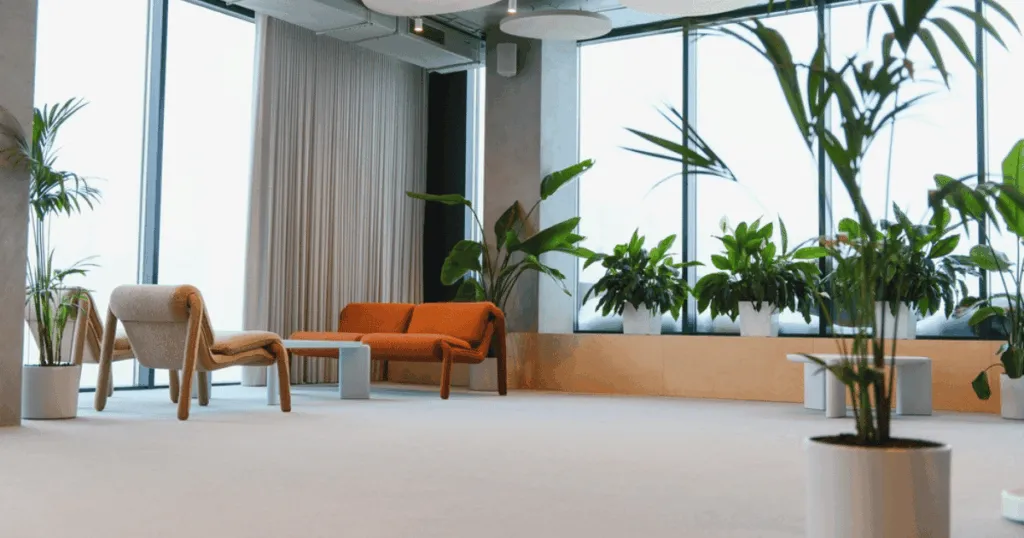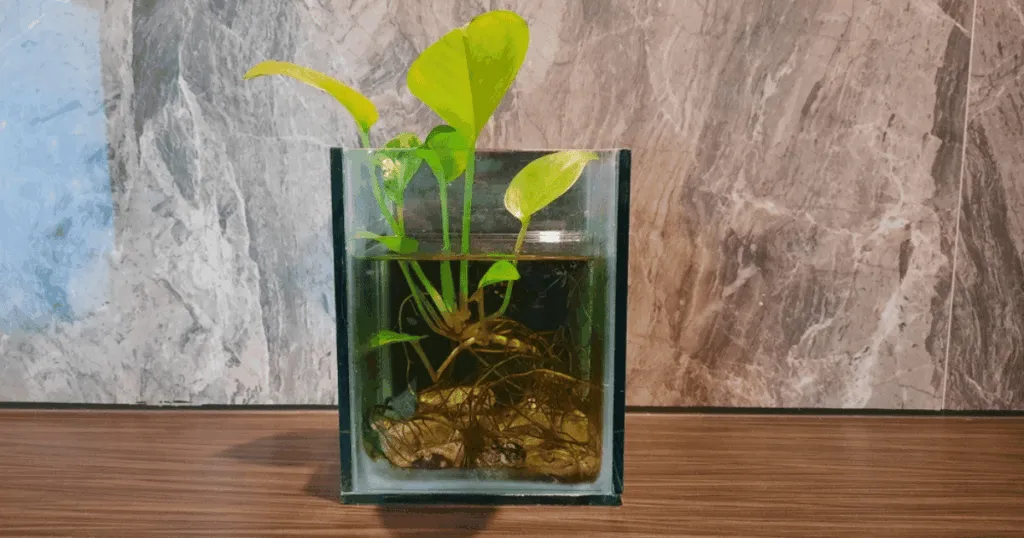
Stepping into a windowless interior workspace often sparks a common question among workplace managers and desk-bound employees. Can plants grow under office lights, or is natural sunlight an absolute requirement for indoor greenery? The short answer is yes, many resilient species adapt remarkably well to standard commercial ceiling fixtures. However, success depends entirely on matching the specific light output of your workspace to plants with modest energy demands.
Transforming a sterile corporate interior into a vibrant, living workspace requires understanding how artificial illumination interacts with botanical biology. When evaluating an office space for greenery, workplace decision-makers must look past human visual comfort and examine actual light metrics.

Understanding Commercial Indoor Lighting
Modern commercial buildings rely heavily on fluorescent tubes or linear LED arrays. While these fixtures create a comfortable environment for office workers reading documents or typing at monitors, they operate differently from natural outdoor sunlight. Sunlight delivers a broad spectrum of radiation and high intensity across all wavelengths, whereas office lighting is engineered specifically for human vision rather than photosynthesis.
To evaluate whether your workspace can support living foliage, you need to understand how light intensity drops off with distance. Natural light diminishes rapidly as you move away from windows, forcing interior plants to rely entirely on artificial overhead illumination. In most open offices, conference rooms, and reception desks, commercial fixtures emit light measured in foot-candles or lumens. While human eyes easily adjust to dim indoor spaces, plant leaves register every subtle decrease in available energy.
The Shift from Fluorescent Tubes to LEDs
Older office buildings often feature linear fluorescent troffers, while newer fit-outs utilize integrated LED panels. From a botanical standpoint, both types can sustain low light plants, provided the fixtures remain turned on for adequate daily durations. Fluorescent tubes emit a cooler or warmer spectrum depending on the specific bulbs installed, whereas LEDs offer directional output and consistent energy delivery over thousands of hours.
One common mistake in office settings is assuming that bright-looking overhead glare equals high photosynthetic energy. Human eyes perceive light logarithmically, meaning an office can feel brightly lit while offering very low actual foot-candle readings at desk height or on the floor. If a desk sits several feet below a standard ceiling fixture, the photon count drops significantly by the time it reaches the foliage. This discrepancy often surprises office managers who assume that well-lit desks automatically qualify as high-light zones for delicate tropical plants.
Minimum Light Thresholds for Office Foliage
Different indoor plant species require varying amounts of daily light exposure to maintain cellular function and produce new growth. In low light office environments, plants generally fall into specific operational categories based on their tolerance for artificial radiation.
| Lighting Level | Foot-Candle Range | Typical Office Location | Suitable Plant Types |
|---|---|---|---|
| Low Light | 50 to 150 foot-candles | Interior hallways, windowless cubicles, back offices | ZZ Plant, Snake Plant, Cast Iron Plant |
| Medium Light | 150 to 500 foot-candles | Conference rooms, open-plan desks near interior walls | Pothos, Peace Lily, Chinese Evergreen |
| High Light | 500+ foot-candles | Direct window proximity, glass-walled private offices | Ficus, Succulents, Palms |
When working with low light zones under 150 foot-candles, you must select tough foliage varieties that naturally evolve in shaded understories. These resilient species can survive indefinitely under artificial illumination, provided other care parameters like watering and temperature remain stable. Understanding office plants under artificial light requires recognizing that these thresholds dictate every subsequent decision regarding container placement and watering frequency.
How Office Schedules Affect Plant Survival
Beyond light intensity, the duration of illumination plays a decisive role in indoor plant health. In a typical commercial building, overhead lights remain switched on for eight to twelve hours a day during standard work hours. Outside of those windows, buildings often plunge into total darkness during nights, weekends, and holidays.
This artificial photoperiod mimics natural day-night cycles, giving office plants a predictable window to process energy. However, modern office energy-saving measures can create challenges for long-term plant survival. Motion-activated light sensors and automated evening shutoffs frequently plunge meeting rooms and individual offices into pitch blackness for days at a time over weekends.
Overcoming Weekend Darkness and HVAC Challenges
Extended weekend darkness rarely kills an established low light plant instantly, but it slows metabolic activity. If your office building turns off all interior lights from Friday evening until Monday morning, resilient species like snake plants and ZZ plants handle the break without dropping leaves. More demanding tropical species may exhibit leaf drop or stunted growth if deprived of light for extended stretches.
Indoor office climates present another variable. HVAC systems maintain low relative humidity and constant air movement. While artificial lights do not generate the intense heat of direct sunlight, nearby electronic equipment and air vents can dry out potting soil much faster than expected. Monitoring soil moisture manually rather than relying on a rigid calendar schedule prevents both under-watering and root rot.
When office buildings operate climate control systems around the clock, humidity levels can drop significantly. This dry air accelerates transpiration in plant leaves. If your workspace utilizes powerful HVAC diffusers overhead, position your containers slightly away from direct airflow to prevent leaf tip browning and excessive moisture loss.
Choosing the Right Plants for Artificial Light Environments
If you are planning greenery for a windowless workspace, prioritizing hardy foliage makes all the difference between a thriving display and constant plant replacements. Selecting species with proven indoor adaptability ensures your workplace decor remains vibrant without requiring specialized horticultural lighting rigs.
For those searching for plants that grow in windowless offices, the secret lies in choosing varieties equipped with specialized physiological adaptations. Plants that evolve beneath dense tropical canopies have developed mechanisms to maximize absorption of scattered, low-intensity light wavelengths.
Top Resilient Species for Overhead Lighting
- ZZ Plant (Zamioculcas zamiifolia): Exceptionally tolerant of low foot-candle levels, storing water in thick rhizomes to survive inconsistent care and weekend office closures.
- Snake Plant (Sansevieria / Dracaena trifasciata): Thrives under fluorescent or LED fixtures, requiring minimal watering and resisting dry HVAC air.
- Cast Iron Plant (Aspidistra elatior): True to its name, this classic interior plant tolerates deep shade, low humidity, and sporadic neglect with ease.
- Golden Pothos (Epipremnum aureum): Adapts well to moderate artificial desk lighting, displaying vigorous trailing vines when positioned close enough to overhead fixtures.
A common mistake in office decorating is placing high-light tropical plants in windowless interior core zones. While a vibrant fiddle-leaf fig or a sun-loving succulent might look appealing in a central conference room, those species quickly decline under standard commercial lighting. If your layout lacks natural windows, stick strictly to shade-tolerant varieties that naturally process lower light wavelengths.
Practical Maintenance Steps for Artificial Light Spaces
Keeping office plants healthy under artificial illumination requires minor adjustments to standard care routines. Because artificial fixtures deliver fewer total lumens than natural windows, plants consume water and nutrients at a slower pace. Over-watering is the single most frequent cause of plant decline in office environments, primarily because damp soil combined with low light leads directly to root decay.
Dust accumulation on leaves is another overlooked factor in windowless offices. Indoor dust settles on foliage quickly, creating a physical barrier that blocks what little light is available from reaching the photosynthetic cells. Wiping leaves down with a damp cloth every few weeks restores maximum light absorption and keeps your office plants looking healthy and professional.
In practice, evaluate your specific desk or conference room lighting before purchasing greenery. If you can comfortably read a standard book without turning on an extra desk lamp, your lighting level is likely sufficient for a hardy indoor plant. By selecting resilient species, managing watering schedules carefully around weekend office closures, and maintaining clean foliage, you can successfully integrate living plants into any workspace regardless of window access.
Ultimately, successful indoor landscaping under artificial light is less about replicating outdoor ecosystems and more about respecting the physiological limits of shade-adapted flora. By keeping expectations realistic and focusing on resilient foliage, office managers can maintain thriving green spaces in the most interior, windowless environments.
FAQ
Do office plants need special grow bulbs, or do standard fluorescent and LED ceiling lights suffice?
Standard commercial ceiling fixtures work well for resilient, low light tolerant species without needing specialized horticultural grow bulbs. However, if you are placing plants in deep interior cores or windowless executive suites, using full-spectrum LED replacement bulbs in nearby desk lamps can provide an extra boost of usable light energy.
What happens to office plants when the building lights are turned off all weekend?
Most tough office plants handle weekend darkness without trouble because their natural habitats include dense forest floors where light levels fluctuate. Hardier species enter a resting state over the weekend and resume normal metabolic activity when the office lights switch back on Monday morning.
How can I tell if my office lighting is too dim for a plant to survive?
If you notice prolonged lack of new growth, severe stretching or leggy stems reaching toward the nearest fixture, or rapid lower leaf yellowing, your plant is likely receiving insufficient light energy. Moving the container closer to a direct overhead fixture or switching to an even more shade-tolerant species solves the issue.