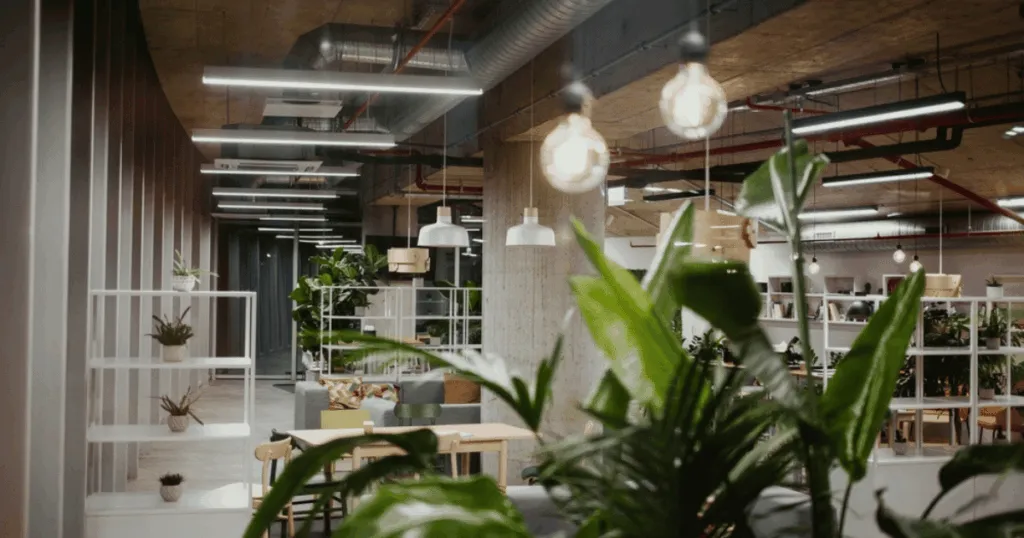
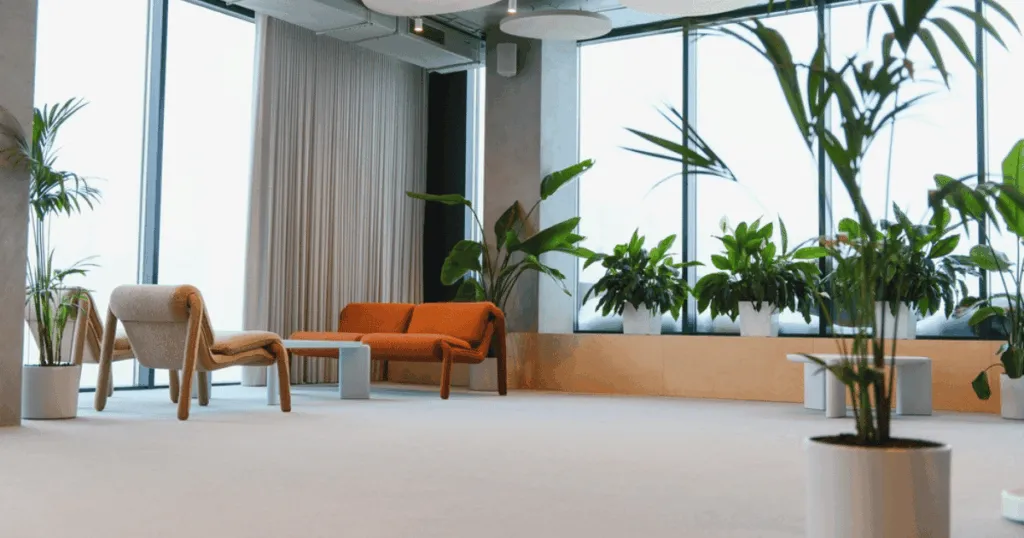
Office environments present a unique test for interior greenery, relying almost entirely on artificial illumination rather than direct outdoor sunlight. When deciding whether can plants grow under fluorescent office light, the answer depends heavily on fixture type, tube age, and the specific physiological requirements of the chosen species.
While traditional fluorescent bulbs emit a spectrum that can sustain shade-tolerant foliage, they lack the intense solar energy found near a south-facing window. Understanding how artificial light interacts with plant biology helps office managers select species that survive low-light conditions without dropping leaves or stalling out entirely. Navigating the unique microclimates of modern corporate spaces requires a clear-eyed assessment of energy transfer, building automation schedules, and biological adaptation.
The Physics of Artificial Spectrum and Plant Response
Plants rely on specific wavelengths of light to drive photosynthesis, primarily utilizing blue and red portions of the visible spectrum. Traditional fluorescent tubes, such as standard T8 and T12 fixtures, were originally engineered for human visual comfort rather than botanical growth. This means their spectral output is heavily weighted toward yellow and green wavelengths, which plants reflect rather than absorb efficiently.
Despite this spectral mismatch, many common indoor office plants originate from dense tropical forest floors where they naturally evolved to filter out high-intensity radiation beneath a heavy canopy. These species possess specialized chlorophyll structures that maximize absorption from weaker, artificial light sources. However, distance plays a critical role in whether that energy is sufficient for growth. When evaluating workspace layouts, office managers must recognize that artificial fixtures do not emit omnidirectional power; the intensity drops exponentially with every inch of separation between the ceiling grid and the desktop planter.
Furthermore, understanding chlorophyll absorption clarifies why some office flora adapt smoothly while others fail rapidly. Plants do not process green light effectively, meaning a significant percentage of the lumens produced by standard office tubes pass through foliage without contributing to metabolic processes. This makes overall light quantity – measured in foot-candles or lux levels – even more critical when relying exclusively on commercial ceiling grids.
Lumens, Foot-Candles, and Desk-Level Measurement
Light intensity drops off sharply the further a plant sits from its overhead fixture. Standard office lighting often delivers around thirty to fifty foot-candles of illumination at desk height, which sits at the absolute floor of what most flora require just to maintain baseline cellular function. If a plant rests on a filing cabinet or deep inside a private office cubicle, those foot-candles decrease even further, forcing the specimen into a state of minimal metabolic activity.
Measuring the actual light reaching the foliage helps prevent sudden leaf drop. While human eyes adjust quickly to dim indoor spaces, office plants experience these spaces as prolonged twilight. Fixtures equipped with older magnetic ballasts also introduce a subtle, rapid flicker that can stress sensitive tissues over extended periods.
For office managers seeking reliable metrics, utilizing a simple light meter can reveal shocking discrepancies across a single room. A desk directly under a modern LED troffer might register 100 foot-candles, while a corner filing station ten feet away drops below 15 foot-candles. Recognizing these variances ensures that low-light tolerant species are placed where they can actually survive, rather than being tucked into lightless alcoves where even the hardiest specimen will eventually starve.
Species Selection for Windowless Workspaces
Matching the right plant to a fluorescent-lit office prevents the frustration of watching expensive greenery slowly decline. Specimen selection should focus on resilient foliage types with low light compensation points, meaning they require very little energy intake to break even on respiration and photosynthesis.
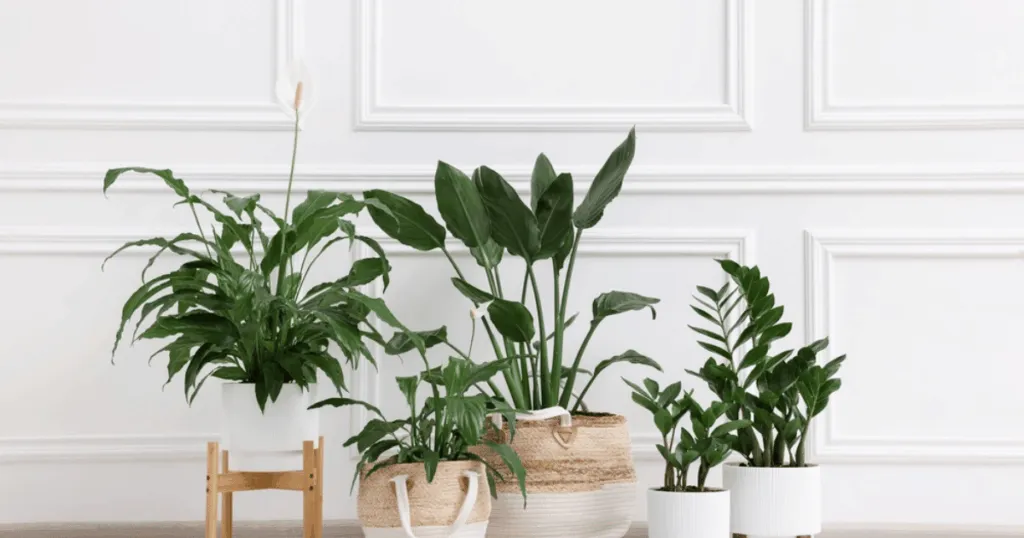
- Sansevieria trifasciata (Snake Plant): Exceptionally tolerant of low-lumen environments and infrequent watering schedules common in corporate settings.
- Zamioculcas zamiifolia (ZZ Plant): Stores moisture in thick rhizomes and handles low-intensity artificial illumination without losing its glossy sheen.
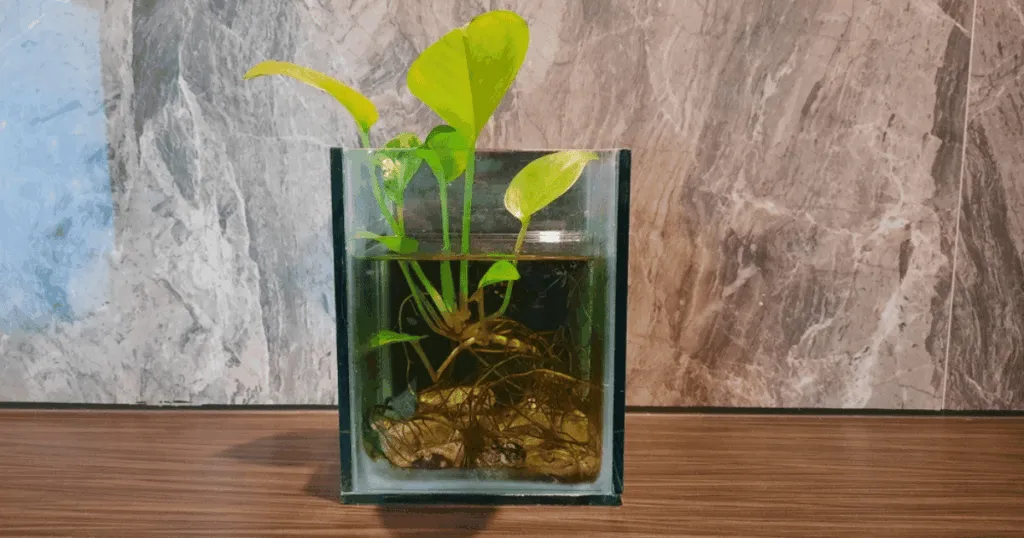
- Epipremnum aureum (Pothos): Adapts well to fluorescent ceilings, maintaining steady vine growth even without direct window access.
- Chlorophytum comosum (Spider Plant): Responds predictably to indoor fixtures, though prolonged dimness may reduce variegation intensity.
When selecting plants for an open-plan office or a windowless boardroom, it is essential to balance aesthetic goals with biological reality. While statement pieces like large fiddle-leaf figs look impressive in architectural renders, they demand intense, direct solar radiation that standard office lighting simply cannot replicate. Sticking to proven indoor varieties ensures long-term vitality and reduces the labor overhead associated with constant plant replacements.
The Impact of Tube Age and Ballast Type on Foliage Health
Fluorescent tubes degrade over time, losing a measurable percentage of their initial lumen output long before they actually burn out. In an office setting, maintenance teams frequently wait until total failure occurs before replacing a tube, leaving office plants bathed in steadily dimming light for years. Upgrading to modern electronic ballasts and high-output T5 lamps dramatically increases the available photosynthetically active radiation without altering the architectural layout of the room.
The transition from magnetic ballasts to high-frequency electronic ballasts also eliminates the invisible 60Hz flicker that characterizes older fluorescent technology. While humans may not consciously register this rapid strobe effect, biological tissues under constant, fluctuating illumination can experience chronic micro-stress. Ensuring that facilities management schedules routine relamping cycles maintains a stable luminous environment that supports predictable indoor plant health.
Managing Maintenance Realities in Climate-Controlled Offices
Lighting is only one variable in the indoor office ecosystem. HVAC systems create constant air movement and low relative humidity, which desiccates foliage much faster than natural outdoor humidity levels would. When plants receive minimal energy from fluorescent fixtures, their transpiration rates slow down drastically. Office managers frequently make the mistake of maintaining a standard watering schedule, assuming indoor warmth requires heavy moisture.
In low-light settings, wet soil combined with weak artificial light quickly leads to root rot because the plant lacks the photosynthetic drive to process the moisture efficiently. Allowing the top soil layer to dry completely between watering sessions protects the root system from hypoxia and fungal issues. Workplace custodians and office managers must coordinate to ensure that watering habits reflect the low metabolic state of plants living under artificial ceilings.
Furthermore, drafty airflow from overhead vents can accelerate leaf tip browning on sensitive species like spider plants. Positioning foliage away from direct HVAC plumes while maintaining proximity to overhead illumination strikes the necessary balance for sustainable indoor office greenery.
Weekend and Holiday Shutdown Considerations
Commercial buildings routinely turn off or dim overhead lighting during weekends and extended holiday breaks, plunging office plants into absolute darkness for forty-eight to seventy-two hours straight. While most resilient indoor species tolerate these periodic dark cycles without permanent damage, positioning plants near glass partitions that capture ambient hallway light helps buffer against complete sensory deprivation during closures.
Extended facility shutdowns during winter holidays can be particularly hazardous if combined with dropped thermostat settings. When office temperatures plummet overnight and lighting systems remain off, plant metabolism drops to near zero. Overwatering during these periods is the leading cause of corporate plant mortality. Establishing clear guidelines for facilities teams regarding holiday watering pauses prevents widespread root saturation while buildings are unstaffed.
Practical Guidelines for Evaluating Office Lighting Conditions
Before introducing greenery into a windowless conference room or internal cubicle farm, take time to evaluate the actual lighting setup. If the space requires artificial illumination during midday just for human tasks, it will likely sustain only the hardiest shade-adapted species.
For workspaces featuring modern LED troffers or high-output fluorescent strips, the range of viable plants expands significantly. A common mistake is assuming any green plant will survive anywhere in the office; instead, map out high-lux zones directly beneath fixtures and reserve deep corners for decorative artificial alternatives or strictly low-light survivors. Workplace planners should also factor in interior color schemes; light-reflecting white walls and polished desks bounce ambient photons back upward, subtly boosting the effective light environment for floor-standing containers.
Ultimately, answering whether can plants grow under fluorescent office light requires looking beyond simple survival and aiming for sustained vitality. By aligning species selection with the physical limitations of commercial lighting, office managers create vibrant, low-maintenance workspaces that boost employee well-being without demanding constant horticultural intervention.
FAQ
Do fluorescent lights cause office plants to stretch or lean awkwardly?
Yes, directional overhead fluorescent strips can cause foliage to angle sharply toward the light source over time. Rotating the container a quarter turn every two weeks ensures even exposure and prevents asymmetrical, lopsided growth patterns.
Should office managers invest in specialized grow bulbs for standard fluorescent fixtures?
While full-spectrum or daylight-balanced T5 and T8 fluorescent tubes improve the visual appearance of foliage and provide a slight boost in usable wavelengths, standard cool-white office bulbs are usually adequate for low-light survival species like snake plants and ZZ plants.
How can you tell if an office plant is receiving too little light from fluorescent ceilings?
Signs of light starvation include extremely slow or completely halted new growth, smaller-than-normal leaf formation, fading variegation on patterned leaves, and lower leaves turning yellow and dropping off prematurely without signs of overwatering.