When trying to green up a workspace, the most common mistake is assuming that any green foliage can survive indoor illumination. Most office environments rely on overhead fluorescent tubes or LED panels that emit a narrow spectrum and far fewer foot-candles of usable energy than a traditional greenhouse or a sunlit windowsill. If you choose a sun-loving succulent or a high-light tropical specimen for a windowless interior room or a deep-core cubicle, it will quickly decline, drop its leaves, or suffer from stretched, pale stems. Finding long-term success means looking past standard garden center labels and evaluating how specific species adapt to artificial light wavelengths, low humidity, and the extended weekend neglect typical of commercial buildings.
Plants that cannot handle this setup usually display immediate stress symptoms, such as crisp leaf margins, sudden dropping of green leaves, or limp, etiolated growth that stretches helplessly toward distant ceiling lights. To secure genuine longevity in a professional setting, workplace managers must understand how artificial lighting affects plant respiration, water usage, and overall metabolic rhythm. The right selection process involves matching the actual light output of your desk, reception area, or conference room to species that thrive in those exact parameters. Below is a curated collection of reliable office plants evaluated for their genuine tolerance of office lighting, maintenance requirements, and structural suitability for workplace interiors.
What You Need to Know
- Fluorescent and LED office light lacks natural solar intensity.
- Low light tolerance prevents premature leaf drop indoors.
- Overwatering under artificial light causes root rot quickly.
- Weekend neglect suits drought-resistant tropical species well.
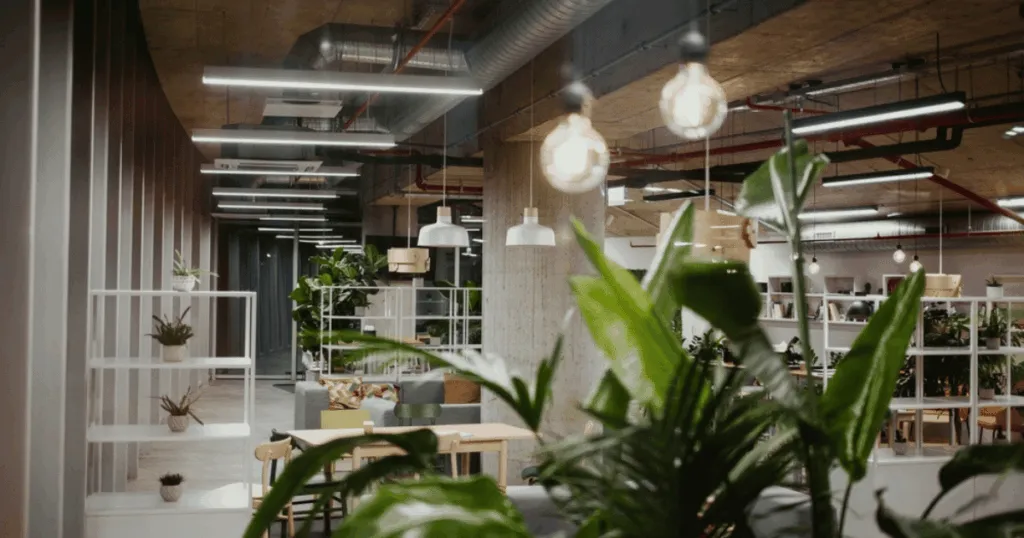
Top Plant Selections for Office Lighting Conditions
To help you curate a thriving indoor workspace, we have assembled a targeted list of the best plants for office lighting proven to handle artificial lighting, fluorescent exposure, and fluctuating HVAC climates. Each option has been selected for specific placement scenarios.
ZZ Plant
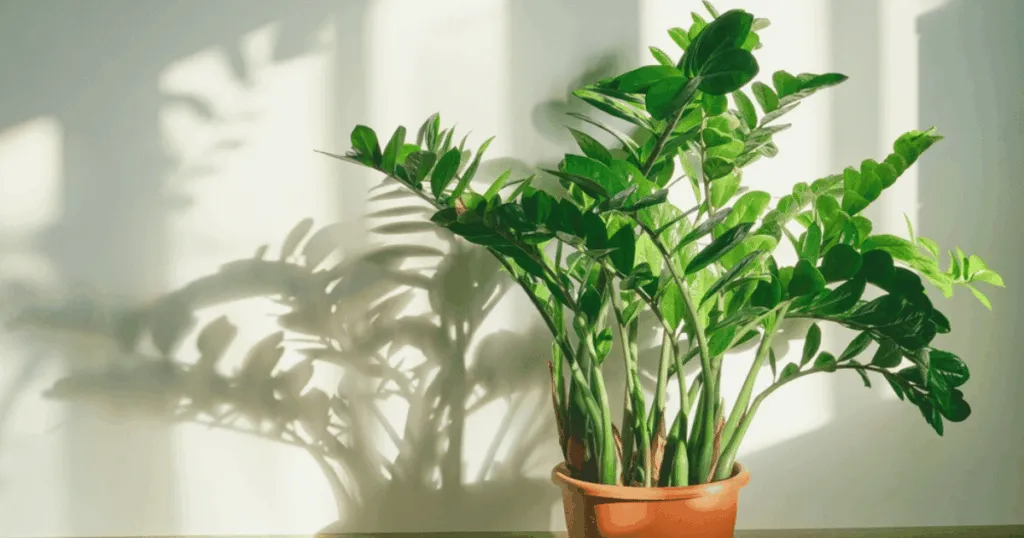
The ZZ plant stands out as a reliable anchor for windowless rooms and dark corners because its thick, fleshy rhizomes store moisture efficiently while its waxy leaves reflect artificial light. It tolerates low light conditions remarkably well and resists the dry air circulating through standard commercial heating and cooling systems. One important operational note is that this species is toxic to cats and dogs if ingested, so keep it elevated in reception areas if pets visit.
In practice, the ZZ plant operates on a slow metabolic clock under commercial fluorescent tubes. Because its underground rhizomes function as internal water reservoirs, it requires minimal hydration compared to thin-leaved tropical houseplants. Office managers favor this plant for remote corners where natural light never reaches, as its glossy, dark green leaves maintain their vibrant appearance even when subjected to consistent artificial illumination for ten hours a day.
Snake Plant
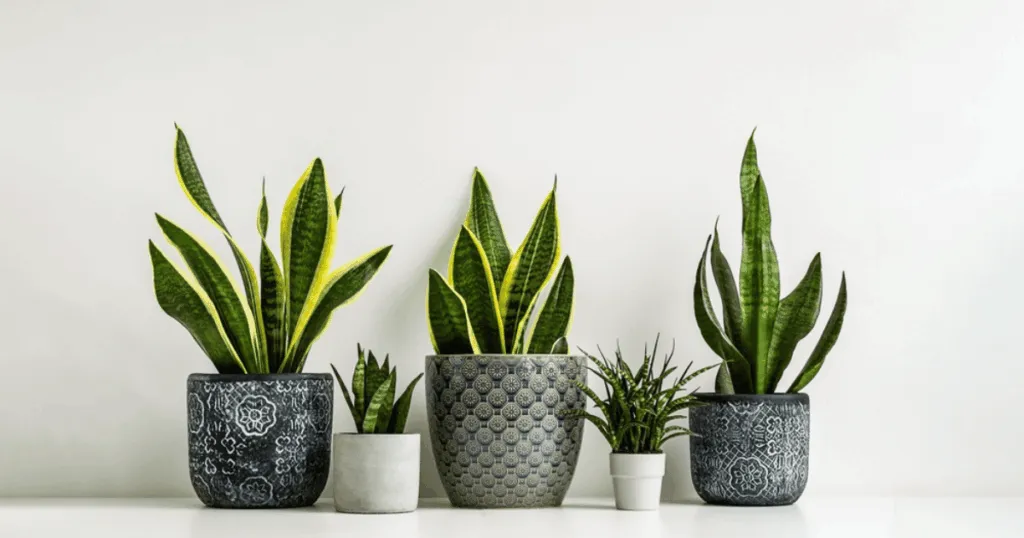
A classic architectural choice, the snake plant grows upright in tight vertical formations that fit neatly beside filing cabinets or inside narrow office dividers. It manages fluorescent lighting setups without losing its structural integrity or fading in color intensity. The main rule for keeping this species alive is simple: underwatering is far safer than overwatering, as sitting in stagnant moisture under low light will destroy the root system.
When placed in open-plan offices, the rigid, sword-like leaves create clean visual boundaries without taking up valuable desk real estate. It handles the sudden temperature shifts caused by commercial HVAC vents blowing overhead far better than delicate ferns or thin-leaved vines. If your workspace experiences complete darkness over extended weekends, the snake plant enters a state of minimal metabolic activity, making it exceptionally resilient against neglect.
Cast Iron Plant
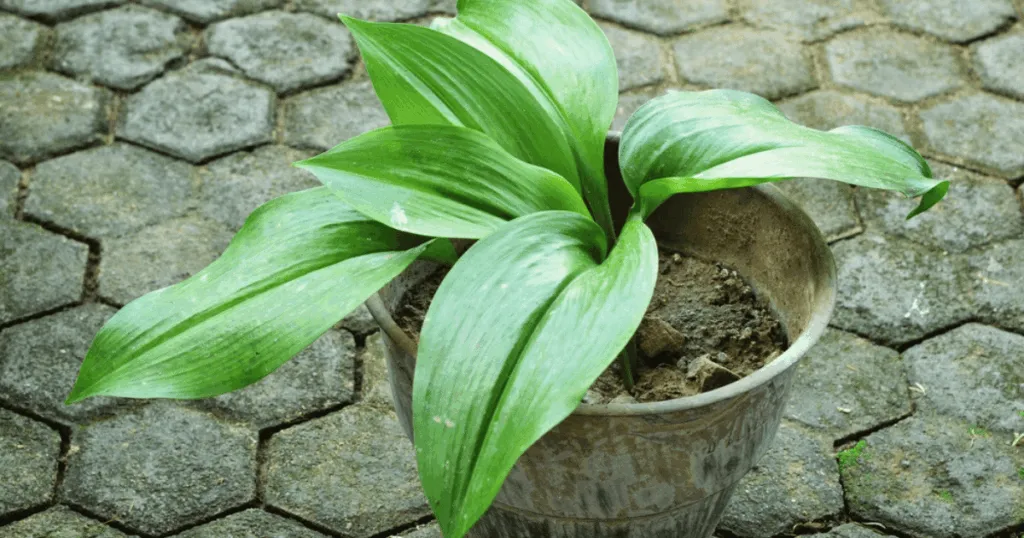
True to its common name, the cast iron plant earns its reputation by enduring dim hallways, irregular watering schedules, and poor air circulation without skipping a beat. It develops dark green, leathery fronds that handle low-light office environments better than almost any other traditional tropical houseplant. A practical advantage is its slow growth rate, meaning it will not outgrow a corporate desk or corner stand for many years.
Office corridors and windowless administrative annexes often present challenging microclimates where other foliage fails within weeks. The cast iron plant tolerates low foot-candle levels because its broad leaves maximize whatever stray photons bounce off office walls. It requires virtually no specialized pruning and adapts smoothly to standard tap water, reducing the maintenance burden on busy facilities teams.
Parlor Palm
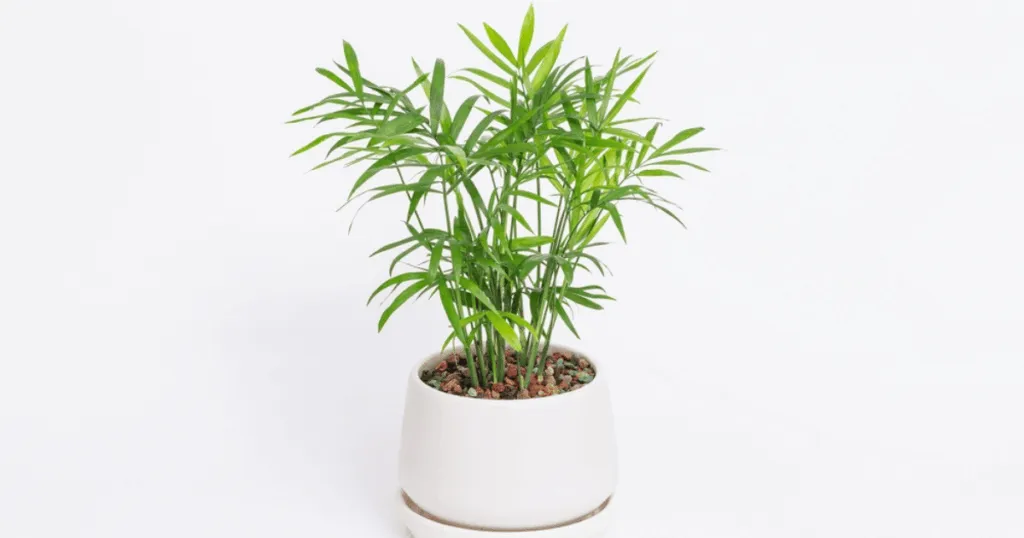
For workspaces that need a softer, more traditional tropical aesthetic, the parlor palm provides fine-textured fronds while tolerating lower light levels than almost any other palm variety. It performs reliably in medium to low indirect light near interior desks or executive offices. Because it lacks defensive thorns and is non-toxic to pets, it serves as a worry-free addition to shared open-plan environments.
Unlike fussy outdoor palms that demand direct sun, the parlor palm evolved as an understory tropical species, making it naturally adapted to filtered, low-intensity light. It thrives in pots placed slightly back from perimeter windows, filtering harsh midday sun before it scorches neighboring desks. Keeping the soil lightly moist ensures its fine fronds remain green and pliable rather than turning brown at the tips from dry HVAC air.
Chinese Evergreen
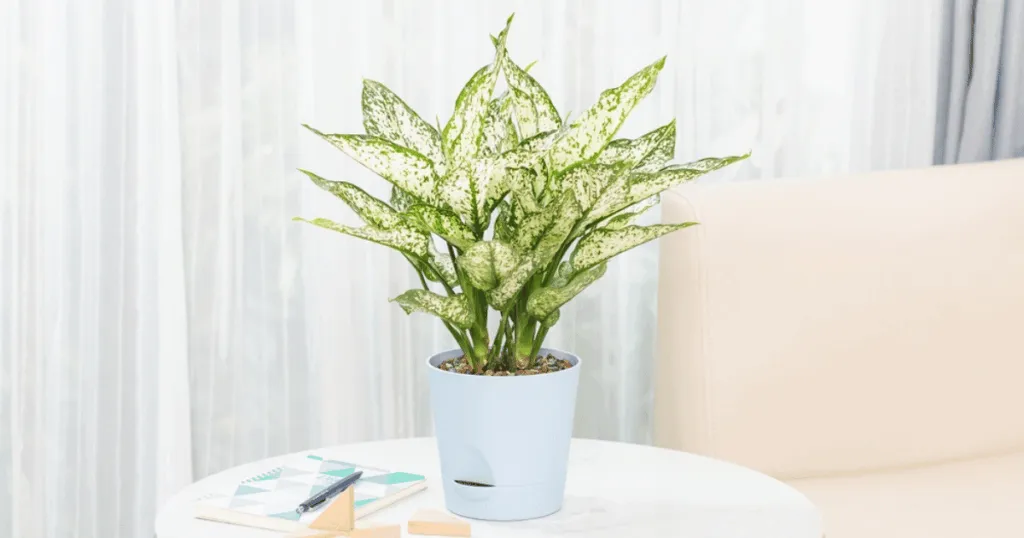
The Chinese evergreen features patterned, vibrant foliage that adds a splash of color to rooms dominated by neutral gray cubicle walls and metal desks. It adapts smoothly to fluorescent interior lighting and requires minimal watering intervals compared to softer-leaved tropicals. While it tolerates lower illumination, cultivars with brighter pink or red variegation need slightly higher light exposure to keep their vibrant colors sharp.
In modern office spaces, Aglaonema varieties provide reliable color variation without requiring sunny window sills. They manage the transition from bright retail greenhouses to dimmer interior workspaces with minimal shock, rarely dropping lower leaves if watering is kept moderate. Their compact, bushy growth habit makes them ideal for placing directly on communal conference tables or individual executive credenzas.
Pothos
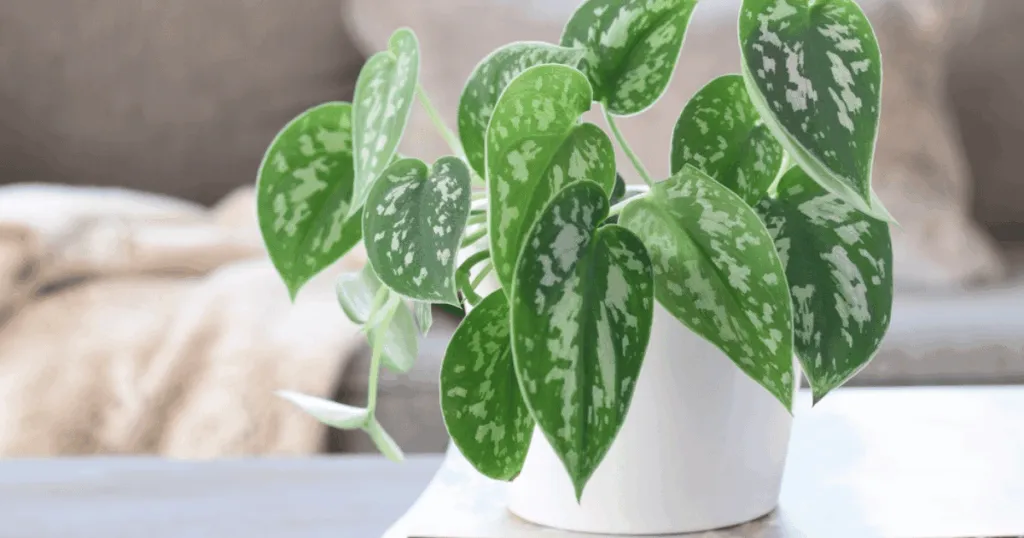
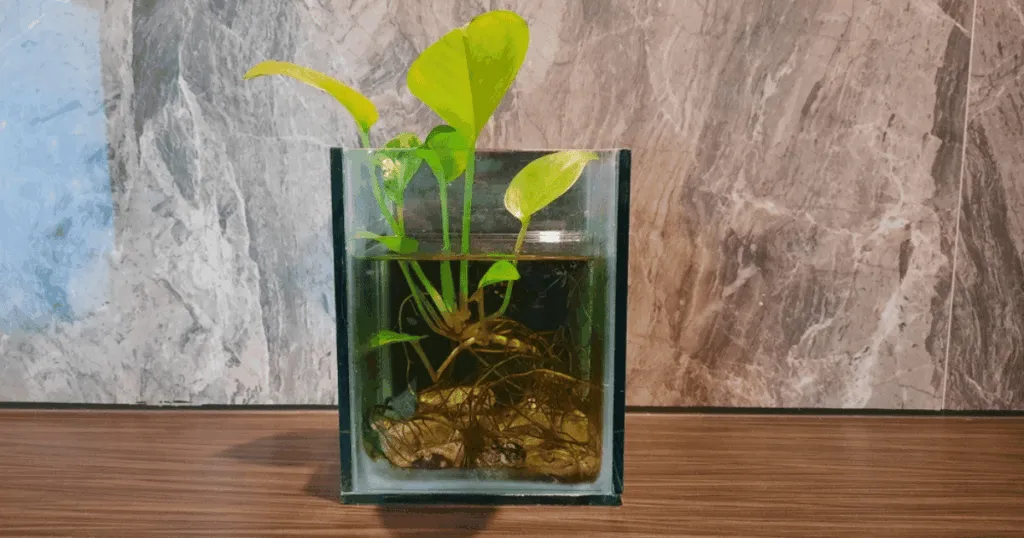
As a trailing vine option, pothos can be placed on high bookcases or filing cabinets and allowed to cascade downward, softening harsh office architecture. It adapts readily to low light and fluorescent setups, though its variegation may become greener and less distinct if the light is extremely dim. Propagation is straightforward if you ever need to trim back long stems and start a new cutting for a coworker.
Pothos is frequently deployed in office architecture to break up the monotonous horizontal lines of modular furniture systems. Its vines can be guided along wire management channels or allowed to drape freely from hanging wall brackets. Because it tolerates occasional missed watering cycles over busy fiscal quarters, it remains one of the most forgiving cascading options available for commercial interiors.
Peperomia
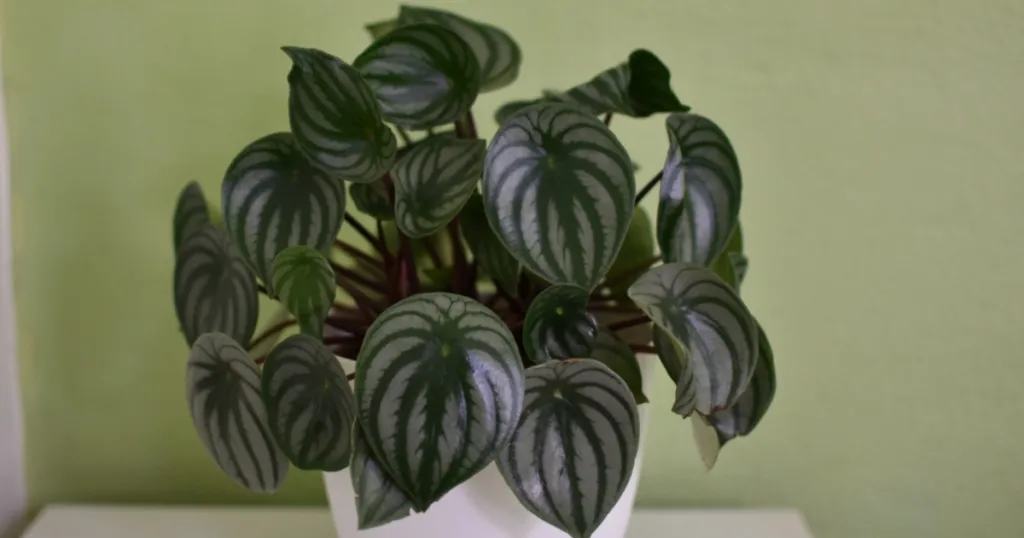
When desk space is at a premium, compact peperomia varieties offer varied leaf textures and thick succulent-like stems without crowding your keyboard or monitor. They thrive under standard desk lamps and fluorescent overhead panels without demanding frequent attention. Being non-toxic to animals, they represent a safe choice for pet-friendly modern offices.
Peperomias store small amounts of water in their fleshy stems and leaves, making them resilient against accidental underwatering. Their diminutive root systems mean they rarely need repotting, fitting comfortably into small decorative containers designed for tight desk footprints. They require only standard room temperatures and prefer their soil to dry out partially between waterings to prevent root disease.
Spider Plant
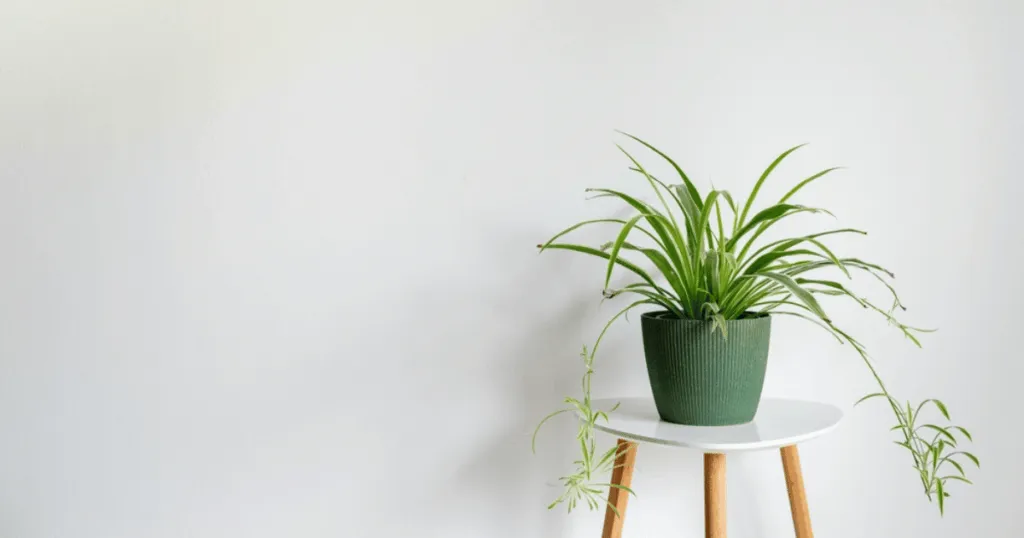
The spider plant is known for producing cascading offsets or plantlets on long arching stems, bringing dynamic movement to minimalist corporate settings. It handles moderate interior lighting and tolerates occasional dry spells if you forget to water it over a busy fiscal quarter. It is entirely non-toxic, making it an easy recommendation for any shared workspace.
The arching green and white striped leaves disperse light reflection effectively, brightening dull corners of collaborative work zones. While it prefers bright indirect light, it persists happily under standard fluorescent ceiling grids. Its rapid root development means it appreciates a slightly larger pot every year or two, but otherwise, it functions as a remarkably self-reliant office occupant.
Matching Plant Selections to Specific Office Zones
Different areas of a workplace present unique microclimates and lighting realities that dictate which plants will actually survive. A windowless executive boardroom requires entirely different foliage than a sun-drenched southern-facing reception lobby.
Windowless Interior Cubicles and Core Offices
Core spaces with zero natural windows rely entirely on artificial overhead illumination. In these zones, stick exclusively to low-light tolerant selections like the ZZ plant, snake plant, or cast iron plant. These species utilize artificial light wavelengths efficiently and do not require supplemental grow lights to maintain basic cellular functions.
When managing deep-core office spaces, remember that overhead fluorescent and LED panels are typically turned off outside of working hours, plunging the space into total darkness for twelve to fourteen hours a day. Hardy structural plants adapt to these long photoperiod interruptions by slowing their metabolic processes, conserving energy reserves until the morning shift restores illumination.
Bright Reception Areas and Perimeter Windows
If your office features large glass windows or skylights, you have the flexibility to introduce plants that demand stronger light to thrive. Bright perimeter zones support species like the parlor palm, colorful Chinese evergreen varieties, or trailing pothos without risking leggy, weak growth patterns.
Reception areas often serve as the visual calling card of a business, making healthy, lush foliage a priority. Perimeter placements near large windows catch high volumes of natural light, allowing tropical species to display richer color variegation and faster growth rates. However, facilities managers must monitor glass temperatures during winter months to prevent cold drafts from damaging exterior-facing fronds.
Shared Open-Plan Desks and High-Traffic Corridors
Desks and shared tables situated in busy walkways need compact, resilient plants that will not get knocked over or brushed against constantly. Smaller potted options like peperomia or snake plants maintain a tight footprint while enduring the minor bumps and temperature shifts common in open-office traffic lanes.
Open-plan environments also experience constant air movement from HVAC ceiling diffusers, which can quickly dry out delicate leaf margins. Choosing thick-leaved or succulent species minimizes moisture loss and keeps plants looking pristine despite heavy foot traffic and recirculated indoor air currents.
Limitations, Trade-Offs, and When to Choose Differently
While resilient indoor species tolerate artificial conditions well, no plant can thrive in total pitch-black darkness. If an office room lacks windows and the overhead lights are turned completely off for twelve to fourteen hours every night, even hardy specimens will eventually stall out. In windowless environments that remain dark for extended stretches, installing dedicated LED grow bulbs in desk lamps or overhead fixtures is necessary to keep foliage healthy.
Another common trade-off involves growth speed. Plants kept under office lighting grow significantly slower than those placed in natural greenhouses. If you are looking for rapid vertical expansion or frequent flowering, standard indoor office settings will disappoint you. Foliage grown under artificial light requires less fertilizer and less frequent repotting, but it demands patience. If your workplace cannot maintain basic climate control and suffers from freezing drafts over the weekend, you should bypass tropical palms entirely and stick strictly to ultra-tough options like the cast iron plant.
FAQ
Can office plants survive entirely on fluorescent or LED office lighting?
Many hardy indoor species survive on artificial lighting alone, provided the lights remain on during standard working hours. Plants with low-light adaptations synthesize enough energy from standard bulbs, but windowless rooms kept dark overnight will stunt growth over time.
How often should office plants be watered under artificial light?
Because artificial light provides less energy and lower evaporation rates than direct sunlight, soil stays wet longer. Always check the top couple of inches of soil before watering to prevent root rot caused by overhydration.
Why are my office plant leaves turning yellow or dropping off?
Yellowing leaves in an office environment almost always point to overwatering or poor drainage. Since artificial light slows down how fast a plant drinks, standard watering schedules from home often flood office pots.
Do I need to fertilize plants kept in an office setting?
Plants under office lighting grow much slower than outdoor counterparts, meaning they require minimal nutrients. Feeding them once or twice a year during spring and summer is usually sufficient to support steady health.