Office plants often accumulate dust from air handling systems, reducing their natural gloss and hindering visual appeal in workspaces. To restore this luster, facility managers and desk workers frequently turn to leaf shine products. While these commercial formulas promise an instant glossy finish, their application in controlled indoor environments requires careful evaluation. Understanding how these substances interact with plant physiology under office conditions prevents unintended foliar damage.
Artificial illumination from fluorescent or LED ceiling fixtures already limits photosynthetic capacity compared to direct sunlight. When commercial leaf polishes or silicone based sprays coat foliage, they can alter light absorption dynamics and interfere with basic plant functions. Before applying any commercial preparation in a corporate environment, it helps to examine what these formulas contain, how they affect transpiration, and whether simpler maintenance methods achieve better long term results.
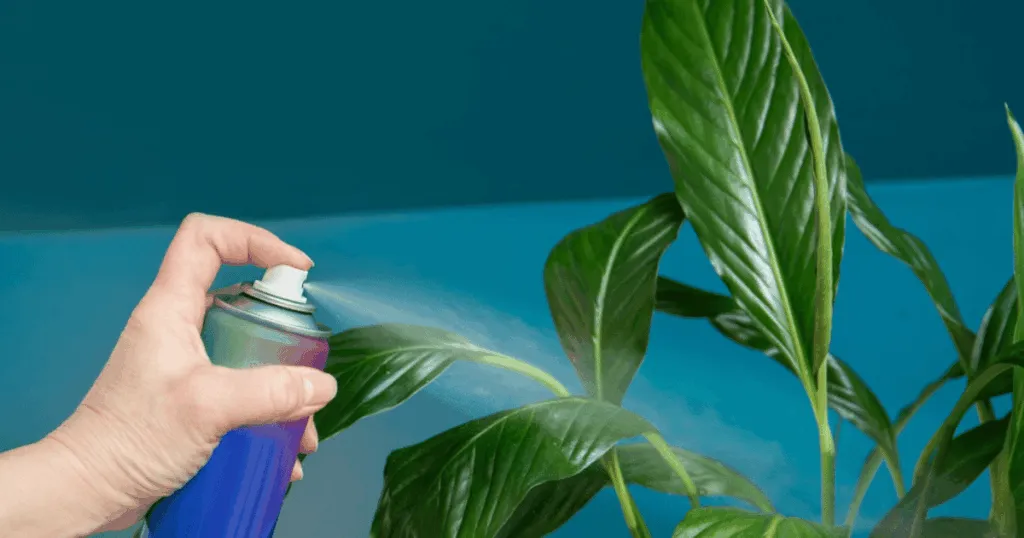
Understanding the Composition and Purpose of Commercial Foliage Sprays
Commercial leaf shine products typically rely on petroleum distillates, synthetic oils, or natural waxes suspended in a liquid carrier. When sprayed onto thick leaved tropicals like Ficus elastica or Monstera deliciosa, the liquid evaporates and leaves behind a microscopic film. This film reflects ambient light, creating the illusion of a freshly washed leaf without manual wiping.
From an aesthetic standpoint, these sprays remove water spots left by hard tap water and mask dust accumulation in reception areas or conference rooms. However, the mechanism that creates the shine also introduces physiological trade offs. Foliage is not merely a decorative surface; it is a living organ responsible for gas exchange and moisture regulation.
When selecting maintenance strategies for workspace greenery, office managers must weigh the immediate visual gratification of a high-gloss spray against the long-term metabolic health of the plant. Many commercial formulas marketed as leaf polish for indoor plants rely on heavy chemical bases that do not easily break down under low light. Over time, repeated applications can alter the delicate waxy cuticle of the leaf, reducing its natural ability to protect against environmental stressors common to modern commercial real estate.
Furthermore, understanding the solvent base in these formulations is critical for corporate spaces. Some aerosol sprays utilize propellants that can cause cold burns if held too close to the plant tissue during application. In a temperature-stabilized office where indoor plants already experience static air conditions, localized chilling from rapid solvent evaporation adds an unnecessary layer of stress to tropical specimens.
How Leaf Sprays Impact Plant Physiology Indoors
The primary concern associated with aerosol or pump spray polishes involves the stomata. These microscopic pores regulate transpiration and carbon dioxide uptake. When heavy oils or synthetic waxes coat the leaf surface, they can partially or completely obstruct these openings.
Stomatal Blockage and Transpiration Risks
In a typical office setting, HVAC systems create low relative humidity and constant air movement. Plants already face mild transpiration stress under these dry indoor conditions. When leaf pores are sealed by heavy chemical residues, the plant struggles to regulate internal moisture balance. Over time, this restriction can lead to localized cell collapse, yellowing margins, or premature leaf drop.
Understanding stomatal blockage requires looking at how indoor air currents and static office environments compound the issue. Without adequate natural wind or high humidity to naturally clear or balance leaf surfaces, chemical films linger indefinitely. This creates an artificial barrier that disrupts the natural cooling and gas exchange processes essential for maintaining robust foliage spray safety in closed corporate facilities.
When evaluating the long-term impact on office botany, facility teams should note that plants compensate for restricted gas exchange by slowing down overall metabolic processes. This metabolic slowdown manifests as reduced root uptake of essential nutrients, rendering the plant more vulnerable to overwatering or underwatering cycles typical of office watering schedules managed by rotating staff or cleaning crews.
Light Absorption Under Artificial Lighting
Office interiors rely heavily on artificial illumination rather than unobstructed window light. While a high gloss finish might initially reflect more light, heavy residues can attract airborne dust particles faster than untreated foliage. Within days, office dust binds to the tacky surface of the spray, creating a thicker film that actually reduces light penetration to the chloroplasts.
When chloroplasts receive sub-optimal light levels due to blocked illumination, the plant’s overall energy production declines. This energy deficit manifests as sluggish growth, pale new leaves, and an increased susceptibility to common office pests such as spider mites and mealybugs. Facility management teams should recognize that maintaining true foliage health under artificial fixtures requires clear, unobstructed leaf surfaces capable of maximizing every lumen available.
In open-plan offices where light levels often drop significantly even a few feet away from windows, every percentage point of light capture matters. A dust-magnetized shine film directly undermines the energy budget of low-light tolerant species like Epipremnum aureum or Dracaena species, turning an intended aesthetic upgrade into a chronic vitality drain.
Safe Application Guidelines and Best Practices
If an office environment dictates the use of commercial polish for high visibility displays, strict adherence to manufacturer instructions minimizes potential harm. Never apply sprays to stressed, dry, or recently repotted plants. Foliage must be clean and free of existing dust before application to prevent sealing debris directly onto the leaf tissue.
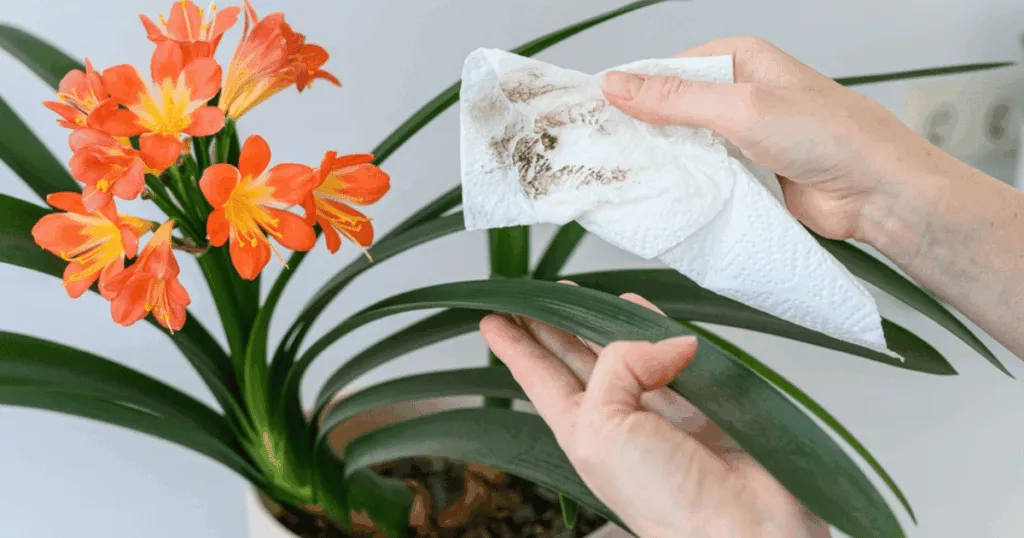
A safer approach in most professional settings is mechanical cleaning. Wiping leaves with a damp microfiber cloth removes dust effectively without leaving chemical residues or risking pore obstruction. This method requires slightly more manual effort, but it preserves natural cellular functions and eliminates the risk of chemical buildup over successive applications.
When implementing a structured routine for cleaning office plant leaves, staff should use lukewarm water and support the underside of each leaf with one hand while gently wiping the upper surface with the other. This prevents physical tearing of the stem or petiole, especially on large-leaved specimens located in busy corridors or high-traffic open-plan offices where accidental brushing against furniture is common.
For corporate facilities maintaining large inventories of indoor greenery, establishing a monthly maintenance calendar ensures that physical cleaning happens consistently without relying on quick-fix sprays. Assigning this task to specific team members ensures accountability and prevents the haphazard application of polish by well-meaning employees who may not understand the physiological consequences.
Common Mistakes to Avoid When Treating Indoor Foliage
Office managers and staff often repeat specific errors when trying to keep corporate greenery looking pristine. Recognizing these pitfalls protects valuable interior plants from premature decline.
- Using heavy oils on thin leaved plants: Species with delicate or matte foliage, such as ferns or fittonias, cannot tolerate heavy shine formulas and will quickly drop leaves.
- Applying polish too frequently: Over-application creates layered buildup that suffocates the plant tissue and accelerates dust collection.
- Neglecting pre-cleaning: Spraying polish over existing grime locks dirt onto the leaf surface, worsening the appearance rather than improving it.
- Ignoring natural cleaning alternatives: Skipping plain water or diluted castile soap solutions in favor of harsh chemical sprays is rarely necessary for routine office plant care.
Another frequent oversight involves applying products under direct sunlight or right before weekend facility shutdowns when HVAC systems may be powered down or altered. Temperature fluctuations combined with fresh chemical coats can trigger phytotoxicity, resulting in unsightly burns or bleached spots on prominent display plants in corporate lobbies.
Additionally, spraying plants directly while they sit on office desks or carpeted floors can leave slippery, hazardous residues on surrounding furniture or flooring surfaces. This introduces workplace safety and liability concerns that can easily be avoided by moving plants to a utility area for maintenance or opting for damp-cloth wiping instead.
Evaluating Plant Suitability for Gloss Treatments
Not all indoor office plants tolerate surface treatments equally. Tough, waxy cuticles handle residue better than soft or velvety textures.
| Plant Type | Cuticle Characteristics | Suitability for Leaf Shine Products |
|---|---|---|
| Rubber Tree (Ficus elastica) | Thick, smooth, waxy | Moderate (tolerates careful application) |
| Peace Lily (Spathiphyllum) | Flexible, medium thickness | Low (prone to residue spotting) |
| ZZ Plant (Zamiocamius zamiifolia) | Naturally high gloss, thick | Low (naturally shiny without additives) |
| Prayer Plant (Maranta) | Thin, velvety, matte | None (will suffer severe damage) |
Choosing the right maintenance strategy depends on available staff time, ventilation conditions, and the specific plant varieties present in the workspace. Prioritizing gentle cleaning methods safeguards plant health and ensures long term vitality in commercial interiors.
For office spaces featuring mixed botanical displays, grouping plants with similar cuticle characteristics simplifies maintenance protocols. Facilities teams can designate specific care tiers, ensuring that hardy, thick-cuticle specimens receive appropriate mechanical or mild surface care while delicate varieties are strictly reserved for plain water wiping only.
By understanding these physiological boundaries, workplace decision-makers can curate vibrant, healthy interior plantscapes that enhance employee well-being and office aesthetics without compromising plant longevity or increasing maintenance overhead.
FAQ
Can leaf shine products kill office plants?
While rarely lethal on contact, frequent application of heavy petroleum based leaf shine products can suffocate plant tissue, inhibit gas exchange, and cause gradual decline, particularly under low light office conditions.
How often should office plants be cleaned instead of polished?
Routine dusting or wiping with a damp microfiber cloth every two to four weeks is usually sufficient to maintain natural luster without risking chemical residue buildup.
Why do some naturally glossy plants lose their shine indoors?
Low humidity, mineral deposits from tap water misting, and settling office dust quickly dull natural foliage gloss, making regular physical cleaning necessary.
Are there natural alternatives to commercial leaf polishes?
Yes, wiping leaves with a damp cloth or a very dilute mixture of castile soap and water safely removes dust and water spots without clogging stomata.