Maintaining office greenery requires more than just regular watering and adequate lighting. When foliage becomes overgrown, develops brown tips, or shows signs of lower leaf senescence, basic maintenance becomes necessary. As office managers and workplace decision-makers evaluate desk plants, reception area monsteras, and breakroom pothos, understanding the right equipment for plant maintenance ensures clean cuts that promote rapid healing rather than ragged tears that invite pathogens.
Assembling a practical maintenance kit does not require professional arboriculture equipment. Most indoor workplace horticulture needs can be met with a few compact, reliable implements stored safely in a desk drawer or maintenance closet. Knowing what to select prevents accidental stem crushing and keeps interior displays looking sharp and professional.
Selecting the correct implements for indoor botanical care involves balancing blade sharpness, cleanability, and safety in shared workspaces. A thoughtful approach to cutting implements prevents the spread of pathogens between cubicle plants and ensures that workspace vegetation remains vibrant despite low humidity and artificial light.
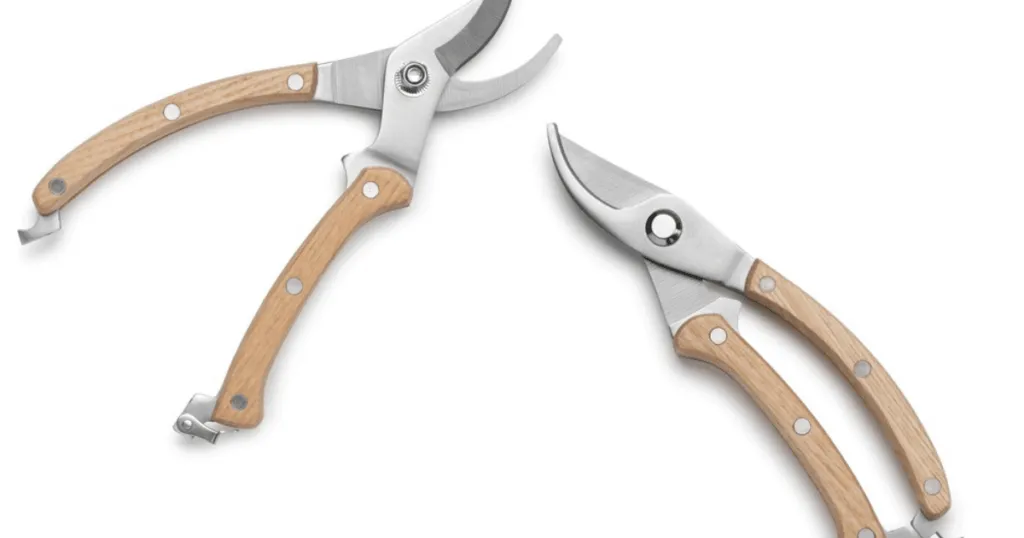
Essential Cutting Implements for Indoor Plant Maintenance
Every workplace plant collection benefits from a dedicated set of implements kept clean and sharp. Different stems and growth habits require specific designs to achieve a clean severance point without damaging surrounding tissue.
When selecting tools for corporate interiors, durability and ergonomic handling are paramount. Office managers often coordinate plant care across multiple departments, meaning the chosen instruments must be intuitive for anyone tasked with light weekly upkeep. Investing in quality stainless steel or high-carbon steel blades ensures corrosion resistance, especially when tools are routinely wiped down with sanitizing agents.
Bypass Hand Pruners
Bypass pruners function much like kitchen shears, featuring two curved blades that slide past each other to make a precise cut. This design is ideal for woody stems, thicker pothos vines, and mature tropical foliage commonly found in office settings. Unlike anvil pruners, which crush the stem against a flat surface, bypass options leave vascular tissues intact at the cut margin, reducing recovery time and minimizing vulnerability to fungal issues.
In practice, using bypass pruners on sturdy indoor specimens like rubber trees or mature pothos stems requires a firm, steady squeeze. Position the blades as close to the main stem or node as possible without leaving a stub that could rot. Because office environments lack the high-intensity sunlight found in natural outdoor settings, plants heal at a slightly slower pace. Clean bypass cuts eliminate ragged edges that would otherwise linger as brown, unsightly scars under harsh fluorescent or LED fixtures.
When evaluating bypass models for commercial interiors, look for spring-loaded locking mechanisms that can be operated easily with one hand. This allows the facilities manager to hold a trailing vine with one hand while executing a clean cut with the other, improving overall workplace efficiency and safety.
Precision Floral Snips
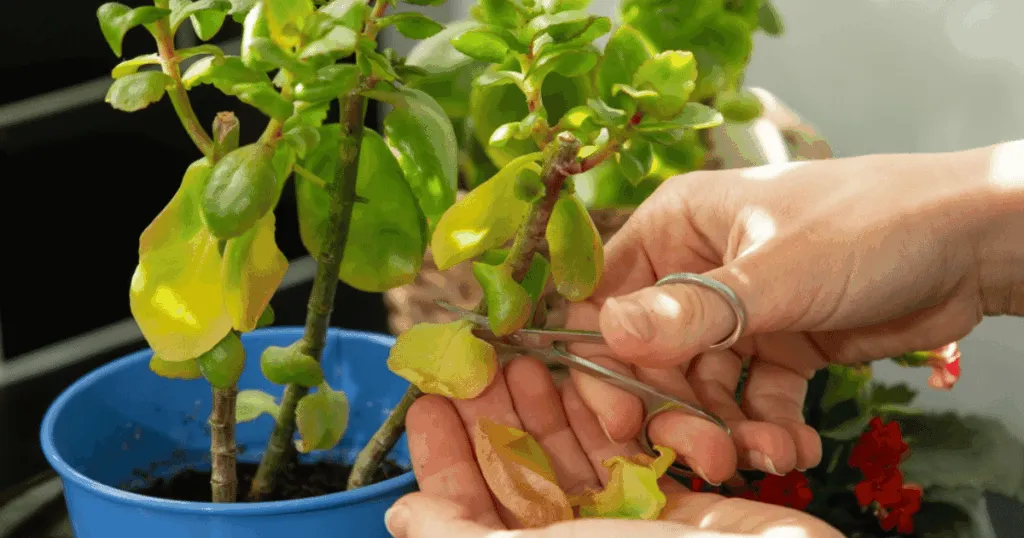
For fine work, such as deadheading spent blooms on peace lilies or trimming away yellowed lower leaves on small desk ferns, fine-tipped floral snips offer superior maneuverability. These lightweight implements allow precise access to tight spaces between overlapping stems without disturbing neighboring growth. They work exceptionally well on herbaceous plants with soft, tender stems.
Workplace desktop arrangements often feature tight planting groupings in ceramic or fiberglass containers. Maneuverability is crucial so that neighboring healthy leaves are not accidentally nicked or torn. Floral snips feature spring-loaded handles that reduce hand fatigue during extended maintenance sessions, making them a favorite for facilities teams managing dozens of individual desk containers in an open-plan layout.
Because floral snips often feature narrow, pointed tips, they also double as ideal instruments for removing dead leaf sheaths or teasing away spent foliage trapped at the base of multi-stemmed office palms without pulling or tearing delicate surrounding structures.
Folding Utility Saws and Specialized Tools
While large saws belong outdoors, small folding pruning saws or long-handled loppers are rarely needed for indoor office vegetation unless managing mature indoor trees like large Ficus specimens in a reception atrium. For most standard desktop plants, a reliable pair of bypass pruners and precision snips covers every routine task.
In rare instances where a lobby Ficus or large dracaena develops a thick, woody dead branch, a compact folding saw with fine teeth provides the necessary cutting action. However, workspace managers should evaluate whether such heavy intervention requires professional interior landscaping contractors. For standard operational upkeep, keeping saws out of the basic desk kit avoids potential safety hazards in shared office areas.
Sanitation and Maintenance Gear
Cutting implements do more than just slice through stems; they can also transfer pathogens from one container to another if left uncleaned. Maintaining plant health in a shared office environment relies heavily on proper hygiene protocols.
A complete maintenance kit, including the tools needed for basic plant pruning, should include:
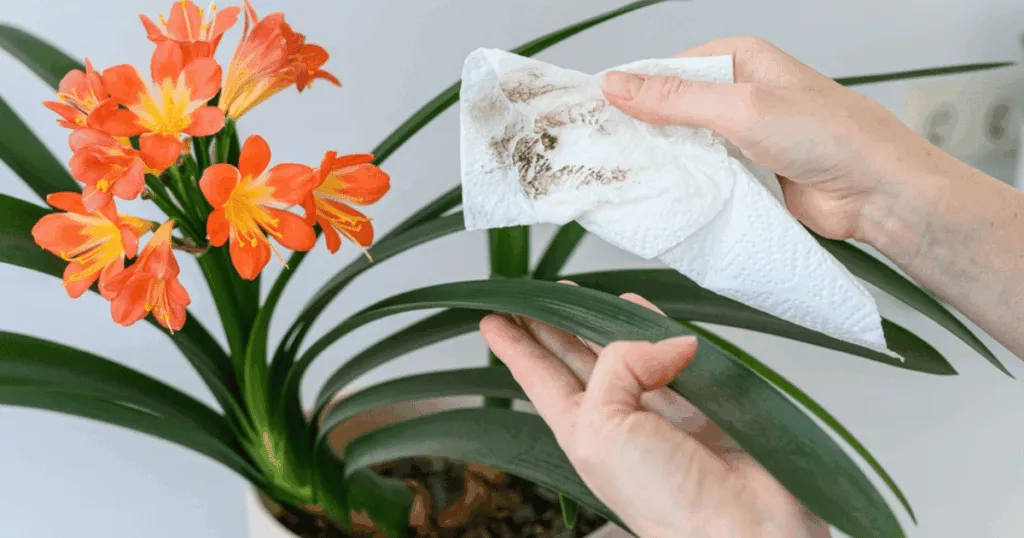
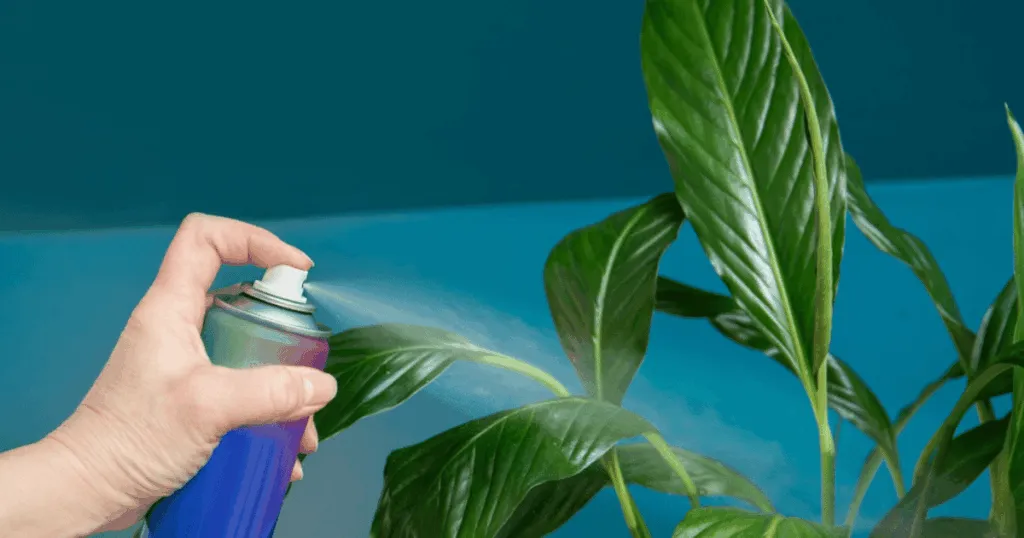
- Isopropyl alcohol wipes or a spray bottle of rubbing alcohol for sterilizing blades between plants.
- A small sharpening stone or tool file to keep cutting edges keen and prevent crushing.
- A designated storage pouch or sheath to protect blades and prevent accidental injury in supply drawers.
- A small sweep brush or dustpan to clear dropped leaves from desk surfaces or meeting room tables.
In practice, wiping blades with alcohol before moving from a healthy plant to a struggling one stops the transmission of sap-borne bacteria or viral issues. This simple habit preserves the overall investment made in workplace biophilic design.
Beyond alcohol wipes, maintaining the physical condition of the blades prevents operational failures. Dull blades force the user to apply excessive physical pressure, which compromises control and often results in crushing the plant stem rather than cleanly shearing it. Integrating a quick sharpening routine into monthly office supply maintenance checks keeps every instrument operating at peak efficiency.
Furthermore, storing cutting tools in a designated moisture-resistant pouch prevents the accumulation of desk dust and minimizes corrosion risk caused by residual plant sap left on the metal surfaces after a busy afternoon of office plant upkeep.
Practical Application in Workplace Environments
Office environments present unique challenges for plant care. Fluorescent or LED overhead lighting, combined with dry HVAC air, means plants often experience slower growth rates and different recovery patterns compared to greenhouse settings. Consequently, cuts must be deliberate and clean.
When working in open-plan offices or individual cubicles, aesthetics matter. Ragged cuts turn brown and unsightly under bright office lighting. Using sharp bypass blades ensures that the cut surface heals quickly into a natural callus rather than becoming a persistent visual blemish. Furthermore, trimming yellowed leaves or leggy vines encourages lateral branching, helping office plants maintain a fuller, more compact profile that fits neatly into constrained workspace footprints.
Timing is another consideration for workplace vegetation. Because indoor plants experience stable temperatures year-round due to commercial heating and cooling, minor pruning can occur whenever dead or damaged growth appears. However, heavy structural shaping is best scheduled during periods of active seasonal growth rather than during dim winter months when light levels drop further.
Consider the typical office schedule: plants are often left unattended over weekends or extended holiday breaks. Pre-holiday light trimming of weak or dying foliage minimizes decaying matter in the office while staff are away, reducing the risk of attracting fungus gnats or other opportunistic pests to damp soil surfaces.
In addition to these scheduling factors, workplace facility managers must consider traffic patterns. Pruning sessions should ideally take place during low-occupancy hours or quiet periods to avoid disrupting focused desk work and to prevent equipment from blocking narrow corridors or communal walkways.
Avoiding Common Maintenance Mistakes
Even with the right gear, improper technique can stress indoor foliage. A frequent error involves using standard office scissors to trim thick plant stems. Office scissors tend to pinch and crush vascular bundles, creating jagged wounds that dry out slowly and attract pests.
Another pitfall is neglecting blade hygiene. Cutting into a stem that harbors hidden bacterial rot and immediately using that same unsterilized blade on a healthy specimen effectively inoculates the second plant. Keeping a small pack of disinfectant wipes in the toolkit prevents this common oversight.
Finally, avoid over-pruning. Office plants already contend with limited natural light and lower photosynthetic efficiency. Removing more than twenty percent of the green canopy at one time can shock the system, leading to stalled growth or sudden leaf drop. A conservative approach yields much better long-term results in commercial interiors.
Workplace decision-makers should also train staff or designated office green-thumbs on proper node identification. Cutting blindly across a stem without regard for leaf nodes can prevent new shoots from emerging, leaving unsightly, bare stems that detract from the professional appearance of the workspace.
By avoiding these frequent operational mistakes and adhering to a disciplined maintenance schedule, office teams can ensure their indoor botanical investments remain lush, healthy, and visually appealing year-round.
FAQ
Can regular office scissors be used instead of specialized plant pruners?
Standard office scissors pinch and crush plant stems rather than slicing through them cleanly. This crushing damages vascular tissue, slows healing, and increases the risk of decay. Dedicated bypass pruners or floral snips provide the clean shear necessary for healthy plant recovery.
How often should pruning tools be sanitized in an office setting?
Blades should be wiped with isopropyl alcohol before and after each trimming session, and particularly when moving between different plants. This practice prevents the accidental transfer of pests, fungi, and bacteria across your office greenery.
What is the difference between bypass pruners and anvil pruners for indoor plants?
Bypass pruners use two curved blades that pass each other like scissors to make a clean cut. Anvil pruners feature a single blade that presses down against a flat metal base, which tends to crush soft indoor stems. Bypass models are always preferred for live plant maintenance.
How do I maintain the cutting edge of my office pruning tools?
Keep blades clean of sticky plant sap using warm soapy water or alcohol, and periodically touch up the edge with a small pocket sharpening stone. Sharp blades require less hand pressure and produce smooth cuts that heal rapidly under indoor office conditions.