When managing office greenery, the decision to move a plant into a larger container is often driven by visible signs of growth or the need to match new office decor. However, many office managers hesitate to perform this task due to concerns about Repotting stress. This term refers to the physiological disruption a plant experiences when its root system is disturbed, its soil environment is altered, or its delicate root hairs are damaged during a transfer. In an office setting, where plants already contend with artificial lighting and inconsistent humidity, any additional strain can lead to temporary decline.
Understanding this phenomenon is essential for maintaining a vibrant workspace. While the term sounds ominous, it is rarely fatal if approached with care. By recognizing the specific conditions that trigger this response, you can better time your maintenance tasks to ensure that your reception area or desk plants continue to thrive rather than languishing in a state of recovery for weeks on end.
Short Answer
Repotting stress is a temporary physiological setback caused by root disturbance or environmental change. It is rarely fatal for healthy office plants. The primary risk is not the act itself, but rather overwatering or improper light exposure during the immediate recovery phase following the transition to a new container.
The Physiological Reality of Root Disturbance
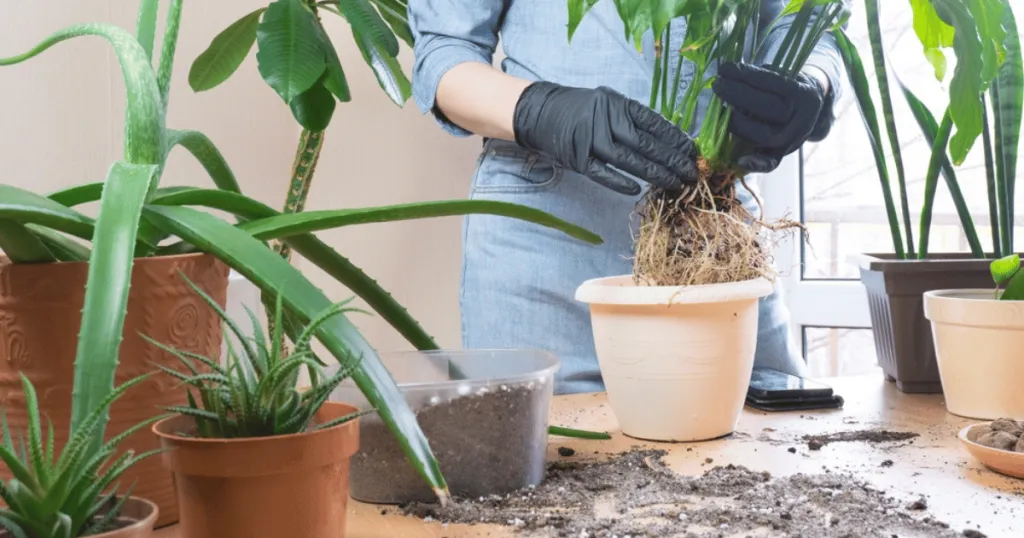
Plants function as integrated biological systems where the roots and foliage are in a constant state of communication. When you remove a plant from its nursery pot, you inevitably disrupt the fine root hairs responsible for water and nutrient uptake. This disruption creates a temporary imbalance. The plant may have enough foliage to support under ideal conditions, but its compromised root system can no longer supply enough moisture to keep those leaves turgid, especially in the dry, HVAC-controlled air common in modern offices.
In a professional setting, this manifests as wilting, drooping, or the yellowing of older leaves. These are not necessarily signs of plant death; they are adaptive responses. The plant is essentially prioritizing its limited resources to protect its core structure while it works to re-establish contact with the new potting medium. If the plant is moved from a stable, familiar environment into a new container with a different soil texture, it must also adjust its chemical signaling to adapt to the new moisture retention levels of the fresh substrate.
Why Office Conditions Amplify the Response
Office environments present unique challenges that can exacerbate the recovery period. Unlike a greenhouse with high ambient humidity and consistent, diffused natural light, offices often have low humidity and intense, localized light sources. When a plant is struggling with root recovery, it cannot regulate its water loss as effectively. If that plant is sitting directly under a bright LED or fluorescent fixture, the heat and light intensity force the plant to transpire faster than its roots can pull water, leading to a more pronounced stress response.
Furthermore, weekend cycles in offices often lead to neglect. A plant that has just been repotted requires a specific, consistent moisture level to settle its roots into the new soil. If the office shuts down for a long weekend and the soil dries out completely, the plant will struggle to bridge the gap between the old root ball and the new soil, significantly extending the recovery timeline.
Evidence Strength and Limitations
The concept of plant shock is widely accepted in botanical science, though it is often oversimplified in popular gardening literature. Research into plant physiology confirms that root damage triggers a hormonal cascade, specifically involving abscisic acid, which signals the plant to close its stomata to conserve water. This is a survival mechanism, not a disease. However, the severity of this response is highly variable depending on the species.
Some plants, such as resilient Pothos or Snake Plants, show almost no outward signs of distress after a move. Others, like sensitive Fiddle Leaf Figs or certain tropical ferns, are notorious for dropping leaves at the slightest change in their root environment. It is important to note that much of the anecdotal evidence regarding plant death after repotting is actually misattributed. In many cases, the plant did not die from the stress of the move itself, but from subsequent overwatering. When a plant is in a state of shock, its metabolic rate slows down, meaning it requires less water than it did when it was actively growing. If a manager continues to water on the old schedule, the roots will rot in the saturated, undisturbed soil, which is the true cause of failure.
Strategic Timing and Environmental Control
To mitigate the impact of repotting, timing is everything. In an office, you should avoid repotting during peak stress periods, such as immediately after a plant has been moved to a new location or during the darkest months of winter when light levels are lowest. The ideal window for repotting is the start of the active growing season, typically spring, when the plant has the metabolic energy to push out new root growth. By aligning your maintenance schedule with the plant’s natural biological cycle, you provide it with the best possible chance to recover quickly.
Environmental control is equally important. After repotting, consider moving the plant to a spot with slightly lower light intensity for the first week. While this sounds counterintuitive, reducing the light intensity lowers the rate of transpiration, which in turn reduces the demand on the compromised root system. Once you see signs of new growth or improved turgidity, you can gradually move the plant back to its original, brighter location. This phased approach acts as a buffer, allowing the plant to stabilize before it is expected to perform at its peak again.
Managing the Root-to-Soil Ratio
A common mistake in office plant maintenance is the tendency to over-pot. When you place a plant in a container that is significantly larger than its root ball, you introduce a large volume of soil that the roots cannot immediately colonize. In an office, where watering is often done by a schedule rather than by checking soil moisture, this excess soil acts like a sponge, holding onto water for too long. This creates an anaerobic environment where oxygen cannot reach the roots, leading to root rot. To prevent this, ensure your new container is only one to two inches wider than the previous one. This provides enough room for growth without overwhelming the plant’s ability to manage moisture.
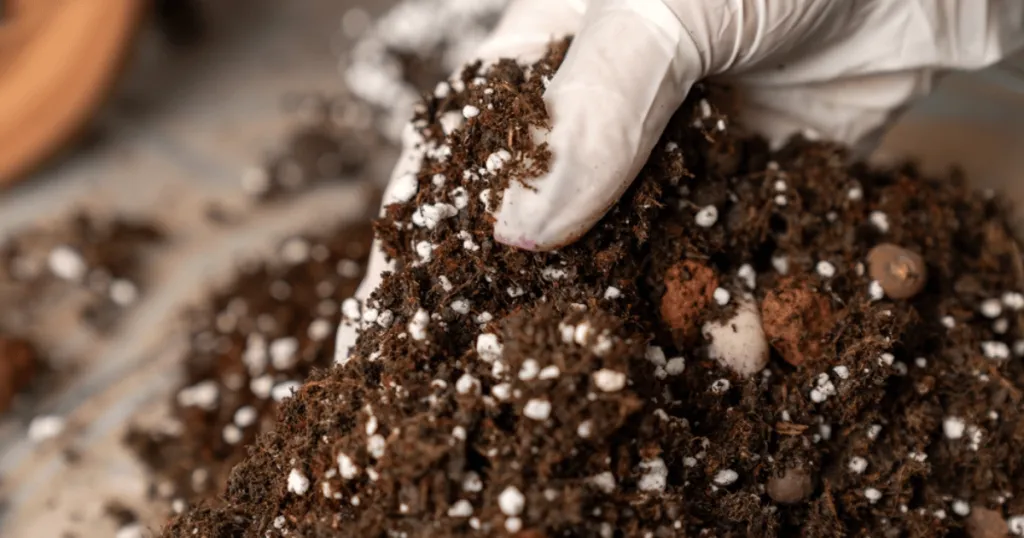
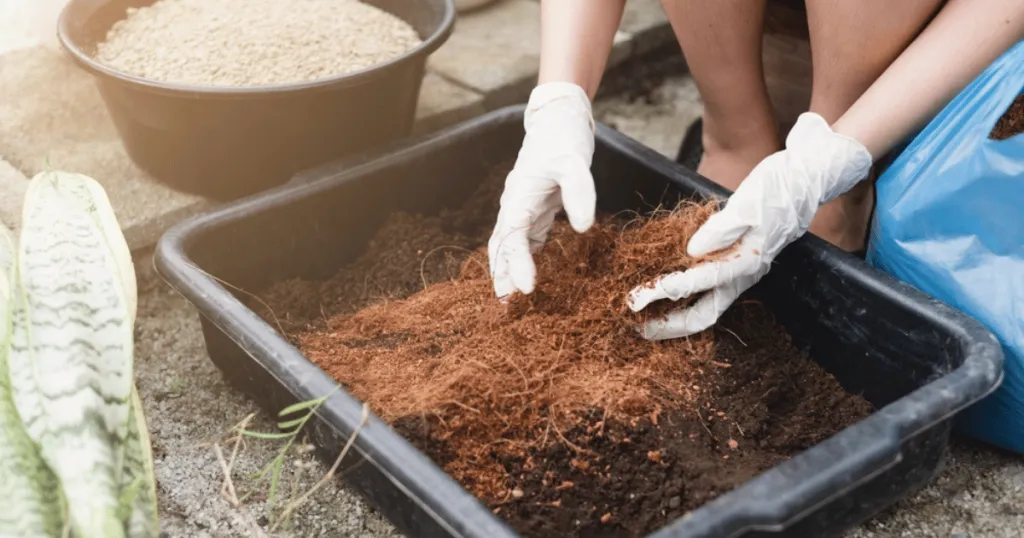
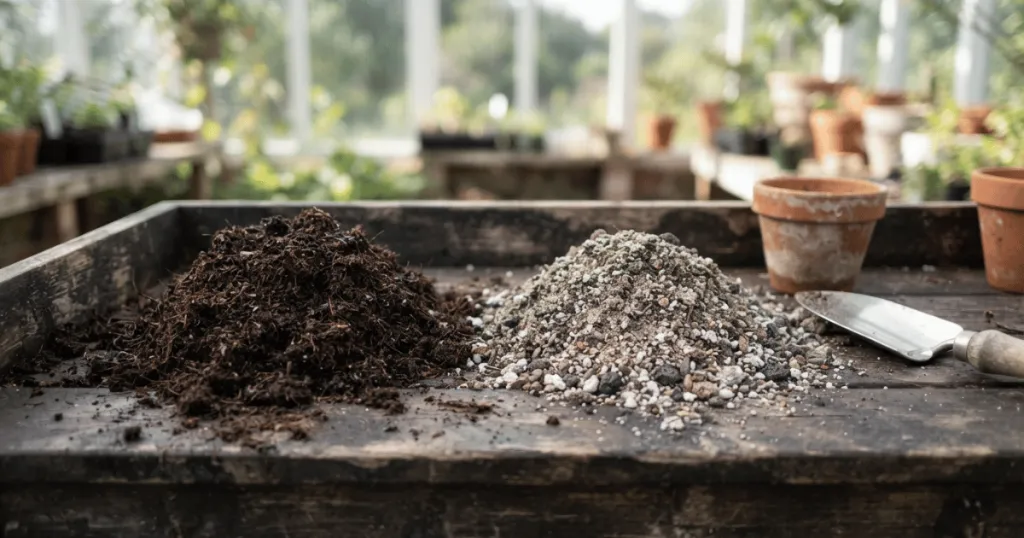
Furthermore, the choice of potting medium is critical. Many commercial potting mixes are designed for general use and may be too dense for office plants that require high aeration. Adding perlite or pumice to your mix can improve drainage and ensure that the roots have access to the oxygen they need to recover. When you repot, gently tease the roots to encourage them to grow outward into the new soil, but avoid aggressive root pruning unless you are dealing with severely root-bound specimens. The goal is to facilitate a seamless transition, not to force the plant to rebuild its entire root architecture from scratch.
Monitoring and Recovery Indicators
Post-repotting, your observation routine should be more vigilant than usual. Look for subtle signs of stress beyond the obvious wilting. A plant that is struggling may lose its luster or show a slight change in leaf color. These are early warning signs that the plant is struggling to balance its water intake. If you notice these symptoms, check the moisture level of the soil at the root zone, not just at the surface. If the soil is wet, hold off on watering, even if the schedule says it is time. If the soil is dry, ensure you are watering thoroughly enough to saturate the root ball, but not so much that water pools in the decorative outer pot.
Recovery is not a linear process. Some plants may seem to stall for several weeks before suddenly putting out a flush of new growth. This is normal. The plant is investing energy into its root system, which is invisible to the observer. As long as the plant is not actively declining – meaning it is not losing leaves rapidly or showing signs of stem rot – you should maintain a patient, consistent care routine. Avoid the temptation to “fix” the plant with fertilizer or heavy pruning, as these actions will only add to the stress load.
Who Benefits Most from This Knowledge
Office managers and facilities staff who oversee large collections of plants benefit most from understanding this process. When you manage dozens of plants, you cannot afford to have a significant portion of your greenery looking wilted or unhealthy due to improper maintenance cycles. Knowing that a plant is undergoing a recovery phase allows you to adjust your expectations and your care routine accordingly.
This knowledge is also critical for those responsible for procurement. If you are ordering plants for a new office space, understanding that these plants will likely undergo a period of adjustment upon arrival is vital. Many office plants are shipped in tight nursery pots. If you choose to repot them immediately upon arrival to match your office aesthetic, you are compounding the stress of shipping with the stress of repotting. A more strategic approach is to allow the plants to acclimate to the office light and humidity levels for two to four weeks before attempting any container changes.
Common Misconceptions
A frequent myth is that adding extra fertilizer will help a plant recover from repotting. In reality, this is counterproductive. Fertilizing a stressed plant is akin to forcing a patient recovering from surgery to run a marathon. The roots are not yet capable of processing high concentrations of nutrients, and the excess salts can actually burn the delicate root tips, further delaying recovery. The best approach is to withhold all fertilizer for at least four to six weeks following a move.
Another misconception is that the size of the new pot must be significantly larger than the old one to encourage growth. This is a common error. A pot that is too large holds too much water, which stays cold and stagnant around the roots. This creates an anaerobic environment that prevents the roots from spreading. For most office plants, moving up just one or two inches in diameter is sufficient. This minimizes the volume of new, uncolonized soil, which helps the plant stabilize much faster and reduces the duration of the transition period.
FAQ
How long does it typically take for a plant to recover from Repotting stress?
Most office plants recover within two to four weeks. During this time, you may notice slower growth or minor leaf drooping. If the plant shows no signs of improvement after a month, check for underlying issues like overwatering or inadequate light.
Should I water my plant immediately after repotting?
Yes, a light watering is necessary to settle the soil around the roots and eliminate large air pockets. However, avoid soaking the soil to the point of saturation, as the plant’s reduced root system will not be able to absorb the excess moisture.
Is it better to repot a plant when it is dry or moist?
It is generally better to repot when the soil is slightly moist. Dry soil can be dusty and difficult to work with, while overly wet soil can be messy and prone to clumping. Moist soil helps keep the root ball intact during the transition.
Can I prune my plant at the same time I repot it?
It is best to avoid simultaneous pruning and repotting. Both are stressors. If you must prune, do so a few weeks before or after the move to allow the plant time to recover from one procedure before undergoing another.