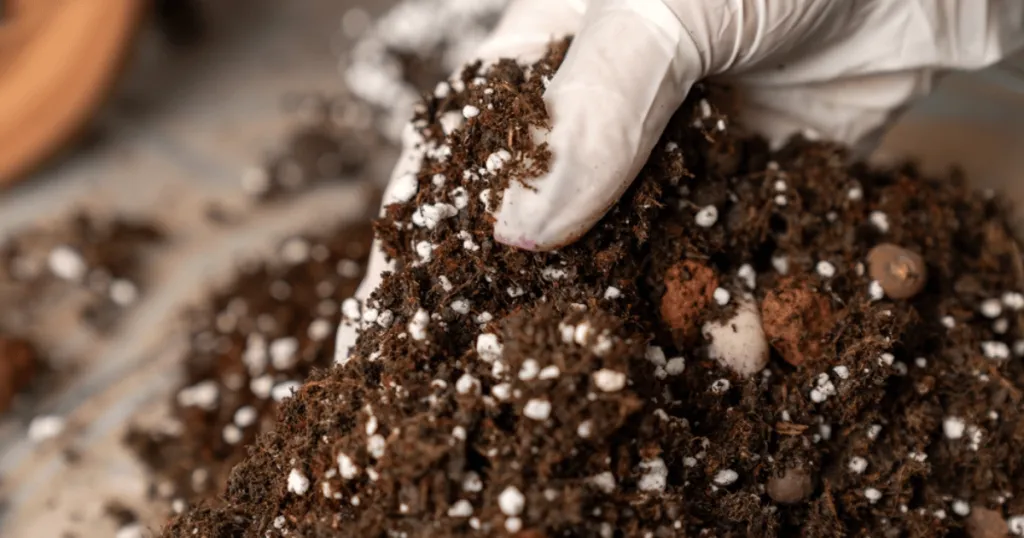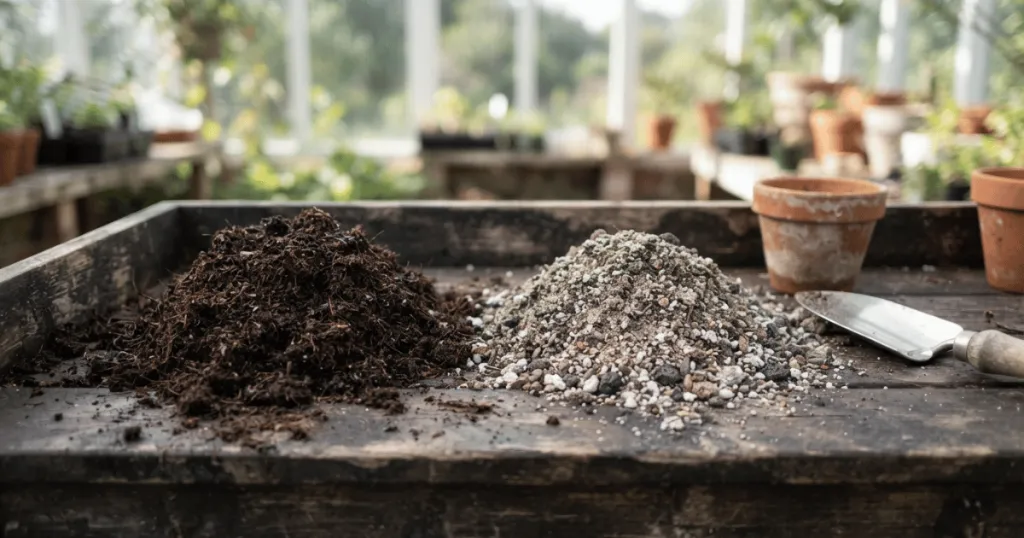
When outfitting an office with resilient greenery, standard commercial soils often fall short of expectations. Factory-bagged potting soils tend to compact tightly under heavy indoor watering routines, suffocating roots and holding excess moisture that invites root rot. Blending a custom DIY potting mix recipe allows you to tailor aeration, drainage, and water retention specifically to the controlled climate of a modern workplace, where fluorescent or LED lighting and constant HVAC airflow dry out containers unevenly.
Creating your own growing substrate gives you complete control over raw ingredients like peat moss, perlite, and coconut coir. Instead of relying on guesswork, a thoughtful formulation matches the exact physical structure that office plants need to stay vigorous without requiring constant intervention from busy workplace managers.
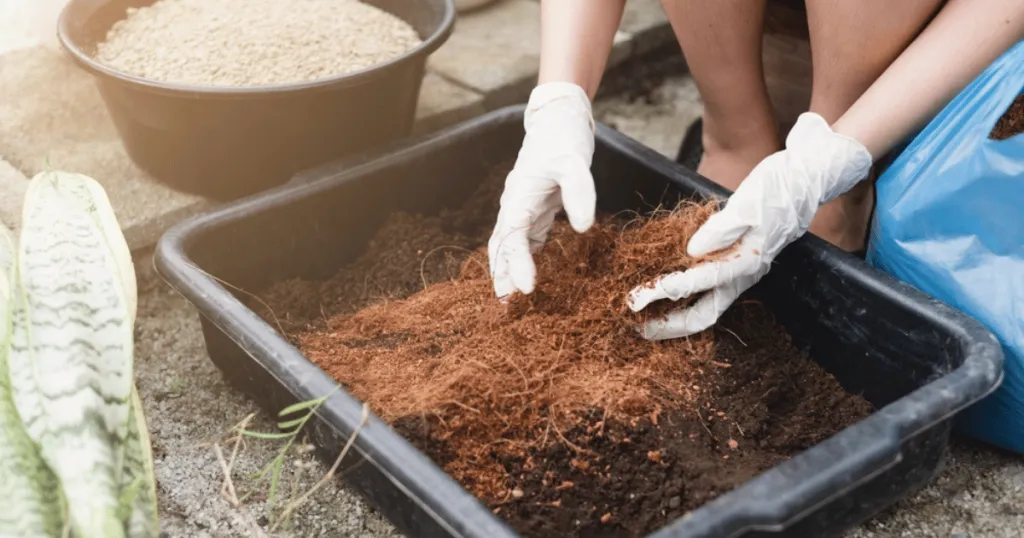
Understanding the Core Components of Workplace Soil Blends
An effective growing medium relies on three distinct physical functions working in harmony: moisture retention, structural aeration, and physical anchorage. When you balance these properties, your indoor flora can withstand the erratic watering schedules common in bustling work environments.
Moisture Retention Agents
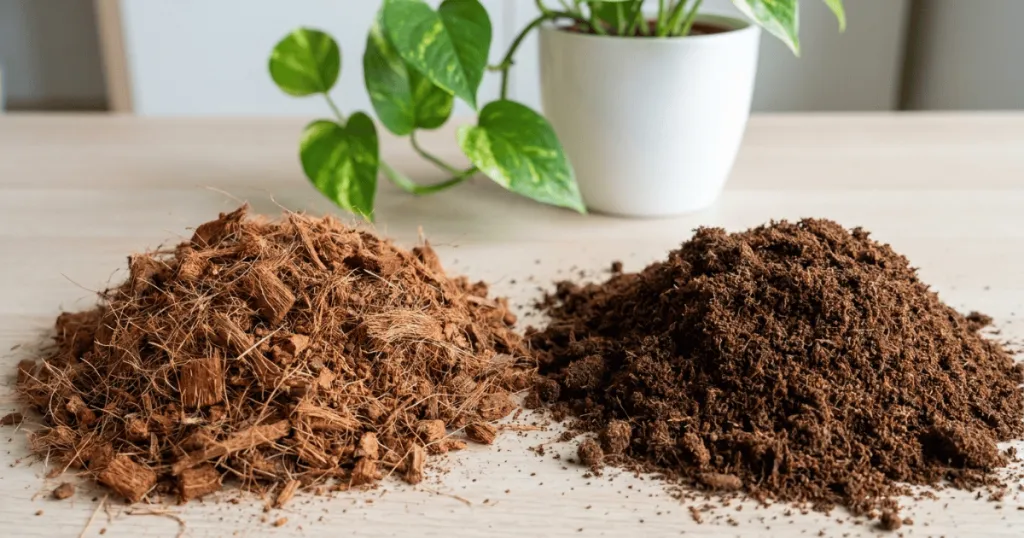
Water-holding components keep moisture available to roots between routine maintenance checks. Sphagnum peat moss and coconut coir serve as the primary moisture reservoirs in most custom substrate blends. Peat moss offers a slightly acidic pH that many common indoor species prefer, while coconut coir provides a neutral pH and superior resistance to absolute dry-out. In low-humidity office settings, these components slow down rapid evaporation from the root zone.
When selecting your base, consider how the building’s climate control interacts with moisture. Office buildings equipped with continuous forced-air heating and cooling accelerate surface evaporation. By incorporating moisture retention agents like coconut coir, you create a sponge-like matrix that holds water evenly throughout the container height, preventing the top layers from becoming bone-dry while the bottom remains soggy.
Aeration and Drainage Promoters
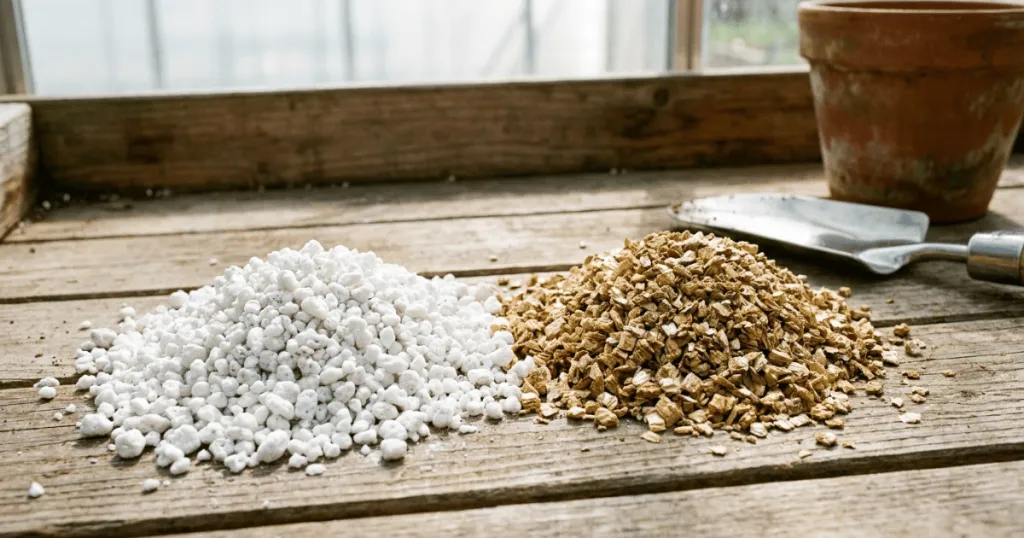
Heavy moisture retention becomes dangerous without adequate oxygen channels. Coarse perlite, expanded clay pebbles, and horticultural pumice introduce microscopic and macroscopic air pockets into the medium. These materials prevent the soil mass from collapsing into a dense block over months of watering. Proper air exchange ensures that root systems can respire normally, even when janitorial staff or office workers water plants on an irregular weekly rhythm.
In practice, utilizing a reliable custom potting soil ensures that oxygen continuously reaches delicate root tips. Without these physical air gaps, fine roots suffocate within days of a heavy watering. Incorporating high-grade drainage amendments also safeguards against stagnant water pooling at the base of decorative containers that lack functional drainage holes.
Weight and Anchorage Materials
Large desktop specimens and floor-standing indoor trees need physical weight to stay upright in lightweight containers. Coarse builder sand or heavy pumice adds basal stability, preventing top-heavy plants from tipping over in high-traffic office hallways or open-plan meeting rooms.
Balancing container weight is particularly critical in commercial office settings where cleaning crews or passing employees might brush against large planters. Adding dense inorganic fractions into your indoor plant soil recipe anchors the root ball firmly, keeping tall architectural statement plants secure without requiring awkward external staking systems.
Formulating and Blending Your Substrate
Building a successful custom blend requires precise ratio adjustments based on the specific light, temperature, and humidity conditions of your office space. Most standard foliage plants thrive when you combine organic moisture-holders with inorganic drainage elements in predictable volumetric proportions.
The standard baseline ratio for a versatile indoor formulation involves equal parts organic matter, water-retaining fiber, and aeration material. For a typical medium-sized office container, you might measure ingredients using simple volumetric units like a small garden scoop or a standard bucket.
Standard Foliage Blend Proportions
A balanced general-purpose recipe for tropical office plants like pothos, philodendrons, and peace lilies typically relies on a reliable structural ratio. Combine two parts coconut coir or peat moss with one part coarse perlite and one part horticultural grade vermiculite or pumice. This combination holds enough water to survive a long weekend without attention while shedding excess water quickly enough to protect against anaerobic decay.
When preparing this mix, ensure that your chosen potting soil ingredients are thoroughly blended before filling containers. Uneven distribution of perlite and peat creates pockets of dense, wet soil alongside pockets of loose, dry air, which disrupts uniform root growth and complicates routine maintenance for office plant caretakers.
Arid and Succulent Modification
Desk-bound succulents and cacti require a radically different physical environment due to their sensitivity to standing moisture. For these plants, alter the baseline formula significantly. Use one part organic matter paired with three parts inorganic drainage components, such as a mix of coarse perlite, poultry grit, and crushed expanded clay. This porous structure mimics arid conditions, allowing irrigation water to drain completely through the container within seconds.
Implementing an open, fast-draining medium is essential for desktop succulents situated under dim fluorescent office lighting. Because low light slows down metabolic water uptake, plants cannot consume moisture quickly enough in heavy soils. A high-porosity recipe prevents the chronic root saturation that frequently kills office succulents.
Practical Implementation and Hygiene in Shared Spaces
Mixing your own growing substrates indoors requires careful space management to keep shared office areas clean and functional. Establish a dedicated workspace on a large plastic tarp or inside a clean storage tote to contain fine dust particles from perlite and dry peat moss.
Always moisten dry peat moss or coconut coir slightly before blending. Dry organic amendments repel water initially and create airborne dust that can irritate coworkers nearby. Pre-dampening the materials allows them to integrate smoothly with perlite and pumice, creating a uniform texture throughout the batch.
Store leftover bulk ingredients in sealed, airtight plastic bins rather than open bags. Open containers invite pests like fungus gnats to lay eggs in moist organic matter before it even touches a plant pot. Keeping your storage area dry and secure protects the overall cleanliness of the office environment.
When working with a perlite and peat moss mix in an enclosed office suite, wearing a simple dust mask prevents inhalation of lightweight mineral dust during the mixing process. Thoughtful preparation keeps the workplace tidy and prevents slip hazards or messy workstation cleanup demands.
Troubleshooting Substrate Performance in Office Environments
Even with a well-crafted DIY potting mix recipe, indoor office conditions can occasionally cause structural or chemical issues that impact plant health. Recognizing early warning signs allows you to correct problems before they threaten your workplace greenery.
Compaction and Drainage Failure
If water pools on the surface of your container for more than a few seconds instead of soaking straight through, the medium has likely compressed or lost its aeration structure. This usually happens when fine organic particles break down over time or when too much fine sand was used in the blend. The remedy involves gently aerating the top layer with a blunt tool or repotting the specimen into a fresh batch containing higher percentages of coarse perlite or pumice.
Maintaining optimal soil aeration prevents the suffocation cycles that weaken office plants over long operational quarters. If you notice persistent yellowing leaves despite regular watering, inspect the root zone for compaction issues immediately.
Salt Crust Accumulation
Tap water used in commercial buildings often contains high levels of dissolved minerals. Over several months, these minerals accumulate as a white crust on the soil surface and along the inner rim of the pot. When this occurs, flush the root zone thoroughly with distilled or filtered water, allowing it to drain out completely. If the buildup is severe, replacing the top two inches of substrate restores a healthy chemical balance without requiring a full repotting procedure.
Long Term Substrate Maintenance and Renewal
Indoor container media degrades naturally as organic components decompose and beneficial soil microbiology shifts. In most office settings, potted plants benefit from a complete substrate refresh every two to three years. Spring is the optimal season for this maintenance task, as plants emerge from winter dormancy with renewed vigor and recover rapidly from root disturbance.
When refreshing containers, inspect the root ball for signs of circling or overcrowding. Gently tease apart matted roots to encourage them to explore the fresh medium. Discard the old spent substrate into outdoor landscaping beds rather than reusing it indoors, as old soil loses its structural integrity and may harbor dormant pest larvae or mineral imbalances.
Establishing a predictable schedule for soil renewal ensures long-term plant vitality across all executive offices, breakrooms, and conference spaces. By managing substrate health proactively, facilities teams minimize plant replacement costs and maintain a vibrant, professional indoor landscape year-round.
FAQ
Can I use garden soil from outside for my office plants?
Outdoor garden soil is generally too heavy and dense for containers. It compacts rapidly under indoor watering routines, lacks proper aeration, and often contains weed seeds, fungal spores, or insect pests that thrive in warm office environments.
How do I sterilize homemade soil components?
While raw ingredients like perlite and coir are naturally sterile, garden compost or salvaged materials can be pasteurized by spreading them on a baking sheet and heating them in an oven at low temperatures until warmed through, though most purchased soil amendments require no extra treatment.
Why does my DIY mix dry out too quickly in an air-conditioned office?
Constant HVAC airflow increases evaporation rates significantly. If your mix dries out within a single day, increase the proportion of moisture-retaining organic matter such as coconut coir or add a thin layer of decorative gravel to the surface to slow down evaporation.