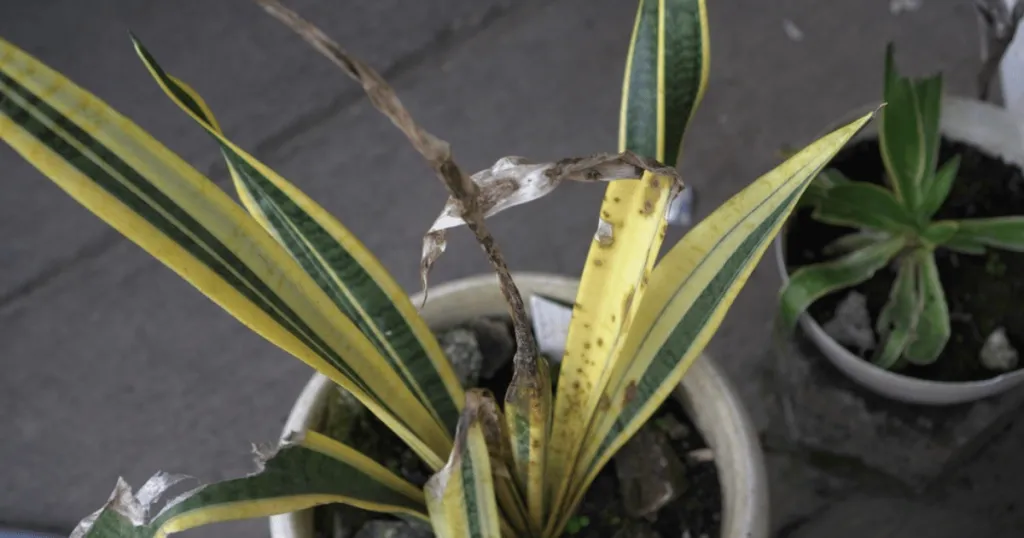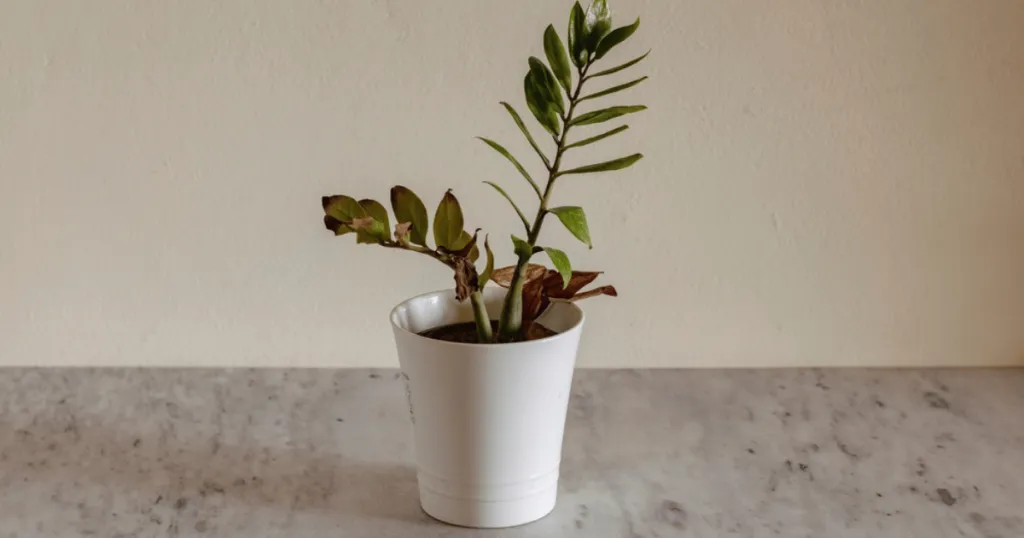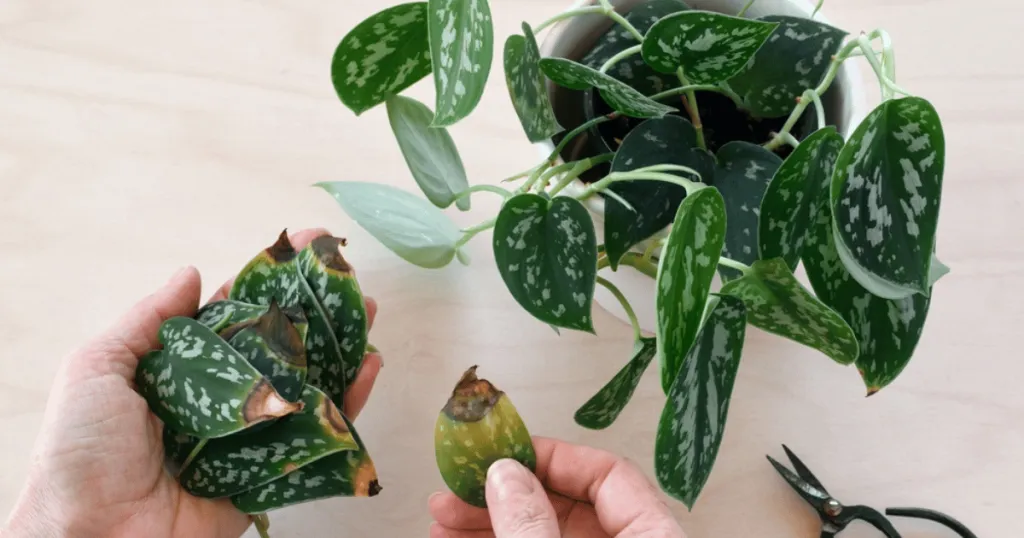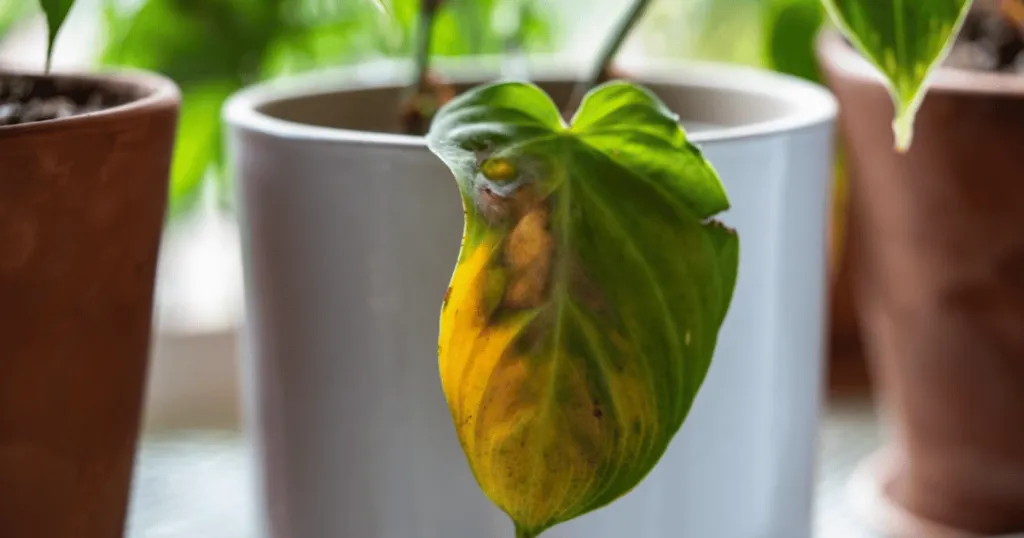
A thriving Chinese Evergreen showcases vibrant, richly patterned foliage with crisp variegation, firm upright stems, and steady growth despite indoor office conditions. When trouble starts brewing, this resilient indoor foliage plant quickly signals distress through muted colors, limp stems, or dropping leaves. Catching these changes early prevents minor office maintenance slips from turning into permanent plant loss, keeping your desk or conference room looking professional.
Understanding aglaonema care problems in a commercial workspace requires looking at how office environments differ from residential spaces. Constant HVAC cycling, weekend temperature drops, and well-meaning team members who water on overlapping schedules create unique challenges. By pairing accurate symptom identification with correct operational adjustments, office managers and administrative staff can resolve issues quickly without disrupting daily workflow.
Short Answer
The practical bottom line with chinese evergreen (aglaonema) problems is that most issues stem from improper watering intervals or poor drainage rather than pests or lack of light. Adjusting soil moisture, monitoring potting mix drainage, and ensuring your container has adequate drainage holes resolves the vast majority of plant decline in an office setting. When administrative teams standardize who handles watering and protect desks from direct air vents, these versatile plants rebound rapidly.
Quick Checks and Fast Fixes for Stressed Office Plants
When an office plant starts looking lackluster, office managers and desk workers often rush to repot or fertilize. That reaction usually makes things worse by shocking an already vulnerable root system. Start with a systematic physical inspection before changing any care routines. Check the soil moisture two inches below the surface using a simple wooden dowel or your finger. Feel the base of the stems where they meet the potting mix to ensure the tissue remains firm and green rather than mushy or brown.
Next, inspect the underside of the leaves and along the leaf axils for fine webbing, sticky residue, or tiny crawling insects. Finally, evaluate the immediate microclimate of the workspace. A desk plant sitting directly in the draft of an overhead air conditioning vent or baking behind a south-facing window will show environmental stress even when watering habits are correct. Evaluating these factors helps isolate whether the issue is cultural, environmental, or pest-related. Consider whether nearby office equipment like laser printers or desktop computers generate localized heat plumes that accelerate moisture loss from the pot.
Fast corrections require zero disruption to the root system. If the soil is waterlogged, temporarily suspend watering and improve air circulation around the container by moving it away from tight corners. If dust has accumulated on the broad leaves under fluorescent office lighting, wipe them down gently with a damp microfiber cloth to restore full photosynthetic capacity. Taking these measured steps prevents overcorrection and stabilizes the plant without startling sensitive foliage.
Symptom-to-Cause Diagnosis Matrix
Different stressors produce distinct visual cues. Use this diagnostic reference to match what you see in your workspace with the underlying environmental or cultural cause.
| Visual Symptom | Most Likely Cause | Initial Corrective Action |
|---|---|---|
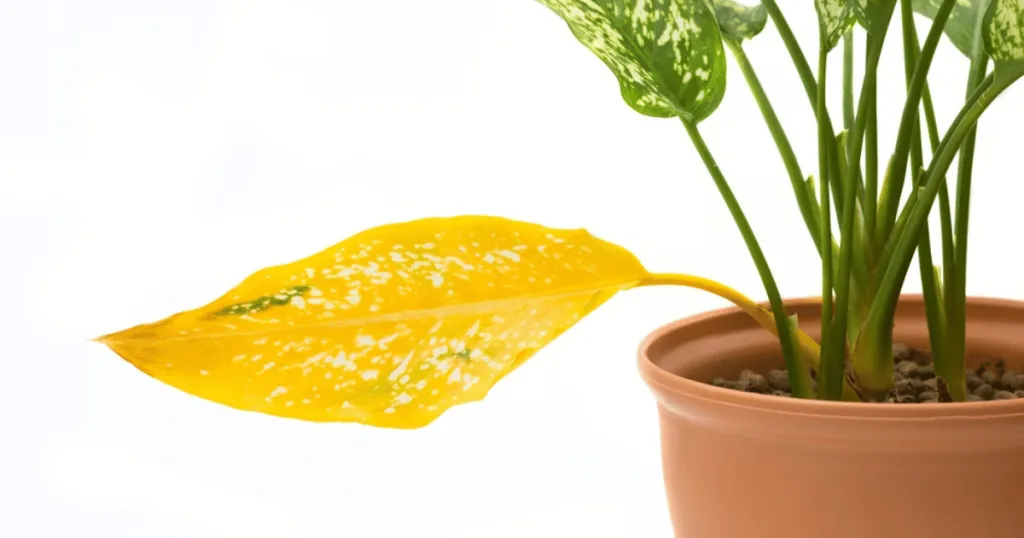
| Yellowing lower leaves and soft stems | Overwatering or dense, poorly draining soil | Let top two inches dry completely; check drainage holes |
| Crisp brown leaf tips and edges | Low HVAC humidity or chemical buildup | Increase local humidity; flush soil with filtered water |
| Limp, drooping stems without mushiness | Underwatering or extreme temperature drop | Give a thorough deep watering; move away from cold drafts |
| Faded variegation and stretched, leggy growth | Insufficient light in deep office interior | Relocate closer to a window or add a full-spectrum LED desk lamp |
| Stiff, curled leaves with sticky residue | Mealybug or scale infestation | Wipe pests with isopropyl alcohol on a cotton swab |
Resolving the Most Frequent Office Plant Issues
Overwatering and Chinese Evergreen Root Rot
Overwatering remains the single most common reason office plants fail. In open-plan offices, multiple well-meaning colleagues might water the same desk plant throughout the week without communicating, or the container may sit in a decorative cachepot that traps standing water at the base. When roots remain submerged in soggy soil, they suffocate and die, creating an entry point for fungal pathogens that trigger chinese evergreen root rot and cause the stems to collapse.
To fix active root rot, unpot the plant and gently shake away heavy, wet soil. Use clean shears to trim away black, mushy, or foul-smelling roots, leaving only firm, light-colored roots intact. Repot the plant into a fresh, well-aerated potting mix blended with perlite or orchid bark to ensure rapid drainage. Always empty saucer trays within ten minutes of watering to prevent the root system from sitting in stagnant runoff. For office spaces lacking nearby sinks, use a turkey baster to draw standing water out of decorative outer pots.
Light Stress and Fading Foliage
While these plants tolerate low-light office corners better than most tropical species, absolute darkness stunts development and washes out striking leaf variegation. Deep green cultivars manage low light better than brightly variegated varieties, which require moderate indirect light to maintain their high-contrast coloration. Without sufficient light, new leaves emerge smaller, and stems stretch out awkwardly toward distant light sources.
If your plant exhibits sluggish growth, smaller new leaves, or solid green reversion on variegated stems, bridge the gap by moving it closer to a window or supplementing with an adjustable LED desk lamp turned on during work hours. Avoid sudden shifts into direct blazing sunlight, which scorches tender foliage within hours and leaves permanent bleached patches on the leaves. Remember that glass windows filter out certain light spectrums, so a window ledge facing north or east provides ideal conditions without thermal overheating.
Low Humidity and Leaf Tip Burn
Office buildings running continuous HVAC systems maintain notoriously dry indoor air, often dipping well below the comfort threshold for tropical foliage. This dry atmosphere quickly causes crisp brown tips and dry leaf margins on broad-leaved plants, especially during winter months when heating systems run constantly.
While misting provides only temporary relief and can encourage fungal leaf spots if air circulation is poor, grouping plants together creates a shared microclimate of elevated humidity. Alternatively, place the container on a shallow pebble tray filled with water, ensuring the water level sits well below the bottom of the nursery pot so the roots never remain submerged in standing water. Monitoring local humidity levels with a small desktop hygrometer helps facility teams track workspace dryness accurately.
Advanced Troubleshooting and Pest Management
Managing Indoor Pests Under Office Conditions
Indoor workspaces can harbor common houseplant pests like mealybugs, spider mites, and scale insects, which hitch a ride on new arrivals or drift in from outside. Mealybugs appear as small white cottony clusters in leaf axils, while spider mites leave fine stippling and delicate webbing across the foliage, draining the plant of vital fluids.
Avoid harsh chemical sprays in shared office spaces to prevent irritating coworkers with strong odors. Instead, manage pest outbreaks by wiping affected areas with cotton swabs dipped in rubbing alcohol. For stubborn infestations, apply insecticidal soap or horticultural oil thoroughly in a well-ventilated utility area before returning the plant to its display spot. Regular inspection during weekly plant maintenance catches these unwelcome insects before populations expand across multiple office specimens.
Addressing Mineral Salt Buildup and Fertilizer Burn
Regular tap water contains dissolved minerals and salts that accumulate in potting soil over time, appearing as a crusty white residue on the soil surface or pot rim. This chemical buildup causes fertilizer burn, characterized by sudden brown leaf tips despite proper watering routines and balanced care habits.
Flush the soil every few months by taking the plant to a breakroom sink and running a large volume of lukewarm water slowly through the potting mix, letting it drain completely. Limit fertilization strictly to the spring and summer growing season using a balanced liquid houseplant fertilizer diluted to half-strength to prevent salt overload. Discontinue feeding entirely during late autumn and winter when natural daylight decreases and plant metabolism slows down significantly.
Prevention Habits for Long-Term Plant Health
Establishing sustainable care routines prevents recurring distress and keeps workspace greenery looking professional year-round. Adopting a few simple operational habits eliminates guesswork for busy office teams and protects your investment in office plant maintenance.
First, assign a single designated caretaker for each shared office plant rather than leaving watering duties to random chance or group consensus. This eliminates both underwatering neglect and overwatering accidents from multiple rounds of hydration.
Second, standardize your watering check schedule by tying it to the office calendar. Inspect soil moisture on a fixed bi-weekly cadence, and only add water when the top inch feels genuinely dry. Never water on a rigid calendar schedule regardless of seasonal changes or office temperature fluctuations.
Third, keep plants distanced from active heating vents, radiators, and cold glass windows during seasonal weather transitions. Consistent ambient temperatures between sixty-five and eighty degrees Fahrenheit prevent sudden environmental shock.
Finally, review safety guidelines regarding household pets before introducing greenery to office environments where visitors bring dogs. According to veterinary toxicological resources and ASPCA guidance on toxic plants, Chinese Evergreens contain calcium oxalate crystals that cause oral irritation, swelling, and digestive upset if chewed or ingested by cats and dogs. Position plants out of reach of companion animals to ensure a safe workspace for everyone.
Related Chinese Evergreen Guides
FAQ
Why are the lower leaves of my Chinese Evergreen turning yellow and dropping off?
Lower leaf drop is a natural part of the aging process as the plant pushes energy upward. However, if multiple lower leaves yellow simultaneously alongside soft stems, overwatering is the culprit. Let the potting mix dry out further before the next watering.
Can I rescue a Chinese Evergreen that was left completely dry over a long office holiday?
Yes. If the stems remain firm despite dry, compacted soil, submerge the entire nursery pot in a basin of water for thirty minutes to rehydrate the root ball thoroughly, then allow it to drain completely in the sink.
How do I know if my office lighting is too dim for this plant?
If new leaves emerge significantly smaller than older foliage, or if variegated cultivars lose their bright patterns and turn entirely dark green, the plant is not receiving enough light to support robust photosynthesis.
Should I cut off brown leaf tips with scissors?
You can trim away dead brown tips for aesthetic reasons using clean shears. Leave a tiny margin of brown tissue intact so you do not cut into living green cells, which causes the fresh wound to brown again immediately.