Maintaining tropical office plants in a professional setting often feels like a constant battle against the dry air produced by modern HVAC systems. While humidifiers are a common solution, they are frequently prohibited in office buildings due to safety regulations, maintenance concerns, or limited electrical access. Raising humidity without a humidifier requires a shift in how you arrange your workspace and manage the immediate microclimate surrounding your greenery. By focusing on collective plant grouping and passive moisture retention, you can effectively counteract the arid conditions that typically cause brown, crispy leaf edges on sensitive species like Calathea or Ferns.
Understanding the relationship between office temperature and relative humidity is essential for long-term plant health. Air conditioning units and heating systems act as dehumidifiers, stripping moisture from the air to maintain a consistent environment for human comfort. This creates a deficit that plants must overcome to perform transpiration. When the surrounding air is too dry, plants lose water faster than their root systems can absorb it, leading to wilting and stunted growth. The goal is to create localized pockets of higher humidity where the plant can thrive despite the broader office climate.
Tactics for Localized Moisture Retention
The most effective strategy for increasing ambient moisture involves creating a microclimate. Plants naturally release water vapor through their leaves, a process known as transpiration. When you group plants together, they create a shared humid zone that benefits the entire cluster. This collective approach is significantly more impactful than placing individual pots in isolation throughout a large, open office space.
The Pebble Tray Method
A pebble tray is a classic, low-maintenance tool for increasing humidity in a desk-side setting. By placing a shallow tray filled with stones and a small amount of water beneath your plant, you allow for gradual evaporation. The key is to ensure the bottom of the pot rests on the pebbles, not directly in the water. If the roots sit in standing water, you risk root rot, which is a common mistake in office environments where drainage is often overlooked. As the water evaporates, it creates a moist layer of air directly around the foliage.
Strategic Grouping and Clustering
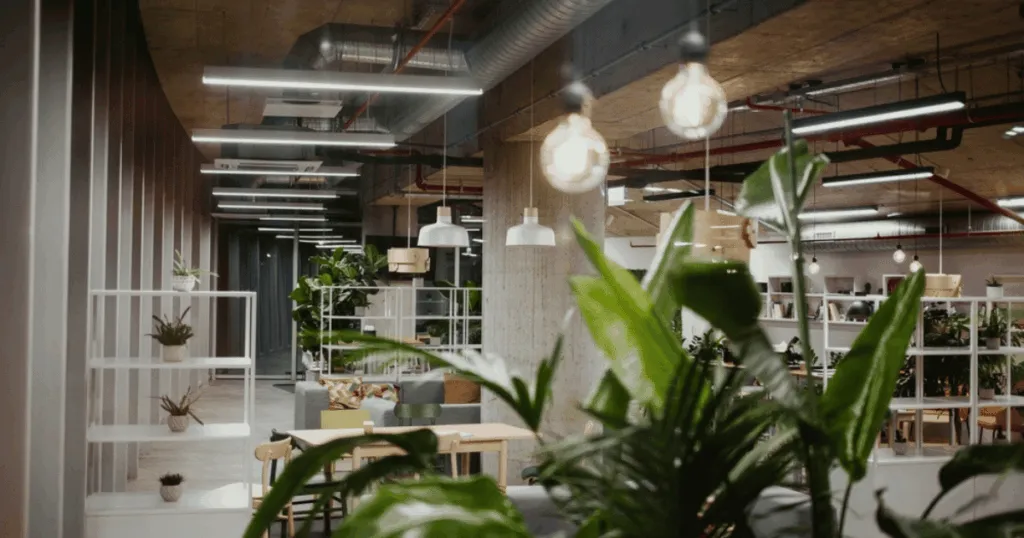
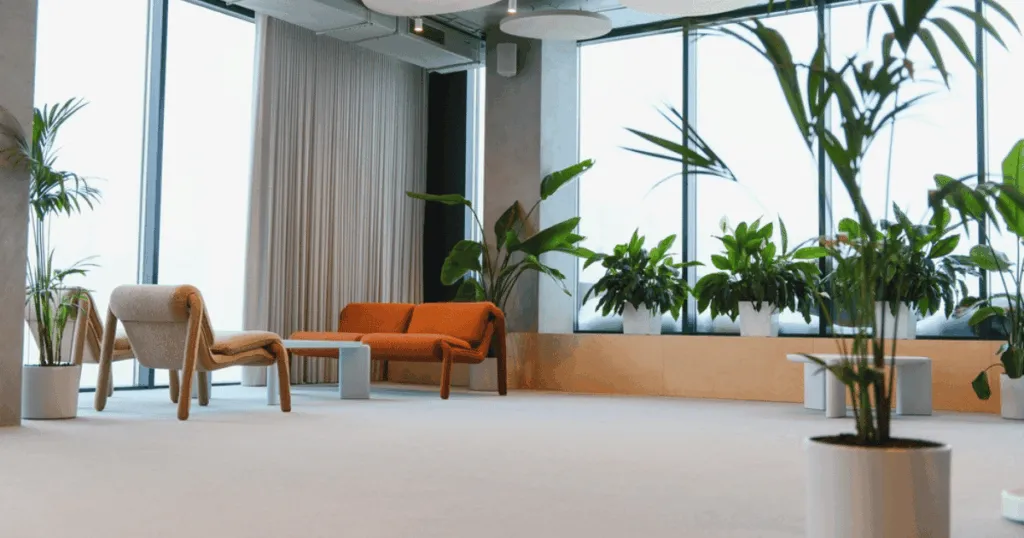
Clustering plants with similar water requirements is a highly efficient way to manage humidity. When you place several plants together, the moisture released by one plant helps maintain the humidity level for its neighbors. This creates a self-sustaining cycle of moisture that is far more stable than the conditions found in a single, isolated desk plant. For office managers, this means designing green zones in meeting rooms or reception areas where multiple plants can be grouped on a single surface or stand, rather than scattering them across different desks.
Optimizing Office Environmental Factors
Beyond physical modifications, how you manage your plant placement relative to office infrastructure plays a major role in humidity levels. HVAC vents are the primary enemy of indoor plants. Even if you cannot move a plant, knowing where the airflow hits can help you adjust your care routine. Direct exposure to forced air, whether hot or cold, will desiccate leaf tissue rapidly. If a plant must stay near a vent, you may need to implement a physical barrier, such as a decorative screen or a taller, sturdier plant that can act as a windbreak for more delicate species.
Managing Soil Moisture and Mulching
While soil moisture is distinct from air humidity, the two are linked. A plant that is well-hydrated is more resilient to dry air. Using a layer of decorative moss or bark mulch on the surface of your potting mix helps slow down evaporation from the soil. This keeps the root zone consistently moist and reduces the frequency of watering, which is particularly helpful for plants left unattended over weekends. In an office, where you might not be present to monitor soil dryness daily, this added layer of protection provides a buffer against the drying effects of the office climate.
The Role of Foliage Maintenance
Regularly wiping down leaves with a damp cloth serves two purposes. First, it removes dust that can clog the stomata, which are the tiny pores plants use for gas exchange. Second, it provides a temporary boost of moisture directly to the leaf surface. While this does not replace the need for a stable microclimate, it is a beneficial practice for plants that are struggling with the dry, stagnant air common in cubicle environments. Avoid using leaf shine products, as these can block the stomata and hinder the plant’s ability to regulate its own moisture levels.
Advanced Passive Humidity Techniques
Beyond basic grouping, office managers can employ more sophisticated passive strategies to support plant health. One such method involves the use of water-retentive substrates. When repotting, incorporating materials like coco coir or perlite into your potting mix can improve the water-holding capacity of the soil, ensuring that the plant has a steady supply of moisture even when the ambient air is exceptionally dry. This is particularly useful for plants that are sensitive to the rapid fluctuations in humidity that occur when office heating systems cycle on and off throughout the day.
Another effective technique is the use of decorative glass cloches or terrarium-style setups for smaller, high-humidity plants. While these are often seen as aesthetic choices, they serve a functional purpose by creating a sealed or semi-sealed environment that traps moisture. For a reception desk or a manager’s office, a small glass enclosure can protect a delicate fern from the harsh, dry air of a lobby, allowing it to thrive without constant intervention. Ensure that these enclosures are placed in indirect light to prevent the “greenhouse effect” from overheating the plant.
Understanding the Limits of Passive Care
It is important to recognize that while these methods are effective, they have physical limits. In extremely dry environments, such as offices with high-altitude heating or constant industrial-grade air conditioning, passive methods may only mitigate the stress rather than eliminate it. In such cases, the best approach is to rotate your plant collection. By moving plants that are showing signs of stress to a more humid area – such as a breakroom near a sink or a restroom with higher ambient moisture – you can allow them to recover. This “nursing” strategy is a professional way to manage plant health without needing to invest in active humidification equipment.
Furthermore, consider the timing of your interventions. Watering in the morning is generally preferred in office settings. This ensures that the plant has sufficient moisture to handle the peak heat and dryness of the afternoon. If you water late in the day, the moisture may sit in the soil overnight, potentially leading to fungal issues if the office temperature drops significantly. By aligning your care routine with the building’s operational hours, you maximize the efficiency of your passive humidity efforts.
Practical Guidance for Workplace Decision-Makers
When selecting plants for an office, prioritize species that are naturally adapted to lower humidity levels. While it is possible to maintain high-humidity plants with extra effort, choosing plants like Snake Plants, ZZ Plants, or Pothos will significantly reduce the need for intervention. These species are physiologically better equipped to handle the fluctuations of an office environment. If you are responsible for multiple areas, categorize your plants by their needs. Place the high-moisture plants in areas where you can easily manage a pebble tray or group them together, and reserve the low-maintenance, drought-tolerant species for areas where you have less control over the environment.
A common mistake is over-watering in an attempt to compensate for dry air. When a plant shows brown, crispy tips, the instinct is often to add more water to the soil. However, if the soil is already damp, adding more water will only lead to root decay. Always check the soil moisture level before adding water. If the soil is dry, water it; if the soil is moist, the issue is likely the ambient air, and you should focus on the methods mentioned above, such as grouping or pebble trays, rather than increasing your watering frequency.
Ultimately, the goal is to create a sustainable routine. If you find yourself constantly struggling to keep a specific plant alive, it may be time to reconsider its placement or swap it for a more suitable variety. Office plants should enhance the workspace, not become a source of stress. By focusing on passive humidity solutions and choosing the right plants for the specific light and airflow conditions of your office, you can maintain a thriving green space without the need for complex equipment.
FAQ
Does misting leaves actually help with raising humidity without a humidifier?
Misting provides only a very temporary increase in humidity that dissipates within minutes as the water evaporates. While it can help clean dust off leaves, it is generally ineffective for raising the ambient humidity levels required by tropical plants in an office setting. Instead of misting, focus on grouping plants or using pebble trays, which provide a more consistent and lasting moisture source.
Can I use a bowl of water near my plants to increase humidity?
Yes, placing a bowl of water near your plants can help, but its effectiveness is limited by the surface area of the water. A shallow, wide container will allow for more evaporation than a deep, narrow glass. For the best results, place the water container as close to the plant foliage as possible, or use a pebble tray, which increases the surface area even further while keeping the water contained.
How do I know if my office air is too dry for my plants?
The most common indicator is the appearance of brown, crispy leaf tips or edges that feel dry and brittle to the touch. If you notice this happening despite regular watering and healthy soil, your plant is likely struggling with low ambient humidity. Other signs include leaves curling inward or dropping prematurely, as the plant attempts to reduce its surface area to conserve moisture.