In the controlled climate of a modern office, maintaining plant health often feels like a guessing game. Between fluctuating HVAC systems, artificial lighting, and the reality of weekend neglect, finding the right hydration balance is a challenge for any office manager or desk-bound plant enthusiast.
The most reliable signs you’re watering correctly are not found in a calendar, but in the physical response of the plant and the state of its growing medium. When your watering routine aligns with the actual needs of the plant, you will notice consistent growth, stable foliage, and a soil profile that dries out at a predictable, healthy pace.
Understanding these signs allows you to move away from rigid, schedule-based watering, which is often the primary cause of root rot and leaf drop in indoor settings. By observing subtle indicators such as leaf turgor, soil moisture retention, and the absence of stress-related pests, you can create a sustainable care rhythm that supports your office greenery without requiring constant intervention. This approach prioritizes plant physiology over arbitrary timelines, ensuring your workspace remains vibrant throughout the work week.
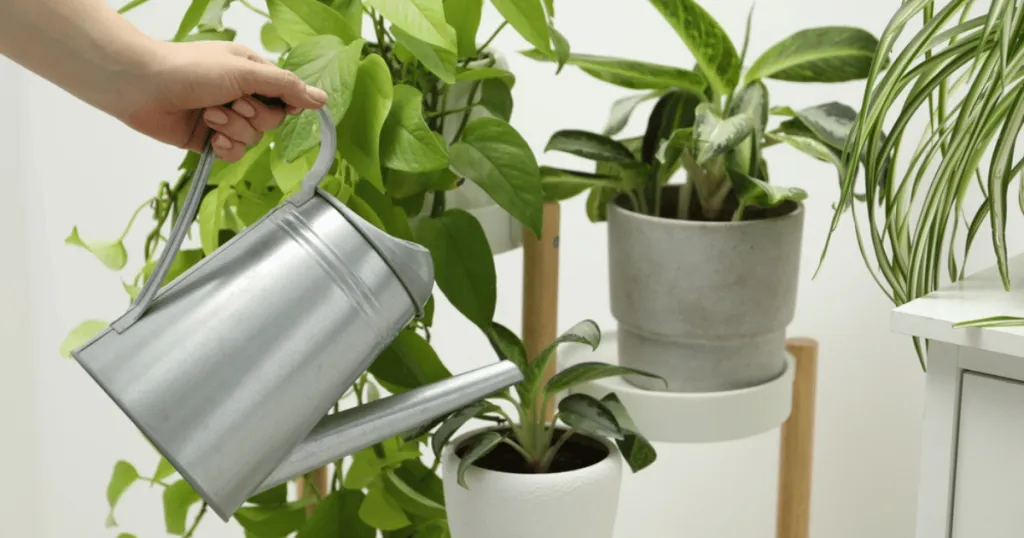
Physical Indicators of a Balanced Watering Routine
When you are watering correctly, the plant exhibits a state of equilibrium. The most immediate indicator is leaf turgor, which refers to the internal water pressure of the plant cells. A well-hydrated plant has firm, upright leaves that do not droop or curl. If you notice that your plants maintain their structural integrity throughout the week, even as the office air dries out, you are likely providing the correct volume of water. Conversely, if leaves appear slightly limp by Friday afternoon but recover quickly after a Monday morning watering, you are likely hitting the sweet spot of moisture management.
Another critical sign is the health of the root system and the appearance of the soil surface. In a properly watered plant, the soil should feel damp but not saturated a few inches below the surface. If you use a finger test or a moisture meter, the reading should consistently fall within the moderate range before you add more water. Healthy roots, which are typically firm and white or light tan, indicate that the plant is receiving enough oxygen alongside its water. If you were overwatering, the roots would likely show signs of decay, appearing mushy or dark, often accompanied by a faint, musty odor from the pot.
Growth patterns also serve as a reliable metric. A plant that is watered correctly will produce steady, consistent foliage. It will not show signs of sudden, rapid yellowing of lower leaves, which is a classic symptom of waterlogged soil, nor will it show crispy, brown leaf tips, which often signal chronic underwatering or low humidity stress. In an office setting, where light levels are often lower than in a greenhouse, a plant that maintains its current size and leaf color is often a sign of success, as it indicates the plant is not under significant physiological stress from hydration extremes.
Contextual Factors in the Office Workspace
Office environments present unique pressures that affect how plants process water. Fluorescent and LED lighting, while sufficient for many varieties, do not provide the same intensity as natural sunlight. Consequently, the rate of transpiration – the process by which plants lose water through their leaves – is often slower in an office than in a home garden. This means that even if a plant label suggests a certain frequency, the reality of your office climate may require a different approach. Recognizing this discrepancy is a hallmark of an experienced plant keeper.
HVAC systems are perhaps the most significant variable. These systems constantly cycle air, which can lead to rapid surface evaporation while the root ball remains wet. If you find yourself watering the top layer of soil frequently because it looks dry, you might be creating a cycle of surface moisture that masks deeper saturation. A key sign you are watering correctly is that you are allowing the soil to dry out sufficiently between sessions. This practice encourages the roots to grow deeper into the pot in search of moisture, which strengthens the plant and makes it more resilient to the occasional missed watering during holidays or long weekends.
Consider the container itself as part of the equation. Plastic pots retain moisture longer than porous terracotta, and containers without drainage holes are notoriously difficult to manage. If you are using a decorative cachepot without a drainage hole, you must be extra vigilant. The sign of correct watering in this setup is the absence of standing water at the bottom of the container. If you can tip the pot and see or hear water sloshing, you are likely overwatering, regardless of how dry the topsoil appears.
Practical Guidance for Consistent Maintenance
To ensure you maintain this balance, adopt a verification-first mindset. Before reaching for the watering can, check the soil moisture. If the top two inches of soil are still damp, wait another day or two. In an office, it is almost always safer to underwater slightly than to overwater. Most common office plants, such as Pothos, Snake Plants, or ZZ plants, are highly tolerant of dry spells but struggle significantly with saturated roots.
Establish a routine of observation rather than a routine of action. For example, make it a habit to check your plants on a specific day, such as Tuesday, but only water those that actually need it. This prevents the common mistake of watering every plant in the office simultaneously, even though they may have different light exposures and moisture requirements. If you manage multiple plants, group them by their water needs. Those in brighter spots near windows will naturally dry out faster than those in dim corners or hallways. By treating each plant as an individual, you eliminate the guesswork and reduce the risk of accidental damage.
Finally, pay attention to the environment during seasonal changes. When the office heating kicks in during winter, the air becomes significantly drier, which may increase the water demand for some plants while decreasing it for others that enter a period of semi-dormancy. Adjusting your observation frequency based on these environmental shifts is the final step in mastering your watering routine. If you notice your plants are consistently healthy, vibrant, and free of yellowing or drooping, you can be confident that your current approach is working effectively for your specific office conditions.
Deep-Dive: The Science of Soil Aeration and Hydration
Beyond simple visual cues, understanding the relationship between soil aeration and hydration is essential for long-term office plant care. When you water, you aren’t just providing moisture; you are flushing the soil and replacing stagnant air with fresh, oxygen-rich air. If the soil remains perpetually wet, the air pockets are permanently filled with water, leading to an anaerobic environment. This is the primary catalyst for root rot.
A sign that you are watering correctly is that the soil structure feels “fluffy” or loose, rather than compacted or muddy. If the soil has become hard and hydrophobic, water may simply run down the sides of the pot without hydrating the root ball, which is a common issue in office settings where plants are neglected for long periods.
To combat compaction, ensure your growing medium includes amendments like perlite or bark, which maintain structural integrity even after repeated watering cycles. If you notice that water takes a long time to soak into the soil, it may be time to gently aerate the top layer with a chopstick or small tool. This simple act of maintenance allows water to distribute evenly, preventing dry pockets that can cause localized root death. Correct watering is not just about the volume of water; it is about the uniformity of moisture distribution throughout the entire container.
Managing Plant Stress in High-Traffic Areas
Office plants often face environmental stress from proximity to high-traffic areas, such as doorways or vents. These locations experience frequent temperature fluctuations that can impact how a plant processes water. A plant placed near a drafty door may experience increased transpiration rates, requiring more frequent checks, while a plant near a heat vent may dry out rapidly due to the constant airflow.
The sign that you are managing these variables correctly is the absence of “stress-induced leaf drop.” If your plant is consistently shedding leaves, it is a clear signal that your hydration routine is not compensating for the environmental stressors of its specific location.
When you notice these signs, perform a “location audit.” Move the plant slightly away from the direct path of the vent or the draft of the door. Observe how this change affects the soil drying time over the next two weeks. If the soil stays moist for longer, you have successfully reduced the environmental stress, and you can adjust your watering frequency accordingly. This iterative process of observation and adjustment is the hallmark of effective office plant maintenance, allowing you to create a stable microclimate for your greenery.
The Role of Drainage and Potting Strategy
The container you choose is just as important as the water you provide. In an office, the convenience of a decorative cachepot often overrides the necessity of drainage. However, if you are committed to plant health, you must prioritize drainage. If you must use a cachepot, keep the plant in its original nursery pot with drainage holes inside the decorative container.
This allows you to remove the plant for watering, let it drain completely in a sink or breakroom area, and then return it to the cachepot. This “drain-and-return” method is the gold standard for preventing root rot in office environments. If you see water sitting in the bottom of the cachepot, you have failed to drain the plant properly, and the roots will eventually suffer from oxygen deprivation.
Furthermore, consider the size of the pot relative to the plant. A plant in a pot that is too large will hold too much water, as the root system cannot absorb the moisture fast enough to prevent the soil from staying soggy. A sign that you are watering correctly is that the plant is in a pot that is proportional to its root ball. If you find that the soil stays wet for weeks, the plant may be over-potted. Repotting into a smaller container can often solve chronic watering issues, as it allows the soil to dry out at a rate that matches the plant’s natural metabolic needs.
FAQ
How can I tell if my office plant is suffering from overwatering versus underwatering?
Overwatering typically causes yellowing leaves, mushy stems, and a musty smell from the soil, as the roots are literally drowning and rotting. Underwatering is characterized by crispy, brown leaf tips, drooping leaves that feel dry or papery, and soil that pulls away from the edges of the pot. If you are unsure, check the soil moisture deep in the pot; if it is wet and you see yellowing, reduce your frequency immediately.
Does the type of office lighting affect how often I should water my plants?
Yes, lighting directly impacts the rate of photosynthesis and transpiration. Plants in low-light office corners grow more slowly and use less water than those placed near windows. If you move a plant to a darker area, you must reduce your watering frequency to match its lower metabolic rate. Always adjust your watering based on the specific light exposure of each plant rather than treating all office plants the same.
Is it better to water office plants with tap water or filtered water?
For most common office plants, standard tap water is acceptable. However, if your office building has very hard water with high mineral content, you might notice white crusting on the soil surface or leaf tips. If this becomes a persistent issue, using filtered water or allowing tap water to sit out overnight can help, though it is rarely a critical factor for the health of hardy office varieties.