Affiliate Disclosure: As an Amazon Associate, I earn from qualifying purchases.
Working in a windowless workspace or a room tucked far away from natural sunlight creates unique hurdles for keeping greenery alive. Standard indoor foliage often stalls, drops leaves, or rots when subjected to dim fluorescent lighting and erratic weekend HVAC shutdowns. Finding the best plants for a dark office requires looking beyond standard sun-loving varieties and focusing on species equipped to handle low photosynthetic energy. These resilient options endure minimal illumination while keeping workspaces feeling vibrant and alive.
Office environments present specific architectural hurdles, from fluorescent tubes emitting restricted light spectra to dry HVAC air and prolonged periods of neglect over weekends. Selecting the right shade-tolerant office plants means matching natural botanical traits to these commercial realities, ensuring your workspace foliage stays healthy without requiring constant horticultural intervention.
At a Glance
- ZZ Plant: Unmatched tolerance for neglect and artificial light.
- Snake Plant: Thrives on irregular watering and dim corners.
- Cast Iron Plant: Survives near total shade and cool drafts.
- Parlor Palm: Adds soft texture without demanding sunlight.
- Chinese Evergreen: Adapts readily to fluorescent office bulbs.
What Makes a Plant Viable in Low Illumination
To survive far from a window, office greenery must rely on specialized physiological traits. In a typical workspace, light levels drop significantly compared to a residential sunroom. Overhead fixtures provide predominantly blue and green wavelengths from LED or fluorescent tubes rather than the full spectrum of natural daylight. Species that succeed in these environments often originate from the shaded floor of tropical rainforests, where they evolved to capture filtered light beneath dense canopies.
From a practical standpoint, choosing the right flora means understanding how metabolism shifts in low light. Because photosynthesis slows down significantly, water consumption drops dramatically. Overwatering remains the single most common cause of plant decline in commercial buildings simply because soil stays damp much longer than it would in a bright room. Drainage quality, pot composition, and soil aeration become much more critical when evaporation rates are low.
Another factor involves how well a species handles the artificial environment created by commercial heating and cooling systems. Low humidity and constant airflow can dry out delicate fronds, while weekend temperature drops test a plant’s hardiness. The best performers tolerate these fluctuations without dropping foliage or inviting pests like spider mites. Evaluating these traits ensures that your workspace selection remains lush and manageable over the long term.
Understanding these biological mechanisms prevents common workplace gardening mistakes. When windowless office plants receive less light, their cellular machinery processes nutrients and moisture at a much slower rate. Recognizing this metabolic shift allows office managers and employees to adjust watering routines away from rigid calendar schedules toward responsive, soil-check-based habits that protect fragile root systems.
Curated Selections for Dim Workspaces
ZZ Plant
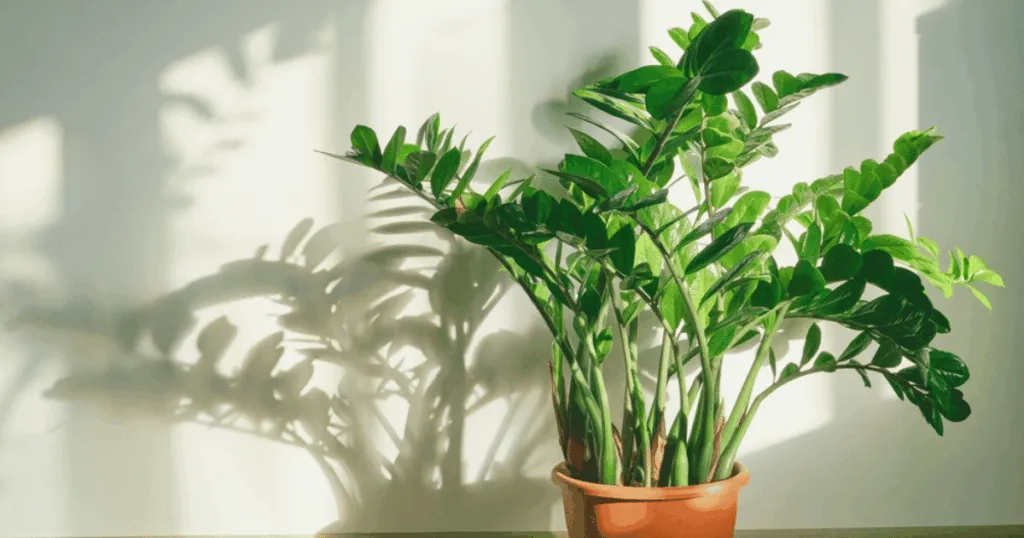
The ZZ Plant stands out as a premier choice for windowless rooms because its thick, potato-like rhizomes store moisture efficiently. This adaptation allows the plant to go weeks without water, making it exceptionally forgiving for busy office managers or staff who travel frequently. Its glossy, dark green leaves reflect ambient light, creating a polished look on reception desks or interior cubicles. One important thing many people overlook is that soil must dry completely between waterings to prevent root rot in dim conditions.
When placed in a dark office, this species relies on its stored hydration reserves to coast through long stretches of neglect. While it tolerates deep shade easily, keeping it away from constant cold drafts near doors ensures its fleshy stems remain firm and healthy. For administrative desks or interior corners lacking windows, it provides reliable greenery with minimal physical upkeep.
Snake Plant
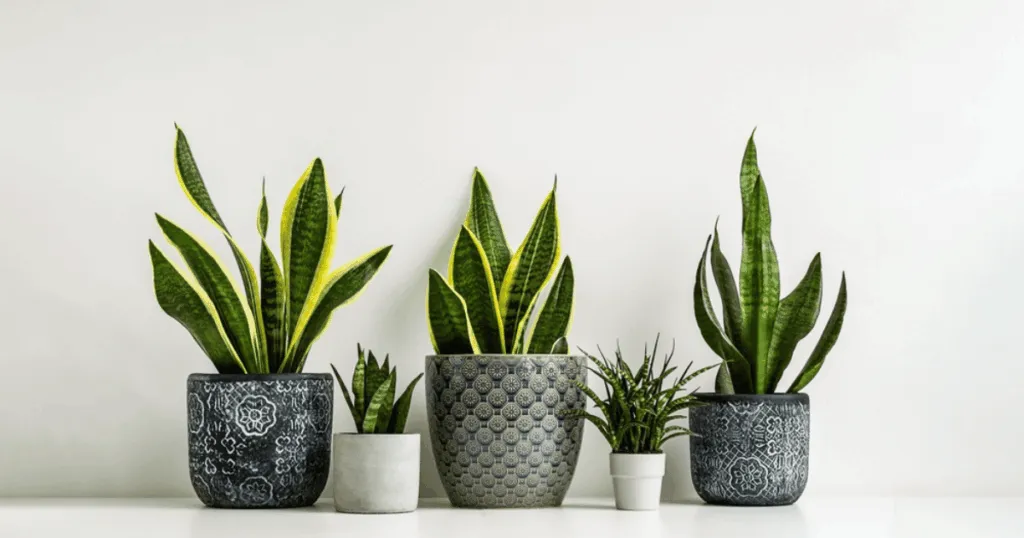
Known for upright, architectural foliage, the Snake Plant handles deep shade better than almost any other common houseplant. It tolerates dry indoor air and infrequent watering routines without missing a beat. While it grows faster in medium indirect light, it maintains its striking pattern under standard office lighting for years. A common mistake is letting excess water pool in the decorative cachepot, which can cause the fleshy base to soften and collapse.
In practice, this tough succulent-like plant is ideal for tight structural spaces where wide-spreading foliage would obstruct walkways. Its vertical stance commands attention without demanding high light intensities. Office workers often find that checking the potting mix once every few weeks is more than sufficient to keep the root zone stable and prevent moisture-related decline.
Cast Iron Plant
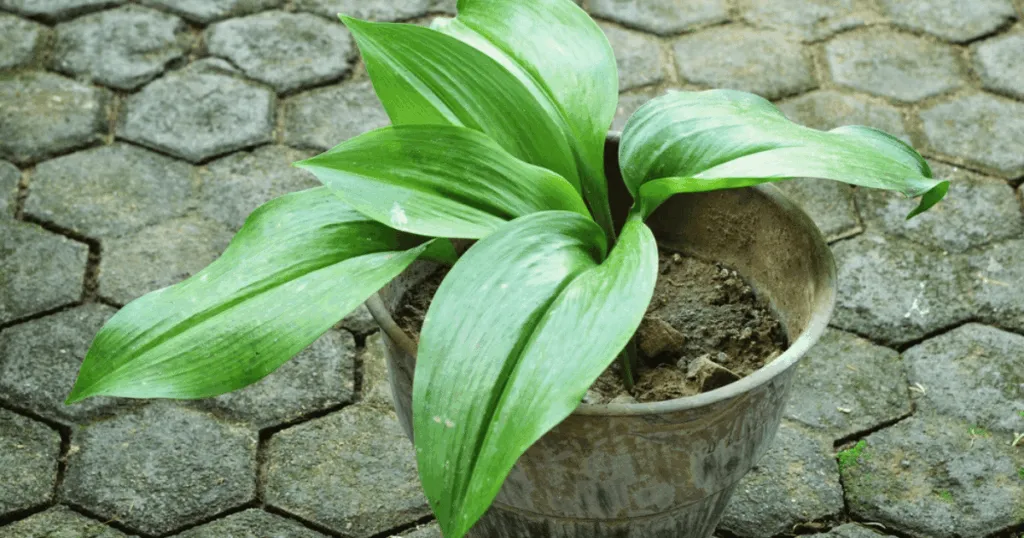
True to its name, the Cast Iron Plant earns its reputation through sheer toughness, enduring deep shade, poor ventilation, and erratic care schedules. Its broad, dark green leaves provide a lush, tropical feel in windowless conference rooms or interior hallways. Growth is naturally slow, which means minimal pruning or maintenance is required. In our editorial review, this species remains one of the most reliable options for rooms where other foliage simply fades away.
Because its leaves emerge slowly from underground rhizomes, the plant experiences very little shock when placed far from natural light sources. It handles temperature dips and fluctuating humidity common in commercial buildings better than most delicate tropicals. For open offices or interior management suites with minimal architectural lighting, this species delivers dependable, resilient foliage.
Parlor Palm
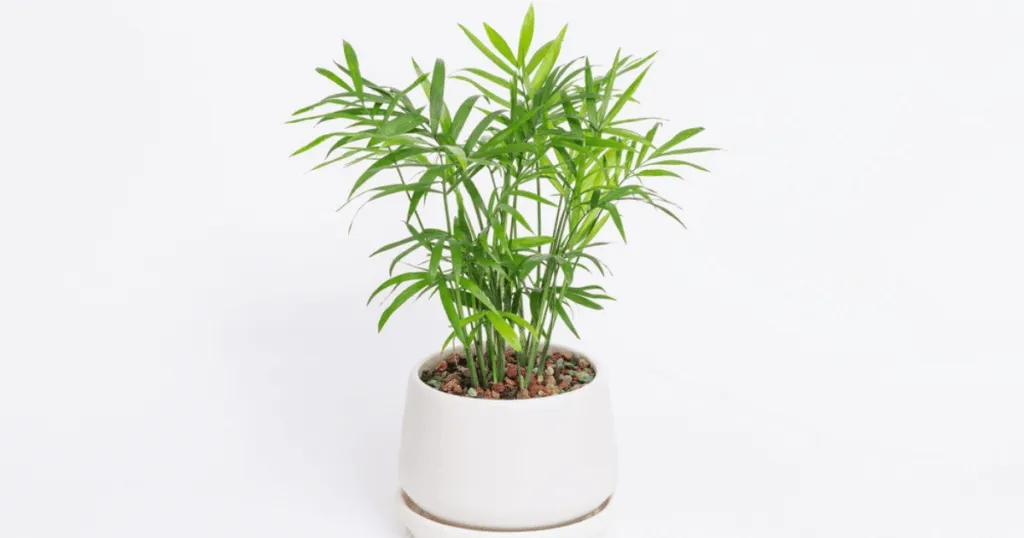
If you prefer a softer, feathery aesthetic, the Parlor Palm brings delicate fronds to darker corners without demanding direct sun. It is one of the most shade-tolerant palms available, performing well in low light environments where larger tropical palms would quickly drop their leaves. Keeping the soil lightly moist during the workweek and ensuring the container drains freely will keep the fronds green. Avoid placing this palm directly beneath aggressive ceiling air vents, as dry drafts can cause brown tips.
Integrating a palm into a low-light office introduces vertical elegance without requiring a sunlit perimeter wall. Because palms can be sensitive to over-saturation, ensuring the root ball sits in well-aerated potting media prevents stagnant moisture accumulation. This makes it a great standalone floor plant for corner spaces or executive meeting areas.
Chinese Evergreen
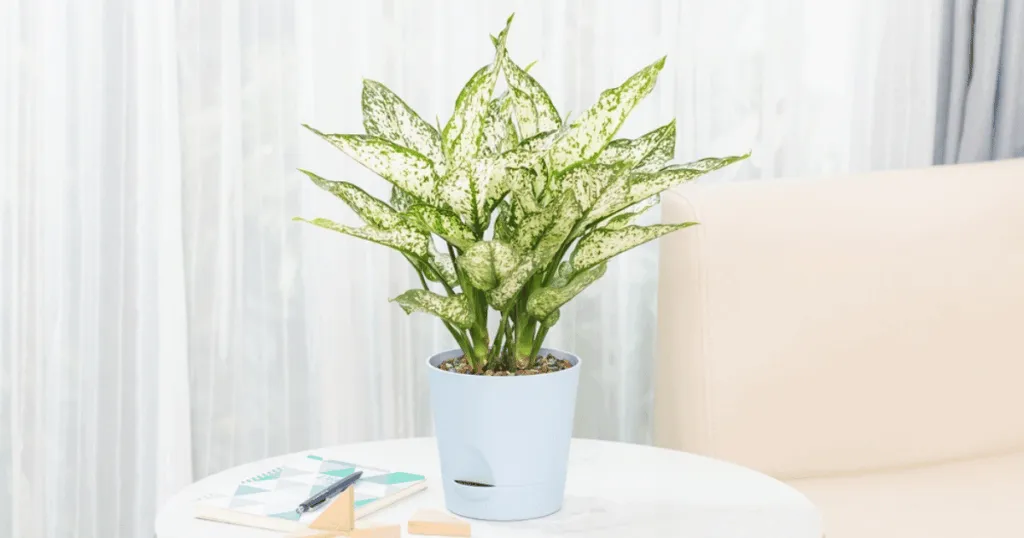
Chinese Evergreens offer vibrant patterned foliage in shades of silver, green, and occasional red, brightening up dull desks and dark reception areas. They adapt seamlessly to fluorescent lighting and require less water during shorter winter months when office temperatures fluctuate. A safer approach is to check the top two inches of soil with a finger before watering. If the soil still feels damp, delay watering until the next week.
These plants tolerate the lower light levels of interior workstations while maintaining their striking leaf patterns, though deeply dark environments may soften bright variegation over time. Their bushy, upright growth habit fills out desk corners and credenzas neatly. Regular inspection for dust accumulation on the broad leaves helps maintain efficient light absorption under artificial fixtures.
Pothos
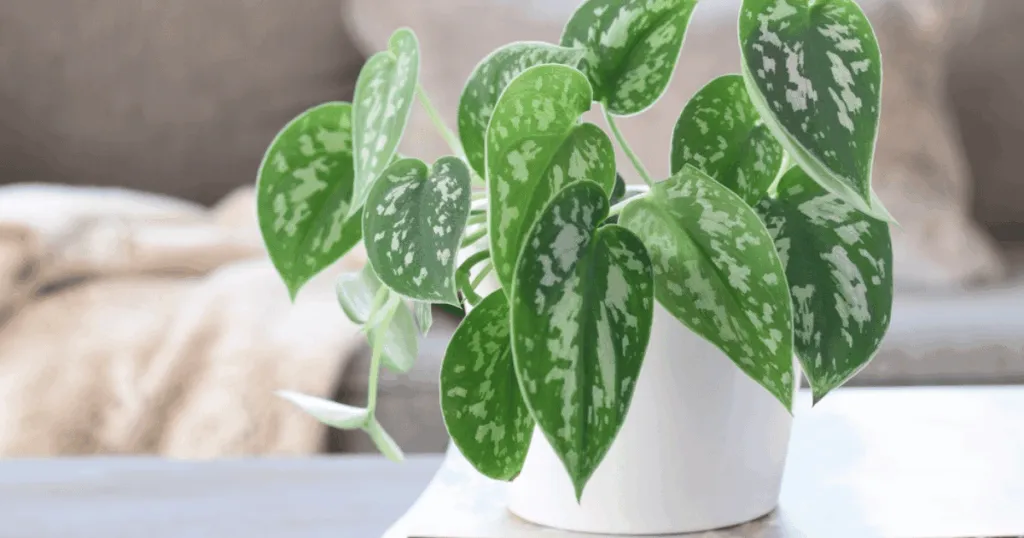
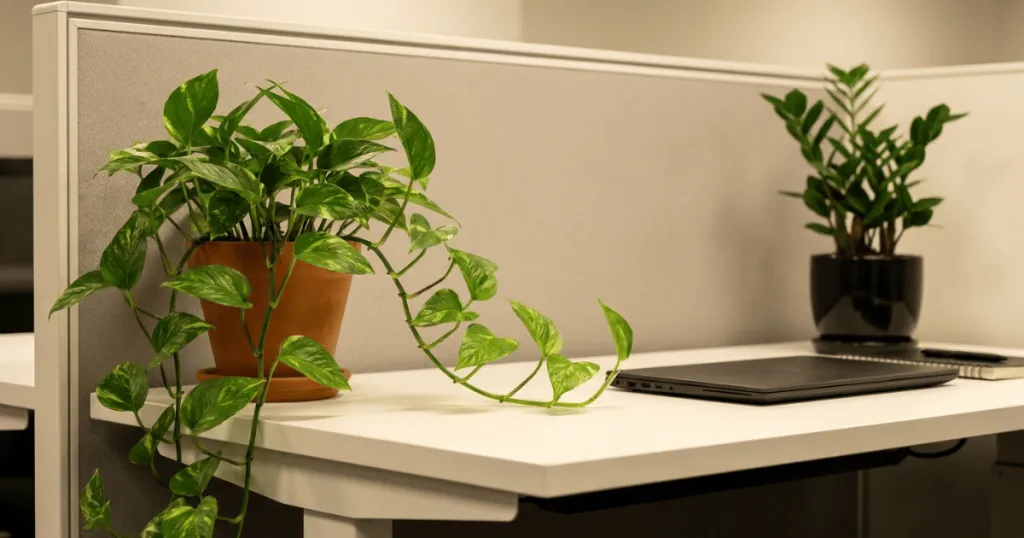
Pothos vines trail gracefully over bookshelves or filing cabinets while demanding very little attention. They adapt to low light conditions by maintaining smaller vine growth and slower leaf expansion, though variegation may soften into solid green without brighter illumination. Pruning stray stems occasionally encourages a fuller, more compact appearance. Overwatering is the primary risk here, as soggy soil quickly suffocates the root system.
Deploying trailing vines on high partitions or filing banks softens rigid office architecture. Because these plants tolerate sporadic care routines, they suit busy corporate environments where watering duties might be shared or overlooked. Trimming back overly long stems during routine office maintenance keeps the canopy dense and visually balanced.
Heartleaf Philodendron
Featuring glossy, heart-shaped leaves, this classic trailing option handles indoor office environments with ease. It tolerates lower light levels better than many of its vining counterparts, though growth slows considerably away from windows. Trimming the vines back in spring helps maintain a lush shape rather than a stringy silhouette. Keep an eye on moisture levels, as letting the top third of the soil dry out keeps the root zone healthy.
This variety adapts smoothly to the stable temperatures of climate-controlled office buildings. When positioned on shared bookcases or divider walls, its cascading vines introduce organic warmth to corporate spaces. Allowing the soil surface to dry between watering sessions safeguards the root system against the slow evaporation rates typical of windowless rooms.
Practical Execution and Common Operational Challenges in Dark Workspaces
Managing indoor greenery inside a commercial setting requires acknowledging operational factors that extend beyond basic watering schedules. Office managers frequently encounter challenges related to building maintenance, cleaning crews, and shared communal spaces. For instance, commercial cleaning teams using heavy floor buffers or chemical sprays can inadvertently damage low-lying pots or splash cleaning agents onto foliage. Positioning container plants on elevated plant stands or dedicated desktop caddies protects root zones from accidental disruption while improving overall visibility in cubicle arrays.
Another operational reality involves seasonal HVAC adjustments. During winter months, commercial heating systems pump dry, heated air through building ductwork, which rapidly desiccates delicate leaf tips even in windowless interior core rooms. Conversely, summer air conditioning can create localized cold drafts that shock tropical specimens. Selecting hardy, resilient species like the ZZ Plant or Cast Iron Plant mitigates these environmental extremes, yet office planners should still audit placement to keep containers away from direct diffuser vents. Simple adjustments, such as rotating pots by a quarter turn every few weeks, ensure even exposure to directional overhead lighting and prevent asymmetrical growth patterns.
Placement Strategies for Windowless Dark Rooms
Strategic placement maximizes the limited photons available in an interior workspace. Positioning a container near task lighting or desk lamps can supplement overhead fixtures, providing a modest boost to daily light intake. When natural windows are completely absent, placing plants directly beneath or adjacent to office ceiling fixtures helps capture maximum illumination during core business hours.
Traffic patterns and physical clearance also dictate where these selections should live. Upright species like the Snake Plant or Cast Iron Plant fit neatly beside desks, filing banks, or narrow hallway corners without obstructing daily movement. Trailing varieties perform best on top of high shelving or partitions where their vines can cascade downward safely out of the way of rolling chairs and foot traffic.
Consider the microclimate of your chosen spot as well. Avoid placing shade-loving selections directly in front of active heating vents or chilly exterior doors that open frequently during winter. Stable ambient temperatures and consistent airflow prevent unnecessary stress, allowing the foliage to focus its limited energy on basic maintenance rather than defense against drafts.
Limitations, Trade-Offs, and Who Should Choose Differently
Relying exclusively on low light selections involves distinct compromises. Foliage in a dark office grows at a fraction of the rate seen in a sunlit greenhouse. Variegated cultivars often revert to solid green when deprived of strong light, losing their striking color contrasts over time. Furthermore, flowering species like the Peace Lily or Anthurium rarely produce blooms without adequate illumination, functioning strictly as green foliage plants in windowless rooms.
Workplaces with zero natural light are also poorly suited for fast-growing tropicals, succulents, or heavy drinkers that require bright window sills. Attempting to grow high-light plants in dim interiors usually leads to stretched, pale stems, root rot from stagnant moisture, and eventual decline. If your office lacks adequate ambient light and you desire vibrant, fast-growing flora, supplementing natural illumination with specialized horticultural LED grow bulbs installed in standard desk lamps is often necessary.
Facilities managers and office workers must also account for weekend maintenance gaps. Since low light conditions slow down soil drying times, automated watering schedules or well-meaning coworkers can easily overwater unattended plants during extended holidays. Adopting a strict check-before-you-water policy prevents the most common cause of indoor plant loss in commercial buildings.
FAQ
Can office plants survive entirely on fluorescent or LED lighting?
Many shade-tolerant species survive indefinitely under standard commercial office lighting. While artificial bulbs lack the full spectrum and intensity of natural sunlight, resilient options like ZZ Plants, Snake Plants, and Cast Iron Plants photosynthesize effectively enough under office fixtures to maintain healthy green foliage.
How often should plants in a dark office be watered?
Watering frequency depends heavily on soil dryness rather than a strict calendar schedule. Because low light slows down plant metabolism and soil evaporation, soil stays wet much longer. Checking the top two to three inches of soil ensures you only water when the mix has dried out significantly.
Why are the leaves on my low light office plant turning yellow?
Yellowing leaves in a dim office are most frequently caused by overwatering. Because low light reduces the plant’s water consumption, damp soil starves the roots of oxygen. Allowing the soil to dry completely between waterings usually resolves the issue.
Will my office plant grow faster if I move it closer to a desk lamp?
Adding a dedicated desk lamp with an LED bulb can slightly improve light exposure, but it rarely matches the intensity of natural sunlight. It helps sustain slow-growing species during dark winter months, though dramatic increases in growth rate are uncommon without specialized horticultural lighting.