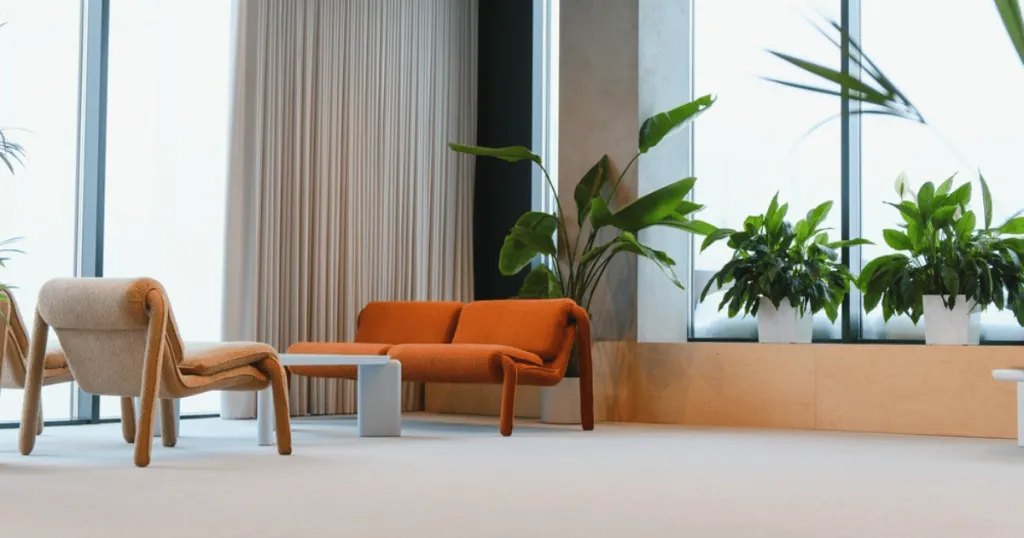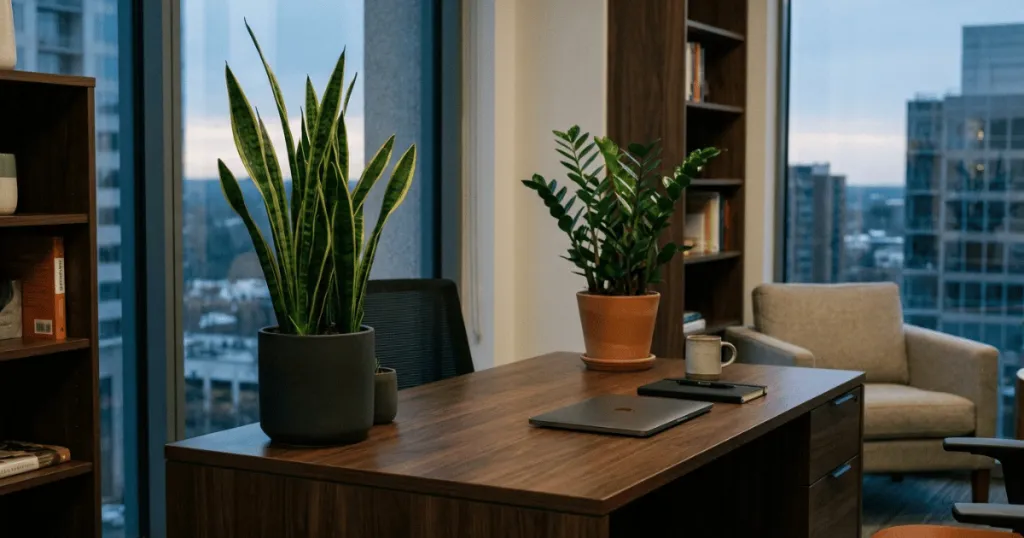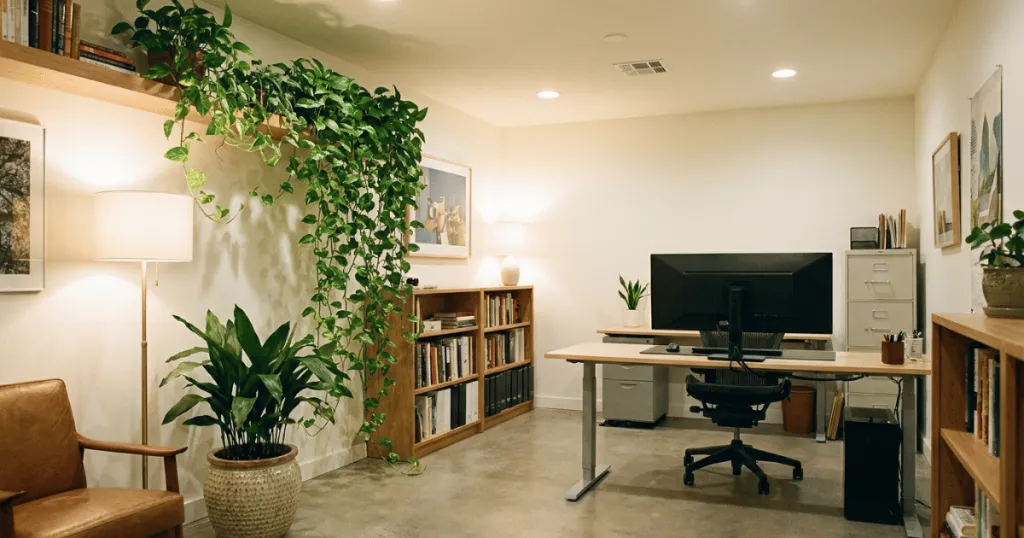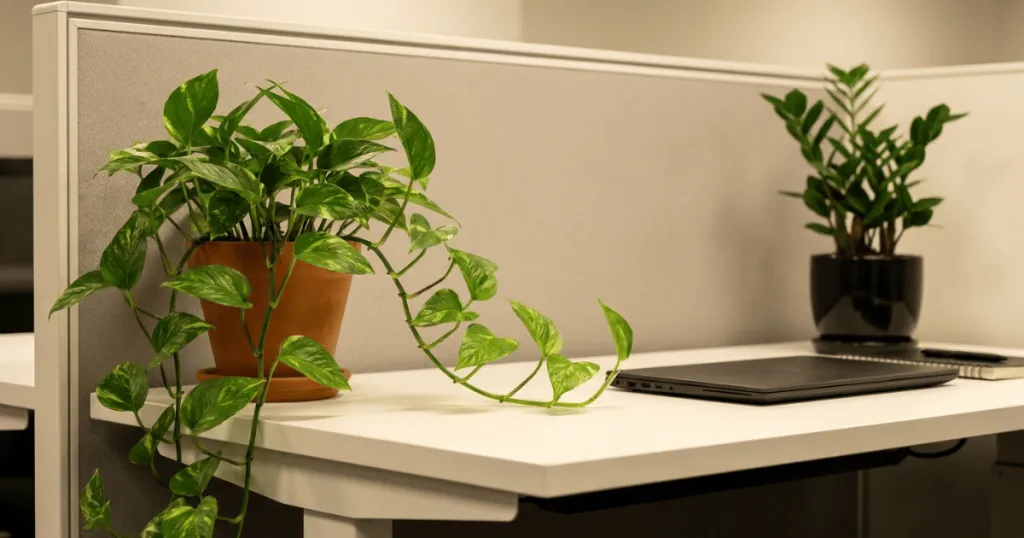
When your workspace features a window, the entire indoor flora dynamic shifts from survival mode in dim fluorescent cubicles to managing active, unfiltered sunlight. Windowsills and sunlit corners create microclimates defined by higher thermal intensity, rapid soil evaporation, and sharp seasonal swings in natural illumination. Selecting the best plants for office with windows means looking beyond standard low-light survivors and choosing resilient species that actually benefit from solar exposure without scorching behind double-pane glass.
Office window environments differ fundamentally from residential sunrooms. While a home windowsill enjoys unobstructed atmospheric shifts, an office window is mediated by blinds, architectural overhangs, tinted glass, and heavy HVAC cycling that strips ambient moisture from the air. The right selections must bridge this gap, handling intense daylight during peak afternoon hours while tolerating the rigid consistency of a commercial building schedule.
What You Need to Know
- South and west exposures demand sun-tolerant succulent species.
- East and north windows suit foliage plants requiring gentle morning light.
- Window glass intensifies heat, increasing watering frequency during summer months.
- Blind adjustments protect delicate leaves from sudden midday scorching.
- Commercial HVAC drafts near glass perimeters accelerate soil evaporation rates.
- Weekend temperature spikes in unconditioned offices require drought-resilient biology.
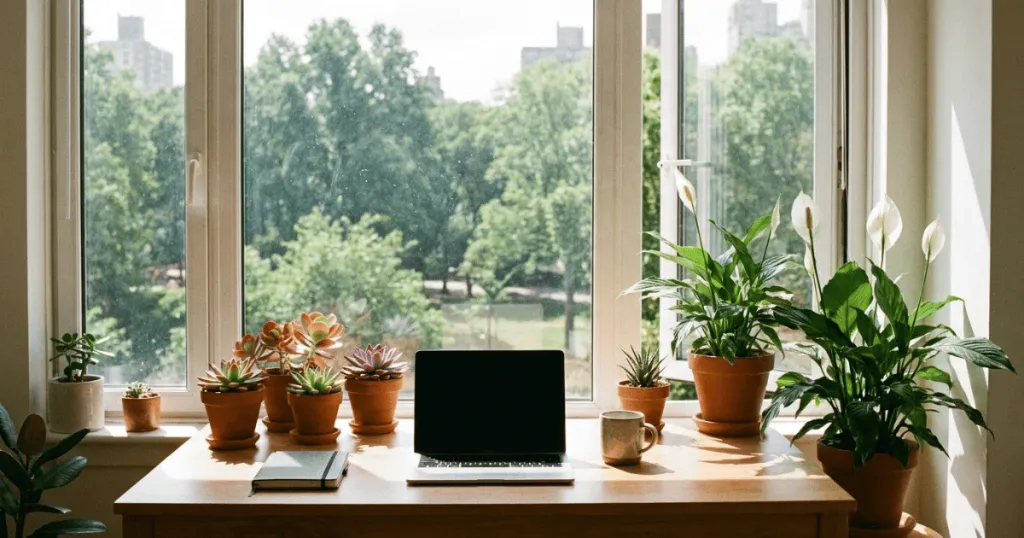
Sun-Loving Desk and Windowsill Selections
Offices with windows present a distinct opportunity to grow species that simply languish in deep interior spaces. The following shortlist focuses on plants that naturally crave brighter conditions and translate well into commercial interiors without demanding constant horticultural intervention.
Jade Plant
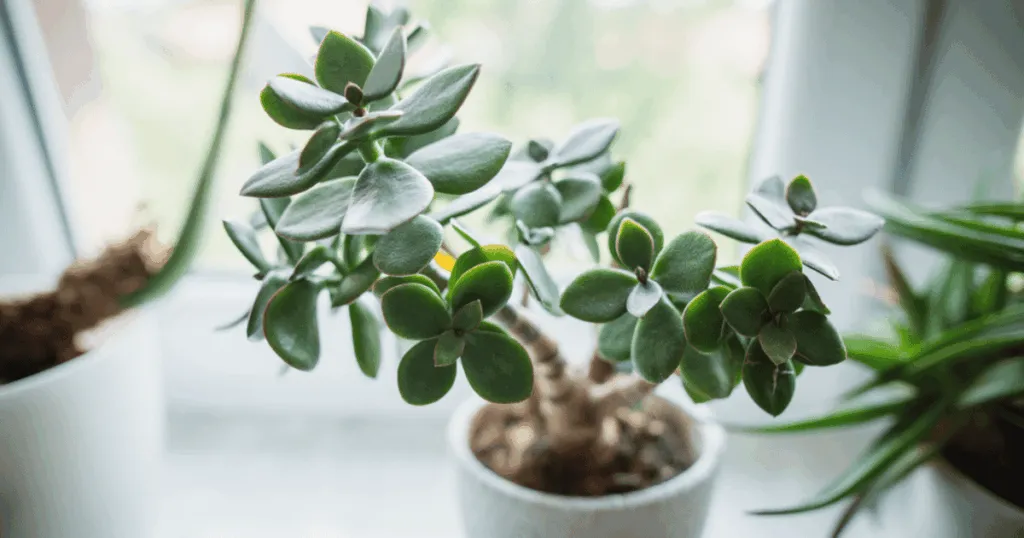
The jade plant thrives in the intense thermal conditions often found directly on south-facing windowsills. Its thick, fleshy leaves store moisture efficiently, making it remarkably forgiving if your office weekend stretches past seventy-two hours without attention. One important thing many people overlook is that glass acts as a magnifying lens, so gradual acclimatization is necessary if you move this specimen from a dimmer interior desk right up to the glass.
Overwatering remains the single fastest way to decline, so let the soil dry out entirely between soakings. In commercial offices featuring large expanses of glass, this succulent maintains its compact shape and rigid form without becoming leggy, provided it receives direct morning or afternoon rays.
Aloe Vera
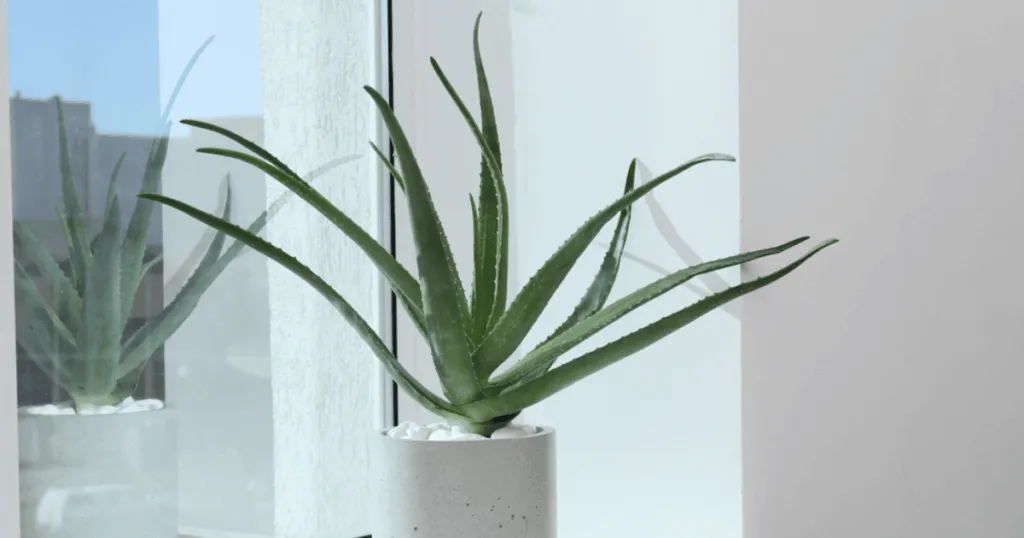
Aloe vera demands a prominent, sun-drenched spot near a glass pane to maintain its signature upright, rigid leaf structure. When light levels are insufficient, the leaves turn pale, thin, and begin to sprawl outward rather than upward. This succulent prefers well-draining soil mixes and deep, infrequent watering cycles that mimic arid conditions.
In an office setting, place it where colleagues will not brush past its sharp leaf margins in narrow corridors. The bright window environment prevents the center of the rosette from opening up or softening, ensuring a crisp, architectural silhouette on a sunny desk or executive windowsill.
Croton
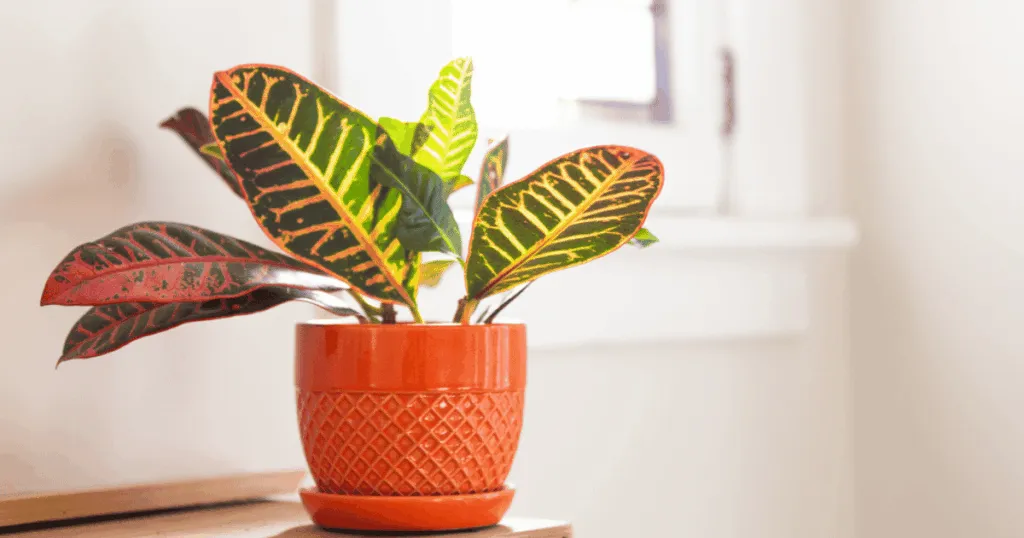
If you want vibrant yellow, orange, and red foliage to break up neutral corporate decor, a croton is among the best plants for office with windows that receive direct sun. This species needs strong illumination to retain its striking coloration, losing its bold hues and dropping lower leaves if relegated to interior shade.
Crotons dislike sudden temperature drops near drafty window seals during winter, so position them slightly back from the glass if your building lacks thermal insulation. Their high light demand makes them exceptionally well-suited for unobstructed east or west office exposures where sunlight filters through architectural glass.
Ponytail Palm
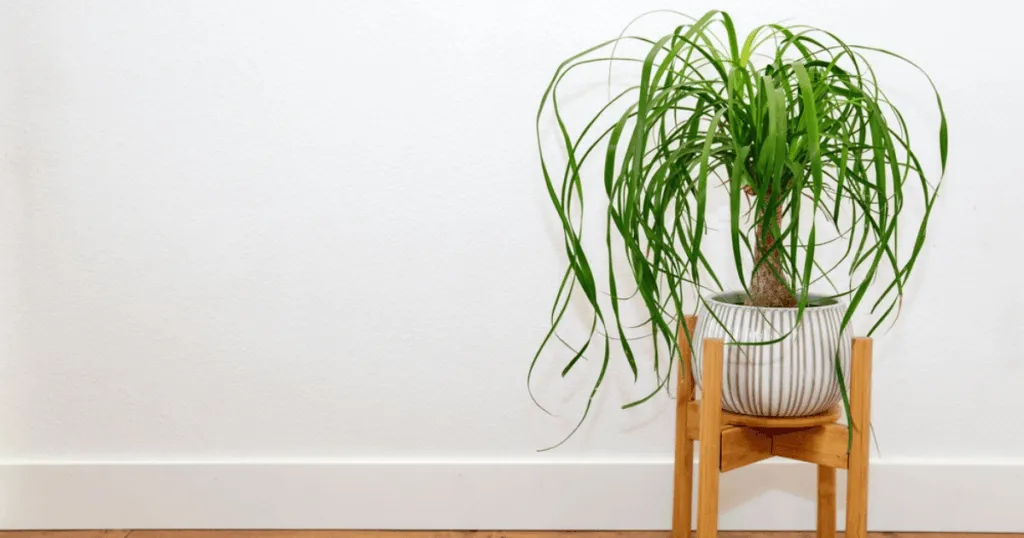
Despite its common name, the ponytail palm is actually a succulent relative of the agave family featuring a bulbous water-storing base known as a caudex. It thrives in bright, unshaded window placements where most traditional foliage plants would quickly crisp. This slow-growing feature plant requires minimal intervention once established, tolerating dry office air and infrequent watering routines with ease. The caudex stores ample hydration to survive prolonged weekend shutdowns, making it a reliable architectural accent for corporate office windows.
Yucca
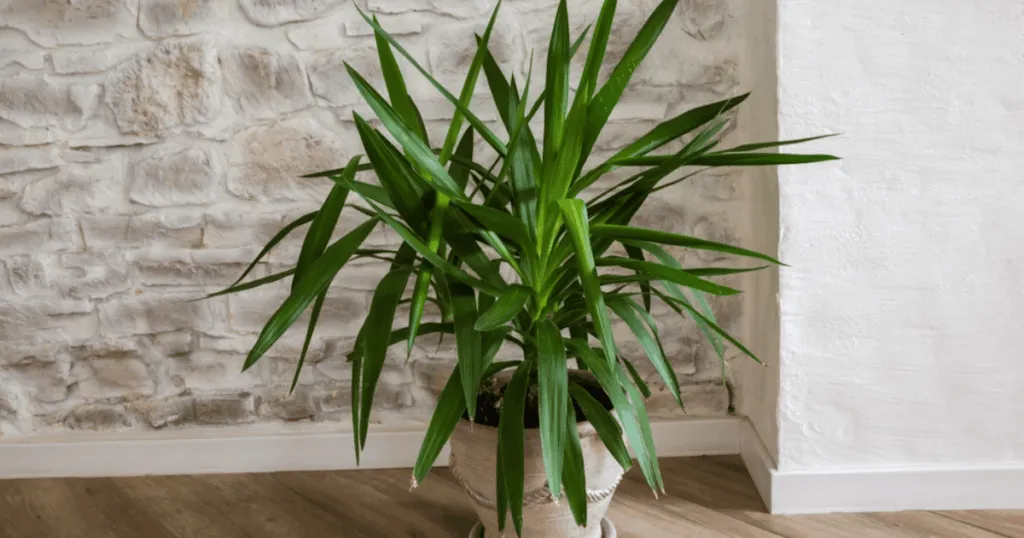
The yucca brings strong architectural lines to corporate boardrooms and open-plan perimeters with abundant natural light. It tolerates intense solar exposure and dry HVAC airflow better than almost any other woody interior plant. Keep in mind that mature specimens feature stiff, pointed leaf tips, making careful placement away from main walking paths essential for workplace safety. Its woody stem and tough, sword-shaped leaves resist the drying effects of perimeter heating units situated directly beneath window ledges.
Hoya
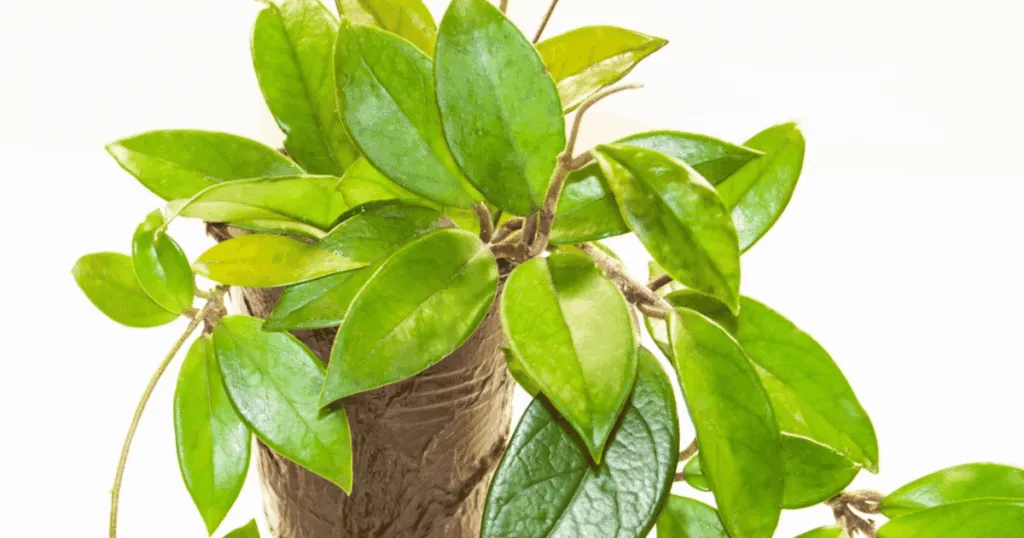
Hoyas produce thick, waxy leaves and thrive in bright, indirect to direct window light, frequently rewarding consistent care with clusters of porcelain-like star flowers. Because they are slow-growing and tolerate irregular watering schedules, they fit well into busy professional workflows. A common mistake is planting them in oversized containers; hoyas prefer a snug root zone and perform best when slightly root-bound. Their trailing stems adapt easily to desktop trellises or hanging planters suspended near sunlit office perimeters.
Rubber Plant
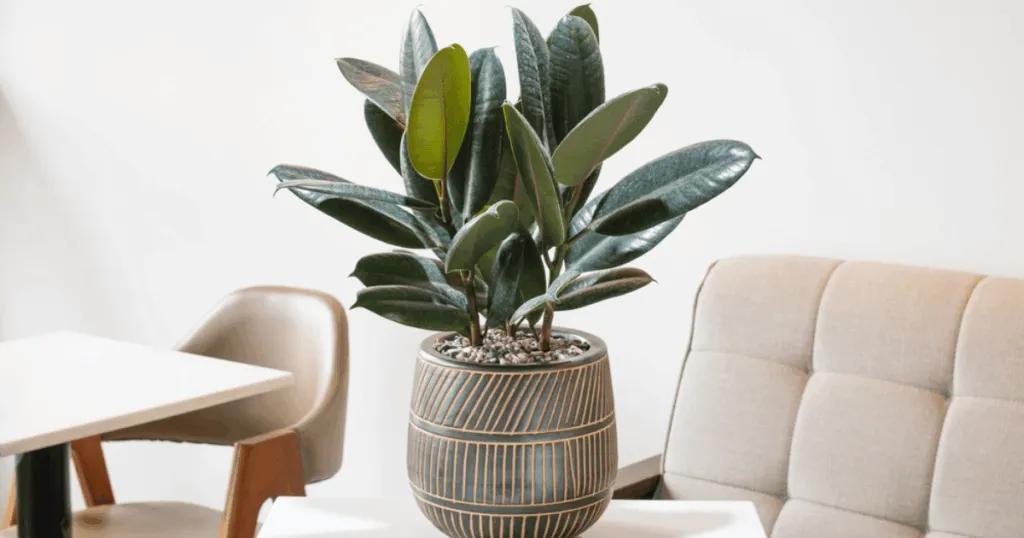
The rubber plant makes a commanding focal point near east or west-facing windows, where it receives bright indirect sunlight filtered through blinds. Its glossy, burgundy-tinted leaves reflect natural light beautifully and add warmth to modern architectural spaces. Wipe the broad foliage down periodically with a damp cloth to remove urban dust settling through open ventilation systems. Strong window light encourages robust stem development and prevents the lower defoliation often seen in dimmer office corners.
Monstera
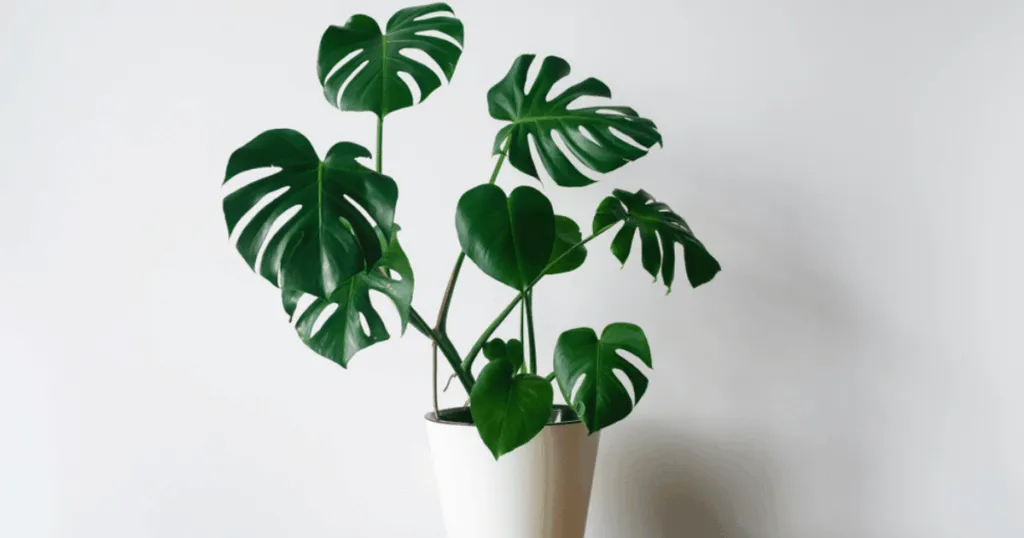
While often associated with indirect light, a monstera placed near a bright window develops deep leaf fenestrations and vigorous growth far faster than specimens tucked away in corners. It appreciates gentle morning sun from an east-facing window but requires protection from scorching afternoon rays behind west-facing glass. Provide a sturdy moss pole or stake early to support its climbing habit as it matures. The increased photosynthetic activity driven by window light allows the plant to produce larger, highly split leaves that elevate executive office aesthetics.
Managing Window Microclimates in Commercial Spaces
Window proximity introduces environmental variables that do not exist in the interior core of an office building. Temperature fluctuations are the most prominent factor. Glass surfaces radiate heat during summer afternoons and chill rapidly during winter nights. Positioning a sensitive tropical plant directly against a single-pane winter window often results in cold shock and leaf drop, even if the building’s ambient thermostat reads a comfortable seventy degrees.
Light intensity also shifts dramatically based on orientation. East-facing windows provide gentle, cool morning light that suits most medium-light tropicals. West and south-facing windows deliver intense thermal radiation that can quickly burn thin-leaved species unless diffused by sheer blinds or window film. Assessing your specific window orientation before selecting a species prevents the common frustration of scorched foliage or etiolated, leggy growth.
Beyond light and heat, office windows often sit directly above perimeter heating units or beneath overhead air diffusers. This creates a constant stream of dry air that rapidly accelerates moisture loss from container soils. Maintaining a consistent watering schedule tailored to these microclimates is essential, as standard weekly routines often fail when solar exposure and HVAC drafts combine to dry out plant containers in a matter of days.
Furthermore, commercial window treatments such as vertical blinds or metal mini-blinds create uneven light patterns across foliage. If slats remain fixed in one position for weeks, leaves facing direct sunbeams may develop localized chlorosis or burn spots while shaded portions lag behind. Rotating desk containers by ninety degrees every two weeks ensures balanced canopy development and prevents asymmetric leaning toward the glass.
Limitations and Trade-Offs for Sunny Office Spots
Choosing sun-loving plants for window-adjacent office spaces requires accepting specific trade-offs regarding maintenance and physical space. Plants that thrive in bright window zones generally consume water at a much faster rate than low-light varieties like ZZ plants or snake plants. This means your watering routine cannot remain entirely automated or neglected for weeks at a time during peak summer heat.
Space is another physical constraint. Window sills are often narrow, limiting pot diameters and forcing you to invest in hanging containers, desktop plant stands, or floor-standing specimens for larger corner windows. Furthermore, high-traffic window areas near escape routes or shared breakroom glass require compact growth habits to avoid accidental breakage or constant brushing against delicate foliage.
Another operational consideration is weekend neglect. Commercial buildings frequently dial back climate control systems over the weekend. In summer, an unconditioned office can see window temperatures spike well above weekday averages, rapidly draining moisture from terracotta or plastic pots. Selecting species equipped with natural water-storing tissues, such as thick stems, bulbous bases, or succulent leaves, safeguards against stress during these unmonitored forty-eight-hour blocks.
Pest management also presents a unique challenge near windows. Open windows or outdoor landscaping directly outside building glass can introduce common workplace pests like spider mites and thrips. Bright, dry conditions favored by many sun-loving plants can accelerate mite reproduction if relative humidity drops too low. Routine inspection of leaf undersides and periodic cleansing of foliage help intercept minor pest populations before they establish severe infestations across the office.
FAQ
Do office windows filter out the UV light plants need?
Standard architectural glass blocks a significant portion of ultraviolet radiation, but visible light spectrums still pass through abundantly. Most indoor plants rely on visible light rather than UV rays for photosynthesis, meaning a bright window still provides ample energy.
Why are the lower leaves of my window plant turning yellow?
Yellowing leaves near the base of sun-loving window plants typically indicate overwatering or root rot brought on by soil staying damp too long behind glass. Check root moisture levels before adding more water to the container.
How do I protect office window plants from weekend AC shutdowns?
Many commercial buildings lower or shut off HVAC systems over the weekend, causing localized temperature spikes near glass. Choosing resilient succulent or woody species helps them absorb these thermal swings without dropping foliage.
Should I clean dust off leaves for plants near office windows?
Dust accumulation is heavier near windows due to outdoor airflow and indoor ventilation streams. Wiping leaves monthly with a damp cloth keeps stomata clear and maximizes light absorption.