When your office dracaena starts showing signs of distress, the most common culprit is almost always inconsistent watering. Whether it is a corn plant or a dragon tree, these species are highly sensitive to soil moisture fluctuations. In an office environment, where HVAC systems constantly cycle dry air and lighting conditions can vary significantly from the reception area to a windowless cubicle, the plant often struggles to maintain its equilibrium. Most dracaena problems are not signs of an incurable disease but rather signals that the plant needs a minor adjustment in its care routine.
Before you assume the worst, take a moment to observe the plant in its current location. Is the soil bone-dry, or does it feel perpetually soggy? Are the leaves browning at the very tips, or are they turning yellow near the base? Identifying these specific patterns allows you to make the right change without causing further stress to the plant. Most of the time, a simple shift in your watering schedule or a move to a slightly different light source will restore the plant to its healthy, vibrant state.
What This Means
This means your plant is reacting to its immediate environment. Before applying any drastic fixes, check the soil moisture levels and the proximity of the plant to air vents. Most issues arise from tap water sensitivity or poor drainage, which are easily corrected with simple, low-risk adjustments. Understanding the relationship between the plant’s physiological needs and the artificial office climate is the first step toward successful office plant maintenance.
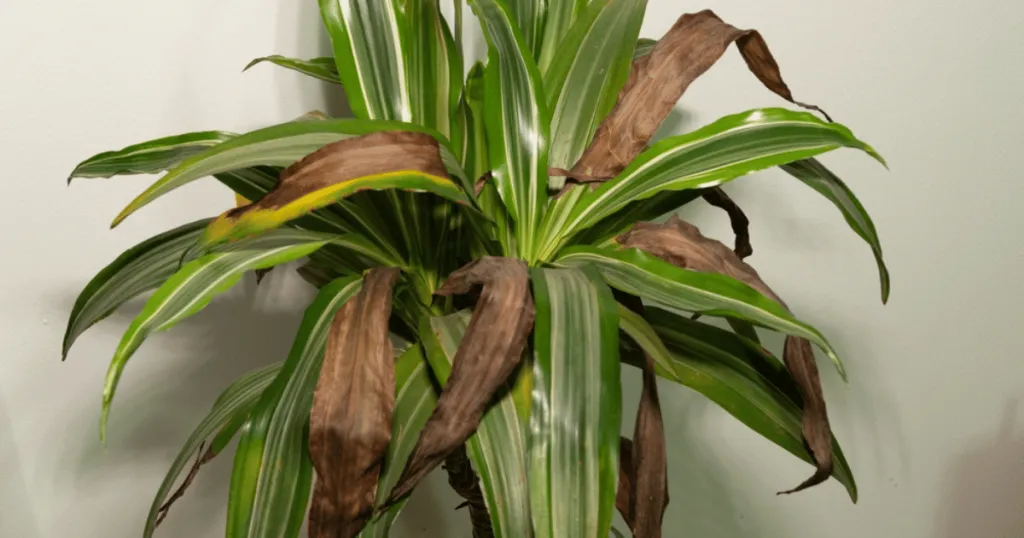
Troubleshooting Common Leaf Symptoms
Dracaena leaves act as a status report for the plant health. By learning to read these signals, you can intervene before the damage spreads to the entire canopy. Recognizing the difference between environmental stress and biological decline is crucial for effective indoor plant problems management.
Brown Leaf Tips
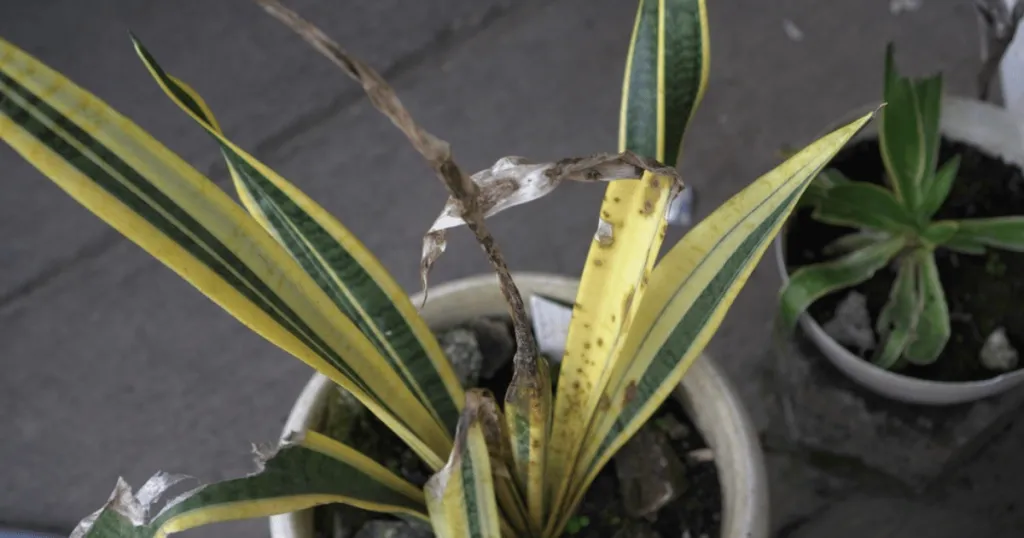
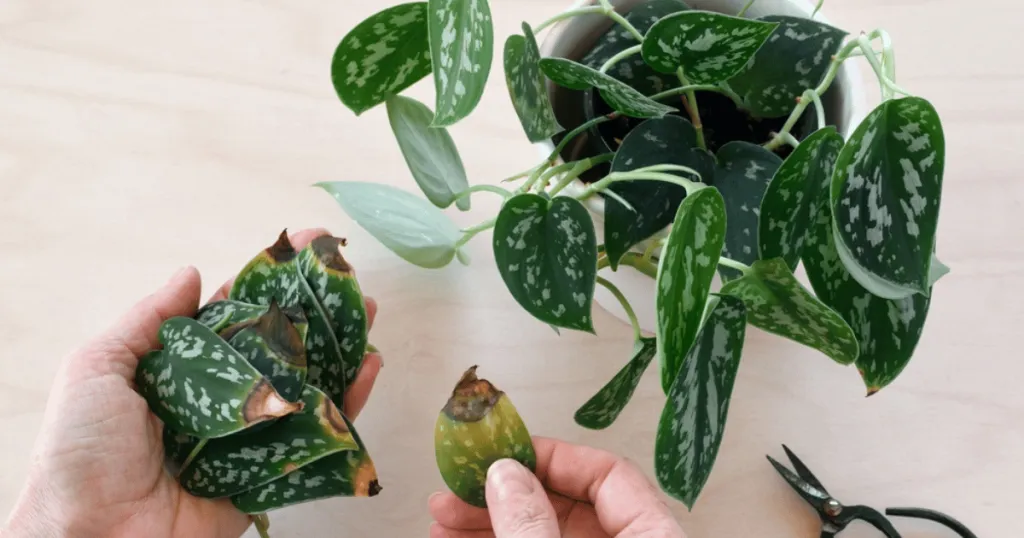
Brown, crispy tips are the most frequent complaint in office settings. While often blamed on underwatering, the real cause is frequently the accumulation of fluoride or chlorine found in standard municipal tap water. Dracaena species are notoriously sensitive to these chemicals. If the soil is moist but the tips remain brown, the issue is likely water quality rather than water volume. In an office, where tap water is the only available source, consider using a pitcher with a carbon filter or letting water sit out overnight to allow chlorine to dissipate, though fluoride will remain. If the browning persists, switching to distilled water is the most effective long-term solution to preserve the foliage aesthetics.
Yellowing Leaves
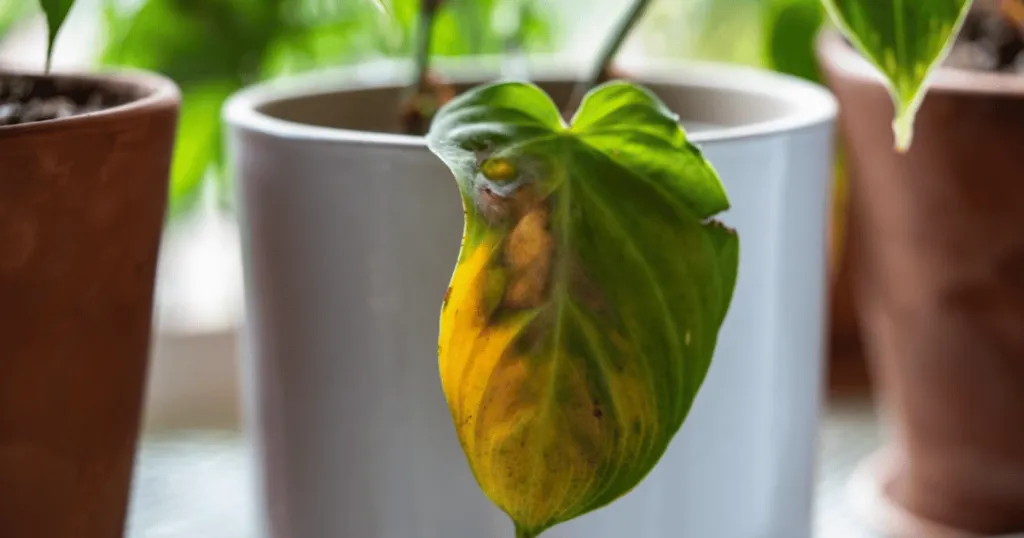
Yellowing usually points toward root zone issues. If the lower leaves turn yellow and drop, it is often a sign of overwatering or poor drainage. In an office, it is easy to accidentally water a plant that is still damp because it sits in a low-light area where evaporation is slow. Check the soil depth; if the top two inches are not dry, do not add more water.
Another cause for yellowing is nutrient deficiency or extreme temperature fluctuations near doorways or drafty windows. If the yellowing is accompanied by soft, mushy stems, you are likely dealing with the early stages of root rot, which requires immediate repotting into fresh, well-draining soil.
Drooping and Wilting
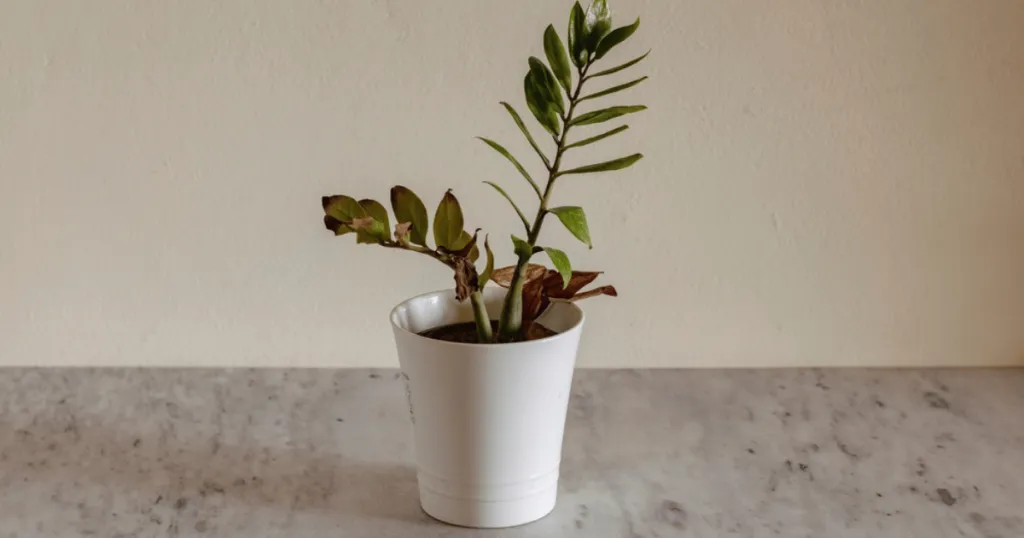
Drooping is a classic sign of dehydration. If the stems feel soft or the leaves lose their turgor pressure, the plant has likely gone too long without a drink. However, if the stems are mushy, this indicates root rot, which is a much more serious condition caused by sitting in water for too long. In professional settings, plants are often placed in decorative cachepots without drainage holes. If the inner nursery pot is sitting in standing water, the roots will suffocate. Always lift the plant out of the decorative container to ensure the drainage is clear and the root ball is not waterlogged.
Addressing Watering and Soil Issues
The most effective way to manage dracaena problems is to standardize your watering routine. Because office plants are often cared for by different people, it is helpful to assign one person to check the soil moisture once a week. Use a simple finger test: insert your finger two inches into the soil. If it feels dry, provide a thorough watering until liquid drains from the bottom of the pot. Never let the plant sit in a saucer of standing water, as this is the fastest way to trigger root rot.
If you suspect fluoride buildup, switch to filtered or distilled water. You will not see the existing brown tips turn green again, so feel free to trim them with clean, sharp shears. Follow the natural shape of the leaf to keep the plant looking tidy. If the soil has become compacted over time, gently aerate the top layer with a chopstick to allow oxygen to reach the roots, which helps the plant recover from minor moisture stress. Proper soil aeration is an overlooked aspect of dracaena care that prevents the roots from becoming suffocated in heavy, peat-based potting mixes often found in commercial nursery containers.
Managing Light and Environmental Stress
While dracaena are known for their tolerance of low-light office conditions, they still require consistent light to thrive. If your plant is losing its variegation or growing very slowly, it may be light-starved. Move it closer to a window, but avoid direct, harsh sunlight that can scorch the foliage. If natural light is unavailable, ensure the plant is close enough to LED or fluorescent office lighting to receive adequate energy. Many office managers make the mistake of placing these plants in dark corners where they receive almost no light; while they may survive for a while, they will eventually show signs of stress, such as leggy growth and pale, drooping leaves.
Airflow is another factor. Avoid placing your dracaena directly under an air conditioning vent. The constant stream of dry, cold air can dehydrate the leaves rapidly, leading to crispy edges and stunted growth. If you must keep the plant near a vent, consider using a small decorative screen or moving the plant to a slightly more sheltered corner of the room. Furthermore, office environments often experience drastic temperature drops over weekends when the HVAC system is set to energy-saving modes. Dracaena prefer stable temperatures, so keeping them away from exterior walls or drafty windows is essential for maintaining their health throughout the year.
Prevention Habits for Long-Term Health
Consistency is the best prevention. Establish a clear, written schedule for checking soil moisture. If your office has a high turnover or busy periods, consider using a moisture meter to remove the guesswork for whoever is on plant duty. Ensure that every pot has drainage holes; if you are using a decorative outer container, lift the inner nursery pot out before watering to ensure no water is trapped at the bottom. This simple step prevents the most common cause of plant death in office settings.
Regularly wipe the leaves with a damp cloth to remove dust. In an office, dust can accumulate quickly and block the plant from absorbing light efficiently. This simple habit also allows you to inspect the underside of the leaves for common pests like spider mites, which thrive in the dry, warm air of many office buildings. Catching these early is much easier than treating a full-blown infestation. If you notice webbing or tiny stippling on the leaves, isolate the plant immediately and wipe the foliage with a mild soap solution or neem oil to manage the pest population before it spreads to other greenery in the office.
Finally, be aware that dracaena are toxic to pets if ingested, according to the ASPCA. While this is primarily a concern for home environments, keep this in mind if your office allows pets or if you are placing plants in areas where animals might be present. Keeping the plant healthy and out of reach is the best way to manage this risk. By proactively addressing these environmental factors, you can ensure your dracaena remains a vibrant, low-maintenance addition to your workplace for years to come.
Advanced Troubleshooting: When to Repot
Sometimes, dracaena problems are not about water or light, but about the physical constraints of the container. If you notice that the plant is becoming top-heavy or that roots are growing out of the drainage holes, it is time to repot. Use a well-draining potting mix specifically formulated for indoor plants. Avoid garden soil, which is too heavy and can harbor pests or pathogens.
When repotting, choose a container that is only one to two inches larger in diameter than the current one. Moving to a pot that is too large can lead to excess soil moisture, which increases the risk of root rot. Repotting is also an excellent opportunity to inspect the root system; healthy roots should be firm and light-colored, while dark, mushy roots indicate that the plant has been struggling with poor drainage for some time.
The Role of Humidity in Office Settings
While dracaena are generally tolerant of average room humidity, the extreme dryness of modern office buildings can push them to their limits. During winter months, when heating systems are running constantly, the relative humidity can drop significantly. If you notice that your dracaena is struggling despite proper watering and light, consider grouping it with other plants to create a microclimate.
This practice increases the local humidity around the foliage, which can help prevent the crispy leaf tips that are so common in arid office environments. Avoid using misting as a primary method for increasing humidity, as it is largely ineffective and can sometimes encourage fungal growth on the leaves if the air circulation is poor.
Related Dracaena Guides
FAQ
Why are the tips of my dracaena leaves turning brown?
Brown tips on dracaena are typically caused by fluoride or chlorine in tap water, or by low humidity. Try switching to distilled or filtered water and ensure the plant is not sitting directly in the path of an air conditioning vent.
How do I know if I am overwatering my dracaena?
If the leaves are turning yellow and the soil remains damp for long periods, you are likely overwatering. Ensure your pot has drainage holes and only water when the top two inches of soil feel dry to the touch.
Can I trim the brown tips off my plant?
Yes, you can trim brown tips with clean, sharp scissors. Follow the natural contour of the leaf to keep the plant looking neat. This will not harm the plant, though it will not reverse the browning.
Is it normal for my dracaena to lose lower leaves?
It is normal for a dracaena to shed its oldest, lowest leaves as it grows taller. However, if many leaves are yellowing or dropping at once, it usually indicates a problem with watering or light levels.