Check your pothos soil moisture right now before reading further. If the top two inches feel wet and soggy, stop watering immediately and inspect the root system for early signs of decay. If the soil is bone dry and pulling away from the container edges, a thorough drenching is likely all your plant needs to perk up within twenty-four hours. Diagnosing pothos problems in an office setting often comes down to balancing inconsistent watering habits with indoor climate controls like HVAC drafts and fluorescent lighting.
Quick Answer
Most pothos problems stem from overwatering, low light, or sudden temperature shifts caused by office air vents. Inspect the soil moisture and root health first, adjust your watering schedule so the top inch dries completely, and move the plant away from direct HVAC air streams.
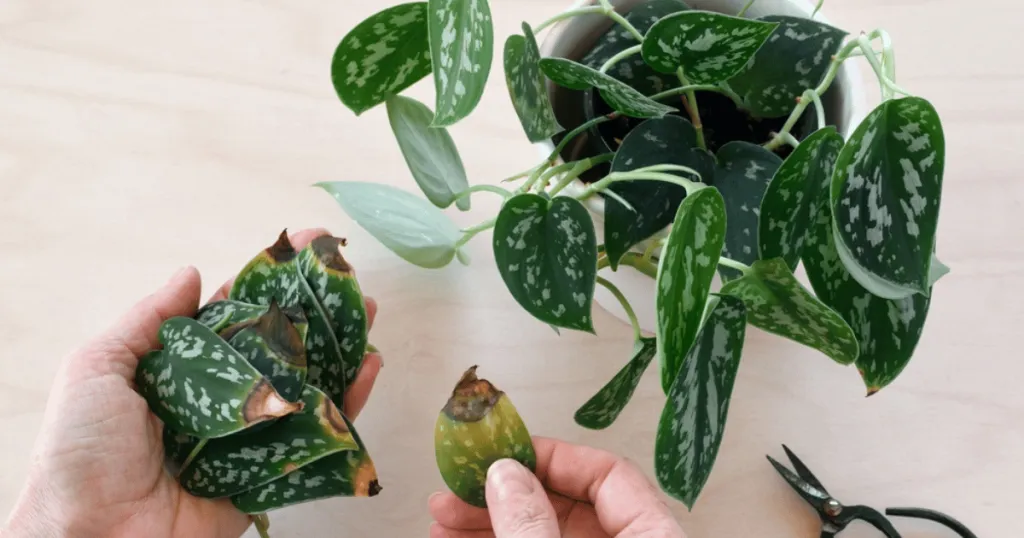
Symptom Diagnosis Guide for Common Pothos Issues
Office plants experience distinct stressors compared to residential specimens. Fluorescent or LED office lighting, dry air from central heating and cooling systems, and weekend neglect create unique challenges. Review this symptom guide to match what you see on your desk or reception plant with the correct underlying cause.
| Visible Symptom | Primary Cause | Fast Corrective Action |
|---|---|---|
| Yellow leaves | Overwatering or root rot | Let soil dry completely; trim severely yellowed foliage. |
| Brown crispy leaf tips | Low humidity or underwatering | Increase watering frequency slightly; keep away from heating vents. |
| Limp, drooping vines | Underwatering or severe root restriction | Check if rootbound; soak soil thoroughly if dry. |
| Stalled growth | Insufficient light or nutrient depletion | Move closer to an indirect light source; consider mild spring fertilizer. |
| Black, mushy stem base | Advanced root rot | Prune healthy cuttings to propagate; discard rotting root ball. |
Troubleshooting Yellow Leaves and Root Health
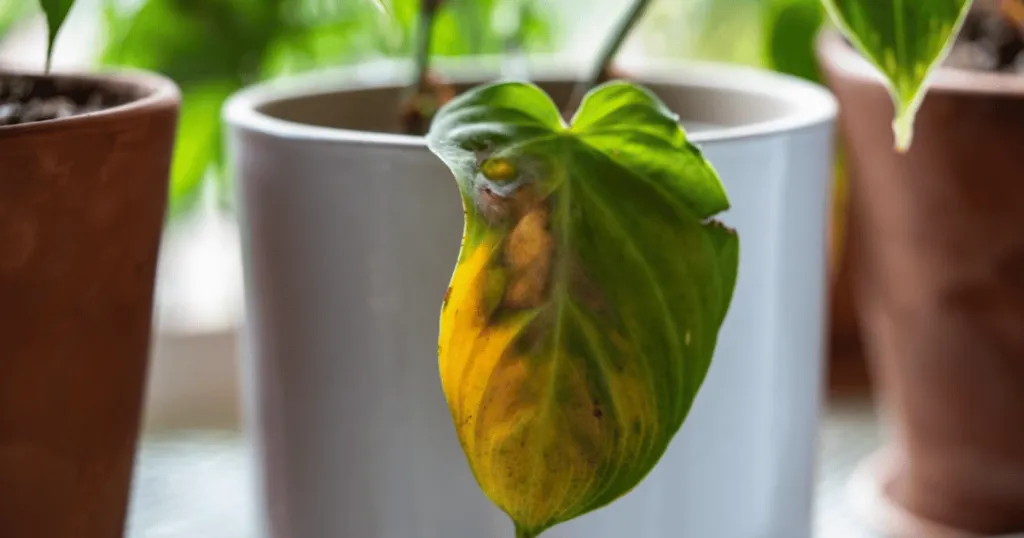
Yellowing foliage is the single most frequent complaint among office managers and desk workers tending to an Epipremnum aureum, commonly known as devil’s ivy or money plant. While an occasional lower leaf yellows and drops as part of the natural aging cycle, sudden or widespread yellowing signals a cultural imbalance. In an open-plan office or private executive suite, this symptom often triggers immediate panic, but a systematic check of your pothos plant care routine will quickly reveal the root cause.
When evaluating yellow leaves on pothos, it helps to look at the distribution of the discoloration across the plant. If only the oldest leaves near the base of the soil line turn yellow while the rest of the trailing vines remain vibrant and firm, the plant is simply shedding mature foliage to fuel new tip growth. However, if multiple leaves turn a pale, translucent yellow simultaneously – especially on younger upper stems – the root system is signaling severe stress. In commercial workspaces, this pattern almost always traces back to an accidental double-watering by well-meaning colleagues or a clogged drainage hole that traps water in the bottom of the cachepot over the weekend.
Distinguishing Overwatering from Underwatering
Both overwatered and underwatered pothos can exhibit yellow leaves, which leads many people to apply the exact wrong fix. An overwatered pothos feels heavy in its pot, the soil stays damp for days, and the yellow leaves often feel soft or translucent. When dealing with an overwatered pothos, the plant is literally suffocating because waterlogged potting soil pushes out all the oxygen that the root system requires to function. Conversely, an underwatered plant has dry, crumbly soil that pulls away from the pot, and the yellow leaves are usually crisp and papery rather than mushy. Understanding this distinction prevents you from drenching an already waterlogged specimen or letting an exceptionally dry container sit parched for another week.
In office settings, underwatering frequently happens when plants are placed on high shelves or reception ledges where they are easily overlooked during routine tasks. The soil dries out completely, hydrophobic air pockets form within the potting mix, and subsequent waterings simply run straight down the sides of the pot without rehydrating the root core. If your container feels suspiciously light when lifted and water immediately pools on the surface before draining out instantly, submerge the entire nursery pot in a basin of water for twenty minutes to thoroughly re-wet the root ball.
Managing Root Rot in Office Containers
If your pothos exhibits persistent yellowing accompanied by a musty soil odor, pothos root rot has likely set in. In office environments, decorative pots without drainage holes trap excess moisture at the base, suffocating the roots. Lift the nursery pot out of the outer cachepot to check for standing water. If the roots are brown, soft, or foul-smelling, unpot the plant, trim away the decayed tissue using sterilized shears, and repot into fresh, well-draining potting mix. For severe cases, taking stem cuttings to propagate a fresh plant is often more reliable than trying to salvage a compromised root system.
To prevent root rot from recurring in shared workspaces, establish a clear policy that outer decorative containers must be emptied of excess water thirty minutes after a thorough watering session. This simple operational safeguard stops water from wicking back up into the soil and ensures your indoor office plants maintain healthy oxygen levels around their root structures throughout the workweek.
Fixing Foliage Damage and Growth Stalls
Office environments present specific physical stresses that damage leaves and stunt vine development. Addressing these factors requires looking beyond the watering can to evaluate lighting, air movement, and container size. When indoor office plants experience chronic environmental pressure, their foliage shows distinct distress signals before the stems begin to fail entirely.
Workspace architecture often creates unexpected microclimates. A desk situated directly under a ceiling supply vent experiences constant air movement that accelerates moisture loss across every leaf surface. Meanwhile, a cubicle tucked deep in an interior corridor might receive virtually zero natural illumination, forcing the trailing vines to rely entirely on flickering overhead fixtures that emit insufficient lumens for sustained metabolic activity.
Addressing Browning Tips and Edges
Crispy brown tips usually point to low relative humidity or erratic watering routines, both common in sealed office buildings running continuous HVAC systems. While pothos tolerates average room humidity, intense dry air from heating ducts or desktop fans pulls moisture from the leaves faster than the roots can supply it. If you notice yellow leaves on pothos accompanied by brown, papery margins, check your office placement immediately. Move the container away from direct airflow and establish a consistent watering habit where you check the soil depth weekly rather than watering on a rigid calendar schedule.
Another overlooked contributor to brown leaf edges is tap water chemical buildup. Municipal water supplies often contain fluoride and salts that accumulate in potted soil over time, especially when pots lack sufficient drainage to flush out mineral residues. If you notice persistent tip burn despite maintaining proper soil moisture, try switching to filtered water or periodically flush the potting mix by running clean water through the container until it streams freely from the bottom holes.
Reviving Stalled Growth Under Office Lighting
If your trailing pothos has stopped producing new leaves and the internodes are stretching out with sparse foliage, the plant is starving for usable light. Although pothos is celebrated for tolerating low light, pure fluorescent office lighting often provides far less energy than plants need for active growth. Shift the plant closer to a south- or east-facing window, or supplement dark corners with a dedicated full-spectrum LED desk lamp designed for indoor plants. When natural light is completely absent in interior core offices, rotating plants near a brighter shared window every couple of weeks helps maintain vigorous vine density.
When moving a pothos from a dim cubicle to a brighter location, transition the plant gradually over the course of a week to prevent sudden leaf scorch. Sudden exposure to intense sunlight can bleach vibrant green leaves and cause pale patches that resemble pest damage. Once acclimated, the plant will reward your adjustment with tighter internodal spacing and richer leaf variegation.
Advanced Pests and Environmental Stressors
While pothos is remarkably resilient, neglect or severe stress can invite opportunistic pests or environmental damage that requires targeted intervention. Office spaces often harbor tiny pest populations that hitch a ride on new deliveries or thrive in warm, static air.
Managing Common Office Pests
Spider mites and mealybugs occasionally appear on indoor office plants, especially in dry, warm rooms with little fresh air circulation. Spider mites create fine webbing between leaf nodes and cause stippled, pale foliage, while mealybugs leave white, cottony deposits in leaf axils. Effective pest management requires immediate action: wipe affected leaves with a damp cloth and mild dish soap solution, or apply insecticidal soap according to label directions. Isolate the affected plant immediately to prevent pests from spreading to neighboring desk plants in your workspace.
Scale insects are another minor risk, appearing as small, immobile brown bumps along the stems or undersides of leaves. Because office plants are kept indoors away from natural predators like ladybugs or parasitic wasps, minor pest populations can multiply rapidly if left unchecked. Regular visual inspections during routine Monday morning plant care routines ensure you catch and treat minor infestations before they compromise the entire plant architecture.
Handling Toxicity and Pet Safety Concerns
According to veterinary poison-control resources and ASPCA guidance on toxic plants, pothos contains calcium oxalate crystals. Chewing or ingesting any part of the plant releases these microscopic crystals, causing oral irritation, drooling, and difficulty swallowing in cats and dogs. If you maintain office spaces where pets are allowed or where therapy animals visit, keep your trailing vines elevated on high shelves or hanging planters well out of reach to ensure a safe environment for all workplace visitors.
For offices welcoming animal companions, choosing the right placement is an essential risk management step. Ensure trailing vines do not dangle low enough to brush against passing pet carriers or floor-standing water bowls where an inquisitive animal might investigate the foliage. Clear communication with staff members about plant toxicity prevents accidental ingestion during office hours.
Prevention Habits to Stop Pothos Problems Before They Start
Preventing future stress relies on a few consistent operational habits rather than daily fussing. Establishing a simple maintenance routine fits easily into any office schedule.
Establishing a Reliable Watering Protocol
Never water your pothos on a blind schedule like every Monday or every two weeks. Instead, use the finger test. Push your index finger one to two inches into the potting soil. If it feels dry, water thoroughly until it runs out of the drainage holes. If it still feels damp, wait a few days and check again. This single habit eliminates the vast majority of root rot and underwatering issues across all office desktop varieties.
Assigning a single caretaker for each workspace plant prevents the common office pitfall where multiple colleagues water the same container throughout the week. Clear labeling or a simple desk sign can indicate when a plant was last checked, keeping moisture levels balanced across changing work schedules and holiday breaks.
Optimizing Placement and Environment
Keep your plant away from exterior doors, direct air conditioner vents, and heating radiators. Temperature fluctuations shock tropical foliage and cause sudden leaf drop. Position containers where they receive bright, indirect natural light or stable artificial illumination during standard working hours. Finally, ensure every pot has at least one functional drainage hole paired with a saucer or cachepot to capture excess runoff safely.
Planning ahead for long weekends and holiday closures also protects your investment. Give your pothos a thorough soaking the afternoon before a long closure, ensure it is moved out of intense direct sun that might scorch it while windows are unattended, and let it rest comfortably until the team returns.
Related Pothos Guides
FAQ
Can a dying pothos recover after losing all its leaves?
Yes, as long as the main stems and root system remain firm and alive. Prune away dead growth, adjust your watering routine, and new shoots will eventually emerge from dormant nodes along the vine.
Should I cut off yellow pothos leaves?
Yes, trim away completely yellow or dead leaves using clean shears. The plant will not turn them green again, and removing them directs energy toward healthy new vine development.
Why are the stems on my pothos turning brown and mushy?
Brown, mushy stems indicate advanced stem rot caused by prolonged overwatering or sitting in stagnant water. Cut off the healthy green vine tips above the rot and propagate them in water to start a fresh plant.
How do I know if my office pothos is getting enough light?
If new leaves emerge smaller, lack variegation, and the vine spaces out significantly between leaves, the plant needs more light. Moving it closer to a window or adding a small LED grow light will restore compact growth.