The most common mistake office workers make with orchids is treating them like traditional potted plants. When you bring a moth orchid, or Phalaenopsis, into a workspace, you are not just adding a decorative element; you are introducing an epiphyte that naturally grows on trees rather than in soil.
Because of this, the biggest failure point is almost always the root system. Many well-meaning office managers inadvertently drown these plants by assuming they need the same hydration schedule as a pothos or a peace lily. When roots sit in stagnant water or dense, suffocating potting soil, they rot rapidly, leading to the yellowing leaves and dropped blooms that characterize a struggling office orchid.
Orchid care in a professional setting requires a shift in how you view the plant’s environment. You are managing a delicate balance of light and airflow within an HVAC-controlled space that is often drier than the plant prefers. By understanding that these plants crave a specific soak-and-dry cycle and specialized drainage, you can keep them blooming for months rather than watching them fade within weeks. This guide focuses on the practical realities of keeping these elegant plants healthy on your desk, in a reception area, or within a meeting room.
What You Need to Know
- Provide medium to bright indirect light; avoid direct sun exposure.
- Use a soak-and-dry watering cycle in specialized bark-based orchid mix.
- Orchids require high humidity; consider a small desk humidifier.
- Phalaenopsis orchids are non-toxic to cats and dogs per ASPCA data.
- Never let the plant sit in standing water in the saucer.
Light and Placement in the Office
Orchids are often relegated to dark corners or windowless cubicles, which is a recipe for long-term decline. While they do not need the intense, direct sun that a cactus requires, they do need significant light to produce energy for their next bloom cycle. In an office, the ideal placement is near an east-facing window where the plant receives soft morning light. If you are in an interior office, you may need to supplement with a dedicated LED grow lamp or ensure the plant is placed directly under bright overhead fluorescent fixtures, though natural light is always superior.
Direct sunlight is a major hazard. If your office window faces south or west, the sun can easily scorch the leaves, causing unsightly brown or bleached patches. If you notice the leaves turning a dark, grassy green, your orchid is likely not getting enough light; healthy leaves should be a lighter, olive-green color. If the leaves become reddish or develop dark spots, move the plant further from the light source. Consistency is key, so once you find a spot where the plant shows signs of active growth, try to keep it there rather than moving it around the office.
For office managers designing reception areas, consider the light quality at different times of the day. A lobby with floor-to-ceiling windows might seem ideal, but the heat buildup near the glass can stress the plant. Use sheer curtains to diffuse the light if the orchid is placed within three feet of a sunny window.
In cubicle environments, the lack of natural light is the primary hurdle. If you are relying on overhead fluorescent lighting, ensure the plant is positioned as close to the light source as possible without being directly under a vent. Air circulation is equally important; while you want to avoid cold drafts, stagnant air can lead to fungal issues. A gentle, indirect breeze from a small desk fan can mimic the natural airflow these epiphytes experience in the wild, strengthening their stems and preventing moisture from lingering too long on the leaves.
Watering and Soil Guidance
The most critical component of successful orchid care is the medium. Never plant an orchid in standard potting soil, which is designed to hold moisture and will inevitably suffocate the roots. Instead, use a specialized orchid mix consisting primarily of fir bark, perlite, and charcoal. This mix allows for essential airflow around the roots, which is the secret to preventing root rot.
When it comes to watering, abandon the habit of giving the plant a small splash of water every day. Instead, use the soak-and-dry method. Once a week, take the inner plastic pot out of the decorative container and run room-temperature water through the bark mix for about a minute, ensuring all the bark is saturated.
Let the pot drain completely in the sink for at least 15 minutes before placing it back into the decorative pot. If water collects in the bottom of the decorative container, dump it out immediately. If the roots are allowed to soak in water, they will turn mushy and brown, eventually killing the plant. When the roots are healthy and hydrated, they will appear plump and green; when they are dry, they turn a silvery-gray color, which is your signal to water again.
In an office setting, the “soak-and-dry” method is often the most difficult habit to maintain due to busy schedules. If you are prone to forgetting, set a recurring calendar reminder for a specific day of the week. Avoid the temptation to use water from the office coffee machine or breakroom tap if it is heavily softened or contains high mineral content, as this can lead to salt buildup in the bark. If your office water is heavily treated, consider using filtered water or bottled water to keep the root environment stable.
Remember that the bark mix will break down over time, becoming more like soil. If you notice the bark looks like fine, dark mulch or dirt, it is time to replace it, as it will no longer provide the drainage required for healthy root respiration.
Humidity, Temperature, and Feeding
Office environments are notoriously dry due to constant air conditioning and heating, which can stress your orchid. While these plants can tolerate standard office temperatures between 65 and 75 degrees Fahrenheit, they struggle with low humidity. If the air in your office feels dry, your orchid will likely suffer from shriveled roots or buds that drop before they open.
To combat this, place your orchid on a humidity tray filled with pebbles and a small amount of water, ensuring the bottom of the pot does not actually touch the water. Alternatively, a small, quiet desk humidifier nearby can make a significant difference in the longevity of the blooms.
Feeding is often overcomplicated. Orchids are not heavy feeders, but they do benefit from a balanced, water-soluble orchid fertilizer applied at half-strength. During the active growing season, which is typically when the plant is producing new leaves or roots, you can fertilize every other time you water. During the winter or when the plant is resting, you can skip fertilization entirely. Always ensure the plant is hydrated before applying fertilizer to avoid burning the sensitive root tips.
When managing temperature, be wary of the “weekend effect.” Many office buildings lower the heat or turn off the air conditioning on weekends, leading to significant temperature fluctuations. While Phalaenopsis orchids appreciate a slight drop in temperature to trigger blooming, extreme swings can cause plant stress. If your office is located in a drafty building, move the orchid away from exterior walls or windows during the winter months.
Regarding fertilizer, choose a formula specifically labeled for orchids. These are typically urea-free, which is crucial because orchids cannot process urea effectively. Using a standard houseplant fertilizer can lead to a buildup of nitrogen salts that will eventually damage the roots. If you are unsure about the concentration, always err on the side of a weaker solution; it is much easier to add more fertilizer later than it is to flush out an over-fertilized medium.
Repotting, Pruning, and Propagation
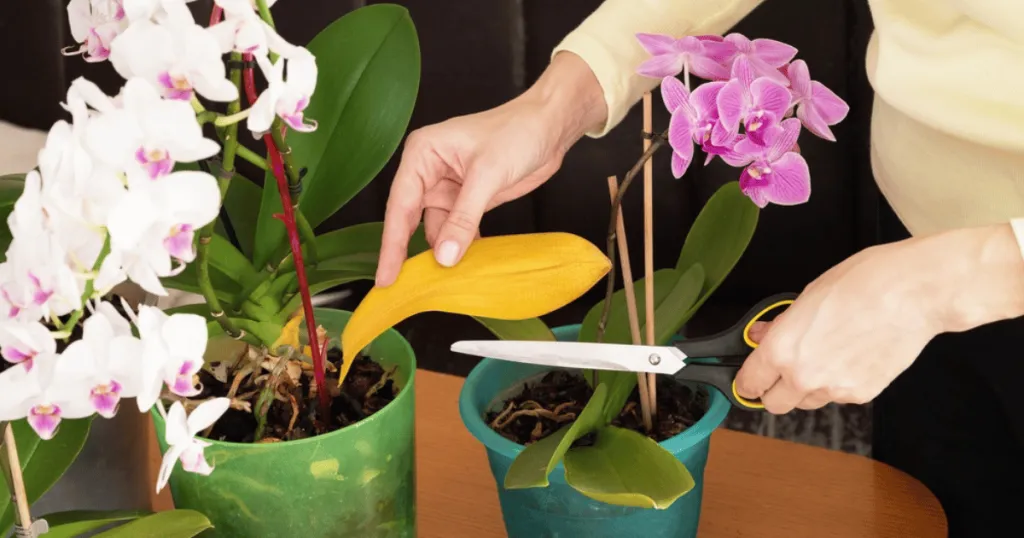
You will eventually need to repot your orchid, typically every 18 to 24 months, or when the bark medium begins to break down into a fine, soil-like consistency. When the bark decomposes, it loses its ability to provide oxygen to the roots. To repot, gently remove the plant, trim away any dead or hollow roots using sterilized scissors, and place it into a slightly larger pot with fresh orchid bark. Do not be tempted to use a pot that is too large, as excess space will hold too much moisture.
Pruning is straightforward. Once all the flowers have fallen off the main spike, you have two choices. You can cut the spike off at the base, which encourages the plant to focus its energy on growing new leaves and roots for a stronger bloom next year. Alternatively, you can cut the spike just above the second or third node from the bottom.
This sometimes triggers the plant to produce a secondary, smaller bloom spike. Propagation for the average office worker is rarely practical, as it involves waiting for the plant to produce a keiki, or baby plantlet, on the flower spike, which can take a long time and requires specific conditions to thrive.
When repotting, the choice of container is just as important as the medium. Clear plastic liners are ideal because they allow you to monitor the health of the roots and the moisture level of the bark. If you prefer a decorative ceramic pot, ensure it has a drainage hole. If the decorative pot lacks drainage, keep the orchid in its plastic liner and place it inside the decorative pot, using a layer of pebbles at the bottom to elevate the liner above any potential water accumulation.
When pruning, always use sterilized tools. Wipe your scissors with isopropyl alcohol between cuts to prevent the spread of viruses or bacteria, which can be particularly devastating to orchids in a communal office space where multiple plants might be present.
Seasonal Notes and Common Care Mistakes
Orchids respond to seasonal changes in light and temperature. In the fall, a slight drop in nighttime temperatures can help trigger the plant to produce new flower spikes. If your office stays at a constant temperature year-round, you might find the plant is slower to rebloom. Do not be discouraged if your orchid takes a break; it is a natural part of its cycle.
The most frequent error is the ‘ice cube’ myth. Some advice suggests placing ice cubes on the bark to water the plant. We strongly advise against this. The sudden temperature shock can damage the plant’s roots, and the slow melt does not provide the deep, thorough saturation that the bark mix requires to distribute moisture evenly.
Another common mistake is leaving the plant in a drafty location, such as directly under an air vent or near a door that opens to the outside. Sudden temperature fluctuations can cause the plant to drop its buds prematurely. If you notice your orchid is losing buds before they open, check for drafts or extreme temperature swings first.
Healthy growth is characterized by firm, waxy leaves and a strong, upright posture. If the leaves start to droop or wrinkle, it is a sign that the plant is either chronically underwatered or that the roots have already rotted and can no longer take up water. Always inspect the roots through the clear plastic liner pot if possible; if they are green, the plant is happy. If they are brown or black, you need to intervene immediately by repotting and removing the dead tissue.
Understanding the plant’s growth cycle is essential for long-term success. During the vegetative phase, the plant focuses on leaf and root development. During the reproductive phase, it focuses on spike and flower production. By observing these phases, you can adjust your care – providing more fertilizer during vegetative growth and reducing it when the plant is in full bloom or resting – to ensure the plant remains a vibrant part of your office decor for years to come.
Related Orchid Guides
- the Orchid plant guide
- fixing common Orchid issues
FAQ
Why are the leaves on my office orchid turning yellow?
Yellowing leaves are usually a sign of overwatering or poor drainage. If the roots are sitting in water, they cannot breathe, leading to rot. Check the roots; if they are mushy or dark, you must repot the plant into fresh, dry bark and trim away the damaged roots.
How do I get my orchid to bloom again in the office?
To encourage reblooming, ensure the plant receives consistent, bright indirect light. A slight drop in temperature at night during the fall can also help trigger the plant to produce a new flower spike. Be patient, as orchids require a period of vegetative growth before they can support new flowers.
Is it safe to keep an orchid on my desk if I have pets?
Yes, according to ASPCA guidance, the common Phalaenopsis orchid is considered non-toxic to cats and dogs. This makes them a safe choice for offices where pets might be present, though it is always best to keep plants out of reach to prevent accidental ingestion or damage to the plant.
What should I do if my orchid’s flower buds drop off?
Bud blast, or the dropping of unopened buds, is typically caused by environmental stress. Common culprits include cold drafts from air conditioning vents, sudden temperature changes, or low humidity. Try moving the plant to a more stable location and increasing the ambient humidity around the pot.