The Fiddle Leaf Fig, or Ficus lyrata, is often selected for its architectural presence in reception areas and open-plan offices. However, its reputation for being temperamental usually stems from a mismatch between its natural needs and the reality of office lighting. In its native environment, this plant thrives under dappled canopy light. In an office, this translates to bright, indirect light. Placing a Fiddle Leaf Fig in a dark corner or deep within an interior hallway will almost certainly result in slow growth, leaf drop, and a leggy, unattractive silhouette.
What You Need to Know
- Provide bright, indirect light near a window.
- Water only when the top inch of soil feels dry.
- Keep away from HVAC vents and drafty doorways.
- Avoid moving the plant once it finds a stable spot.
- Handle with care as the sap can irritate skin.
Optimizing Light for Office Environments
The most successful placements are within three to five feet of a south or east-facing window. If your office relies primarily on overhead fluorescent or LED lighting, you may find that the plant struggles to maintain its vigor. While these artificial sources provide some energy, they rarely match the intensity required for the plant to produce new, healthy foliage.
If you must place a plant in a windowless room, consider supplementing with a dedicated full-spectrum grow light to ensure the plant receives the equivalent of several hours of bright, filtered sunlight daily. Photosynthesis is the primary engine of growth for your Ficus lyrata; without sufficient light, the plant will prioritize shedding older, less efficient leaves to conserve energy, leading to the dreaded “bare stem” look common in neglected office specimens.
When evaluating light, consider the seasonal shift. An office window that provides perfect light in the winter may become too intense in the summer, potentially scorching the leaves. Use sheer curtains or blinds to diffuse direct sun if you notice the leaves developing bleached or crispy patches. Conversely, if the plant is leaning heavily toward the light source, rotate the pot a quarter-turn every time you water to ensure even growth and prevent the plant from becoming lopsided.
Watering and Soil Management
Watering is the single most common failure point for office plants. Because office environments are often climate-controlled with consistent HVAC output, the soil can dry out at different rates than it would in a home. The golden rule for Fiddle Leaf Fig care is to allow the top inch of soil to dry out completely before adding more moisture.
Overwatering is significantly more dangerous than underwatering; it leads to root rot, which manifests as dark brown or black spots on the leaves, particularly near the edges. This happens because the roots become suffocated in an anaerobic environment where oxygen cannot reach them.
To check if your plant needs water, insert your finger or a wooden dowel into the soil. If the top inch is dry, it is time to water. When you do water, ensure you are saturating the root ball evenly until water begins to drain from the bottom of the pot. Never leave the plant sitting in a saucer of standing water. If your office pot lacks drainage holes, you must address this immediately by repotting into a container that allows excess water to escape. Proper aeration of the potting mix is essential; if the soil stays compacted and wet for too long, the root system will fail to support the plant’s large, heavy leaves.
Humidity, Temperature, and Feeding
Office spaces are notorious for low humidity, especially during winter months when heating systems are running at full capacity. While the Fiddle Leaf Fig prefers average to above-average humidity, it can adapt to lower levels if the temperature remains stable. Keep your plant away from direct blasts of air from HVAC vents, as these sudden fluctuations in temperature and humidity are primary triggers for leaf drop. If your office is exceptionally dry, a small humidifier nearby can help, though it is often unnecessary if you are consistent with your watering routine.
Regarding nutrition, these plants are moderate feeders. During the active growing season, which typically spans spring through early autumn, a balanced liquid fertilizer applied at half-strength once a month is sufficient. Avoid fertilizing during the winter months when the plant enters a period of dormancy. Over-fertilizing can lead to salt buildup in the soil, which may cause the tips of the leaves to brown and become brittle. Always flush the soil with clear water occasionally to wash away accumulated mineral salts from tap water or fertilizer residues.
Repotting, Pruning, and Propagation
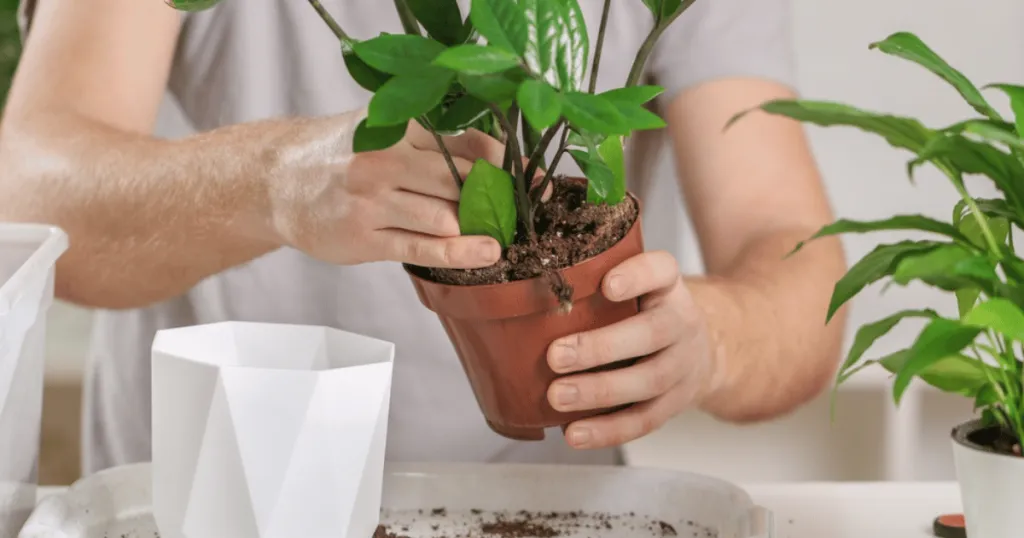
Repotting is rarely needed more than once every two years. When you do repot, choose a container that is only one or two inches larger in diameter than the current one. Using a pot that is too large can lead to excess moisture retention in the soil, which increases the risk of root rot. Use a well-draining potting mix, ideally one amended with perlite or orchid bark to improve aeration. When choosing a new pot, ensure it has adequate drainage holes; decorative cachepots without holes are a major risk factor in office settings.
Pruning is an effective way to manage the size of your plant and encourage a fuller shape. If your Fiddle Leaf Fig becomes too tall or lanky, you can prune the top to encourage branching. Always use clean, sharp shears to make a clean cut just above a leaf node. Propagation is possible through stem cuttings, though it is a slow process that requires patience. Place a cutting with at least one node in a jar of water, changing the water weekly until roots appear.
Note that the milky sap released during pruning can be an irritant to skin and is toxic to cats and dogs if ingested, according to guidance from the ASPCA on toxic plants. Always wear gloves when handling the sap.
Seasonal Adjustments and Avoiding Common Mistakes
The most common mistake office managers make is moving the plant frequently. Fiddle Leaf Figs are notoriously sensitive to changes in their environment. Every time you move the plant to a new location, it must expend energy to acclimate to the new light levels and airflow patterns. This stress often results in the plant dropping its lower leaves. Once you find a spot where the plant is showing signs of new growth, leave it there.
Seasonal changes also require minor adjustments. In the summer, the plant may dry out faster due to increased light and heat, requiring more frequent checks. In the winter, growth slows down, and the soil will stay moist for longer. Always adjust your watering frequency based on the actual state of the soil rather than a calendar schedule.
If you notice yellowing leaves, it is often a sign of either overwatering or a lack of light. If the leaves are crisp and browning at the edges, the plant is likely suffering from low humidity or underwatering. By observing these subtle cues, you can maintain a healthy, vibrant plant that enhances your workspace throughout the year.
Understanding Plant Stress in the Workplace
Environmental acclimation is a major factor in the success of your Fiddle Leaf Fig. When a plant is first introduced to an office, it may experience a period of shock. This is normal. The plant is adjusting to the specific light intensity and the consistent, yet artificial, air quality of the office. To mitigate this, avoid repotting or fertilizing immediately upon arrival. Give the plant at least four to six weeks to settle into its new environment before making any significant changes to its care routine.
Workplace wellness is often tied to the presence of greenery, but the health of the plant itself depends on the stability of its surroundings. By minimizing drafts, maintaining consistent light, and avoiding over-attention in the form of excessive watering, you create a stable ecosystem that allows the plant to thrive.
Strategic Placement and Long-Term Maintenance
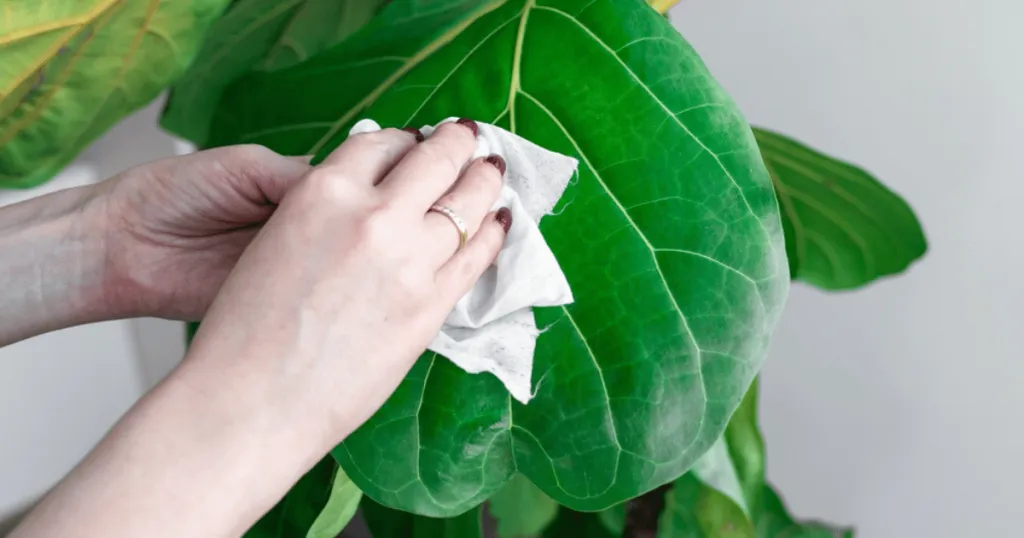
Beyond basic care, the long-term viability of a Fiddle Leaf Fig in a corporate environment relies on strategic placement. In open-plan offices, consider the traffic flow. These plants have large, broad leaves that are easily damaged by passing foot traffic, cleaning carts, or office chairs. Position the plant in a corner or behind a desk partition where it is protected from physical contact. Furthermore, dust accumulation on the leaves is a common issue in offices, which can inhibit photosynthesis.
Every few weeks, take a damp, soft cloth and gently wipe the tops of the leaves to remove dust. This simple act of maintenance ensures the plant can breathe and absorb light efficiently, which is vital when light levels are already suboptimal.
When selecting a specimen for a reception area, consider the mature size of the plant. A Fiddle Leaf Fig can grow quite tall, potentially touching ceiling tiles if left unpruned. If you have limited vertical space, prioritize varieties like ‘Little Fiddle’ or ‘Bambino,’ which are more compact. These cultivars retain the classic aesthetic of the Ficus lyrata but are better suited for desks and smaller meeting rooms. Regardless of the variety, the commitment to consistency remains the most important factor in your success. By treating the plant as a living component of your office infrastructure – rather than a decorative accessory – you ensure it remains a vibrant, healthy feature of your workspace for years to come.
Related Fiddle Leaf Fig Guides
- what the Fiddle Leaf Fig is like as an office plant
- why your Fiddle Leaf Fig might be struggling
FAQ
Why are the leaves on my Fiddle Leaf Fig turning brown?
Brown spots are typically a sign of root rot caused by overwatering. If the spots are dark and located on the leaf edges, check the soil moisture. If the soil is soggy, stop watering and ensure the pot has proper drainage. If the brown edges are dry and crispy, the issue is likely low humidity.
Is the Fiddle Leaf Fig safe for office pets?
According to the ASPCA, the Fiddle Leaf Fig is toxic to cats and dogs. The plant contains insoluble calcium oxalate crystals and a milky latex sap that can cause oral irritation, drooling, and vomiting if chewed. Keep the plant in areas inaccessible to office pets.
How do I know if my office light is enough for Fiddle Leaf Fig care?
If the plant is losing leaves or the new growth is significantly smaller than the older leaves, it is not getting enough light. Ideally, place the plant near a window where it can see the sky. If you are in a windowless office, you will likely need a dedicated LED grow light.
Should I mist my Fiddle Leaf Fig to increase humidity?
Misting provides only temporary humidity and does not significantly benefit the plant. It can also encourage fungal issues on the leaves. Instead, focus on keeping the plant away from direct HVAC drafts, which are the real culprit behind moisture loss in office environments.