Affiliate Disclosure: As an Amazon Associate, I earn from qualifying purchases.
If you need an immediate shortlist of resilient, compact greenery that survives artificial office lighting and erratic watering schedules, this curated guide is built for you. Finding the best small plants for office desk setups means looking beyond aesthetic appeal to evaluate true survival skills under artificial lighting and irregular watering schedules. However, if your workspace lacks any ambient light source or your schedule keeps you away from the office for weeks at a time, you may need to look toward artificial desk decor rather than living plants.
A workplace greenery selection must successfully navigate limited square footage, fluorescent or LED lighting, and the reality of HVAC-conditioned air. This curated selection focuses on compact species that fit neatly beside a keyboard or monitor without taking over your workspace. Whether you manage a bustling open-plan office or a quiet private room, selecting the right specimen transforms sterile environments into functional workspaces.
Readers who want high-impact, statement foliage that demands hours of daily natural light or specialized humidity chambers should look toward floor-standing tropicals instead. This shortlist targets workers and office managers who need resilient, compact specimens capable of thriving through weekend neglect, seasonal temperature swings, and dry indoor conditions.
Key Takeaway
The best small plants for office desk environments combine compact root systems, high tolerance for artificial lighting, and strong resilience against underwatering.
- Prioritize slow-growing species to avoid constant trimming.
- Select drought-tolerant plants that survive missed watering cycles.
- Verify toxicity levels if pets visit your workspace.
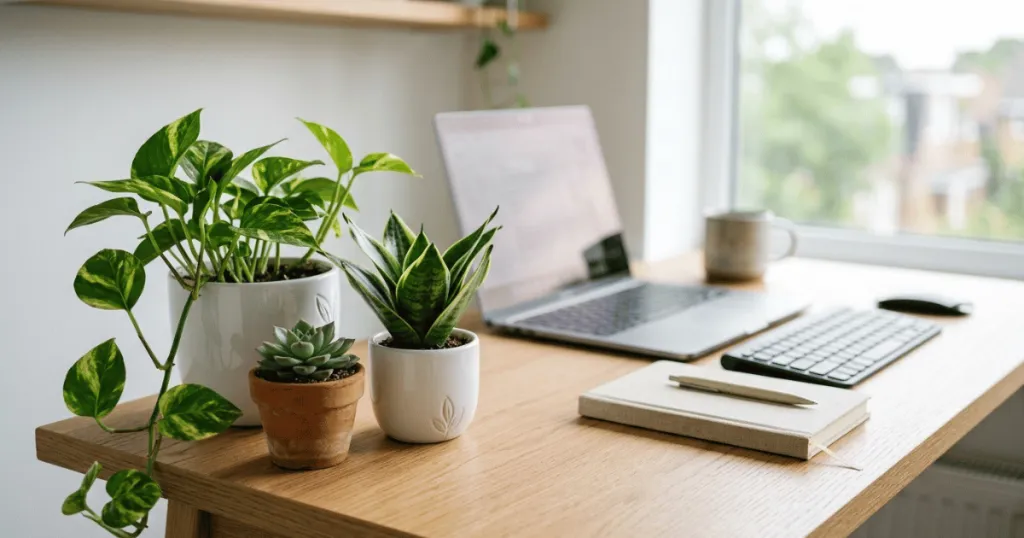
Criteria for Evaluating Desk-Friendly Greenery
Not every indoor plant belongs on a workspace. When evaluating candidates for a work desk, physical footprint and maintenance demands matter far more than they do in a sunroom or greenhouse. A proper desk plant must respect personal boundaries. It cannot crowd your mousepad, drop sticky sap onto sensitive paperwork, or require a complicated watering regimen that distracts from your workday.
Light availability serves as the primary filter. Most interior workstations rely on overhead fluorescent tubes or LED panels rather than direct window light. Plants that demand bright, direct sunlight will quickly stretch, turn pale, and drop leaves in these conditions. Furthermore, the constant airflow from office heating and cooling systems rapidly dehydrates delicate foliage. The selections below were chosen because they handle these exact office microclimates reliably. Small indoor plants for desk layouts must also feature manageable root networks so they do not outgrow their starter pots within a single fiscal quarter.
Beyond basic lighting and watering tolerances, office managers must account for shared air spaces and building cleaning schedules. Specimens that shed leaves continuously create unnecessary janitorial friction, while plants with overly sprawling habits interfere with shared docking stations and monitor arms. Evaluating growth habits alongside root system stability ensures long-term harmony between your living decor and daily office productivity.
Top Compact Plant Selections for Office Desk
ZZ Plant
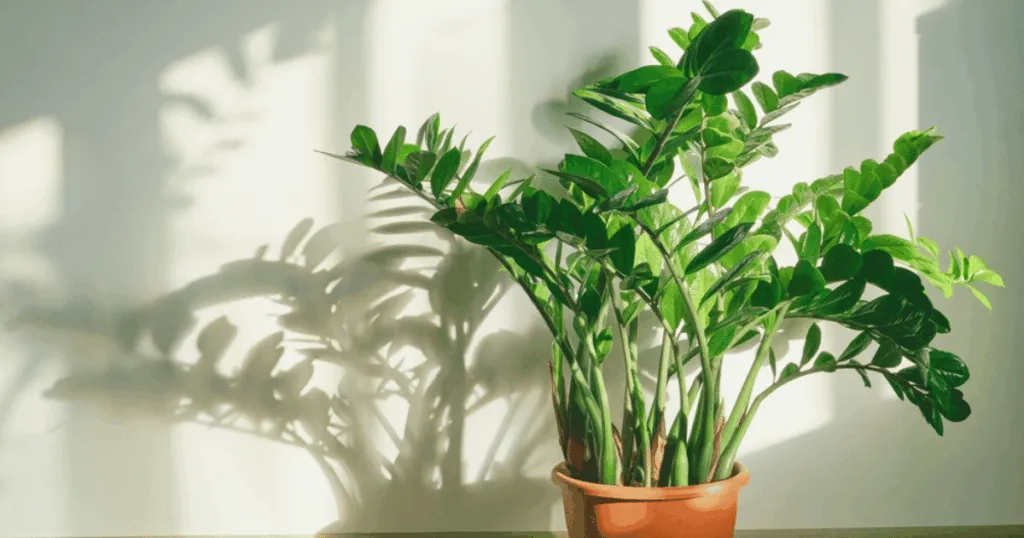
The ZZ plant stands out as an exceptionally reliable option for windowless offices or deep interior cubicles. Thick, potato-like rhizomes beneath the soil store water efficiently, allowing the plant to go weeks without a drink. Its glossy, dark green leaves reflect overhead office lighting nicely, adding a polished look to professional settings. One important factor to keep in mind is that this species is toxic to cats and dogs if chewed, though its bitter sap usually discourages casual nibbling. Overwatering remains the single fastest way to cause root rot, so letting the soil dry completely between waterings is essential. As a standout choice among hardy desk plants, it thrives even when office managers forget about it over long holiday breaks.
When positioning a ZZ plant in an open-plan layout, its upward and outward arching stems create natural spatial dividers between adjacent cubicles without blocking sightlines. Because its growth rate is naturally deliberate, you will not have to contend with frequent pruning sessions. This makes it an ideal companion for desk workers who prefer zero-maintenance decor that still provides vibrant life throughout the working week.
Snake Plant
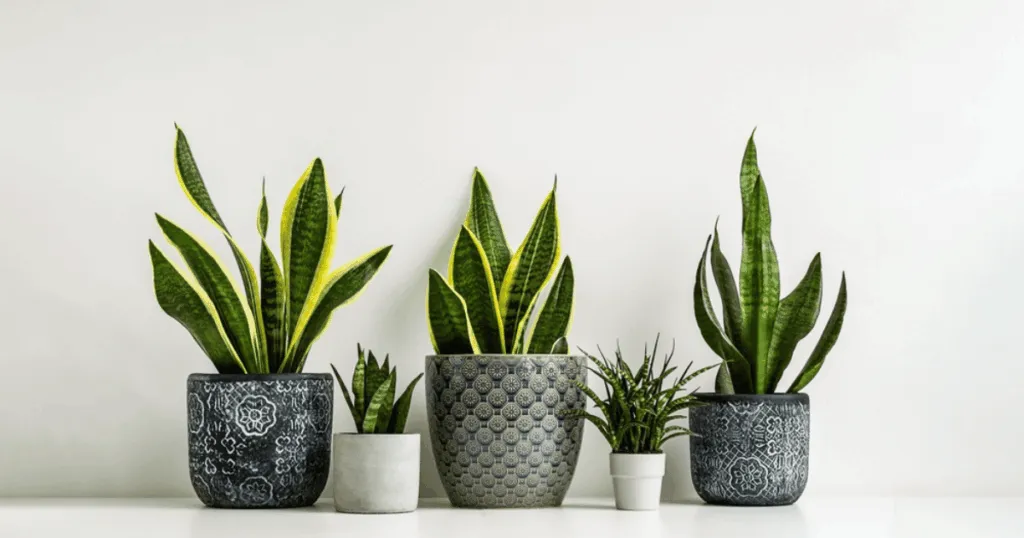
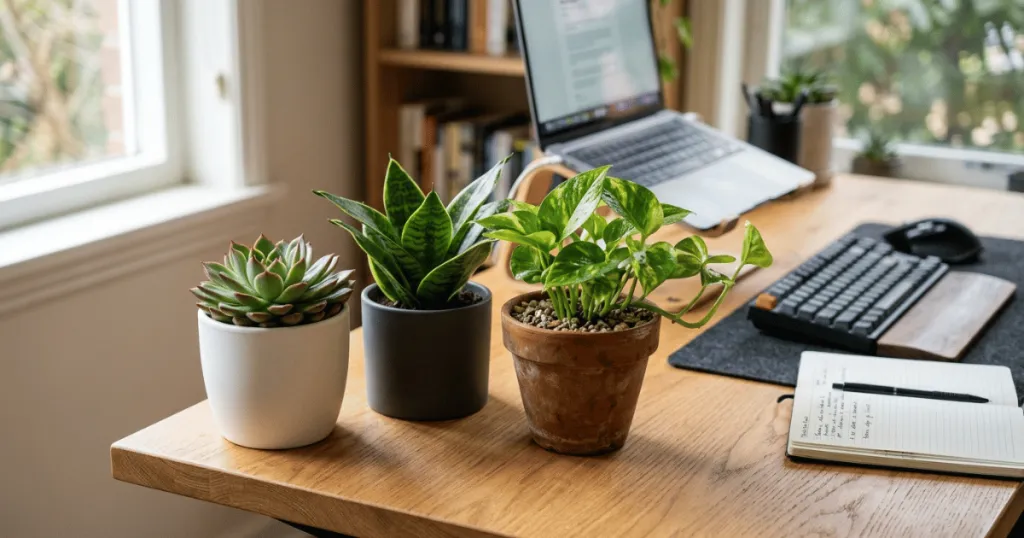
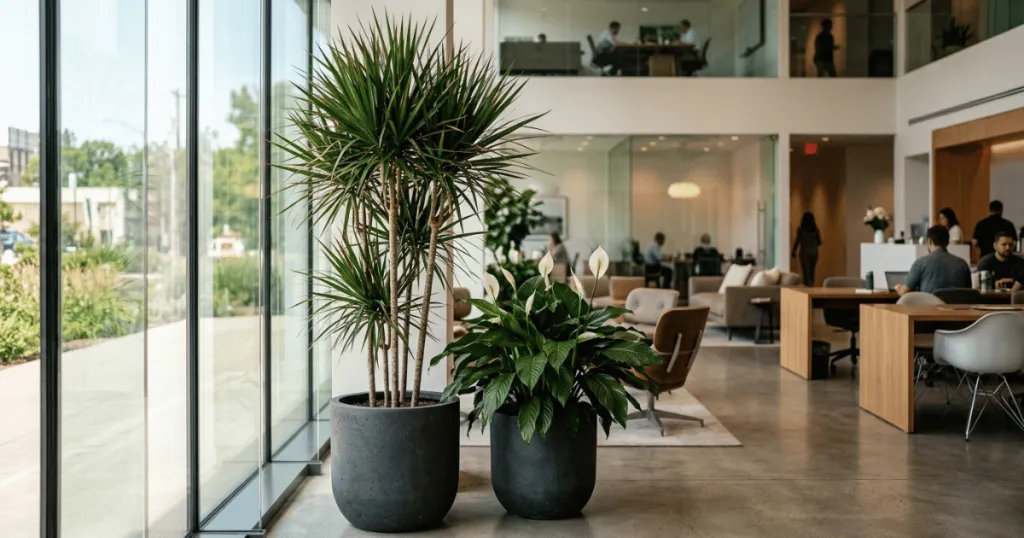
Compact dwarf cultivars of the snake plant provide strong architectural lines without overwhelming a small desk surface. Upright, stiff leaves take up minimal horizontal space, making them ideal for tight corners near a monitor. This species tolerates low light levels quite well, though it prefers medium indirect illumination to maintain its vibrant yellow-edged variegation. A common mistake is watering too frequently, which quickly leads to mushy bases. If your office schedule involves frequent travel or long weekends away, this hardy succulent handles neglect better than almost any other candidate. It acts as a stalwart low light office plant that maintains structural integrity under austere indoor conditions.
The structural rigidity of dwarf snake plants also makes them exceptionally resistant to accidental bumps from passing colleagues or rolling office chairs. Their stiff vertical foliage does not flop over or snag on clothing, making narrow passageways and tight desk clusters safer for both the plant and the worker.
Pothos
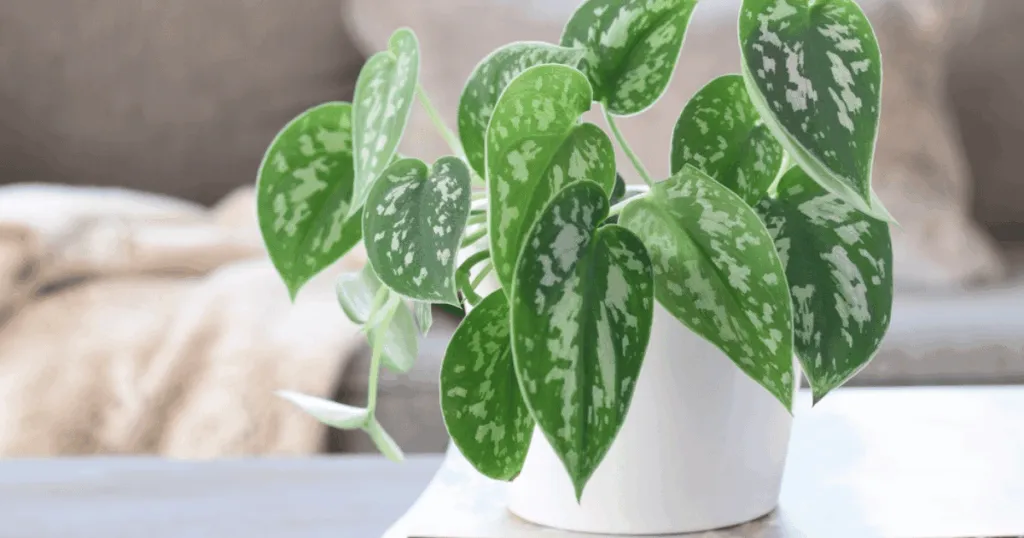
Pothos vines offer remarkable flexibility because they can sit on a desk hutch and cascade downward or be trimmed back into a neat, mounding shape. Heart-shaped leaves come in various variegations, from solid emerald to neon lime and marbled white. While it grows best in medium indirect light, it adapts easily to standard fluorescent office lighting without losing its vigor. You will know it needs water when the stems droop slightly, and it typically bounces back within a few hours of a thorough soaking. Keep in mind that its trailing habit requires occasional pruning to keep vines off your keyboard. This versatile option fits seamlessly into cubicles needing dynamic, low maintenance workspace greenery.
For office workers who enjoy active plant care, pothos propagation offers a rewarding distraction during lunch breaks. Cuttings root effortlessly in a simple glass of water placed right on the desk, allowing you to generate new starter plants for coworkers or additional workstation nooks.
Peperomia
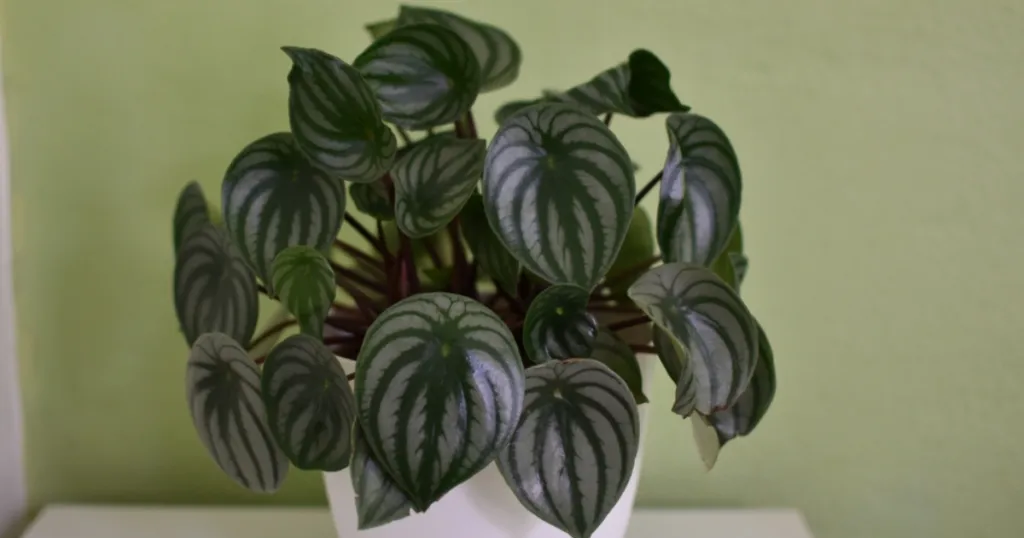
Peperomias represent a massive, highly diverse group of compact plants that rarely exceed twelve inches in height, making them tailor-made for crowded desk setups. Varieties like the watermelon peperomia or the trailing peperomia obtusifolia feature striking leaf textures and patterns that catch the eye without demanding excessive space. They prefer medium indirect light and thrive under desk lamps or fluorescent office grids. Because their root systems are naturally small, they rarely require repotting. A safer approach to watering is letting the top half of the soil dry out completely before adding moisture. Their compact office greenery profile makes them effortless companions for tight typing stations.
Because these species are semi-succulent in nature, they tolerate dry office air remarkably well compared to delicate ferns or calatheas. Their fleshy leaves retain internal moisture reserves, helping them weather unexpected HVAC heat spikes or weekend thermostat setbacks without losing turgor pressure.
Parlor Palm
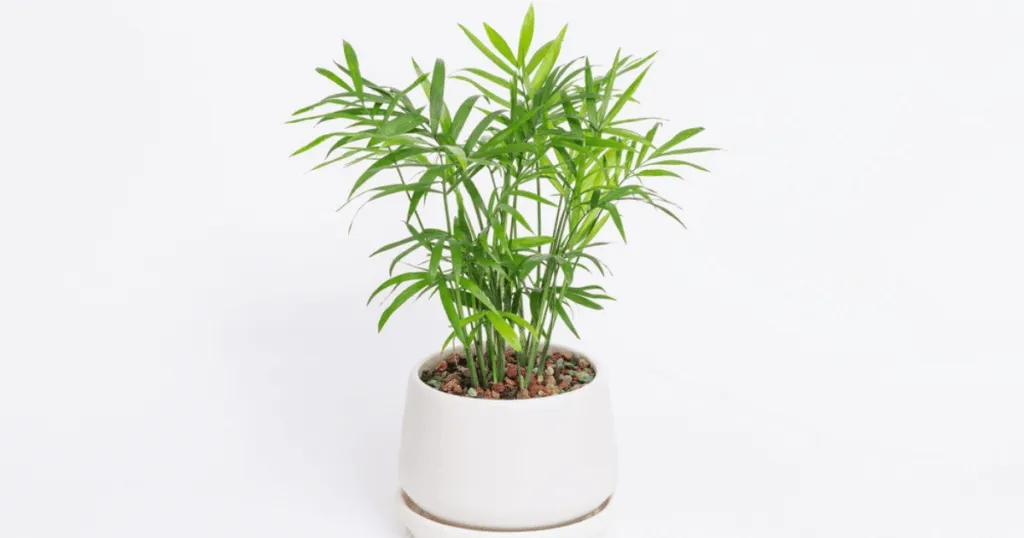
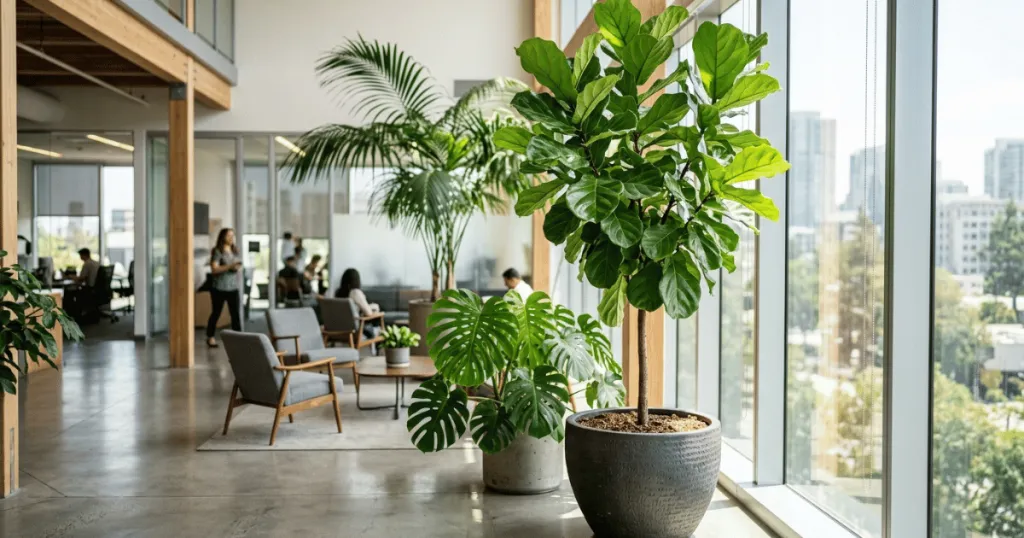
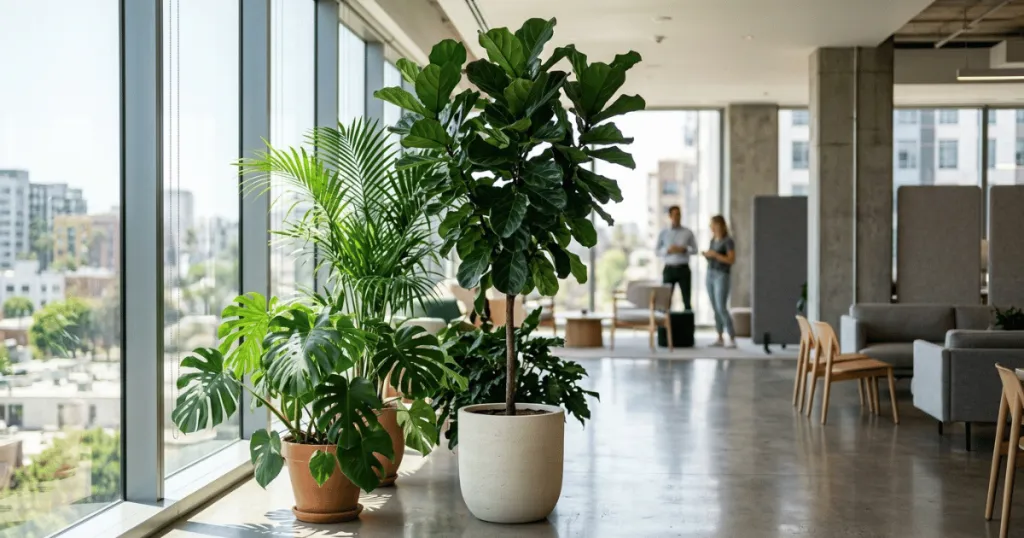
For an injection of soft, feathery texture that feels distinctly different from broad-leafed foliage, the parlor palm is a classic choice for office environments. It grows slowly, maintaining a manageable tabletop scale for years before needing a larger container. Unlike many other palms that demand blazing sunshine, this species evolved under forest canopies and tolerates lower light levels comfortably. One key trade-off is its sensitivity to dry HVAC air, which can occasionally cause crispy leaf tips if the surrounding humidity drops too low. Fortunately, it is entirely non-toxic to pets, offering peace of mind in shared or pet-friendly workplaces.
The delicate fronds introduce organic movement into rigid corporate settings, swaying subtly when air vents cycle on. To mitigate dry-tip issues in air-conditioned offices, placing the container on a small pebble tray filled with water creates a localized humidity buffer without requiring full-room humidifiers.
Hoya
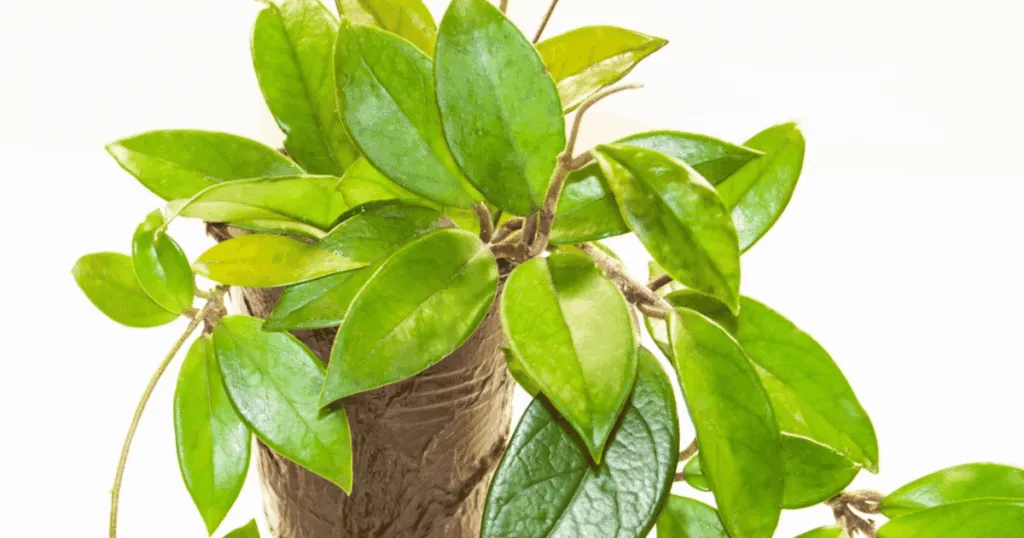
Hoya species, often called wax plants, feature thick, succulent-like leaves that store moisture effectively during hectic workweeks. Their slow growth rate means you will not have to worry about constant pruning or rapid outgrowing of desk containers. While they tolerate lower light levels, placing them near a desk window or under a strong LED task light can trigger clusters of porcelain-like, star-shaped blooms. Overwatering is the primary risk factor for this genus, so a well-draining soil mix and a dry-out period between waterings are non-negotiable. Their trailing stems look exceptional when placed on a high shelf or filing cabinet.
Hoyas are uniquely suited for multitasking desk workers because their thick cuticle layers reduce transpirational water loss. This physiological adaptation means they forgive inconsistent watering routines far better than thin-leaved tropicals, making them resilient survivors in busy corporate environments.
Spider Plant
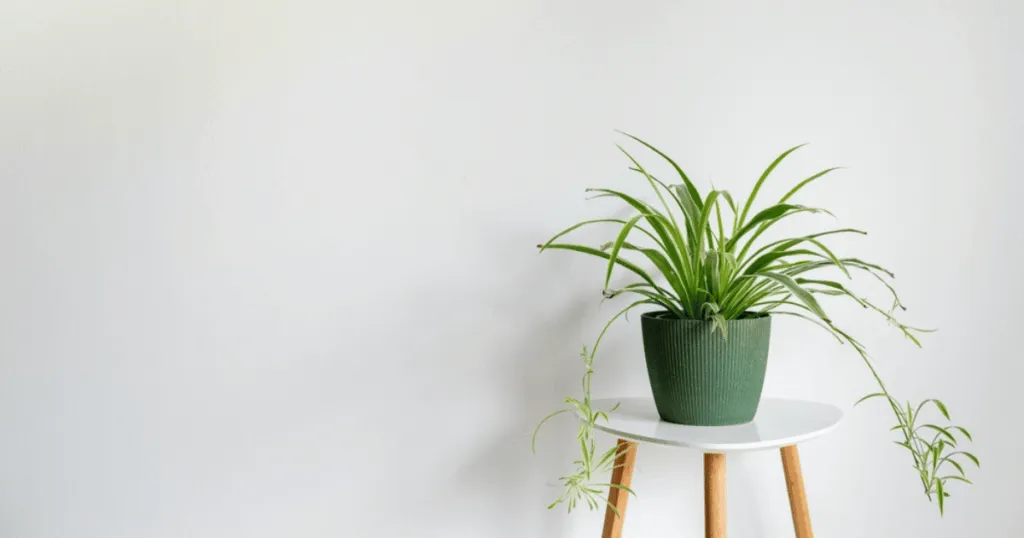
Spider plants bring a lively, grass-like texture and readily produce miniature plantlets on long arching stems that add vertical interest to a workstation. They adapt smoothly to fluorescent office lighting and tolerate occasional underwatering without permanent damage. While fluoride or chlorine in tap water can sometimes cause brown leaf tips, using filtered water easily resolves this cosmetic issue. This species is entirely non-toxic to cats and dogs, making it a safe choice for home offices shared with curious pets. Their aggressive root systems mean they appreciate a slightly snug pot to keep top-growth balanced, functioning as reliable cubicle plants for everyday professionals.
The production of dangling plantlets offers a distinct visual break from standard monitor screens and document trays. As these offsets mature, workers can easily snip them off to start new pots, turning a single desk plant into a propagation project for the entire department.
Placement Strategies for Optimal Desk Health
Finding the right physical spot on your workstation dictates whether your plant thrives or struggles. Placing a plant directly beneath an overhead air vent exposes it to constant drafts that rapidly dry out foliage, regardless of how moist the soil remains. Similarly, pushing a plant into a dark corner behind dual monitors deprives it of the ambient photons needed for basic cellular maintenance. Positioning plants within a few feet of a desk lamp or an east-facing window creates a much more stable microclimate.
Desks often accumulate dust from paper handling, HVAC circulation, and general office traffic. Dust accumulation on leaves blocks light absorption, effectively reducing the plant’s energy supply. Wiping broad leaves gently with a damp cloth every few weeks keeps stomata clear and maintains a vibrant appearance. Avoiding cluttered areas where coffee mugs or staplers frequently knock against stems prevents physical bruising and leaf drop. When arranging a workstation, ensure that your chosen drought tolerant desk plants remain clear of hot printer exhausts and direct heating units.
Furthermore, evaluating desk ergonomics alongside plant placement prevents workspace friction. A plant should never obstruct keyboard access, restrict mouse movement, or obscure view lines to monitors and colleagues. Utilizing vertical space such as desk hutches or floating wall shelves allows you to incorporate trailing varieties without sacrificing valuable horizontal workspace.
Limitations, Trade-Offs, and Choosing Differently
Compact desk plants come with inherent trade-offs that every office worker should understand before committing. Small pots dry out much faster than large floor planters, meaning miniature specimens require more frequent watering attention during dry winter months when heating systems run constantly. Furthermore, small pots have limited nutrient reserves, so applying a dilute liquid fertilizer once a month during spring and summer is necessary to sustain healthy foliage.
Workers who spend days traveling or frequently forget watering schedules entirely may find even resilient desk plants challenging over the long term. If your desk receives zero natural light and relies entirely on intermittent artificial illumination that switches off at night, even low-light champions like ZZ plants will experience stunted growth. In extreme low-light environments, rotating plants periodically to a brighter breakroom window or supplementing with a dedicated LED grow bulb ensures long-term survival. For non toxic office plants, remember that pet safety inside a cubicle still requires preventing animals from chewing on decorative containers or scattering potting soil across shared office floors.
Understanding these constraints ensures you select species that match your actual office habits rather than aspirational routines. If your daily workflow leaves zero bandwidth for monitoring moisture levels or wiping dust, selecting ultra-resilient succulents or evaluating artificial alternatives remains the most pragmatic path forward.
FAQ
Can office desk plants survive over the weekend without water or light?
Most resilient desk plants easily survive standard two-day weekends without intervention, especially in climate-controlled offices. Windowless offices that turn off artificial lighting entirely over the weekend pose no issue for hardy species like ZZ plants and snake plants, which naturally experience dark periods in their native habitats.
How do fluorescent and LED office lights affect small desk plants?
Standard office lighting provides enough lumens for low-light survival species like pothos and parlor palms, but it lacks the full spectrum and intensity of natural sunlight. This means growth will generally be slower and more compact than it would be in a greenhouse or sunny windowsill.
What causes brown leaf tips on small office desk plants?
Dry indoor humidity from office heating and cooling systems is the leading cause of crispy brown tips. Using filtered water instead of tap water can also prevent fluoride accumulation in sensitive species like spider plants.
How often should small desk plants be watered in an office setting?
Watering frequency depends on pot size and ambient humidity, but most small desk plants require moisture only when the top one to two inches of soil feel completely dry to the touch, usually ranging from every one to three weeks.