Affiliate Disclosure: As an Amazon Associate, I earn from qualifying purchases.
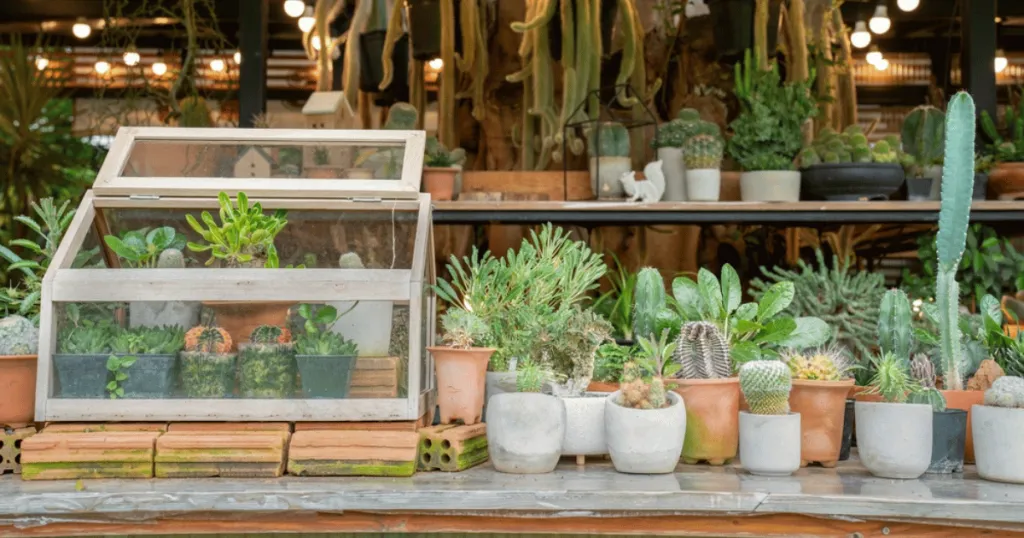
Finding the best small office plants for low light often starts by identifying what simply will not survive in a typical corporate environment. Many common houseplants are marketed as easy, yet they struggle when faced with the realities of a windowless cubicle or a desk tucked far from natural light. Plants that demand high humidity, such as many tropical ferns, or those requiring intense, direct sunlight, like succulents and cacti, are immediate non-starters. If a plant requires a specific light spectrum or frequent misting to prevent crisping, it will likely fail in an HVAC-controlled office where the air is consistently dry and the lighting is limited to overhead fluorescent or LED fixtures.
The most successful office plants are those that have evolved to thrive in the understory of forests or in stable, shaded environments. These species prioritize resilience over rapid growth, making them ideal for spaces where they may be overlooked during busy weeks or left unattended over long holiday breaks. By focusing on plants that tolerate low-light conditions and stable, dry air, you can create a greener, more professional workspace without the constant stress of intensive maintenance.
At a Glance
- Snake Plants and ZZ Plants thrive on extreme neglect.
- Pothos and Heartleaf Philodendron offer versatile, trailing growth habits.
- Cast Iron Plants tolerate the dimmest office corners reliably.
- Avoid plants requiring direct sunlight or high humidity levels.
Criteria for Office Success
When selecting greenery for a desk or shared office space, prioritize plants that exhibit high tolerance for inconsistent watering and low light levels. The primary constraint in most office settings is the lack of natural light; therefore, your shortlist should focus on species that can photosynthesize efficiently under artificial lighting. Additionally, consider the plant’s growth habit. In a space-constrained environment, compact or trailing plants are far more practical than those that grow vertically or require significant floor space.
Finally, assess the plant’s sensitivity to temperature fluctuations. Offices often experience significant shifts in temperature when HVAC systems cycle on and off, or when windows are left open, so choosing a plant that remains stable in these conditions is essential for long-term survival.
Beyond basic survival, consider the aesthetic impact of your choices. A plant’s foliage texture, color, and structural form contribute to the overall office atmosphere. For instance, plants with glossy leaves, such as the ZZ plant, tend to reflect ambient light, making them appear brighter in dim corners.
Conversely, matte-leafed plants provide a softer, more organic contrast to the sterile, hard surfaces of desks, monitors, and metal filing cabinets. When evaluating potential candidates, look for plants that demonstrate a ‘slow-and-steady’ growth pattern. Rapidly growing plants often require more frequent repotting and nutrient supplementation, which can become a burden in a professional setting where you lack access to gardening tools, potting soil, and space for messy maintenance tasks.
Hardy Selections for Dim Spaces
Snake Plant
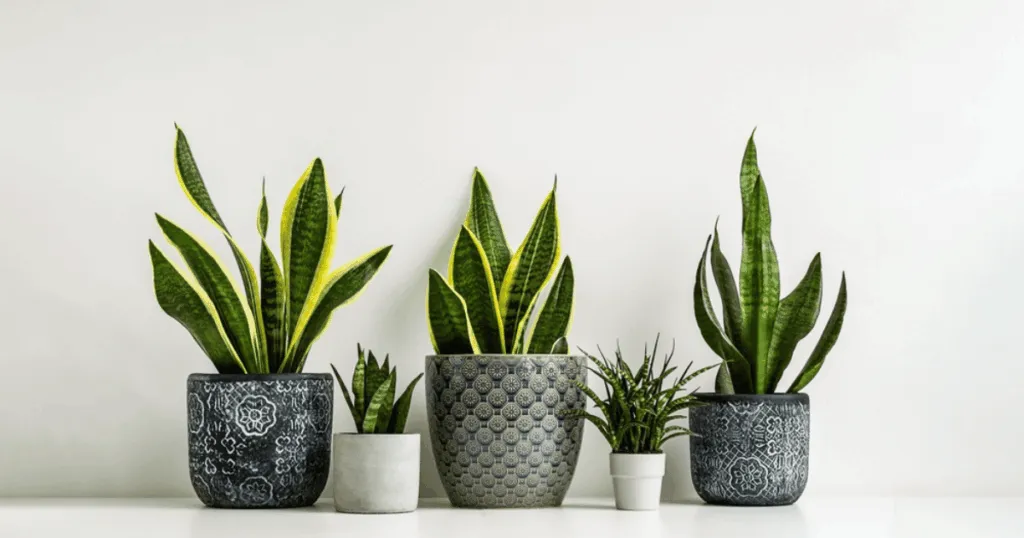
The Snake Plant is arguably the most forgiving option for a dim office. Its architectural, upright leaves add a clean, modern aesthetic to any desk. Because it stores water in its thick, succulent-like foliage, it is highly resistant to drought, making it an excellent choice if you occasionally forget to water your plants. It thrives in low light, though it will grow more slowly in darker corners. Note that it is mildly toxic to cats and dogs if ingested, so keep it out of reach if your office is pet-friendly.
ZZ Plant
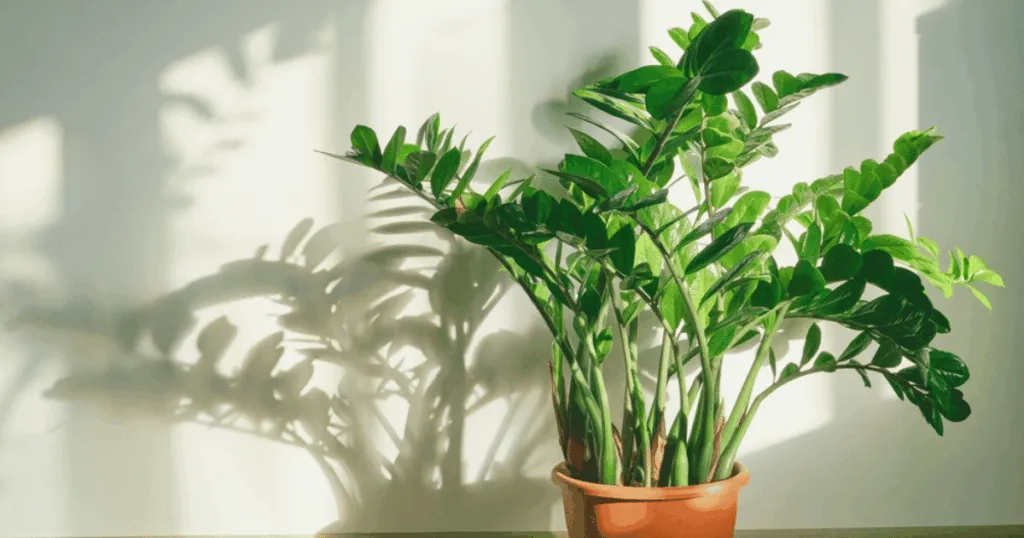
The ZZ Plant is a standout for its ability to withstand extreme neglect and low-light conditions. Its waxy, deep green leaves reflect light, which helps it maximize the limited energy available in a typical office. It is remarkably resilient against the dry air common in climate-controlled buildings, and it only requires water when the soil has dried out completely. Its rhizomes act as a water reservoir, providing a buffer against missed watering sessions.
Pothos
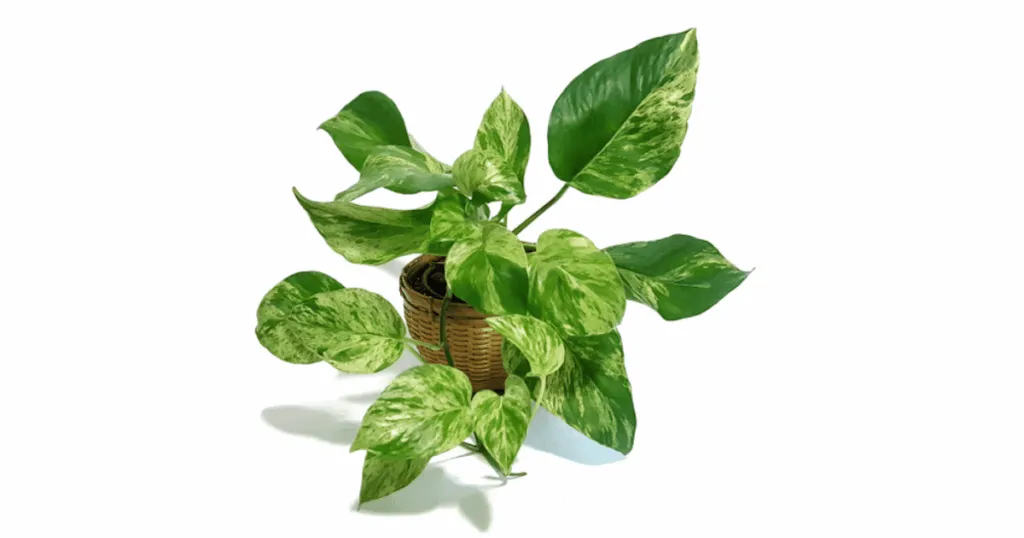
Pothos is a classic trailing plant that adapts well to almost any office environment. It is particularly useful for bookshelves or high-up storage units where its vines can hang down. While it prefers medium indirect light, it is one of the few plants that will continue to grow, albeit more slowly, in low-light conditions. It is also an excellent indicator plant, as its leaves will begin to droop slightly when it needs a drink.
Heartleaf Philodendron
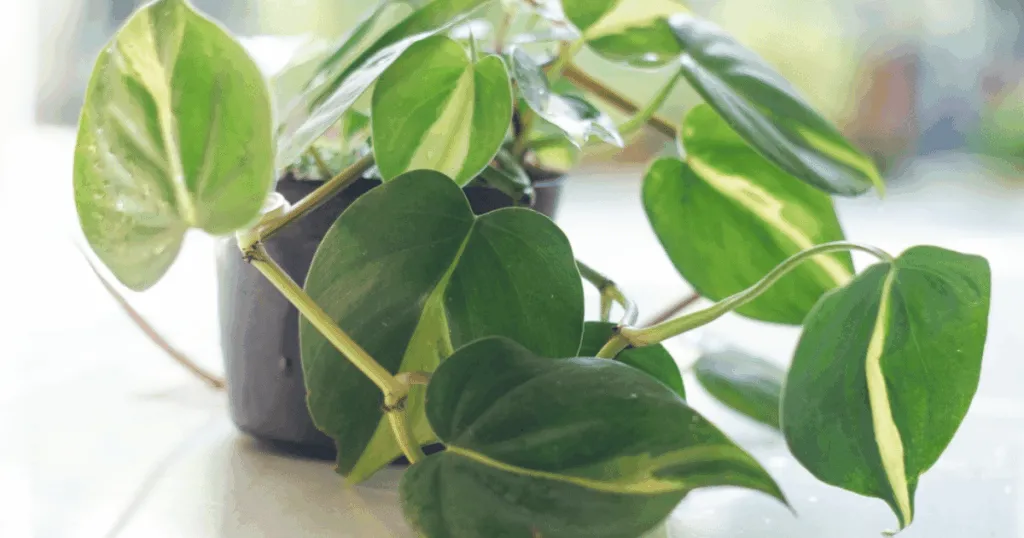
Similar to Pothos, the Heartleaf Philodendron is a reliable, fast-growing vine that is perfect for softening the hard lines of office furniture. It is highly adaptable to lower light levels and is very forgiving if you miss a watering session. Its heart-shaped leaves provide a softer, more organic feel to a workspace compared to the sharper, more rigid look of the Snake Plant. Ensure you do not confuse this with other Philodendron varieties that may require more specific light conditions.
Chinese Evergreen
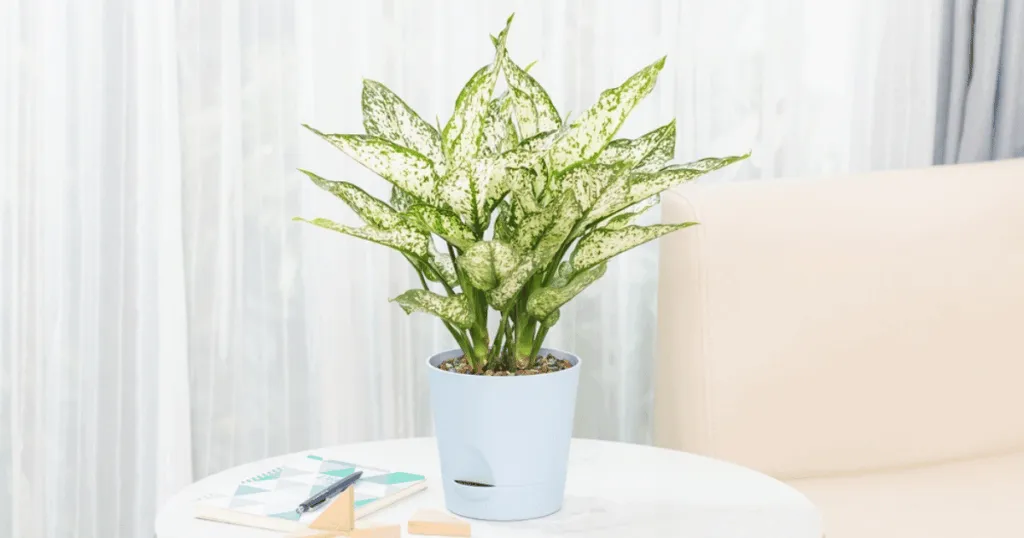
The Chinese Evergreen, or Aglaonema, is prized for its patterned foliage, which can add a touch of color to a monochrome office. It is exceptionally tolerant of low light and is one of the few plants that can maintain its variegation even in less-than-ideal lighting. It prefers to have its soil kept slightly moist, but it is not overly dramatic if the soil dries out between waterings. Many cultivars exist, but their care requirements remain largely consistent.
Cast Iron Plant
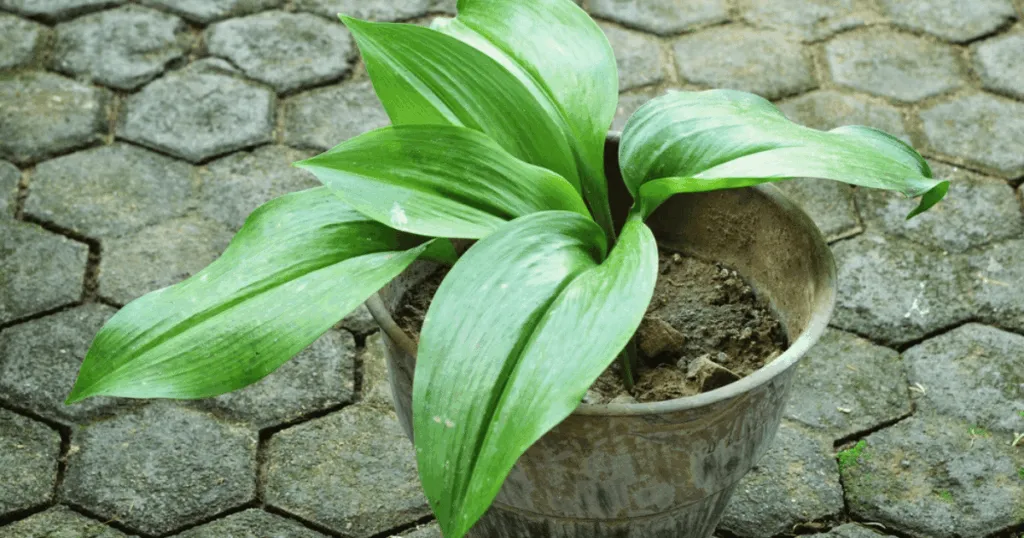
True to its name, the Cast Iron Plant is nearly indestructible. It is an ideal choice for the darkest corners of an office where other plants might struggle to survive. It grows slowly and does not require frequent repotting, making it a low-maintenance, long-term companion for your desk. It is particularly well-suited for areas with poor air circulation or fluctuating temperatures.
Parlor Palm
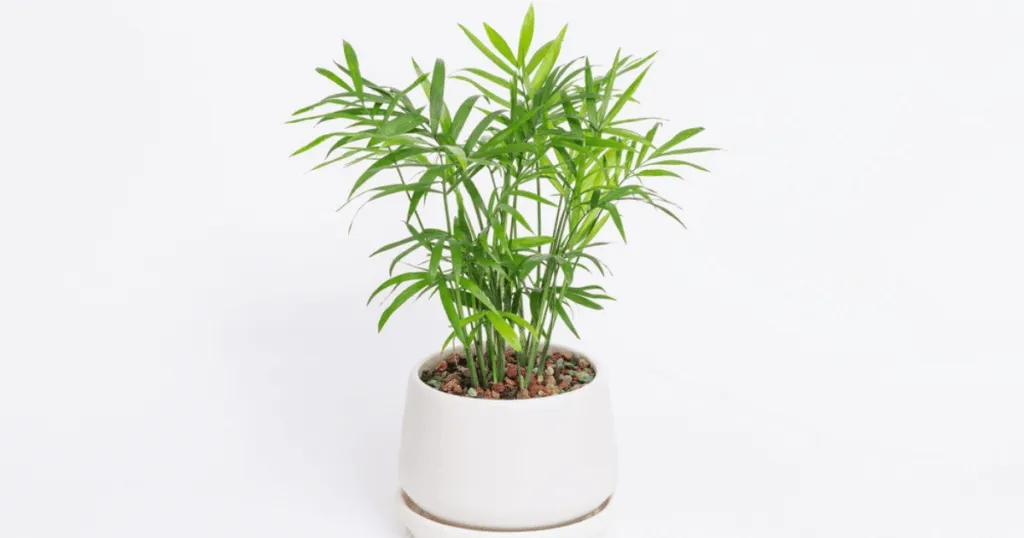
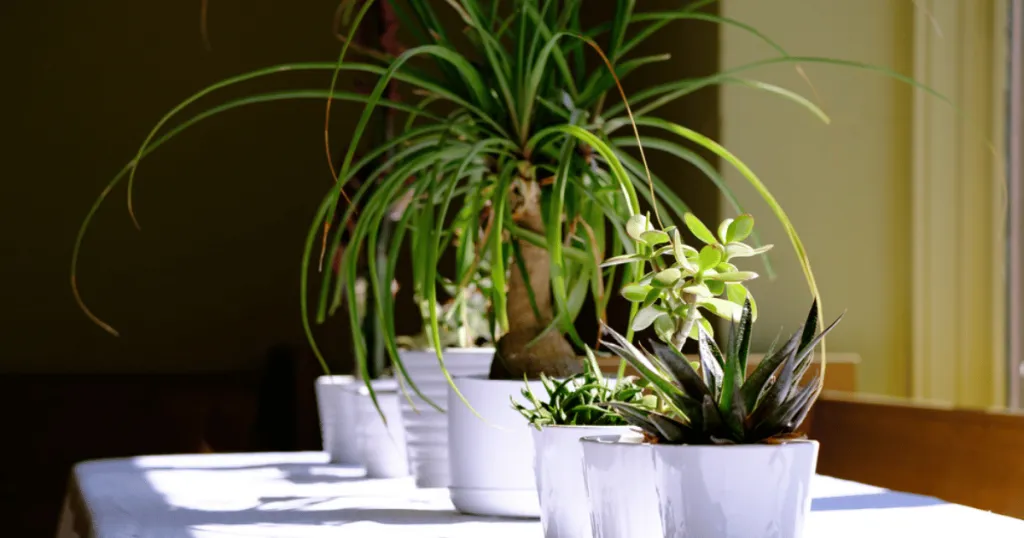
If you want to add a bit of height or a tropical feel to a reception area or a larger desk, the Parlor Palm is the best choice. Unlike many other palms that demand bright, direct sun, the Parlor Palm is specifically adapted to low-light, indoor environments. It brings a sense of elegance and scale without requiring the intense care that other palms often demand.
Bird’s Nest Fern
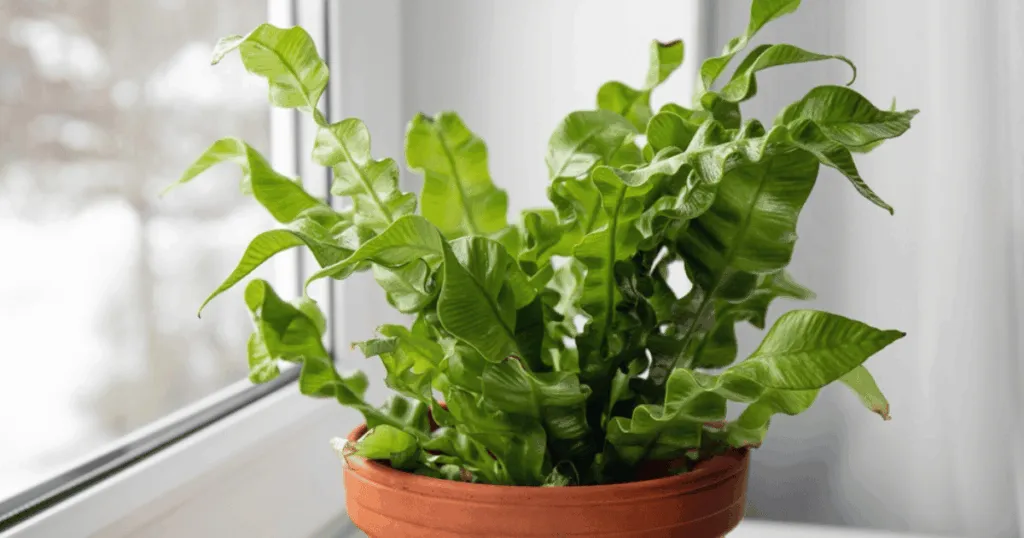
For those who prefer a more textured, rosette-shaped plant, the Bird’s Nest Fern is a great alternative to trailing vines. It is significantly more tolerant of low light and dry office air than the popular Boston Fern. Its bright green, wavy fronds look excellent in a decorative pot and it maintains a relatively compact footprint that won’t overwhelm your workspace.
Expanding Your Options: Secondary Choices
Dracaena
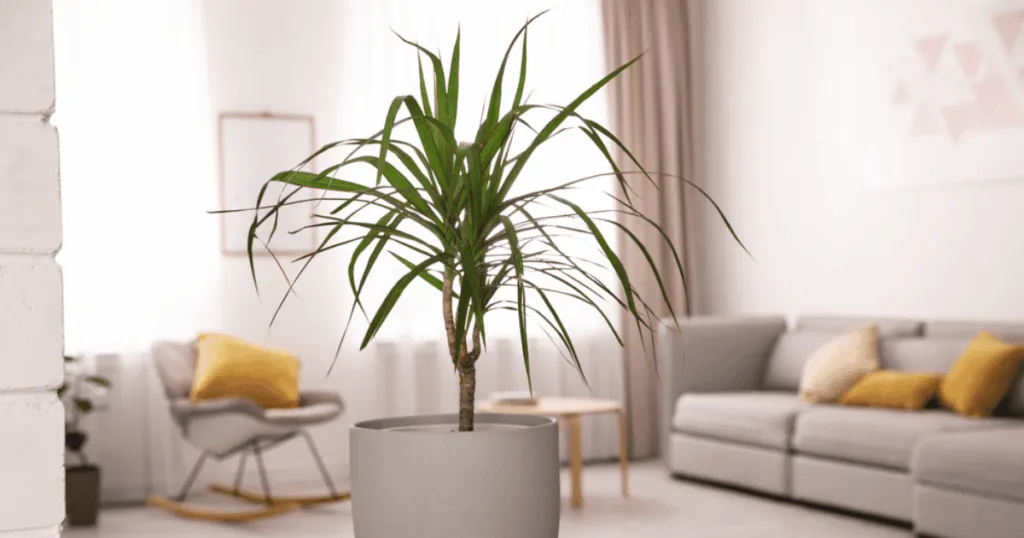
Dracaena varieties are excellent for adding vertical interest to a corner. They are highly adaptable to low light but can be sensitive to fluoride in tap water, which may cause brown tips. Using filtered water can mitigate this issue. They are a great choice for office managers looking for a plant that looks like a small tree.
Peperomia
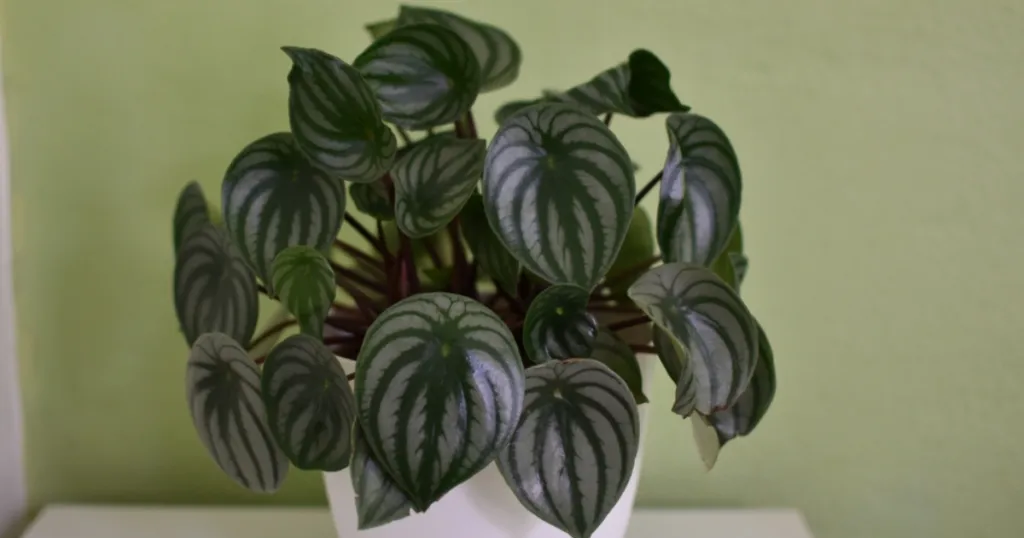
If you have limited desk space, Peperomia is a fantastic choice. These are compact, semi-succulent plants that come in a variety of leaf textures and colors. They are non-toxic to pets and very forgiving of occasional neglect, provided you allow the soil to dry out between waterings to prevent root rot.
Syngonium
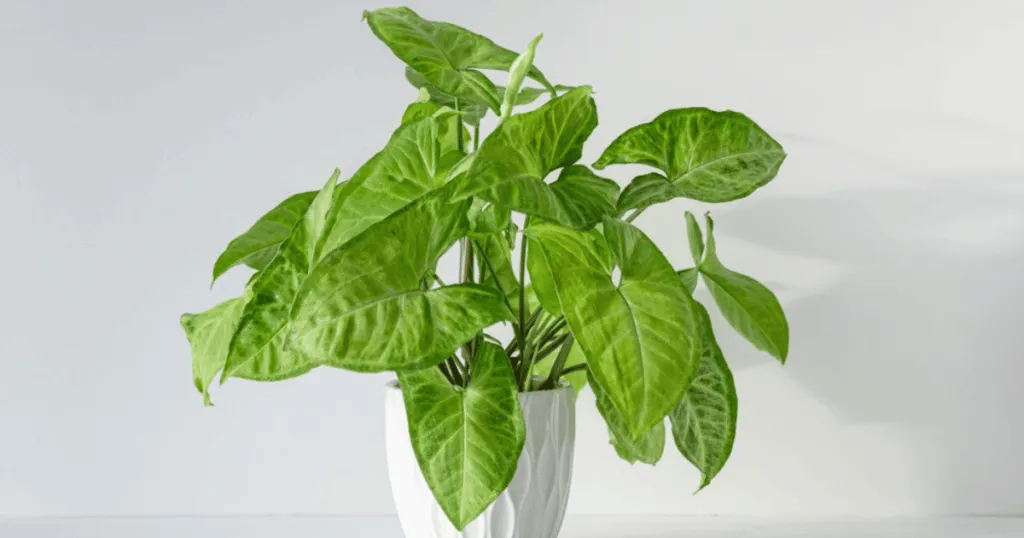
Also known as the Arrowhead Plant, this species is highly adaptable. Its leaves change shape as the plant matures, adding visual interest. It tolerates low light well and is relatively easy to propagate if you want to share cuttings with colleagues.
Lucky Bamboo
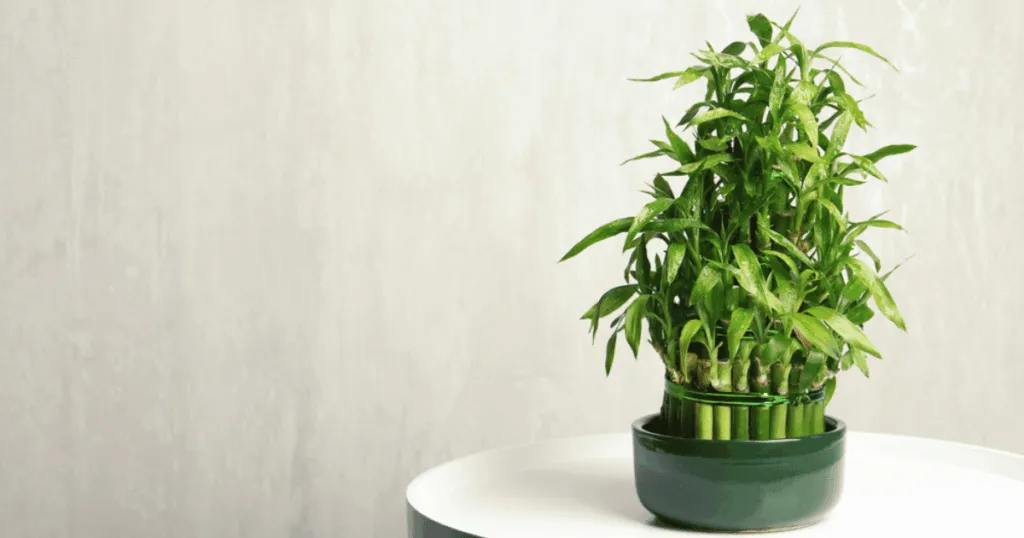
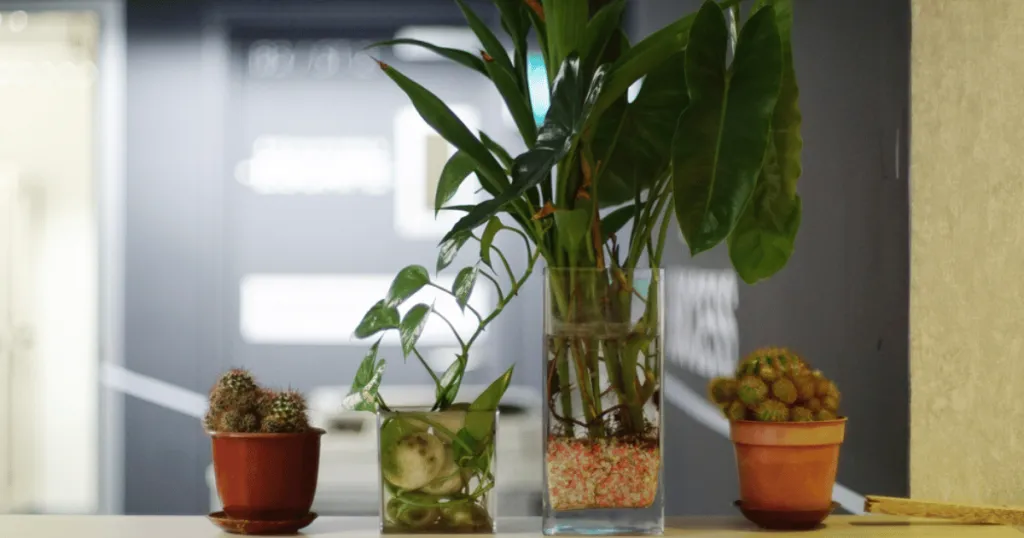
Often grown in water, Lucky Bamboo is a staple of minimalist office decor. It is actually a Dracaena species and thrives in low to medium indirect light. Keep the water clean and topped up, and avoid using chlorinated tap water to keep the leaves vibrant.
Analyzing Environmental Stressors in the Office
Understanding the micro-climate of your office is crucial for long-term plant health. Most office environments are designed for human comfort, not plant survival. This means constant air circulation from HVAC vents, which can lead to rapid moisture loss from leaves, and consistent temperatures that rarely fluctuate.
However, these same systems can be a source of stress. A plant placed directly under an air vent may suffer from ‘wind burn’ or excessive transpiration, leading to crispy leaf edges even if the soil is moist. Conversely, plants placed near windows may experience extreme temperature swings between day and night, especially in older buildings with poor insulation.
Light quality is another often-overlooked factor. While we categorize light as ‘low,’ the reality is that artificial lighting provides a different spectrum than the sun. Most office plants are remarkably adaptable, but they will always perform better when they receive a consistent ‘dose’ of light. If you are in a windowless office, consider the duration of your lighting. If your office lights are on a timer and turn off completely at night, the plant is essentially in total darkness for 12 to 14 hours. This is perfectly fine for low-light specialists like the ZZ plant, but it means you must be even more conservative with watering, as the plant’s metabolic processes slow down significantly in the absence of light.
Practical Decision Guidance for Office Managers
When outfitting a large office or a reception area, scalability and uniformity are key. Choosing a single, reliable species for multiple desks creates a cohesive look and simplifies maintenance routines. For instance, a fleet of Snake Plants in matching ceramic pots provides a modern, uniform aesthetic that is easy to manage. If you are responsible for the care of these plants, you can establish a single watering schedule, which significantly reduces the risk of human error.
Consider the ‘traffic’ of the area as well. In high-traffic hallways or reception areas, avoid plants with delicate, trailing vines that could be snagged by passersby. Instead, opt for upright, structural plants like the Snake Plant or the Chinese Evergreen. These plants occupy a smaller footprint and are less likely to be damaged by accidental contact. If you have a dedicated meeting room, a slightly larger, more impressive plant like a Kentia Palm can act as a focal point, provided the room has at least some ambient light. Always ensure that the pot is stable and heavy enough to prevent tipping, especially in areas where people might accidentally bump into the plant.
Strategic Placement and Care
Even the best office plants require thoughtful placement to thrive. Position your plants near, but not necessarily directly under, light sources. If your desk is far from a window, ensure the plant is close enough to an overhead light to receive at least some illumination. Avoid placing plants directly in the path of cold air vents or near heat sources like radiators, as these can cause rapid leaf drop or browning.
When it comes to maintenance, the most common mistake is overwatering. In low-light conditions, plants use significantly less water than they would in a bright, sunny home environment. Always check the soil moisture with your finger before adding more water; if the top inch of soil is still damp, wait a few days. This simple habit prevents the root rot that is the leading cause of death for office plants.
Limitations and Trade-offs
While low-light tolerant plants are resilient, they are not invincible. The primary trade-off for choosing plants that survive in dim conditions is their growth rate. You should expect these plants to grow much slower than they would in a greenhouse or a home with large, south-facing windows. Do not be alarmed if your plant does not produce new leaves for months at a time; this is a normal adaptation to the limited energy available.
Furthermore, if you notice your plant becoming ‘leggy’—meaning it is stretching out with long stems and sparse leaves—this is a clear signal that it is starving for more light. In such cases, moving the plant closer to a light source is the only effective remedy. Finally, remember that all plants require some level of attention; even the most ‘neglect-tolerant’ species will eventually decline if they are completely ignored for months on end.
This guide focuses on the best small office plants low light and indoor office environments. While these species are generally hardy, they are not intended for outdoor use or extreme temperature conditions. We recommend checking the specific toxicity profile of any plant if you work in an office that allows pets, as many common indoor plants contain compounds like calcium oxalate that can be harmful if ingested. Always prioritize the health of your workspace and the safety of those sharing it when selecting your greenery.
FAQ
How often should I water my office plants in low light?
In low-light office conditions, plants grow slowly and consume less water. Always check the top inch of soil; if it is dry, water lightly. If it feels damp, wait. Overwatering is the most common cause of failure for the best small office plants for low light.
Can my office plants survive over a long weekend or holiday break?
Yes, most of the recommended plants, such as the ZZ Plant, Snake Plant, and Cast Iron Plant, are highly drought-tolerant. They can easily go two weeks or more without water, making them perfect for offices that close for extended periods.
What should I do if my plant starts losing leaves?
Leaf loss often indicates the plant is stressed by its environment. Check for drafts from HVAC vents, ensure you aren’t overwatering, and confirm the plant is receiving enough ambient light. If the plant is in a very dark corner, moving it closer to a desk lamp or window can often stop the decline.
Do I need to fertilize my plants in a low-light office?
Fertilizer is rarely necessary for plants in low-light environments. Because they are not actively growing, they cannot process extra nutrients. Fertilizing a struggling plant in low light can actually cause root burn. Stick to water and light until the plant shows signs of active growth.