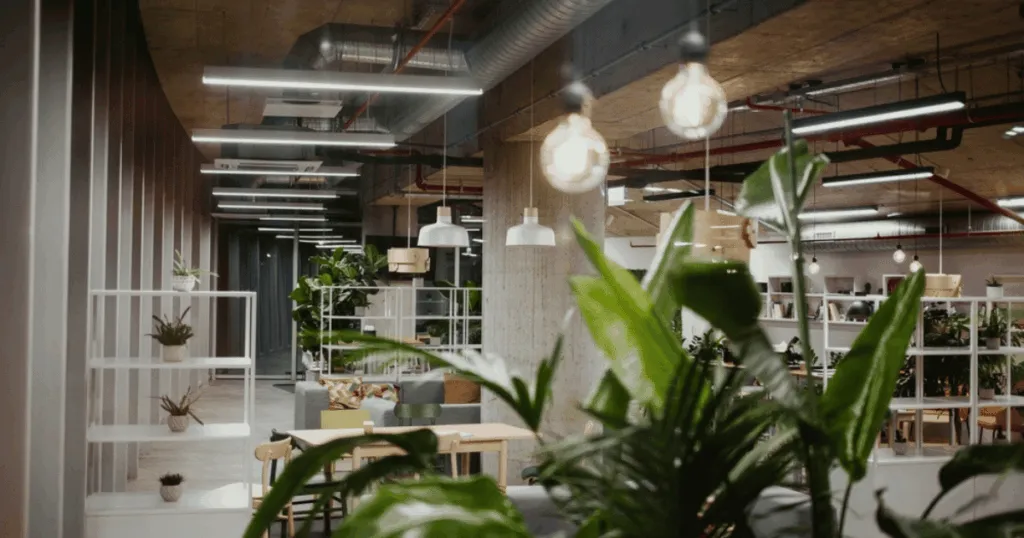
When workspace decision makers evaluate indoor greenery, the primary variable is rarely floor space or water access. It is almost always radiation. Figuring out what plants grow wel in office lighting requires looking past traditional window sill assumptions and evaluating how artificial fixtures drive photosynthesis. Modern commercial interiors rely heavily on linear fluorescent tubes or surface mounted LED panels, which emit narrow light spectrums compared to direct outdoor sunlight. Understanding how specific resilient species adapt to these manufactured lumens prevents the disappointment of slow decline or premature leaf drop.
Standard commercial lighting environments operate on fixed timers, delivering between 300 and 500 lux at desk level in many standard layouts, while interior zones or cubicles under deep overhangs often drop well below 150 lux. This is a crucial distinction for office managers who assume any green foliage will survive simply because the room feels bright to the human eye. Human eyes adjust dynamically to dim environments, whereas plant chloroplasts require specific photon density to manufacture energy. Selecting specimens that tolerate these constrained photon counts ensures long term survival without requiring expensive supplemental horticulture lamps.
Evaluating Office Lighting Conditions
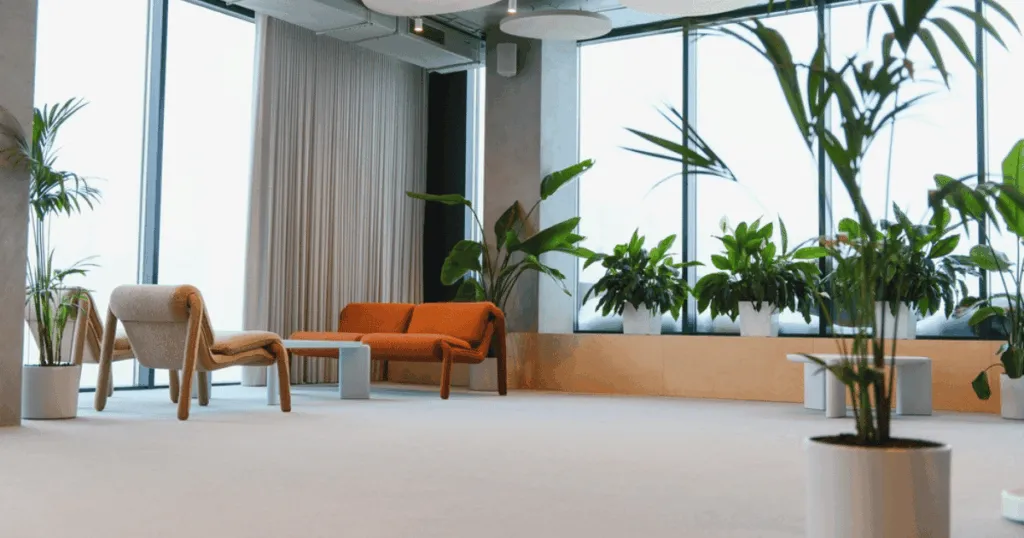
Before introducing any botanical specimen into a workspace, you need to map out the actual light distribution across desks, open areas, and private rooms. Office lighting is measured in foot candles or lux, and the distance from the fixture heavily dictates the available energy. A fluorescent troffer mounted ten feet high loses intensity rapidly by the time light reaches a desktop or a floor standing container. In practice, architectural layouts often feature tricky shadows caused by partitions, hanging acoustic baffles, and file storage units, meaning two desks sitting ten feet apart can offer completely disparate growing conditions for low light office plants.
When assessing commercial interiors, facility managers must look beyond subjective brightness. A room illuminated by recessed fixtures may look uniformly pleasant to staff preparing spreadsheets, yet fail to deliver the minimum light integral required for sustained cellular repair in living plants. Understanding these baseline constraints stops managers from placing sensitive tropical species in light-starved architectural dead zones where they quickly deplete their stored reserves and drop leaves.
Fluorescent Versus LED Fixtures
Older magnetic ballast fluorescent systems flicker at a rate imperceptible to humans but unhelpful for plant growth, while modern electronic ballasts and LED fixtures provide a steady, flicker free stream of photons. LEDs are particularly advantageous because they can be selected with color temperatures that lean toward the blue and red spectrums, which support foliage development. However, energy saving dimming schedules often reduce the total daily light integral, meaning plants receive fewer total photons over an eight or ten hour workday than they would under older, continuously bright setups.
For office managers evaluating plants for fluorescent lighting, it helps to check whether the tubes are T8 or T5 models and how long they have been in service. Aging fluorescent tubes lose their lumen output long before they completely burn out, silently dimming the workspace environment. When light fixtures degrade, plants growing near the lower threshold of survival will suddenly stall, showing signs of etiolation or sparse new growth as photon availability dwindles beneath acceptable levels.
Natural Light Contributions and Window Orientation
Interior private offices with south or west facing windows receive intense thermal radiation and high lux levels during peak afternoon hours, creating a microclimate completely different from a core workstation surrounded by core walls. Conversely, north facing windows provide steady, low intensity illumination that mimics deep shade. Most open offices rely entirely on overhead architectural lighting supplemented only by ambient bounce from pale walls and carpet tiles. In these core zones, evaluating what plants grow wel in office lighting means filtering out the illusion of brightness and focusing purely on artificial lumen output.
Office layout planners must also consider seasonal fluctuations in natural light. A cubicle that receives modest side illumination during long summer days might plunge into near total darkness during winter months when daylight hours shrink. Relying on dependable artificial lighting ensures that indoor office greenery maintains a consistent baseline of energy regardless of weather outside or seasonal shifts in sun angle.
Top Plant Selections for Artificial Workspace Environments
Certain botanical genera possess physiological adaptations that allow them to thrive in low intensity, artificial spectra. These species frequently originate from forest understories where canopy cover filters out intense sunbeams, making them uniquely preadapted to fluorescent and LED office illumination. Selecting the right species minimizes labor overhead for facilities teams while maximizing visual morale across open workstations and shared conference rooms.
When curating botanical specimens for professional buildings, prioritizing structural resilience over delicate leaf variegation yields the best long-term results. Sturdy stems, thick cuticles, and efficient storage organs enable these plants to withstand the unique pressures of corporate real estate, from weekend temperature setbacks to irregular watering habits.
The Resilient Araceae Family
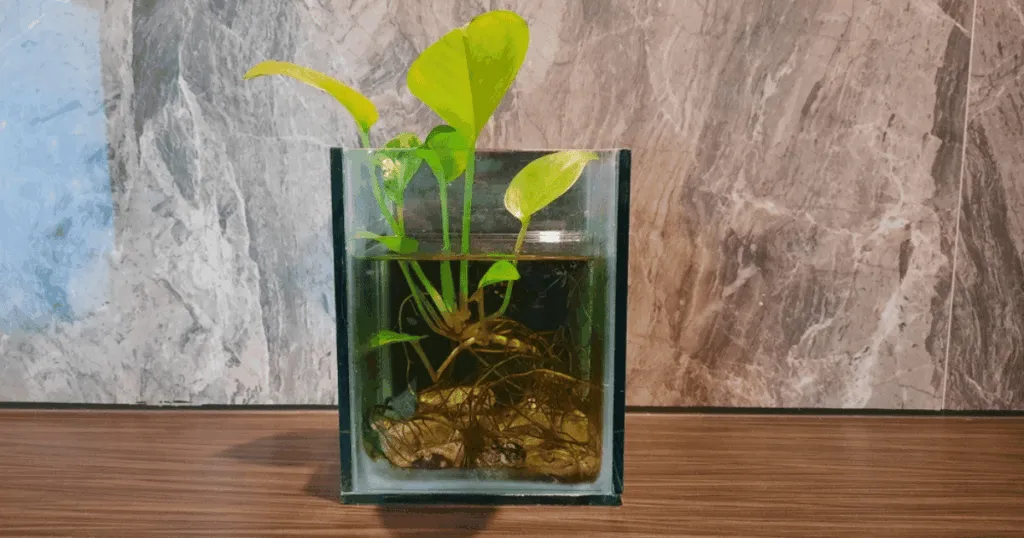
Species belonging to the Araceae family, including the iconic ZZ plant and various pothos cultivars, are exceptionally forgiving of artificial light conditions. The ZZ plant stores moisture and energy in thick underground rhizomes, allowing it to sustain long periods of subdued illumination without showing stress. Pothos varieties, such as Golden Pothos or Jade Pothos, maintain steady leaf coloration even when stationed on interior filing cabinets far away from any window.
These Araceae members manage to photosynthesize effectively under restricted photon counts because their cellular machinery operates efficiently at lower metabolic rates. For office environments featuring continuous fluorescent grids, these plants represent zero-fuss choices that retain their glossy sheen and structural form without needing specialized window placement.
Sansevieria and Dracaena Varieties
Snake plants feature upright, architectural foliage that demands minimal maintenance and tolerates sporadic watering schedules common in busy corporate settings. Their CAM photosynthetic pathway allows them to manage gas exchange efficiently under suboptimal lighting and fluctuating HVAC airflow. Similarly, Dracaena species like the compact Janet Craig adapt well to interior room lighting, though office managers should monitor leaf tips for brown edges caused by low humidity from heating and cooling vents.
Integrating these upright forms into tight corner spaces or flanking reception desks adds structured visual weight without consuming excessive floor area. Because their growth rate naturally slows under artificial spectra, they maintain their intended design footprint for years without requiring aggressive pruning or frequent repotting by facility maintenance staff.
Practical Maintenance Strategies Under Artificial Lighting
Managing indoor greenery under office lighting requires adjustments to standard horticultural practices. Because artificial light provides lower energy levels than direct sun, plants consume water and nutrients at a much slower rate. Overwatering is the single most frequent cause of plant failure in professional buildings, often occurring when well-meaning staff members water on a fixed weekly schedule regardless of actual soil dryness.
When soil dries out slowly due to low light and climate controlled air, root rot becomes an immediate threat. A safer approach is to check soil moisture several inches down with a finger or a moisture meter before applying water, rather than adhering to a strict calendar schedule. Additionally, dust accumulates rapidly on office leaves from HVAC circulation and paper handling. Wiping large leaves with a damp cloth every few weeks restores their ability to absorb maximum photons from overhead fixtures.
Nutrient management under artificial light must also be dialed back. Heavy fertilizer applications will force rapid, weak growth that the limited lumens cannot support, leading to leggy stems and poor structural integrity. Applying a balanced, water-soluble fertilizer at half strength twice a year during spring and summer is usually more than enough for plants maintained under office lighting.
Weekend and holiday shutdowns present another distinct operational challenge. While temperature setbacks overnight or over long weekends help conserve plant energy, severe drops near exterior windows during winter can shock tropical species. Selecting durable specimens that tolerate stable indoor temperatures ensures your workspace greenery transitions smoothly across holiday closures without requiring specialized care teams.
Finally, choosing containers with proper drainage holes and functioning catch saucers prevents water pooling around root systems during intensive cleaning cycles. Facilities managers who establish clear maintenance protocols based on artificial light limitations will preserve healthy, vibrant office plantings for years.
FAQ
Can office plants survive entirely without natural sunlight?
Yes, many popular office plants can thrive solely under fluorescent or LED office lighting. Species like the ZZ plant, snake plant, and cast iron plant have evolved in deep shade environments and utilize artificial lumens effectively for basic metabolic processes.
How often should office plants be watered under artificial lights?
Watering frequency depends on pot size, ambient humidity, and light intensity, but low light environments universally slow down transpiration. Always check the soil depth for dryness before watering rather than following a rigid weekly schedule to prevent root rot.
Do LED desk lamps help office plants grow better?
Dedicated LED desk lamps positioned close to foliage can provide supplemental photosynthetic active radiation. However, standard ambient room lighting is usually sufficient for low light tolerant species without needing extra desktop fixtures.
Why are the lower leaves turning yellow on my office plant?
Yellowing lower leaves typically indicate overwatering or poor drainage, which is exacerbated in low light settings because the plant uses moisture more slowly. Allowing the soil to dry out further between watering sessions usually resolves the issue.