Expanding your office plant collection through propagation is an efficient way to fill empty desk corners or brighten up breakrooms without recurring costs. However, the unique environment of a professional workspace creates specific challenges that often lead to failure. When you attempt to clone plants in a setting defined by artificial lighting, HVAC-controlled air, and fluctuating weekend temperatures, the margin for error narrows significantly. Recognizing the common propagation mistakes to avoid is the first step toward building a self-sustaining indoor garden that thrives despite the lack of a greenhouse environment.
Many office managers and employees assume that standard home propagation methods translate directly to the office, but this is rarely the case. Factors like low humidity, stagnant air, and the specific light spectrum provided by overhead LED or fluorescent fixtures change how cuttings root and establish. By identifying these pitfalls early, you can adjust your process to ensure higher success rates and healthier, more resilient plants.
The Mechanics of Successful Rooting
The core of successful propagation lies in providing the cutting with enough energy to develop a root system before its stored resources are exhausted. In an office, the most frequent issue is attempting to propagate plants that are already stressed by environmental factors. If a parent plant is struggling with low light or irregular watering, its cuttings will lack the vitality needed to push out new roots. Always select the healthiest, most vigorous stems from a parent plant that has been acclimated to the office environment for at least several months.
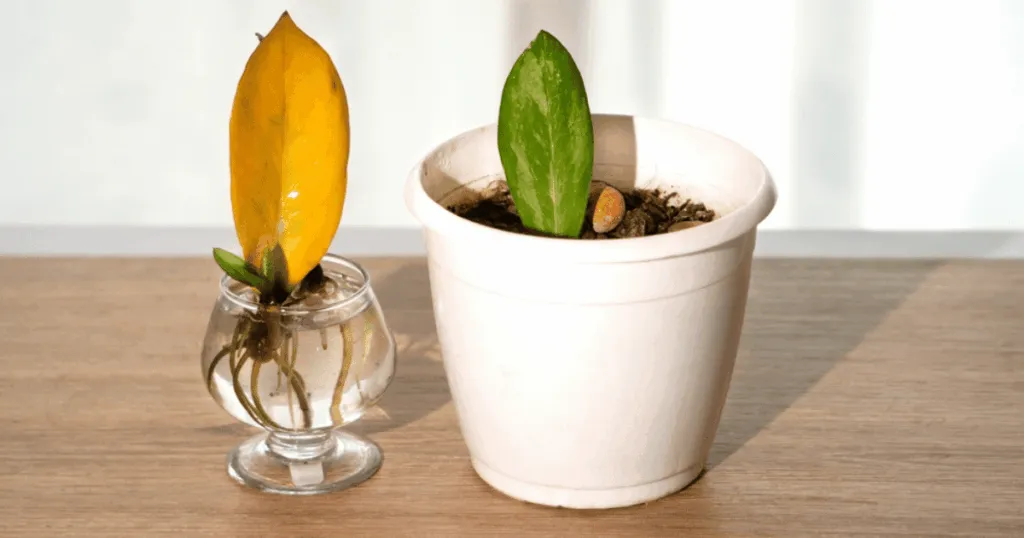
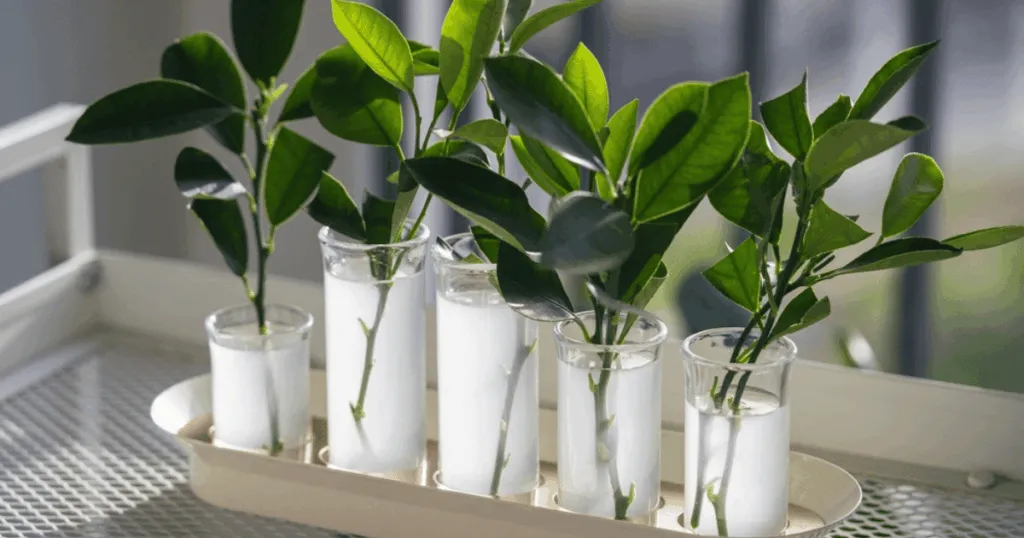
Another significant hurdle is the choice of medium. Many people default to water propagation because it is visually satisfying to watch roots grow. While water is effective for some species like pothos or philodendrons, it is often a poor choice for office environments where water quality can be inconsistent. Tap water in office buildings often contains high levels of chlorine or minerals that can inhibit root development. Furthermore, water-rooted cuttings often struggle when eventually transitioned to soil because the roots grown in water are structurally different from those grown in a solid medium. If you must use water, ensure you change it weekly to prevent bacterial buildup, which is accelerated by the warmth of office heating systems.
Light management is equally critical. A common mistake is placing cuttings in direct, harsh light, thinking it will accelerate growth. In reality, a cutting without roots cannot support high rates of transpiration. It needs bright, indirect light to photosynthesize without drying out. If your office only has dim corners or intense, direct sun through south-facing windows, you must find a middle ground. Using a desk lamp with a full-spectrum LED bulb can often provide the consistent, moderate light levels that a cutting needs to thrive without the risk of leaf scorch.
Environmental Factors and Timing
Timing your propagation efforts is a factor often overlooked in the rush to fill office space. Plants follow seasonal cycles, even indoors. While office environments are climate-controlled, they still experience shifts in light duration and intensity throughout the year. Attempting to propagate during the deepest part of winter, when natural light is at its lowest and the air is driest due to heating, will result in slow, weak growth. The best time to propagate is during the active growing season, typically from late spring through early summer, when the plant is naturally inclined to expand its root system.
Humidity is another silent killer in the office. Most tropical houseplants prefer humidity levels between 50 and 60 percent, whereas office environments often hover around 20 to 30 percent. When you take a cutting, you remove its primary source of moisture. Without a humid environment, the cutting will lose water faster than it can replace it. Using a simple plastic dome or a clear glass cover over your propagation vessel can create a mini-greenhouse effect, trapping moisture and significantly increasing your success rate. Just be sure to remove the cover for a few minutes each day to allow for air circulation, preventing the growth of mold or fungal pathogens that thrive in stagnant, humid air.
The Pitfall of Improper Node Selection
A frequent error among office workers is taking a cutting that lacks a node. A node is the small bump or joint on a stem where leaves and aerial roots emerge. Without this critical junction, the cutting will likely just sit in water or soil, eventually rotting because it lacks the meristematic tissue required to initiate new root growth. When selecting a stem, ensure you have at least one or two nodes below the waterline or buried in the soil. This is where the plant’s biological energy is concentrated, and it is the only place where new roots can physically sprout.
Furthermore, consider the length of your cutting. While it is tempting to take long, trailing stems, these require more energy to sustain. A shorter cutting, roughly four to six inches, is often more efficient for the plant to manage. By reducing the leaf surface area, you decrease the rate of transpiration, allowing the plant to focus its limited energy on root development rather than maintaining existing foliage. If your cutting has too many leaves, consider trimming the lower ones to prevent them from rotting in the medium.
Managing Temperature Fluctuations
Office environments are notorious for temperature swings, particularly over weekends or holidays when HVAC systems may be set to energy-saving modes. Tropical plants, which are the most common subjects for office propagation, generally prefer stable temperatures between 65 and 75 degrees Fahrenheit. A drop in temperature at night or over a long weekend can significantly slow down the metabolic processes required for rooting. If your office is prone to cold drafts near windows or excessive heat near radiators, move your propagation station to a more stable location, such as an interior shelf or a desk away from vents.
Conversely, excessive heat can be just as damaging. If your propagation vessel is sitting on a windowsill during a sunny afternoon, the water or soil can heat up rapidly, which encourages the growth of harmful bacteria and can literally cook the developing root tips. Always prioritize a location with ambient, stable temperatures. If you notice the water in your propagation jar becoming cloudy or smelling slightly off, it is a clear sign that the temperature or the water quality is promoting bacterial growth, and you should immediately refresh the vessel and sanitize the cutting.
The Importance of Substrate Choice
When moving away from water propagation, the choice of propagation medium is paramount. Many office managers make the mistake of using standard, dense potting soil meant for mature plants. This type of soil is often too heavy and retains too much moisture, which can suffocate delicate new roots. Instead, opt for a loose, well-draining mix. Incorporating perlite or coarse horticultural sand is essential for creating the necessary air pockets that roots need to breathe. A mix of 50% peat-free potting mix and 50% perlite is an excellent starting point for most indoor plants.
Another alternative is using sphagnum moss or leca (lightweight expanded clay aggregate). Sphagnum moss provides excellent moisture retention while still allowing for airflow, making it a favorite for many indoor gardeners. Leca, on the other hand, is completely inorganic and inert, which significantly reduces the risk of fungal pathogens and pests. However, both require a different approach to moisture management. With moss, you must ensure it stays damp but not waterlogged, while with leca, you must maintain a small reservoir of water at the bottom of the container. Understanding the specific needs of your chosen medium is just as important as understanding the needs of the plant itself.
Practical Takeaways for Consistent Success
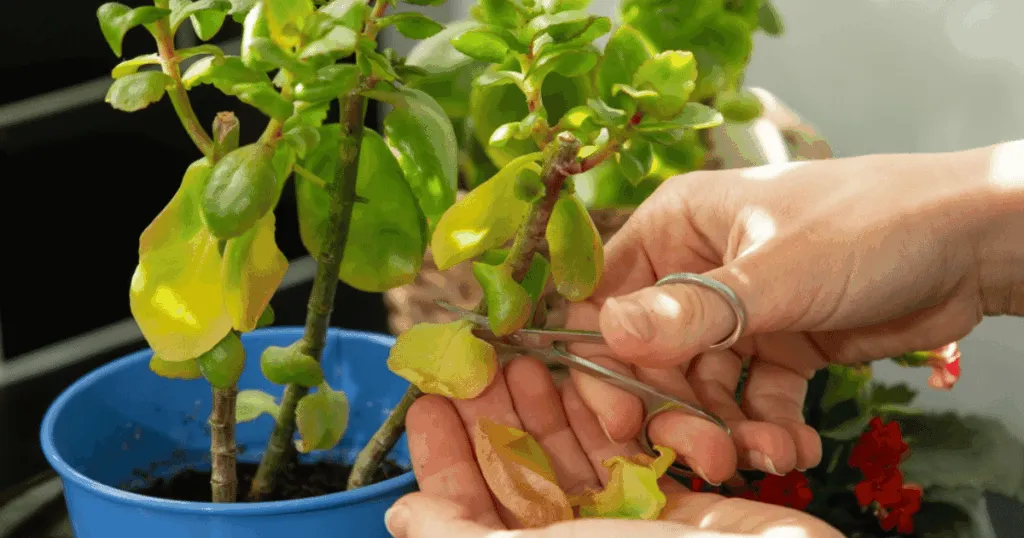
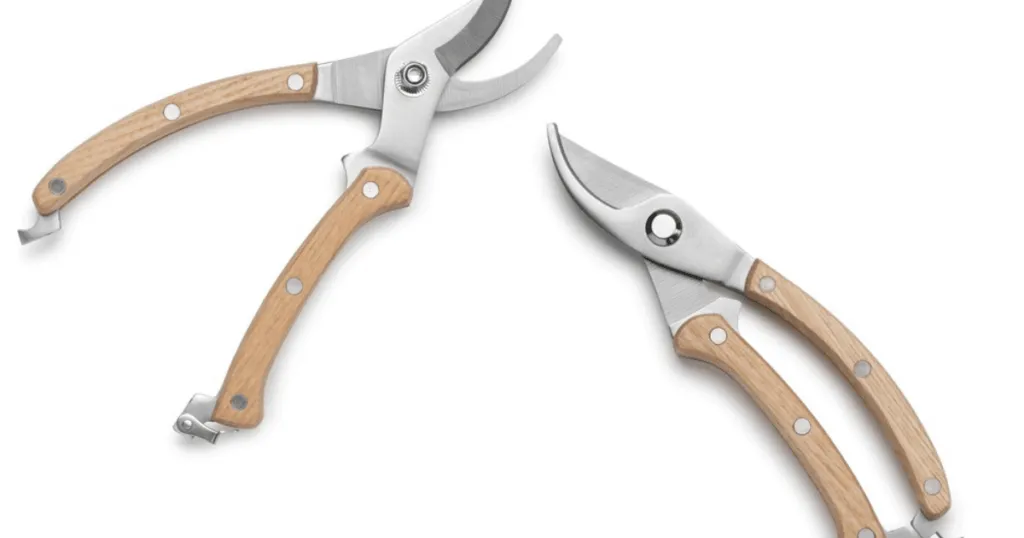
To improve your results, focus on the physical health of the cutting itself. A clean, sharp cut is non-negotiable. Using dull scissors or shears can crush the stem tissue, which not only slows down root formation but also creates an entry point for bacteria and decay. Always sanitize your tools with rubbing alcohol before and after every cut, especially when moving between different plants. This simple habit prevents the accidental spread of pests or pathogens across your entire office collection.
Another practical rule is to avoid overcrowding your propagation vessels. It is tempting to put multiple cuttings into one jar to save space on a desk, but this leads to competition for oxygen and nutrients. Each cutting needs adequate space for its roots to develop without tangling. If you are using soil for propagation, ensure the mix is light and airy. A heavy, dense potting soil will suffocate the new roots and lead to rot. Adding perlite or coarse sand to your soil mix will improve drainage and aeration, which are essential for healthy root development in indoor containers.
Finally, patience is your best tool. It is common to feel anxious when a cutting does not show immediate progress. However, forcing the process by over-watering or over-fertilizing is a recipe for failure. Once you have placed your cutting in a suitable environment, let it be. Check the moisture levels of the soil or the clarity of the water, but avoid moving the cutting or disturbing the base. Most plants will take several weeks to show significant root growth. If the leaves remain firm and green, the plant is likely working hard beneath the surface. Trust the process and wait until the root system is substantial enough to support the plant before considering a permanent move to a larger pot.
FAQ
Why do my office plant cuttings rot instead of rooting?
Rot is almost always caused by too much moisture and not enough oxygen. In an office, this often happens because the soil is too dense or the water is not changed frequently enough. Ensure your propagation medium is well-aerated, such as using a mix of soil and perlite, and avoid keeping the medium soaking wet. If water propagating, ensure the water remains clear and oxygenated by changing it at least once a week.
Should I use rooting hormone to speed up the process?
Rooting hormone can be helpful, especially for woody stems or slow-rooting species, but it is not a magic solution. If you use it, apply a thin layer to the cut end of the stem before placing it in the medium. Avoid over-applying, as this can sometimes cause the stem to burn. For most common office plants like pothos or philodendron, healthy conditions and patience are usually sufficient without the need for chemical aids.
How do I know when a cutting is ready to be potted in soil?
A common propagation mistake to avoid is moving a cutting to soil too early. Wait until the roots are at least two to three inches long and have secondary roots branching off the main ones. If you move them when the roots are just tiny nubs, the plant will struggle to transition to the drier, more complex environment of soil. A robust root system is the best indicator that the plant is ready for its permanent home.