In a busy office environment, plants often remain in the same container for years. While a full repotting is sometimes necessary for root health, you can often extend the life of your potting mix by simply refreshing the top layer. Knowing how often to refresh topsoil without full repotting is a key skill for office managers who need to maintain professional-looking greenery without the mess and disruption of a complete soil overhaul.
Refreshing the topsoil, often called top-dressing, involves removing the top one to two inches of old, depleted substrate and replacing it with fresh, nutrient-rich potting mix. This process helps address common office plant issues like mineral salt buildup from tap water, soil compaction caused by frequent watering, and the gradual loss of essential organic matter. By focusing on this top layer, you can provide a quick boost to your plants without disturbing the delicate root systems that have established themselves in the lower portion of the container.
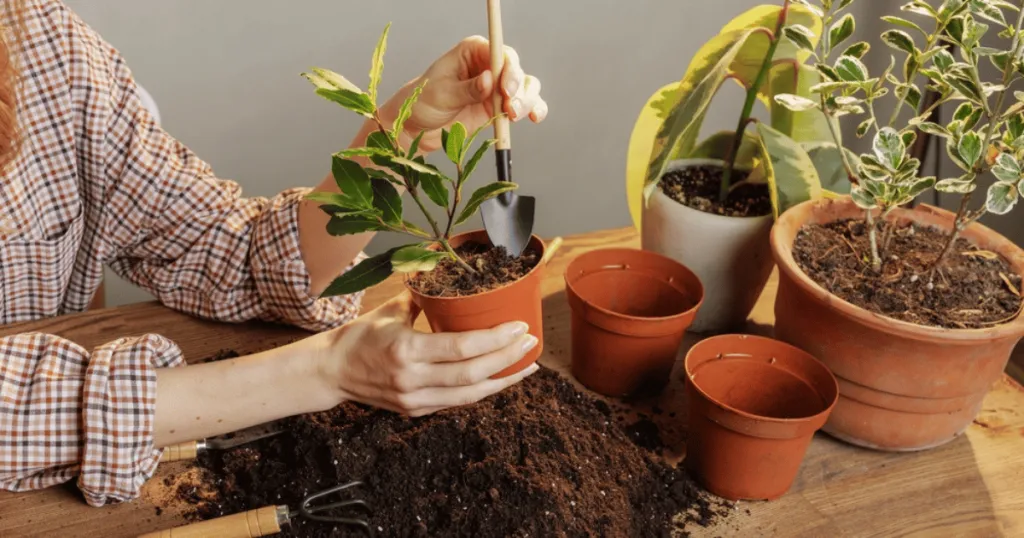
Determining Your Refresh Schedule
For most indoor office plants, a topsoil refresh is best performed once every six to twelve months. However, this is not a one-size-fits-all timeline. The frequency depends heavily on the specific environmental stressors present in your workspace. If your office uses hard water, mineral deposits will accumulate on the surface of the soil much faster, potentially requiring a refresh every six months to prevent root burn. Conversely, if you use filtered water and the plant is a slow-growing variety, you may only need to address the topsoil once a year.
You should also look for physical indicators that suggest it is time to act. If the soil surface appears crusty, white, or powdery, those are mineral salts. If the water sits on the surface for a long time before soaking in, the soil has likely become hydrophobic or compacted. In these cases, waiting for a calendar date is less effective than responding to the plant’s immediate needs. Always prioritize these visual cues over a rigid schedule to ensure the plant remains healthy throughout the year.
Factors Influencing Soil Degradation
- Water Quality: High mineral content in tap water leads to salt crusting, which requires more frequent surface removal.
- Airflow and Humidity: HVAC systems often create dry, low-humidity conditions that accelerate the breakdown of organic soil components.
- Plant Growth Rate: Fast-growing species consume nutrients from the soil surface more rapidly than slow-growing succulents or sansevieria.
- Lighting Exposure: Plants in high-light areas near windows photosynthesize more and require more frequent nutrient replenishment compared to those in low-light cubicles.
Practical Steps for a Clean Refresh
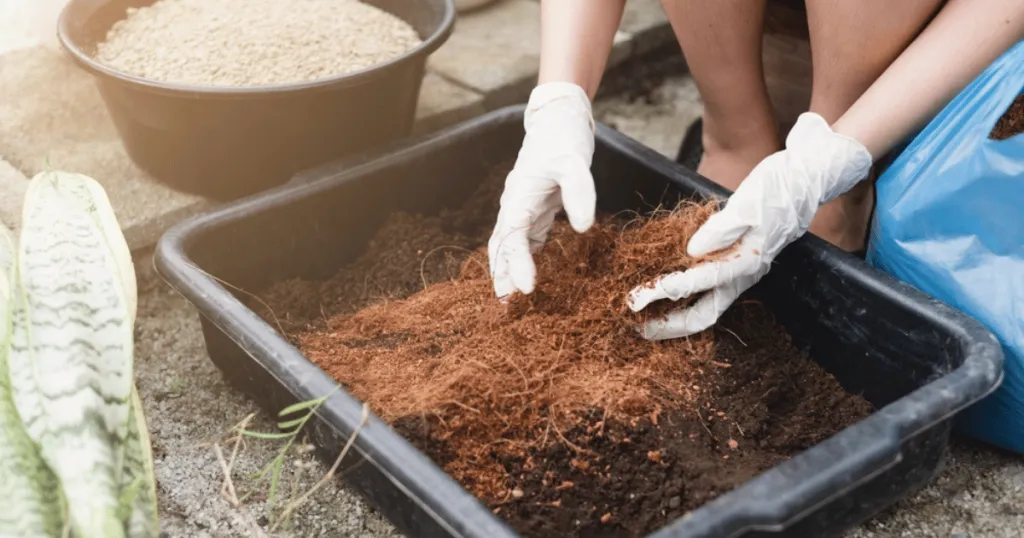
Performing a topsoil refresh is a straightforward task that requires minimal tools. Begin by gently scraping away the top one to two inches of existing soil using a small hand trowel or even a sturdy plastic spoon. Be careful not to dig deep enough to damage the primary root ball. If you encounter thick, matted roots near the surface, stop immediately, as this is a sign that the plant is truly root-bound and requires a full repotting rather than a simple refresh.
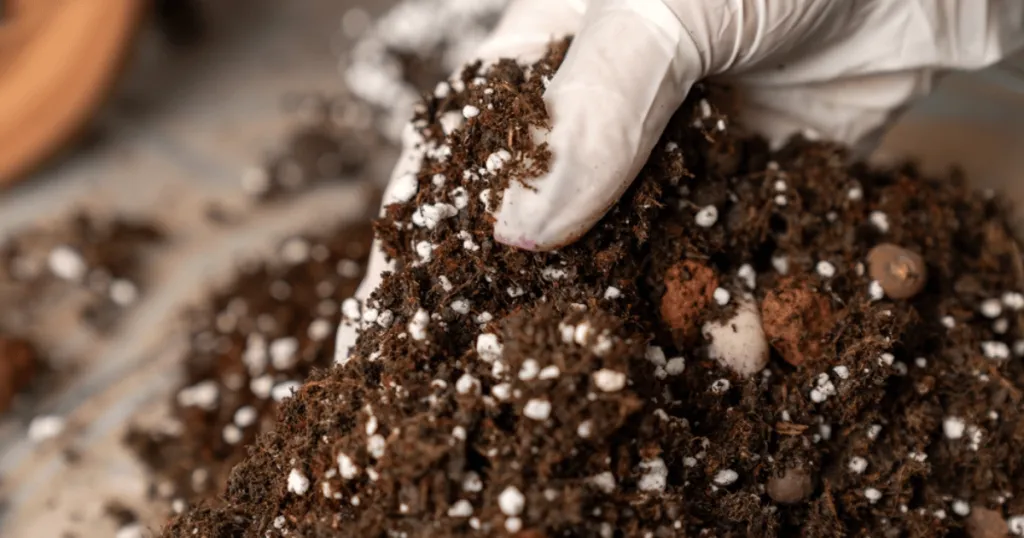
Once the old soil is removed, fill the space with a high-quality, sterile indoor potting mix. Avoid using garden soil, which can introduce pests or pathogens into your office space. Gently press the new soil down to ensure good contact with the remaining substrate, but avoid packing it so tightly that you restrict airflow. After adding the fresh mix, give the plant a light watering to help the new soil settle and integrate with the existing root zone.
The Science of Substrate Aeration and Nutrient Depletion
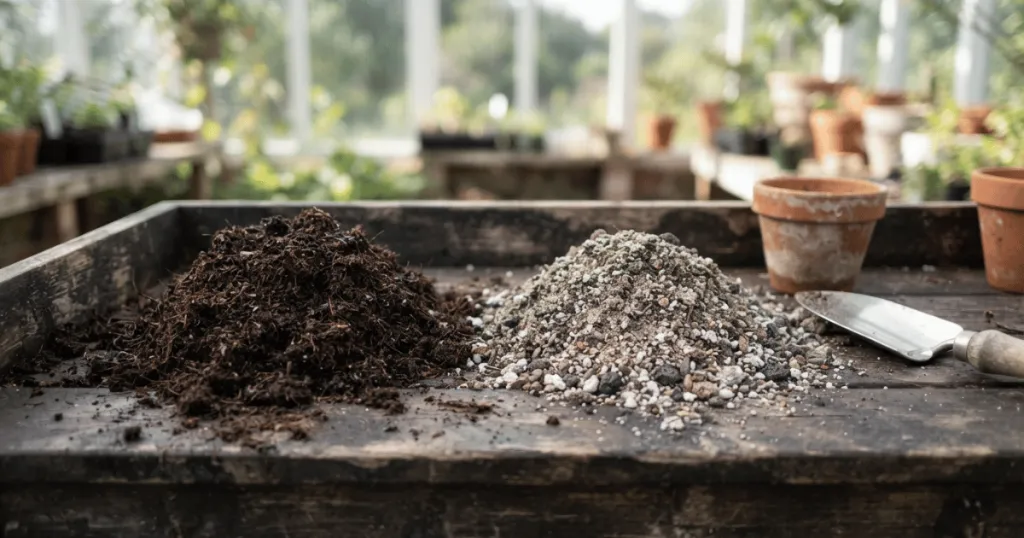
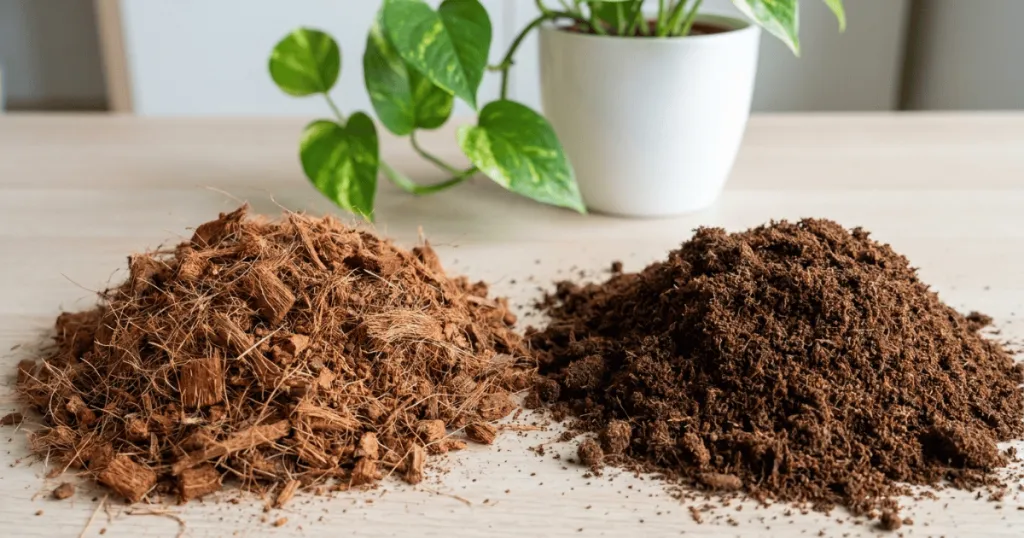
Understanding why top-dressing works requires looking at the physical structure of the potting medium. Over time, the organic components in peat-based or coco-coir-based mixes break down, leading to a loss of porosity. This process, known as substrate aeration loss, makes it difficult for oxygen to reach the root system. In an office setting, where plants are often in stationary containers, this compaction is exacerbated by the weight of the soil itself and the repeated cycles of wetting and drying. By replacing the top layer, you introduce fresh, airy material that improves the gas exchange at the surface, which is vital for overall plant vitality.
Furthermore, nutrient depletion is not uniform throughout the pot. As you water, nutrients are often leached downward or absorbed by the roots near the surface. When you add fresh soil, you are essentially replenishing the immediate reservoir of minerals that the plant relies on for new growth. This is particularly important for office plants that are not regularly fertilized, as the top-dressing acts as a slow-release nutrient source that sustains the plant through its growth cycles.
Managing Office-Specific Environmental Stressors
Office environments present unique challenges that differ significantly from home gardening. The constant, regulated temperature of an HVAC system keeps plants in a state of perpetual growth or stasis, depending on the season. This means that the soil is constantly being worked, even if the plant appears dormant. The lack of natural ventilation in many office buildings means that moisture remains trapped in the lower levels of the pot longer than it would in a home environment. Consequently, the top layer of soil is often the only part of the container that dries out sufficiently to prevent root rot.
When you refresh the topsoil, you are also managing the biological health of the container. If you notice a musty smell or a slight film on the surface, it may be an indication of fungal growth or stagnant moisture. Removing this layer and replacing it with fresh, dry mix can help reset the surface environment, preventing the spread of mold or other pathogens that thrive in the stagnant air of a cubicle or meeting room. Always ensure that the new mix is slightly drier than the existing soil to help wick away excess moisture from the surface.
Strategic Timing: When to Avoid Refreshing
While top-dressing is a beneficial maintenance practice, there are times when it is best to avoid it. If your plant is currently in a state of severe stress – such as after a sudden change in lighting or a period of extreme underwatering – wait until the plant shows signs of recovery before disturbing the soil. Additionally, avoid refreshing the topsoil during the peak of winter if your office is particularly cold or if the plant is a variety that enters a strict dormancy period. During these times, the root system is less active, and the risk of the new, moist soil causing root issues is higher. Focus instead on cleaning the leaves and monitoring water levels until the spring growth flush begins.
Common Pitfalls to Avoid
One common mistake is adding fertilizer directly to the topsoil during a refresh. While it seems logical to boost nutrients, fresh potting mix usually contains its own starter fertilizer. Adding more can lead to nutrient toxicity, which manifests as brown leaf tips or yellowing foliage. Wait at least four to six weeks after refreshing the topsoil before applying any supplemental liquid fertilizer. This allows the plant to adjust to the new environment without being overwhelmed by an excess of salts.
Another error is failing to address the underlying cause of soil degradation. If your soil is constantly compacting, you may be using the wrong type of mix for your specific plant. For instance, cacti and succulents require a gritty, well-draining medium, while leafy tropicals prefer something that retains more moisture. If you find yourself needing to refresh the topsoil every three months, it is a clear signal that the soil structure itself is failing and a full repotting with a more appropriate substrate is the better long-term solution.
Maintaining Soil Health in the Office
Beyond the periodic refresh, you can maintain soil quality by being mindful of how you water. Pouring water directly onto the soil surface rather than splashing it on the leaves helps reduce mineral buildup. Additionally, if you notice the soil pulling away from the edges of the pot, it is a sign that the soil has shrunk and lost its ability to hold water effectively. While a top-dressing helps, this is often a sign that the entire root ball has become too large for the container. In such instances, prioritize a full repotting to ensure the plant continues to thrive in your office space.
Finally, consider the long-term impact of your maintenance routine. By keeping a log of when you refresh the topsoil for each plant, you can create a preventative plant care schedule that keeps your office greenery looking professional and vibrant. This proactive approach reduces the need for emergency interventions and ensures that your plants remain a positive feature of the workplace for years to come.
FAQ
Can I use compost when refreshing topsoil in an office?
We generally advise against using standard outdoor compost for office plants. Compost can harbor fungus gnats, mites, or other pests that thrive in the warm, stable temperatures of an office. Stick to sterile, bagged indoor potting mixes to keep your workspace clean and pest-free.
How do I know if the plant needs a full repotting instead of just a topsoil refresh?
If you see roots growing out of the drainage holes or circling the surface of the soil, a refresh will not be enough. A plant that dries out within a day or two of watering despite a proper soil mix is also likely root-bound and needs a larger container.
Does the type of pot affect how often I should refresh the topsoil?
Yes. Plants in unglazed terracotta pots often experience faster mineral buildup on the surface because the pot is porous and wicks moisture. You may find that plants in terracotta require a topsoil refresh slightly more often than those in glazed ceramic or plastic containers.