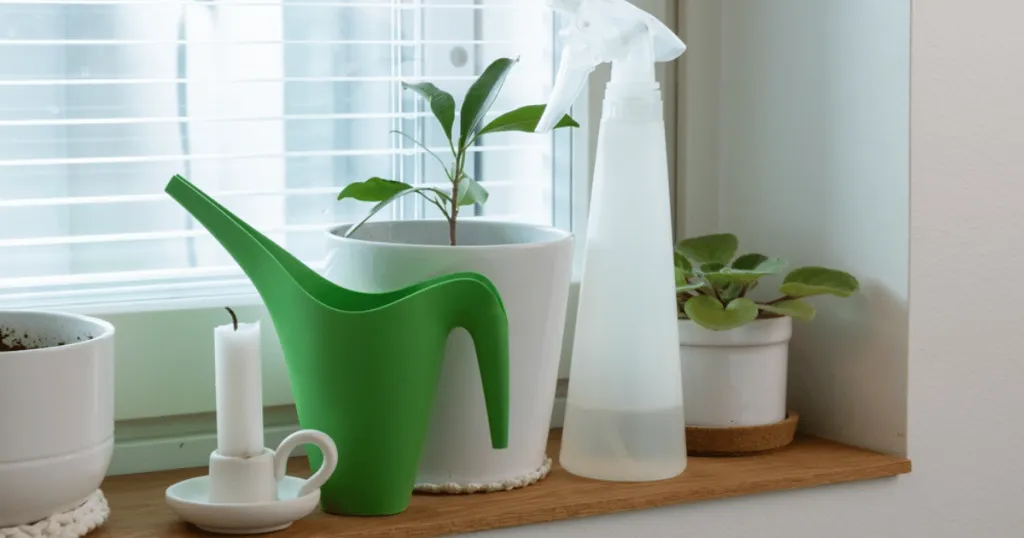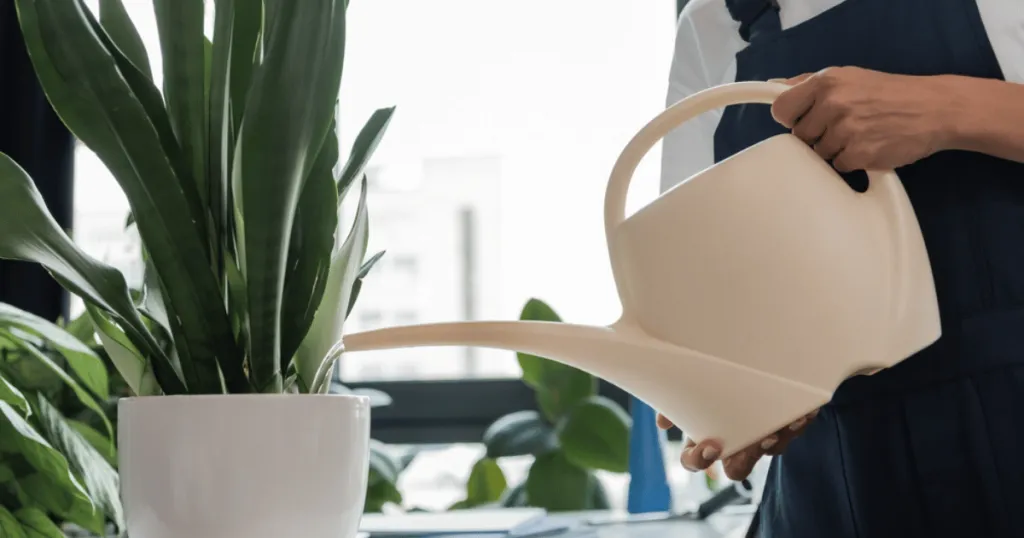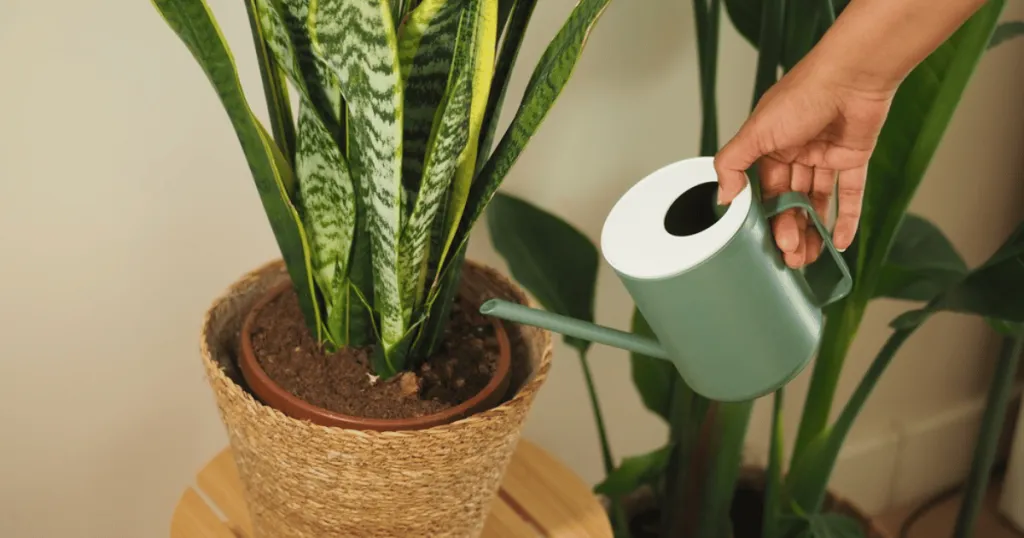
When comparing tap vs distilled vs rainwater for office plants, office managers often grapple with a persistent misconception: the assumption that any water safe for human consumption is automatically ideal for indoor botanical specimens. In reality, municipal drinking water undergoes chemical processing designed for human digestion, not potted root systems confined to small ceramic containers under artificial office lighting.
Because indoor office foliage lacks the benefit of natural rain cycles and deep soil drainage, the chemical composition of your chosen watering source directly dictates long-term plant vitality. Understanding how municipal treatments, purification methods, and atmospheric collection interact with office microclimates helps prevent root stress, leaf necrosis, and soil salinization before they compromise your workplace greenery.
The Short Version
Tap water suits hardy office plants if treated for chlorine, while distilled water prevents mineral burn in sensitive species, and rainwater offers a balanced, mineral-free alternative for peak vitality.
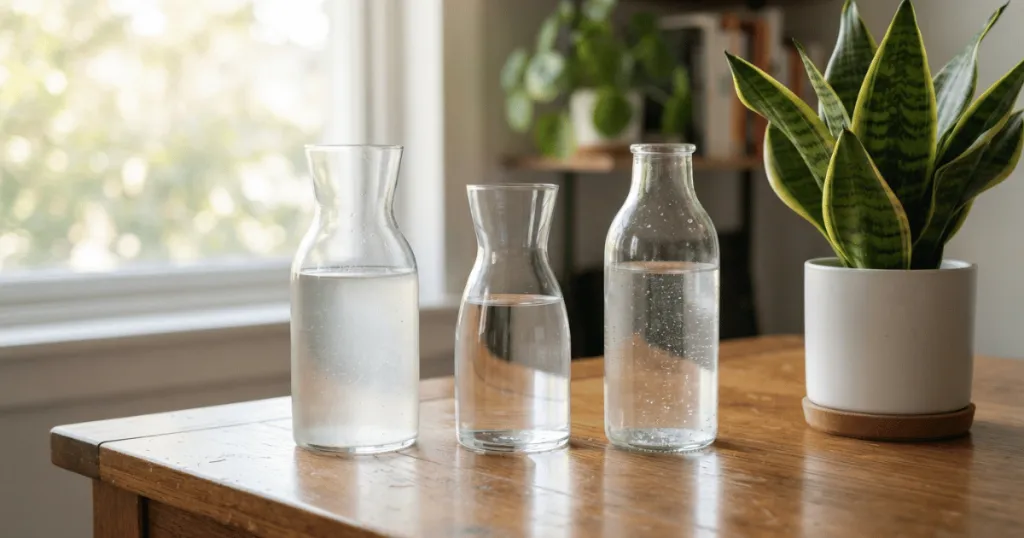
At-a-Glance Comparison of Office Water Sources
Choosing the right hydration method for your workspace vegetation starts with understanding the chemical profile of what comes out of your watering can. Municipal tap water typically contains dissolved minerals, fluoride, and disinfectants like chlorine or chloramines, which vary significantly by municipal district. Distilled water undergoes a boiling and condensation cycle that strips away virtually all minerals, salts, and chemical residues, resulting in chemically pure H2O. Rainwater, captured directly from the atmosphere, provides a naturally soft, slightly acidic hydration source free of chemical water treatments, though its cleanliness depends heavily on collection methods.
In a typical office setting, these chemical differences translate directly into physical plant health over time. Hard municipal water leaves a crusty white residue on the soil surface and container rims, signaling salt accumulation that can scorch delicate roots. Distilled water avoids this buildup completely, but its absolute lack of calcium and magnesium can starve plants if they rely entirely on soil for micronutrients. Rainwater mimics the natural precipitation that wild species prefer, yet gathering it for a commercial office environment introduces logistical hurdles. Weighing these three options against your specific office layout, plant species, and maintenance routine prevents long-term botanical decline.
| Water Source | Mineral Content | Chemical Additives | Primary Office Risk | Best Suited For |
|---|---|---|---|---|
| Tap Water | Moderate to High (Calcium, Magnesium) | Chlorine, Chloramines, Fluoride | Salt buildup and tip burn | Hardy low-light species |
| Distilled Water | None (0 ppm TDS) | None | Mineral leaching from soil | Sensitive tropicals (Calathea, Ferns) |
| Rainwater | Very Low (Trace atmospheric dust) | None (unless polluted) | Inconsistent supply / storage odor | General office use where collectible |
Deep Dive Into Municipal Tap Water
Municipal tap water remains the default choice for most workplaces due to sheer convenience. Breakroom faucets provide an endless, inexpensive supply that requires no special equipment or storage containers. However, municipal water treatment facilities add various compounds to make water safe for human consumption, and these additives do not always align with optimal plant care. Chlorine and chloramines are standard disinfectants used to kill bacteria in city pipes. While small amounts evaporate or break down quickly, chloramines persist longer and can accumulate in confined office pots, potentially damaging sensitive root hairs over successive watering cycles.
Beyond treatment chemicals, tap water often carries a high total dissolved solids count, commonly referred to as hard water. Minerals such as calcium bicarbonate and magnesium bind to the soil matrix and gradually elevate pH levels. In an office environment where potted plants rarely experience heavy flushing from deep watering rains, these dissolved salts form a hard crust on top of the potting mix. For resilient varieties like Snake Plants or ZZ Plants, moderate mineral levels rarely cause acute issues. For delicate foliage like prayer plants or spider plants, tap water frequently triggers brown, crispy leaf tips that detract from professional workplace aesthetics.
Managing tap water successfully in an office requires a few practical adjustments. Allowing water to sit in an open container for twenty-four hours lets dissolved chlorine gas dissipate into the air, though this method does not remove chloramines or heavy mineral salts. Office managers overseeing large arrangements should also consider periodic soil leaching, which involves running distilled or purified water completely through the pot to flush out accumulated municipal salts before they cause root lock.
Evaluating total dissolved solids in municipal supplies also highlights regional disparities that impact workplace plants. Water hardness varies drastically between municipal districts, meaning an office in a hard-water region experiences salt crusting much faster than one supplied by soft mountain reservoirs. Facility managers must observe how quickly white powdery rings form on container edges, as this visual cue indicates whether standard tap water requires modification or dilution with purified alternatives over extended maintenance cycles.
Deep Dive Into Distilled Water
Distilled water represents the pinnacle of purity for indoor horticulture. Through the thermal process of distillation, liquid turns to steam, leaving behind all minerals, heavy metals, microbial contaminants, and chemical additives, before condensing back into a pristine state. For office workers managing finicky tropical specimens in reception areas or executive boardrooms, distilled water offers complete peace of mind against chemical burn and mineral toxicity. It contains zero parts per million of dissolved solids, ensuring that nothing artificial enters the root zone.
Despite its pristine nature, using pure distilled water exclusively comes with subtle trade-offs that many office managers overlook. Because it contains no dissolved minerals, distilled water acts like a biological sponge as it moves through the potting medium. Over time, it can leach essential calcium and magnesium directly out of the soil and plant tissues through osmotic pressure. Furthermore, purchasing bottled distilled water or installing an office distillation unit adds ongoing operational expenses and requires storage space, which contradicts the low-maintenance goals of most commercial workspaces.
In practice, distilled water shines brightest as a targeted intervention rather than an across-the-board solution. It is exceptionally useful for sensitive plants prone to fluoride toxicity, such as dracaenas and certain palms, which manifest chemical sensitivity through severe leaf tip necrosis. If your office features high-end decorative planters that cannot be easily moved to a sink for a thorough soil flush, alternating between a mild purified source and standard tap water helps maintain a balanced root environment without driving up supply costs.
When implementing distilled water regimens, workplace maintenance teams should account for the absence of natural buffering agents. Because pure H2O lacks mineral buffers, rapid shifts in soil acidity can occur if organic fertilizers or commercial feed solutions are applied incorrectly. Balancing pure distilled hydration with balanced micronutrient delivery ensures that plants in climate-controlled offices do not suffer from hidden nutritional deficiencies while avoiding the toxic buildup associated with untreated municipal supplies.
Deep Dive Into Rainwater
Rainwater is naturally soft, slightly acidic, and entirely devoid of the chemical treatments and high mineral loads found in tap water. It provides an ideal hydration profile that closely mimics natural precipitation, making it exceptionally compatible with almost all indoor office foliage. Plants that struggle with the alkaline pH or heavy calcium deposits of municipal water often rebound remarkably when switched to a natural precipitation supply. The slight acidity helps unlock micronutrients in the soil, allowing roots to absorb iron and other vital elements more efficiently.
Collecting and utilizing rainwater in a commercial office setting, however, introduces distinct logistical challenges. Unless your workplace building features an integrated commercial greywater or rainwater harvesting system, gathering enough precipitation requires outdoor collection barrels, which may not be feasible for high-rise corporate offices or urban workspaces. Additionally, stagnant standing water can harbor mosquito larvae, algae, and airborne fungal spores if not tightly sealed and treated. Urban rainwater can also carry atmospheric pollutants, soot, and particulate matter swept down from city roofs and HVAC exhaust vents.
Using rainwater successfully indoors demands careful sourcing and basic filtration. If you maintain outdoor green spaces or corporate campus courtyards where collection barrels are practical, letting the first few minutes of a storm wash away rooftop debris before collecting clean runoff is a standard best practice. Screening collection vessels tightly and using the water within a week prevents stagnant odors from permeating the workplace, ensuring your office plants receive pure hydration without any unpleasant side effects.
Analyzing collection mechanics further, urban air quality plays a decisive role in rainwater safety. Industrial fallout, particulate matter from vehicular traffic, and chemical residues from commercial roofing materials can introduce unwanted contaminants into unwashed collection setups. Office facilities located in dense urban cores must exercise extreme caution, whereas corporate campuses situated in suburban or rural green spaces can capture remarkably clean precipitation that revitalizes indoor specimens without chemical risks.
Feature-by-Feature Comparison
Evaluating water sources across specific operational metrics clarifies how tap, distilled, and rainwater perform under real-world office conditions. Water chemistry, mineral impact, convenience, and cost all influence which option integrates smoothly into your daily workplace routine.
Chemical Additives and Disinfectants
Municipal tap water contains active disinfectants designed for human safety. Chlorine evaporates relatively easily when water sits out overnight, but chloramine requires specialized chemical neutralizers or carbon filtration. Distilled water and clean rainwater contain zero added disinfectants, eliminating any risk of chemical shock to delicate root systems.
Mineral Accumulation and Soil Salinity
Tap water leaves behind mineral deposits that raise soil pH and cause crusting. Distilled water adds nothing to the soil, though it can eventually deplete existing soil reserves if used exclusively over long periods. Rainwater delivers a balanced, low-mineral profile that prevents salt accumulation while maintaining optimal soil chemistry.
Practical Convenience in a Workplace Setting
Tap water wins decisively on pure accessibility, requiring only a trip to the nearest breakroom or restroom sink. Distilled water requires purchasing jugs, storing them in supply closets, or managing countertop filtration units. Rainwater is the least convenient for standard office environments, demanding dedicated outdoor collection systems and careful indoor transport.
Cost and Long-Term Operating Impact
Tap water is practically free, costing fractions of a cent per gallon. Distilled water incurs continuous retail or filtration replacement costs that accumulate across large office plant inventories. Rainwater is free to collect if infrastructure is present, but installation and maintenance costs for collection systems can be high.
Best Use Cases for Each Water Type
Matching the correct water type to your specific office environment prevents wasted effort and keeps your workplace greenery thriving with minimal hassle. Different departments, lighting setups, and plant inventories demand tailored approaches.
| Office Scenario | Recommended Water Source | Why It Fits |
|---|---|---|
| Large open office with hardy low-light plants (Pothos, ZZ Plants) | Aged Tap Water | Resilient species tolerate minerals well, and breakroom sink access keeps maintenance fast and free. |
| Executive boardroom with sensitive tropicals (Calathea, Peace Lilies) | Distilled Water | Prevents unsightly brown tips and chemical leaf scorch, protecting premium aesthetic standards. |
| Corporate campus or eco-certified office with green grounds | Filtered Rainwater | Leverages existing outdoor collection infrastructure to provide chemical-free, soft hydration. |
| Busy startup with high staff turnover and basic care routines | Tap Water (with occasional flushing) | Removes complex decision-making from staff watering duties while preventing total neglect. |
Understanding these scenarios helps facility managers establish clear guidelines for staff members who water office vegetation on a rotating schedule. When everyone follows a single standard tailored to the building’s specific plant inventory, botanical health stabilizes across all departments.
Which One Should You Choose?
Choosing the optimal water source for your workplace comes down to balancing plant sensitivity against staff workflow realities. In most standard office environments, aged tap water provides an entirely acceptable solution for resilient, low-maintenance foliage. If your office features resilient pothos, philodendrons, and snake plants, overthinking water chemistry is rarely necessary. Letting tap water sit in a pitcher overnight to vent off chlorine gases is usually more than enough to keep these durable varieties healthy.
However, if your workplace invests in high-end, finicky tropical specimens for client-facing reception areas, switching to distilled water or filtered water is a worthwhile operational upgrade. Brown, scorched leaf tips destroy the crisp, professional aesthetic that office plants are meant to provide. For companies with sustainability initiatives and outdoor grounds access, collecting rainwater offers an ideal middle ground of chemical-free purity, provided collection vessels are managed properly to avoid odors or insect breeding.
A common mistake facility managers make is treating all office plants as if they require identical care. In practice, a mixed indoor plant inventory benefits from a hybrid approach. Use accessible tap water for hardy floor plants in open-plan bullpens, and keep a few jugs of distilled water specifically for dedicated tabletop ferns or sensitive dracaenas in private offices. This pragmatic strategy protects your botanical investment without turning basic plant care into an administrative burden.
FAQ
Can office plants be watered directly from a filtered office water cooler?
Water coolers using reverse osmosis or carbon filtration provide an excellent option for office plants. These systems remove heavy chlorine and reduce mineral loads significantly compared to direct tap water, making them a safe middle ground for sensitive species.
Does letting tap water sit overnight actually remove chloramines?
No. While sitting out overnight allows standard chlorine gas to evaporate, modern municipal disinfectants often include chloramines, which do not off-gas easily. If your local utility uses chloramines, sitting water out will not neutralize them without chemical drops or carbon filtration.
How do you know if tap water is damaging your office plants?
Visual indicators include a crusty white mineral ring around the soil surface, white powdery buildup on the container rim, and progressive brown, crispy leaf tips. These signs point directly to salt accumulation from hard municipal water supplies.
Is bottled spring water a good alternative for office plants?
Bottled spring water is generally discouraged because it often contains high levels of dissolved minerals and salts similar to hard tap water, which can accelerate soil salinization in indoor pots lacking deep rain drainage.