Are your desk plant leaves turning brown at the tips while the rest of the foliage looks completely fine? Before you assume the worst, check your tap water container or the HVAC vent blowing directly across your workspace. Office environments present unique hurdles for resilient houseplants, and diagnosing spider plant problems early prevents minor cosmetic damage from turning into a full decline.
While these popular office specimens adapt well to fluorescent lighting and average indoor temperatures, subtle shifts in indoor humidity or inconsistent watering schedules quickly trigger visible distress. A systematic troubleshooting approach helps you identify the root cause immediately without wasting time on ineffective remedies.
Short Answer
Most spider plant problems stem from tap water sensitivity, inconsistent moisture levels, or dry HVAC air rather than lack of light. Flush the soil with filtered water, let the top inch dry between waterings, and trim brown tips with clean shears to restore health.
Quick Checks and Fast Fixes
When an office plant starts looking stressed, jumping straight to repotting or heavy pruning often makes things worse. Start with a rapid visual scan of the growing environment to rule out immediate environmental shock. Look at where the container sits relative to air vents, windows, and overhead light fixtures in your open office or private workspace.
If the potting mix feels bone dry down to your second knuckle, a thorough soak is your fastest intervention. Conversely, if the soil feels soggy and smells stale, stop watering immediately and inspect the drainage holes. Never let the container sit in a saucer of standing water over a weekend, as stagnant moisture is the primary driver of root rot in indoor office settings where evaporation rates are lower than in greenhouses.
Office managers and desk workers frequently misdiagnose lighting issues when the real culprit is airflow. Heating, ventilation, and air conditioning systems circulate dry air that rapidly dehydrates delicate leaf margins. Before rearranging your entire cubicle for more light, feel the air currents around the container during peak operational hours. Analyzing airflow patterns helps determine whether the foliage is experiencing windburn or rapid desiccation.
Furthermore, consider the temporal shifts in your office environment. Buildings often drop ambient temperatures overnight and during weekends to conserve energy. These temperature fluctuations alter how the potting mix retains moisture, meaning a watering schedule that works during a bustling Wednesday afternoon might oversaturate the container by Sunday evening. Documenting these physical variables provides clear decision guidance when tracking down chronic plant stress.
Symptom Diagnosis Guide
Different symptoms point directly to specific environmental stressors. Use this overview to match what you see on your desk plant to the correct corrective action.
| Visible Symptom | Likely Cause | Fast Corrective Action |
|---|---|---|
| Brown leaf tips | Fluoride buildup or low humidity | Switch to filtered water and trim dead tips |
| Yellow lower leaves | Overwatering or poor drainage | Let soil dry out; check root health |
| Stalled runner production | Insufficient light intensity | Move closer to an east window or brighter LED fixture |
| Limp, drooping foliage | Underwatering or heat stress | Water deeply until it drains freely |
Fixing the Most Common Issues
Addressing the top physical symptoms requires targeted changes in your weekly routine. Understanding the mechanics behind each issue ensures your corrections actually work in commercial workspaces.
Brown Leaf Tips and Fluoride Accumulation
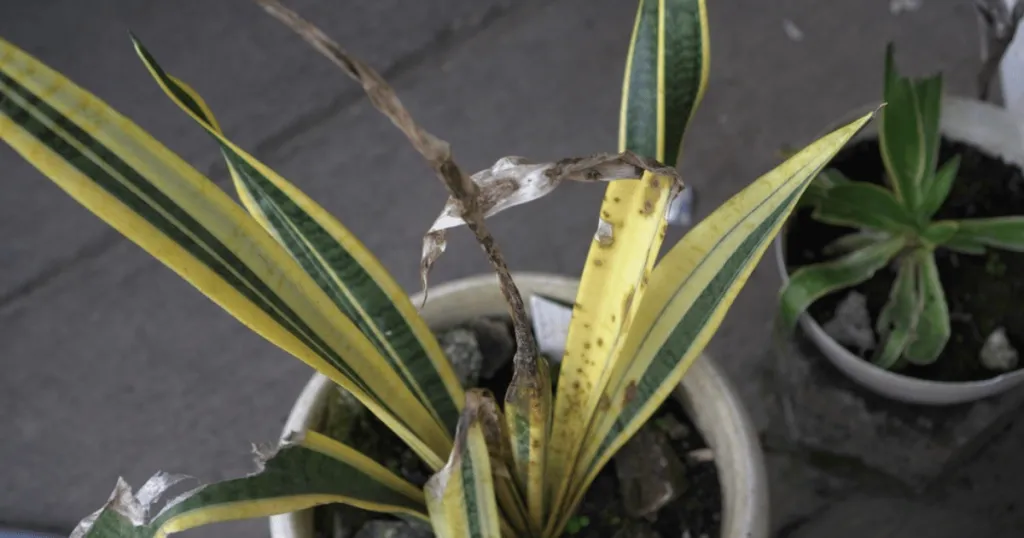
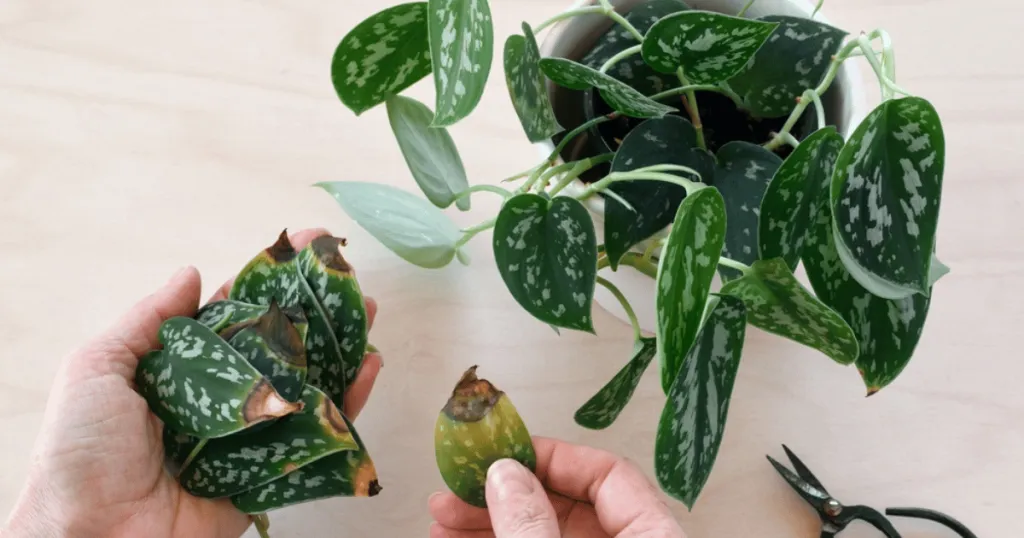
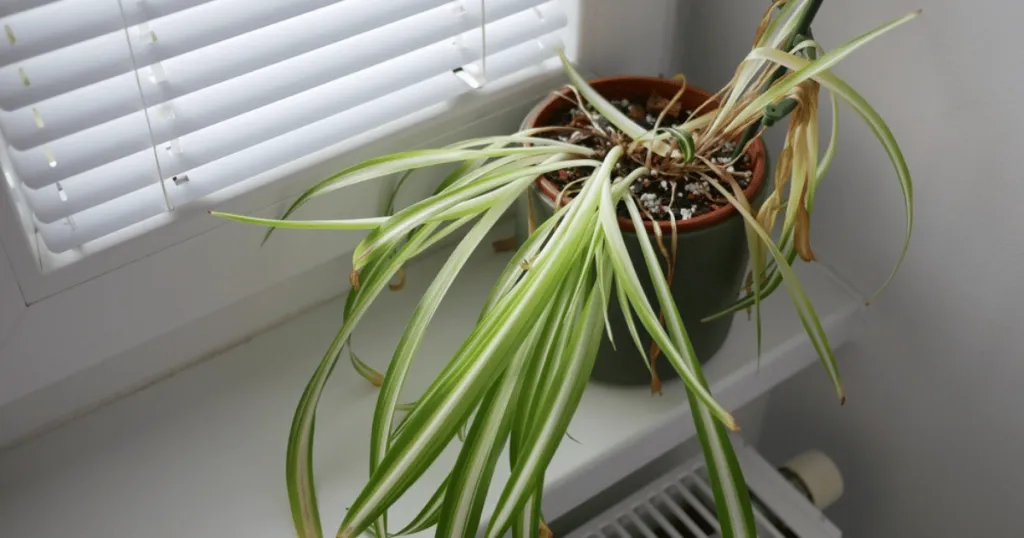
Crispy brown tips are the single most frequent complaint among workplace growers. Municipal tap water often contains fluoride and chlorine, which accumulate in the leaf tips over time and cause tissue necrosis. This is a chemical burn rather than a disease, making it purely cosmetic yet unsightly. Switch to distilled water, reverse osmosis water, or let tap water sit out overnight in an open pitcher before using it. When trimming the brown edges, cut at a natural angle along the contour of the leaf using sharp shears, leaving a tiny margin of brown so you do not wound the living green tissue.
In practice, office water coolers equipped with filtration systems provide a convenient source of safe water for desk plants. Avoid using softened water systems that exchange minerals for sodium, as high sodium levels prove toxic to container-grown vegetation over extended periods. Office managers should note that relying on standard tap water without allowing chemicals to off-gas will perpetuate tip burn regardless of how meticulously the watering schedule is maintained.
Evaluating the chemical composition of your water source is a foundational step in indoor plant care. When mineral salts build up in confined root zones, the plant’s ability to transpire and absorb essential nutrients is impaired. Periodic flushing of the soil with pure, unmineralized water helps leach out excess salts before they cause severe cellular damage along the leaf margins.
Yellowing Foliage and Overwatering Dynamics
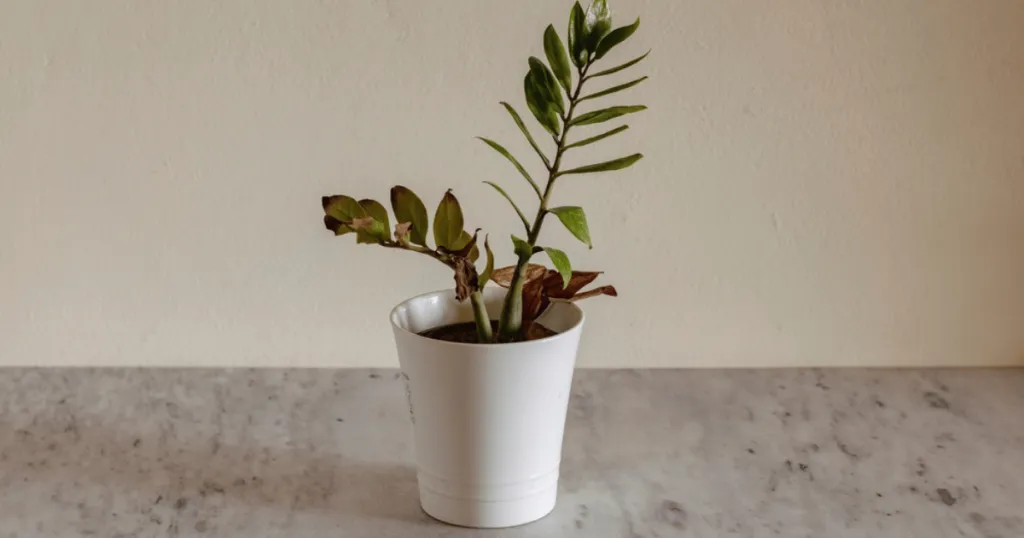
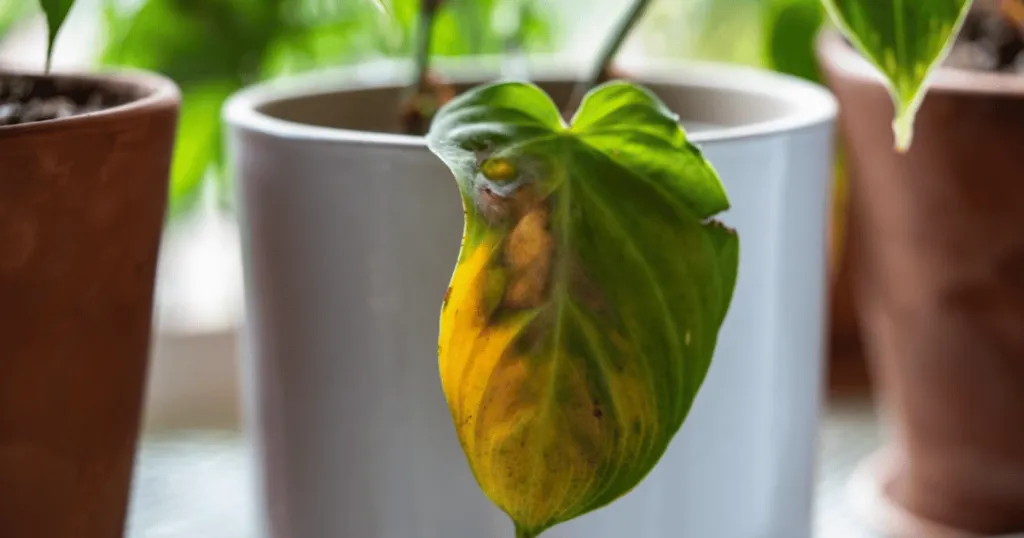
Lower leaves turning yellow usually indicate that the root system is staying too wet. In an office setting, lower light levels mean plants transpire slower and drink less water than they would in a greenhouse or sunroom. If you water on a strict calendar schedule instead of checking soil moisture, the roots suffocate in a lack of oxygen. Let the top inch of potting soil dry completely before your next watering session. Ensure the nursery pot has working drainage holes so excess moisture escapes rather than pooling at the bottom of the decorative cachepot.
When weekend building maintenance cycles alter indoor temperatures, soil evaporation rates drop further. Office workers returning on Monday should always test the media with a finger rather than assuming Friday’s moisture level remains unchanged. Dealing with an overwatered spider plant requires immediate curtailment of moisture inputs and an inspection of the root ball to ensure decay has not taken hold.
Understanding the balance between air space and water retention in the potting mix is vital. Heavy, compacted soils retain water far too long under typical office lighting arrays. Incorporating perlite or coarse sand into a light peat-based medium prevents compaction and ensures adequate oxygen reaches the roots, mitigating chronic yellowing issues.
Drooping Stems and Underwatering Cycles
When the entire plant loses its upright posture and feels surprisingly lightweight, it has gone too long without moisture. Office HVAC systems create dry, moving air currents that speed up moisture loss from both the leaves and the soil surface. Soak the root ball thoroughly by running water through the pot until it flows out the bottom, then let it drain completely. Avoid letting the potting mix dry out completely for extended periods, as extreme drought damages the fine feeder roots required for nutrient uptake.
Establish a reliable routine by tying your plant check to a weekly administrative task, such as reviewing Monday morning emails. This simple habit bridges the gap between active workdays and quiet weekends. Consistent moisture monitoring prevents the pendulum from swinging between drought stress and waterlogged stagnation.
In practice, office spaces experience dramatic fluctuations in relative humidity between occupied and unoccupied hours. When heating systems cycle on overnight, moisture levels plummet, accelerating transpirational pull on unwatered foliage. Recognizing this limitation helps desk workers anticipate plant hydration needs before structural drooping occurs.
Advanced Troubleshooting and Less Common Concerns
If basic watering and water-quality adjustments do not resolve your spider plant problems, you may be dealing with secondary factors like pest pressure, nutritional imbalances, or physical crowding within the container.
Spider Mites in Dry Office Air
Low humidity paired with warm indoor heating creates ideal conditions for spider mites. These tiny pests weave fine webs between the leaf joints and suck sap from the foliage, causing a stippled, faded appearance. Wipe the leaves down with a damp microfiber cloth to remove dust and early pest colonies. Increasing ambient humidity or moving the plant away from direct forced-air vents discourages future infestations without requiring harsh chemical treatments in a shared office environment.
Regularly inspecting the undersides of leaves prevents minor pest populations from establishing a permanent foothold among office plants. Workplace wellness programs often overlook the biological health of desk vegetation, yet maintaining pest-free specimens contributes directly to a clean and visually appealing professional environment.
When dealing with persistent plant pests in confined office spaces, chemical sprays should be avoided to prevent unpleasant odors and potential sensitivities among coworkers. Instead, mechanical removal methods such as gentle washing under a faucet or wiping with insecticidal soap wipes provide an effective, odor-free alternative for indoor workspace management.
Root Bound Stress and Repotting
Thick, fleshy roots that push the plant out of its container or circle densely around the root ball will eventually slow down growth. When roots crowd the pot, the medium can no longer hold adequate moisture or nutrients, causing recurring drought symptoms despite frequent watering. Repot into a container just one size larger using a well-draining potting mix. Spring or early summer is the ideal time for this task, though you can repot at any time of year if root congestion is severe.
When selecting a new container for your desk or meeting room, choose a lightweight resin or plastic pot that fits inside a decorative outer cachepot for easy drainage management. Office managers supervising multiple desk installations should schedule routine root inspections annually to ensure specimens have not outgrown their vessels.
Ignoring root congestion leads to a rapid decline in vigor because the dense root mass physically displaces all available growing media. Without adequate soil volume, watering intervals shrink to unmanageable frequencies, resulting in constant moisture stress. Upgrading container size at the correct juncture restores balance to the root-to-shoot ratio and ensures sustained vitality.
Prevention Habits for Long Term Success
Establishing consistent maintenance habits prevents most recurring troubles before they start. Because office environments fluctuate in temperature and humidity between weekdays and weekends, a few simple safeguards keep plants stable.
Always test the soil moisture with your finger rather than relying on guesswork. If you work in a hybrid office where desks sit empty for days at a time, ensure your plants are not placed directly under hot air vents that run continuously. Adjust placement as seasonal sunlight shifts throughout the year. During winter, lower light levels require a reduction in watering frequency, while warmer summer months increase moisture demand.
Cleaning dust from the long leaves every few weeks improves light absorption under artificial office fixtures. This simple habit also lets you spot early signs of pests or nutritional issues before they spread across the foliage. Incorporating these steps into standard office plant maintenance routines ensures long-term decorative value without demanding excessive daily oversight.
Related Spider Plant Guides
FAQ
Are spider plants safe for office pets?
Yes, according to ASPCA guidance on pet safety, this species is non-toxic to cats and dogs, making it a worry-free choice for shared workspaces or pet-friendly offices.
Should I cut off all yellow leaves on my spider plant?
You can gently pull or snip away fully yellow or dead leaves at the base. Once a leaf turns completely yellow, it will not turn green again, and removing it helps redirect plant energy to new growth.
Why are my spider plant babies turning brown at the ends?
Baby plantlets on long runners share the same sensitivity to tap water minerals and low humidity as the mother plant. Misting them occasionally or switching to filtered water prevents tip burn.
Can spider plants recover from severe root rot?
Recovery depends on how much healthy root tissue remains. Trim away dark, mushy roots with sterilized shears, wash the remaining root system, and repot in fresh, dry potting soil.