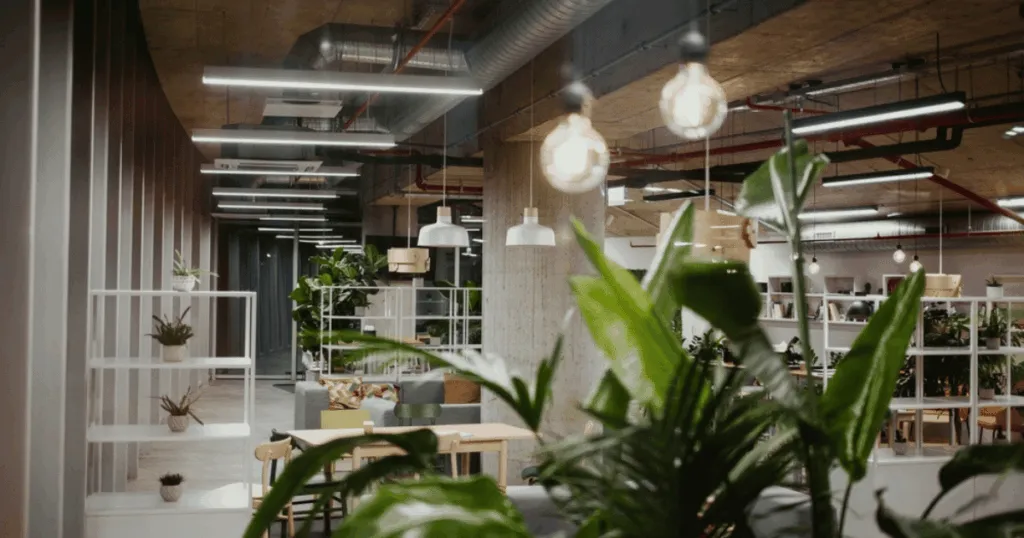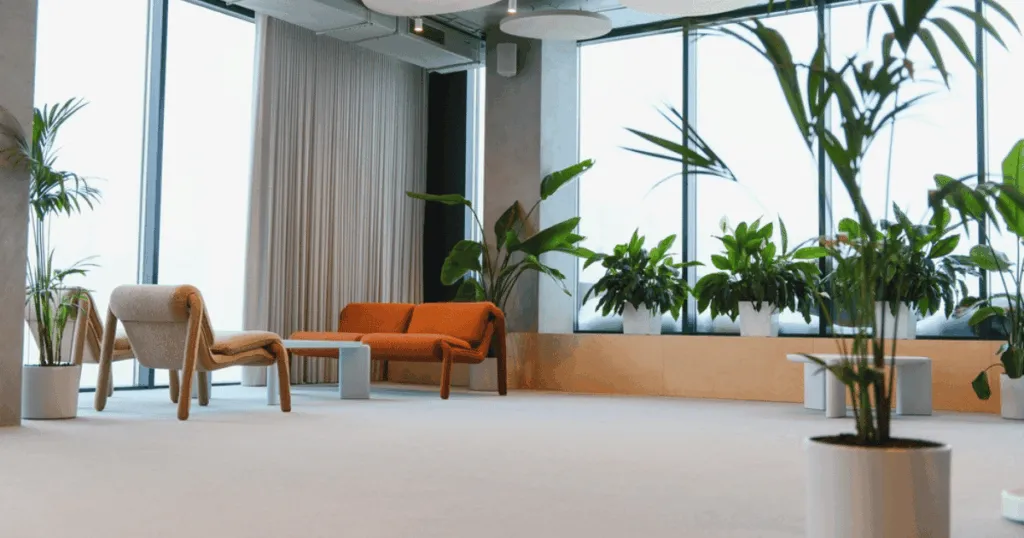
When deciding whether to invest in specialized grow setups or rely on standard workplace illumination, the primary factor is the specific light intensity and spectral quality required by your chosen plant species. While greenhouses provide an optimized environment for rapid growth, office light is often sufficient for maintenance and aesthetic health if you select the right varieties. The confusion often stems from the assumption that plants need high-output sunlight to survive, when in reality, most common office plants are adapted to lower light levels found on forest floors.
Choosing between these two environments requires a clear understanding of your goals. If your priority is rapid propagation, flowering, or high-metabolism growth, the controlled intensity of a greenhouse is superior. However, if your goal is to maintain a professional, green workspace with minimal intervention, office lighting is usually the more practical and sustainable choice. The key is matching the plant to the light you already have rather than trying to force a greenhouse-only plant into a dim cubicle.
The Short Version: Do plants grow better in a greenhouse or office light?
Plants grow faster and more vigorously in a greenhouse due to higher light intensity and humidity. In an office, growth is slower and more controlled. Choose a greenhouse for propagation and high-light species, but rely on office light for long-term, low-maintenance workplace greenery.
| Feature | Greenhouse Environment | Office Light Environment |
|---|---|---|
| Light Intensity | High, full-spectrum | Low to moderate, often filtered |
| Growth Rate | Rapid and vigorous | Slow and stable |
| Humidity | High and consistent | Low, HVAC-influenced |
| Maintenance | High, requires monitoring | Low, set-and-forget |
| Best For | Propagation, flowering plants | Foliage, low-light tolerant species |
Analyzing the Greenhouse Environment
A greenhouse is designed to maximize photosynthesis. By providing high-intensity, full-spectrum light, these structures allow plants to reach their genetic potential for growth and development. In a professional setting, this is rarely the goal for the plants themselves, but it is the ideal environment for plant managers who need to rehabilitate struggling specimens or propagate new stock for the office.
The primary advantage of a greenhouse is the stability of the light cycle. Plants receive consistent, high-quality exposure that prevents the leggy, stretched appearance often seen in office plants trying to reach a distant window. However, this intensity comes with a trade-off: plants grown in a greenhouse often struggle when moved abruptly into an office. This transition, known as acclimatization, can lead to leaf drop and shock as the plant adjusts to the significantly lower light levels and the dry, recycled air common in modern office buildings.
Analyzing the Office Light Environment
Office light is a different ecosystem. Whether you are using overhead LED panels, fluorescent tubes, or desk-side lamps, the light is generally lower in intensity and often lacks the full spectrum of natural sunlight. This does not mean plants cannot thrive; it means they grow at a slower, more sustainable pace. For an office manager, this is often a benefit, as it reduces the frequency of pruning and repotting.
The main challenge with office light is consistency. Most office plants are positioned far from windows, relying on artificial light that may be turned off during weekends or holidays. This forces the plant into a dormant or slow-growth state. While this prevents the plant from outgrowing its space, it also makes the plant more susceptible to pests and diseases if it is not watered carefully. In this environment, the plant is not trying to grow; it is trying to survive, which requires a more conservative approach to hydration and nutrition.
Feature-by-Feature Differences
The most significant difference between these two environments is the light spectrum. Greenhouses utilize natural sunlight, which contains the full range of wavelengths necessary for complex metabolic processes. Office lighting, particularly older fluorescent systems, is often skewed toward the green and yellow parts of the spectrum, which are less efficient for photosynthesis. Modern LED office lighting is improving, but it still rarely matches the raw power of a greenhouse.
Humidity levels represent another major divide. Greenhouses are typically humid, which keeps the stomata of the leaves open and allows for efficient gas exchange. Offices are notoriously dry due to HVAC systems designed for human comfort. This low humidity forces plants to conserve water, which slows down growth significantly. While this keeps the plant compact, it also means that the plant is under constant environmental stress.
Temperature fluctuations also play a role. Greenhouses are managed to maintain specific temperature ranges, whereas offices are subject to the whims of building management. A plant in an office might face cold drafts near windows or heat spikes near vents. These fluctuations, combined with lower light, mean that the plant has less energy to recover from environmental stress than a plant in a greenhouse. Consequently, the threshold for error in an office is much lower than in a greenhouse.
The Role of Light Compensation Points in Office Design
When evaluating whether a plant will survive in your office, you must consider the light compensation point. This is the specific light intensity at which the rate of photosynthesis exactly balances the rate of respiration. In a greenhouse, light levels are almost always well above this point, allowing for net growth. In an office, many corners fall below this threshold. When a plant is below its compensation point, it begins to consume its own stored energy reserves. Over time, this leads to yellowing leaves, stunted growth, and eventual decline. Understanding this concept helps office managers avoid the mistake of placing high-light species like Fiddle Leaf Figs in windowless conference rooms where they are destined to fail.
Practical Management of Plant Stress Factors
Plants in an office environment face unique stressors that greenhouse-grown plants never encounter. The most prominent is the ‘weekend effect,’ where lighting systems are programmed to turn off for 48 to 64 hours. This sudden drop in light availability can disrupt a plant’s circadian rhythm. Furthermore, the lack of air circulation in many office suites can lead to stagnant pockets of air, increasing the risk of fungal issues or pest infestations like spider mites, which thrive in the dry, warm conditions created by office HVAC systems. In a greenhouse, natural airflow and higher humidity levels act as a buffer against these issues. To mitigate these risks in an office, managers should prioritize species with waxy or thick cuticles, such as Sansevieria or Zamioculcas zamiifolia, which are naturally more resilient to fluctuating environmental conditions.
Strategic Use of Supplemental Grow Lights
If you find that your office space lacks the necessary light for your desired greenery, you do not necessarily need to build a greenhouse. Supplemental grow lights can bridge the gap between office light and greenhouse-level intensity. However, these should be used strategically. Rather than trying to illuminate an entire open-plan office, focus on ‘task lighting’ for plants. A small, high-quality LED grow bulb placed in a decorative desk lamp can provide enough photon density to keep a specimen plant healthy throughout the year. This targeted approach allows you to maintain high-light species in areas that would otherwise be unsuitable, effectively creating a ‘micro-greenhouse’ effect without the overhead of a full-scale facility.
Best Use Cases for Each Environment
Greenhouses are best for specialized tasks. If you are a facility manager overseeing a large campus, a greenhouse is the perfect place to keep a rotation of plants. You can grow them to maturity in the ideal environment and then move them into the office for a few months of display. This rotation strategy ensures that the plants in the office always look their best without being subjected to the long-term stress of low-light conditions.
Office light is best for the permanent installation of low-light tolerant species. Plants like Sansevieria, Zamioculcas zamiifolia, and Epipremnum aureum are perfectly adapted to the lower light levels of an office. These plants do not need the intensity of a greenhouse to remain healthy; in fact, they often prefer the stability of an office environment. Using these plants in an office setting is a low-risk, high-reward strategy that minimizes the need for specialized equipment or constant monitoring.
Which One Should You Choose?
The decision between these two environments should be based on your plant selection and your maintenance capacity. If you want to grow high-light flowering plants or exotic foliage, you must accept that the office environment will likely fail them without significant supplemental lighting. In such cases, the greenhouse is the only viable option for the plant’s health. If you are a beginner or a busy office manager, the best choice is to work with the light you have by selecting plants that are naturally suited to indoor conditions.
A common mistake is assuming that all plants can adapt to any light level if given enough time. This is not true. Plants have a light compensation point, which is the level of light where the energy produced by photosynthesis exactly equals the energy used for respiration. If the office light is below this point, the plant will slowly starve, regardless of how much water or fertilizer you provide. Before choosing your plants, measure the light in your office area. If you find that the light is consistently low, choose species that thrive in those conditions rather than trying to replicate a greenhouse environment with expensive grow lights.
Ultimately, the most successful office plant programs are those that align the plant’s biological needs with the reality of the office environment. Do not fight the environment; choose plants that already thrive in it. This approach is more sustainable, more cost-effective, and far less frustrating for everyone involved.
Operational Nuances: Why Context Matters
It is critical to distinguish between ‘growth’ and ‘maintenance’ when evaluating these two environments. In a greenhouse, the objective is often biomass accumulation – the plant is meant to grow, branch, and potentially flower. In an office, the objective is typically ‘stasis’ – you want the plant to look exactly as it did the day it was installed. This is a crucial distinction for facility managers. A plant that is growing rapidly in an office is actually a maintenance liability; it will soon outgrow its container, require more frequent watering, and potentially block walkways or obstruct sightlines.
Therefore, the lower light levels of an office can be viewed as a tool for growth control, keeping plants within their intended architectural footprint for longer periods. By understanding that office light acts as a natural growth regulator, managers can reduce the labor costs associated with pruning and repotting.
The Impact of Spectral Quality on Plant Morphology
While intensity is the most discussed factor, the spectral quality of light plays a significant role in how a plant physically develops. Greenhouse sunlight provides a balanced spectrum that encourages sturdy, compact growth with short internodal spacing. In contrast, standard office lighting often lacks the blue-light spectrum necessary to keep plants compact. This is why plants in offices often exhibit ‘stretching’ – the plant is attempting to increase its surface area to capture more photons.
This morphological change is permanent; once a stem has stretched due to insufficient light, it will not return to a compact state even if moved to a brighter location. This is why choosing the right location from day one is more effective than attempting to correct a plant’s shape later. When selecting plants for an office, prioritize varieties with naturally dense growth habits, as they are less prone to the aesthetic degradation caused by the specific spectral limitations of artificial office lighting.
FAQ
Can I use grow lights to turn my office into a greenhouse?
You can certainly use high-output LED grow lights to supplement office light, but it is rarely practical to turn an entire office into a greenhouse. Grow lights require electricity, heat management, and specific placement. For most offices, it is more efficient to select plants that naturally tolerate the existing light levels rather than trying to force high-light plants to thrive in a low-light environment.
Do plants in an office need less water than in a greenhouse?
Yes, almost universally. Because office light is lower in intensity, the rate of photosynthesis is slower, which means the plant uses less water. Additionally, the lower light levels often mean the soil stays moist for longer. Always check the moisture level of the soil before watering, as overwatering is the most common cause of plant failure in office environments.
Why do my plants look leggy in the office compared to the greenhouse?
Legginess is a classic sign of low light. The plant is stretching its stems to reach a higher light intensity, a process called etiolation. In a greenhouse, the light is strong enough that the plant does not need to stretch. In an office, the plant is essentially starving for light and will continue to grow thin and weak until it receives more intense, full-spectrum exposure.
Is it safe to move plants from a greenhouse to an office?
It is safe, but it must be done gradually. This is called hardening off or acclimatization. If you move a plant directly from a high-light greenhouse to a dim office, it will likely drop leaves as it sheds the foliage it can no longer support. Try to place the plant in a brighter area of the office first, or gradually reduce the light exposure over several weeks to help it adjust.