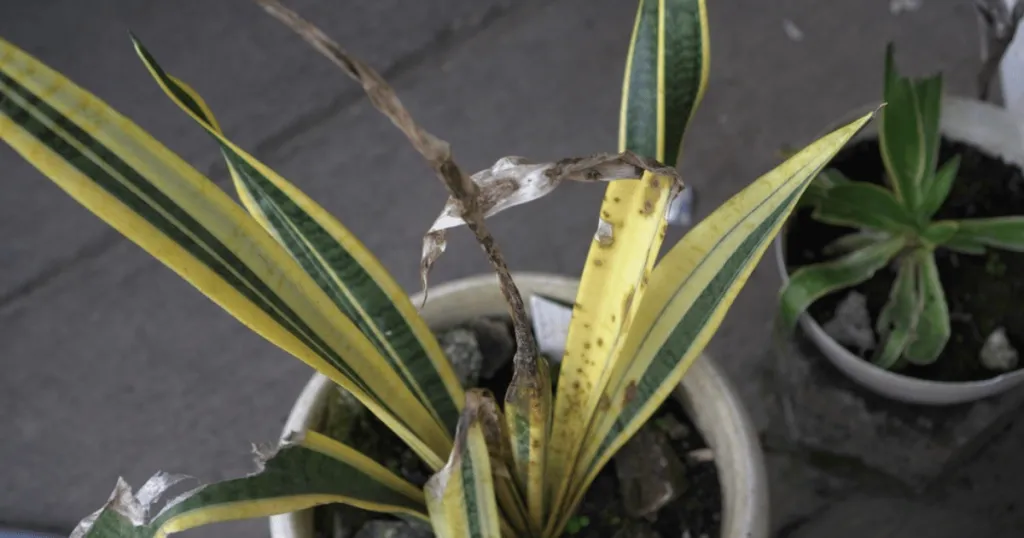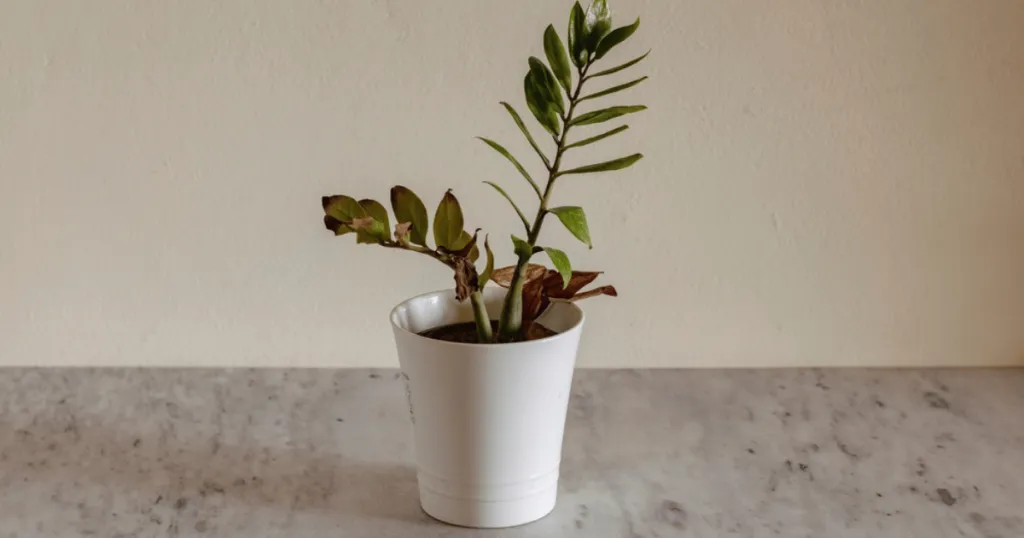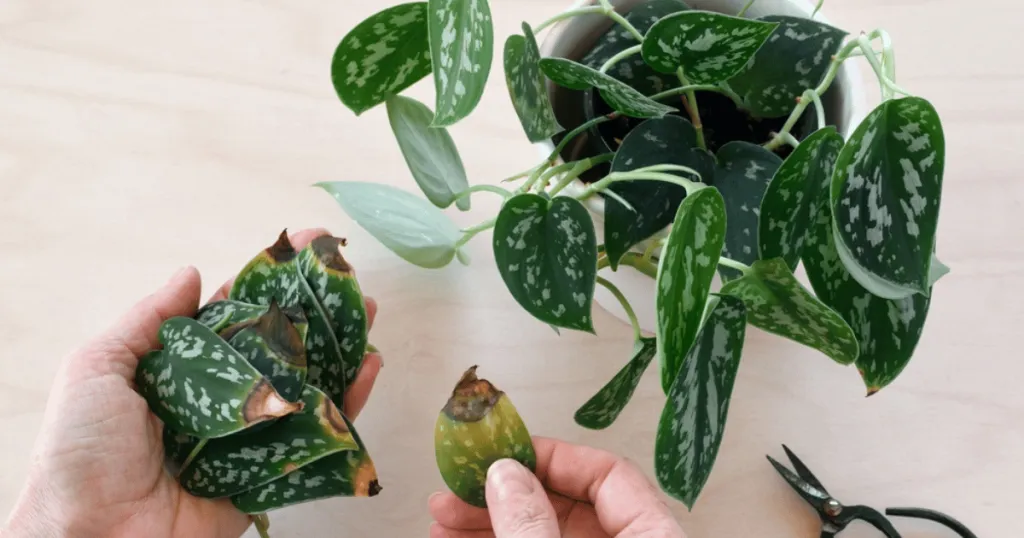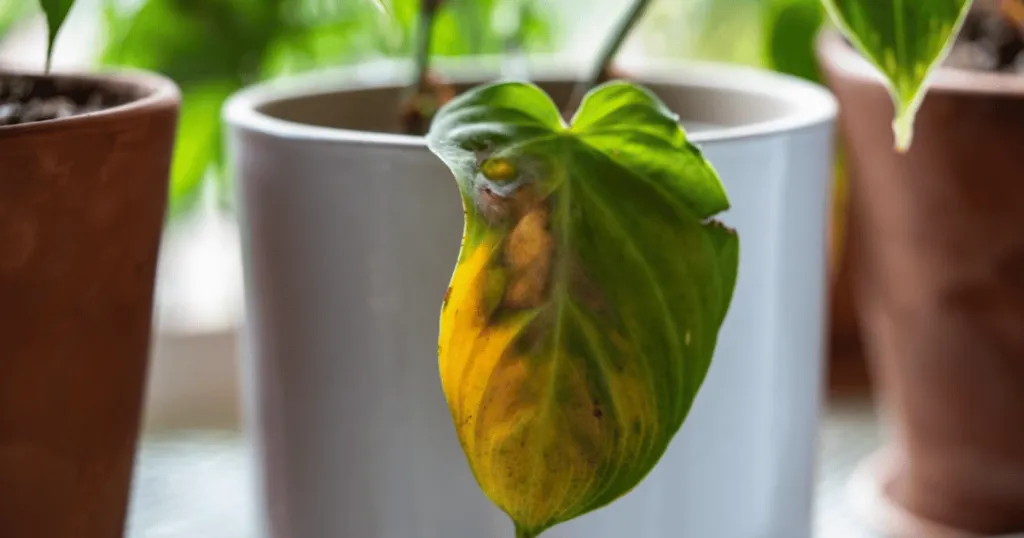
When you notice dieffenbachia problems, your plant is likely signaling an imbalance in its immediate environment. Before applying any drastic changes, check the soil moisture levels and light exposure. These two factors account for the vast majority of health declines in office settings.
Seeing a Dieffenbachia lose its luster in an office environment can be concerning, especially when it serves as a central piece in a reception area or a quiet corner of an open-plan workspace. Before assuming the worst, it is important to rule out the most common misdiagnosis: the belief that the plant needs more water. In many office settings, Dieffenbachia issues stem from over-saturation rather than thirst. Because HVAC systems often keep indoor air dry, it is easy to assume the plant is dehydrated when the soil surface feels crisp, yet the root zone remains waterlogged. By pausing to evaluate the root environment before adding more water, you can prevent the most common cause of decline.
Dieffenbachia plants are generally resilient, but they do require specific conditions to thrive in an office. They prefer medium to bright indirect light and need to dry out slightly between waterings. When these conditions shift, the plant will communicate its stress through leaf color changes, drooping, or stalled growth. Understanding these signals allows you to adjust your care routine before the plant suffers permanent damage.
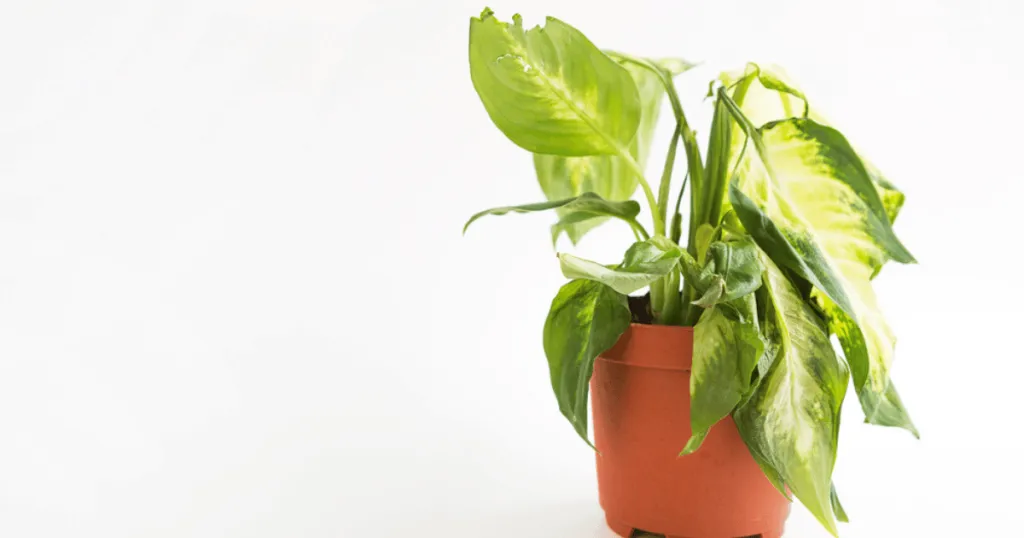
Symptom Diagnosis and Immediate Checks
Most dieffenbachia problems manifest through leaf changes. By observing the specific pattern of discoloration or structural loss, you can narrow down the cause quickly.
- Yellowing lower leaves: Often indicates overwatering or poor drainage.
- Brown, crispy leaf edges: Usually a sign of low humidity or inconsistent watering.
- Drooping or wilting: Can be caused by either extreme underwatering or severe root rot.
- Stalled growth: Typically linked to insufficient light or a root-bound container.
- Soft, mushy stems: A critical sign of advanced root rot, often requiring immediate intervention.
The Moisture Check
Before you change the light or fertilizer, check the soil. Insert your finger or a wooden dowel two inches into the potting medium. If it feels damp or muddy, stop watering immediately. If the soil is bone-dry and pulling away from the sides of the pot, your plant is likely suffering from dehydration. In office environments with constant air circulation, the top inch of soil can dry out much faster than the root ball, creating a false impression of drought.
Light Exposure Assessment
Dieffenbachia requires consistent, indirect light. If your plant is positioned directly under harsh fluorescent office lights or in a dark corner, it will struggle. If the leaves are turning pale or the plant is leaning heavily toward a window, move it to a spot with more ambient, indirect light. Avoid direct sun, which can scorch the variegated foliage.
Addressing Common Issues
The most frequent dieffenbachia problems involve root health. When a plant sits in water, the roots cannot breathe, leading to decay. If you suspect overwatering, remove the plant from its decorative pot and check the drainage holes. If the plant is sitting in a saucer filled with water, empty it immediately. If the soil is waterlogged, you may need to replace the top layer of soil with fresh, well-draining mix to improve aeration.
Humidity is another common hurdle. Offices are notoriously dry due to climate control. While Dieffenbachia adapts to average indoor humidity, it prefers higher levels. If you notice persistent brown tips, consider grouping your plant with other foliage or placing it on a tray filled with pebbles and a small amount of water. Ensure the pot sits on the pebbles, not in the water, to prevent root rot.
Advanced Care and Root Maintenance
If you have addressed watering and light but the plant continues to decline, you may need to inspect the root system. Gently slide the plant out of its container. Healthy roots should be firm and white or light tan. If you see dark, mushy, or foul-smelling roots, you are dealing with root rot. Trim away the affected roots with sterilized shears and repot the plant in fresh, high-quality potting soil. Ensure the new pot has adequate drainage, as this is the most critical factor for long-term health.
Prevention Habits for Office Environments
Consistency is the best defense against dieffenbachia problems. Establish a weekly check-in schedule, but do not feel obligated to water on a strict calendar. Instead, use the finger-test method every time you visit the plant. In an office, it is easy to forget about plants during holidays or weekends; however, Dieffenbachia is relatively forgiving of short periods of neglect. It is far safer to let the plant dry out slightly than to keep it consistently wet.
Dusting the leaves regularly is an overlooked but vital task. Office air often carries dust that settles on foliage, blocking light absorption. Use a damp cloth to gently wipe the leaves every few weeks. This practice also allows you to inspect the plant for pests like spider mites, which thrive in dry office air. If you spot webbing or tiny spots on the undersides of leaves, wipe them down with a mild solution of water and a drop of dish soap.
Finally, be mindful of the plant’s toxicity. According to the ASPCA, Dieffenbachia contains calcium oxalate crystals, which can cause oral irritation and numbness if ingested by pets. While this is rarely an issue in a professional office setting, keep the plant out of reach if your office is pet-friendly or if you have concerns about staff safety. Proper placement is not just about aesthetics; it is about keeping the plant away from high-traffic areas where it might be bumped or damaged.
Navigating Seasonal Shifts in Office Climate
Office environments are rarely static. Seasonal changes, such as the transition from heating to cooling, significantly impact Dieffenbachia health. During winter months, HVAC systems often run at higher intensities, leading to extremely low humidity levels that can cause leaf tips to brown rapidly. Conversely, in summer, air conditioning drafts can cause sudden temperature fluctuations, which may lead to leaf drop. Monitoring the plant’s proximity to vents is essential; direct airflow from an AC unit or heater will dehydrate the foliage quickly, regardless of soil moisture.
When managing these shifts, consider the plant’s location relative to windows. As the sun’s angle changes throughout the year, a spot that provided perfect indirect light in the winter might become too intense in the summer. If you notice bleaching or scorched patches on the leaves, the plant is receiving too much direct light. Relocating the plant just a few feet away from the window or using a sheer curtain can mitigate this stress. Always prioritize stable temperatures over extreme light exposure, as Dieffenbachia is more sensitive to cold drafts than it is to slightly dimmer conditions.
Understanding Growth Patterns and Pruning
As a Dieffenbachia matures, it is natural for the lower leaves to yellow and eventually drop off, revealing a cane-like stem. This is not necessarily a sign of a dieffenbachia problem, but rather the plant’s normal growth habit. However, if the plant becomes too tall and leggy, it may lose its aesthetic appeal in a professional setting. Pruning is a practical solution to maintain a bushy, attractive appearance. By cutting back the main stem, you encourage the plant to branch out, creating a fuller look. Always use clean, sharp tools to make these cuts, and be aware that the sap can be irritating to the skin, so wearing gloves is a recommended safety precaution.
If you find that your plant is consistently leaning or becoming unstable due to its height, consider adding a support stake. This is particularly useful in high-traffic office areas where the plant might be bumped by passersby. A simple bamboo stake secured with soft twine can provide the necessary structural support without damaging the stem. Remember that as you prune and stake, you are essentially performing minor surgery on the plant; ensure it is in a healthy state before attempting any major structural changes, as a stressed plant will struggle to recover from pruning.
The Role of Soil Quality and Repotting
The potting medium is the foundation of your plant’s health. Over time, soil breaks down and loses its ability to provide proper aeration, leading to compacted conditions that suffocate roots. If your Dieffenbachia has been in the same pot for more than two years, it is likely due for a refresh. When repotting, choose a high-quality indoor potting mix that includes perlite or pumice to enhance drainage. Avoid using heavy garden soil, which retains too much moisture and increases the risk of root rot.
When selecting a new container, ensure it has adequate drainage holes. If you prefer to use a decorative cachepot, keep the plant in its plastic nursery liner. This allows you to easily remove the plant for watering and ensures that excess water does not collect at the bottom of the decorative container. This two-pot system is a best practice for office plant maintenance, as it provides a buffer against accidental overwatering and makes the plant easier to move for cleaning or rotation.
Related Dieffenbachia Guides
FAQ
Why are the lower leaves of my Dieffenbachia turning yellow?
Yellowing lower leaves are often a natural part of the aging process as the plant grows, but if it happens rapidly, it usually points to overwatering. Check that the soil is not staying wet for too long and ensure the pot has proper drainage.
How do I know if my office light is sufficient for a Dieffenbachia?
If the plant is losing its variegation or growing very slowly, it likely needs more light. While they tolerate low light, they perform best in bright, indirect light. Try moving it closer to a window, but avoid direct sun exposure.
Are dieffenbachia problems related to the plant being toxic?
The toxicity of Dieffenbachia, caused by calcium oxalate crystals, affects humans and pets if ingested, but it does not cause the plant itself to have health problems. It is a defense mechanism against herbivores, not a sign of poor plant health.
Can I use tap water for my Dieffenbachia?
Most Dieffenbachia are fine with standard tap water, but if your office water is heavily treated with chlorine or fluoride, you might notice brown tips. Letting the water sit out overnight before using it can help dissipate some chemicals.