When your office desk companion starts dropping leaves or turning yellow, the immediate assumption is often that it is starving for water. For Zamioculcas zamiifolia, however, treating a struggling plant to a sudden drink is frequently the exact mistake that pushes it past the brink. Because these resilient specimens store moisture in thick underground rhizomes, they are built to survive neglect rather than excessive attention. When zz plant problems arise in a corporate setting, the root cause is almost always tied to overzealous watering, poor drainage in plastic decorative containers, or the dim, stagnant corners of a windowless conference room.
Understanding what your desk plant is trying to communicate requires looking past the surface symptoms and examining the root environment. Office environments present unique pressures, from oscillating HVAC units that dry out foliage to low-intensity fluorescent or LED overhead lighting that slows down metabolic processes. By identifying whether your plant is suffering from chronic overwatering, lack of adequate drainage, or subtle pest pressures, you can apply targeted interventions before minor leaf drop turns into total stem collapse.
Bottom Line
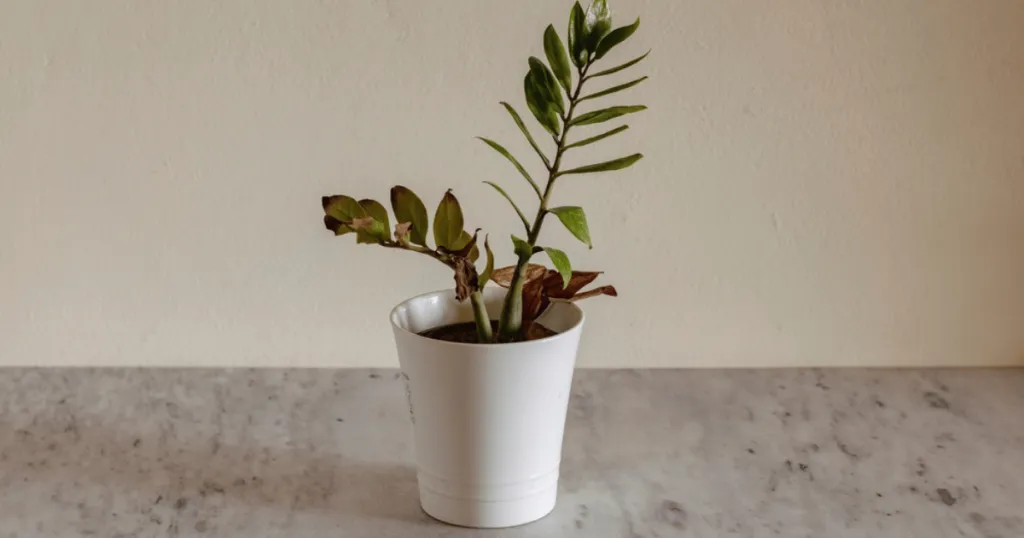
Most zz plant problems stem from overwatering rather than drought. While these plants tolerate low office light, they cannot survive sitting in soggy soil. If stems turn mushy, stop watering immediately and check the rhizomes for rot.
Quick Checks and Immediate Safe Fixes
Before you commit to repotting or cutting away major portions of your plant, run through a quick diagnostic check to rule out surface-level stressors. Office conditions fluctuate wildly between active work weeks and sealed weekend environments, making it vital to check both soil moisture and container drainage first.
Evaluating Soil Moisture Levels
Stick your finger two inches into the potting mix. If the soil feels damp or cool to the touch, do not add water, regardless of when it last received a drink. Zamioculcas zamiifolia requires complete dryness between watering sessions. If the soil remains wet after ten days, your container likely lacks proper drainage holes or the office desk humidity is preventing normal evaporation.
Checking Container and Drainage Reality
Many office plants arrive in decorative cachepots with no drainage holes at the bottom. When excess water pools out of sight at the base of the pot, the lower rhizomes remain submerged and suffocate. Lift the inner grower pot out of its decorative outer shell. If you find standing water in the bottom of the outer ceramic or metal container, empty it immediately and let the root ball drain thoroughly on paper towels before returning it to its spot.
Symptom to Cause Diagnosis Guide
Different distress signals point to distinct environmental mismatches. Use the following diagnostic breakdown to match what you see on your desk plant with its underlying cause, ordered from the most frequently encountered issues down to rarer anomalies.
| Observed Symptom | Primary Likely Cause | Fast Corrective Action |
|---|---|---|
| Yellowing lower leaves | Overwatering or poor soil drainage | Withhold water until the soil is bone dry; check for soggy rhizomes. |
| Mushy, black stem bases | Advanced root rot from waterlogged media | Unpot, slice away rotting tissue, and repot in fresh, fast-draining mix. |
| Stretched, leaning stems | Extreme low light or distance from light source | Move closer to an overhead LED bank or a north or east-facing window. |
| Crisp, brown leaf tips | Drafty HVAC vents or severely dry office air | Relocate away from direct air conditioning or heating blower paths. |
| Wrinkled or shriveled stems | Extreme, prolonged underwatering | Give the container a thorough, deep watering until runoff drains completely. |
Resolving the Most Common Issues
Addressing the core issues that affect indoor Zamioculcas specimens requires a methodical approach. Focus first on correcting moisture routines before attempting more invasive physical interventions.
Treating Yellow Leaves and Waterlogged Soil
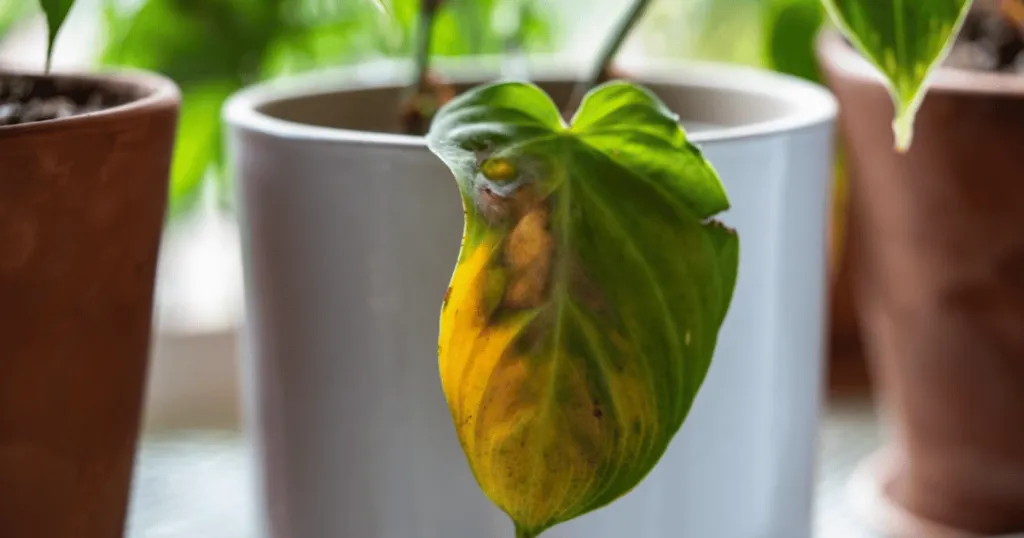
Yellowing foliage is the universal distress signal for Zamioculcas zamiifolia. When lower leaves turn yellow and drop off without feeling crispy, it indicates that the roots are holding onto too much moisture. In an office setting, this usually happens when multiple well-meaning coworkers water the same plant on different days. To fix this, halt all watering immediately.
Allow the soil mix to dry out completely over the next two to four weeks. Trim away completely yellow or dead leaves at the base using clean shears to redirect plant energy back toward healthy stems. When managing zz plant yellow leaves, office managers must account for shared workspace dynamics where friendly colleagues might inadvertently contribute excess moisture.
Combating Advanced Root Rot and Mushy Rhizomes
When yellowing progresses to soft, black stems that detach easily from the soil line, you are dealing with root rot. This fungal decay destroys the water-storing rhizomes. Saving the plant requires immediate surgical intervention. Gently remove the plant from its container and brush away the wet soil to inspect the root system. Using a sterilized blade, slice away any brown, mushy, or foul-smelling roots and rhizomes until you reach firm, healthy white or cream-colored tissue.
Dust the cut ends with cinnamon or let them dry for a few hours, then repot the remaining healthy divisions into a dry, porous soil blend designed for succulents. Addressing zz plant root rot early prevents total specimen loss and preserves the hard-earned aesthetic of your reception area or private office.
Correcting Leggy Growth in Dim Office Corners
While these plants tolerate low-light cubicles exceptionally well, they are not subterranean species. When placed in deep interior hallways or windowless offices with minimal artificial illumination, the stems grow long, thin, and pale as they stretch toward distant light fixtures. This weak growth cannot support its own weight, leading to leaning or flopping stems. Relocate the plant closer to a fluorescent or LED office light bank, or shift it near a window if one is available.
Prune away excessively leggy stems back to the soil line to encourage sturdy, compact replacement shoots. For optimal zz plant care indoor settings, matching light output to metabolic need ensures the foliage remains dark green and upright without leaning awkwardly across a shared desk.
Managing Less Common Zamioculcas Stresses
Beyond standard watering and lighting errors, office specimens occasionally encounter secondary challenges that require subtle adjustments to their indoor habitat.
Mitigating Environmental Shock from HVAC Vents
Office heating and air conditioning systems produce constant, dry air drafts. When a desk plant sits directly in the path of an overhead ceiling vent, the constant airflow accelerates moisture loss from the foliage while chilling the surrounding air. This causes brown, crisp leaf margins that mimic underwatering even when the soil is adequately moist. The fix is straightforward: shift the container a few feet away from direct air currents while keeping it in its preferred lighting zone.
Addressing Minor Pest Pressures in Shared Spaces
Indoor office plants are occasionally vulnerable to sap-sucking pests like mealybugs or spider mites, which thrive in the warm, stable temperatures of modern buildings. Mealybugs appear as small, cottony white clusters in leaf joints, while spider mites leave fine webbing and stippled foliage. Because harsh chemical sprays are unsuitable for shared workspaces, wipe down affected leaves with a damp cloth and mild dish soap solution, or apply insecticidal soap wipes to eliminate the insects safely without releasing strong chemical odors into the office.
Prevention Habits for Long-Term Office Success
Maintaining a healthy desk plant requires establishing consistent routines that account for shared office habits and weekend neglect cycles.
Establishing a Strict Watering Protocol
The single best preventive habit is to tie your watering schedule to an inspection rather than a calendar date. Check the soil depth every two weeks. If you work in an office with fluctuating staff schedules, designate one person to handle plant care or place a small note on the desk indicating the last watering date to prevent accidental double-watering by colleagues. An overwatered zz plant rarely recovers unless a strict dry-down cycle is enforced immediately after discovery.
Selecting the Right Soil and Pot Combination
Standard heavy potting soil retains too much moisture for thick, succulent rhizomes. When potting or repotting, use a fast-draining blend formulated for cacti and succulents, mixed with perlite or coarse orchid bark to maximize aeration. Always ensure the inner container features functional drainage holes so surplus moisture never pools around the root zone.
Understanding Office Safety and Pet Restrictions
If your workplace welcomes office pets or service animals, keep in mind that Zamioculcas zamiifolia contains calcium oxalate crystals. According to veterinary guidance from organizations like the ASPCA and pet poison control resources, chewing or ingesting the leaves or stems can cause mouth irritation and digestive distress in cats and dogs. Position your display on an elevated desk or reception counter out of reach of roaming animals to ensure a safe environment for everyone.
Related ZZ Plant Guides
FAQ
Why are the stems on my office zz plant turning yellow and falling over?
Yellow and collapsing stems almost always indicate overwatering or blocked drainage in the pot. The thick rhizomes hold plenty of moisture, so soggy soil suffocates the roots and causes rot. Stop watering immediately, check the bottom of the pot for standing water, and let the soil dry out completely.
Can a zz plant survive entirely under fluorescent office lights without windows?
Yes, these plants tolerate fluorescent and LED office lighting very well and can survive in windowless spaces. However, if the light level is extremely low, growth will slow down significantly and stems may stretch. Placing the plant directly beneath overhead light banks helps maintain steady, compact growth.
How often should I water my desk zz plant during the winter months?
During winter or in heavily air-conditioned offices with reduced metabolic activity, watering frequency should drop significantly. Instead of a fixed calendar schedule, let the soil dry out completely all the way to the bottom of the pot, which often means waiting four to six weeks between drinks.
Should I cut off damaged or brown stems, and how do I do it safely?
Yes, you should prune away dead, yellow, or mushy stems entirely. Use clean pruning shears or scissors wiped with rubbing alcohol, and cut the stem as close to the soil line as possible without damaging the central rhizome cluster.