Maintaining an areca palm in a professional workspace requires a shift in how we think about plant maintenance. Unlike a home environment where you might have daily access to your plants, an office setting often involves weekend neglect, fluctuating HVAC-controlled humidity, and inconsistent light levels from windows or overhead LED arrays. The areca palm, known for its elegant, feathery fronds, is a rewarding addition to any reception area or open-plan office, but it demands specific attention to its moisture and light requirements to prevent the dreaded brown tips that often plague indoor palms.
Successfully integrating this species into your workplace means understanding its natural preference for bright, indirect light and consistent hydration, ensuring that your plant remains a vibrant focal point rather than a source of maintenance frustration.
The most important takeaway for long-term success is the balance between moisture and drainage. Areca palms are sensitive to both waterlogged roots and completely parched soil. In an office, where air conditioning can dry out the ambient environment rapidly, your primary goal is to maintain a consistent, light moisture level in the potting medium. If you can master this rhythm, you will avoid the most common pitfalls of indoor palm cultivation.
Quick Facts
- Light: Requires bright, indirect light for optimal growth.
- Watering: Keep soil lightly moist; avoid total drying.
- Humidity: Prefers higher humidity; misting or trays help.
- Toxicity: Non-toxic to cats and dogs per ASPCA guidance.
- Difficulty: Moderate; demands consistent environmental monitoring.
Optimizing Light and Placement for Office Success
Areca palms are among the more light-demanding indoor plants. In an office, this means placement is everything. They thrive when placed near a south or west-facing window where they can receive bright, filtered light. If your office lacks direct window access, you may find that the palm struggles to maintain its lush, green color, eventually showing signs of stress such as yellowing fronds or stunted growth.
When natural light is insufficient, consider the proximity to artificial lighting. While standard fluorescent or LED office lighting provides some illumination, it rarely matches the intensity required for a palm to photosynthesize effectively. If your office relies heavily on artificial light, place the areca palm as close to a window as possible. If you must place the plant in a windowless meeting room or interior lobby, be prepared for the plant to decline over time. In such cases, rotating the plant to a brighter location for a few days each week can help, though it is often more practical to choose a different species for low-light interior zones.
Avoid placing your palm directly in the path of strong, unfiltered midday sun, which can scorch the fronds. A sheer curtain or a window film can help diffuse harsh light. Conversely, avoid drafty corridors or areas directly beneath aggressive air conditioning vents. The constant blast of dry, cold air will dehydrate the fronds faster than the roots can pull water, leading to crispy brown edges that are difficult to reverse. Understanding the relationship between transpiration and airflow is critical; when air moves rapidly over the foliage, the palm loses moisture faster than it can replace it from the soil, leading to rapid desiccation of the delicate leaf tips.
Watering and Soil Guidance
Watering is the most frequent point of failure in areca palm care. Because these palms are sensitive to salts and minerals found in tap water, using filtered or distilled water is a common best practice in office settings to prevent tip burn. When you water, do so thoroughly until you see excess liquid draining from the bottom of the pot. Never leave the plant sitting in a saucer of standing water, as this creates a anaerobic environment that leads to root rot.
The soil mix should be well-draining but capable of holding some moisture. A standard high-quality potting mix amended with perlite or coarse sand is usually sufficient. In an office, we recommend checking the soil moisture at least twice a week. If the top inch of soil feels dry to the touch, it is time to water. During the winter months, when the office heating system is running, the soil may dry out faster than you expect, so do not rely on a fixed calendar schedule. Instead, use the finger test to gauge the actual needs of the plant.
If your office is closed over weekends, ensure the plant is well-hydrated on Friday afternoon. If the environment is particularly dry, a self-watering pot or a moisture-retaining mulch layer on the soil surface can provide a buffer against the lack of attention during the weekend. Remember that overwatering is just as dangerous as underwatering. If the soil stays saturated for too long, the roots will suffocate, leading to yellowing leaves that eventually turn brown and mushy. When selecting a container, prioritize pots with large drainage holes; in an office, the convenience of a decorative cachepot is often outweighed by the risk of trapped water, so ensure there is a physical gap between the nursery pot and the decorative exterior container.
Humidity, Temperature, and Feeding
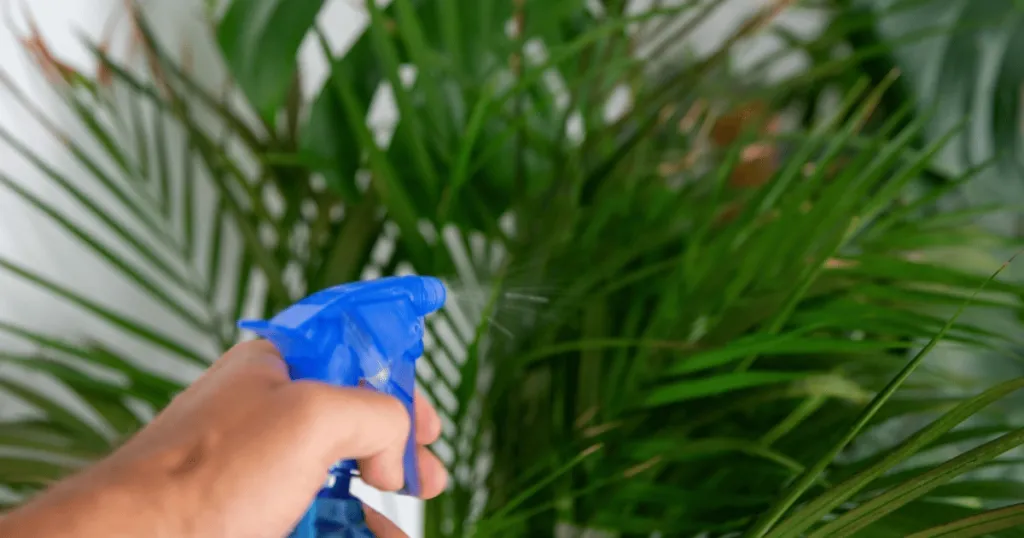
Areca palms are tropical plants that appreciate humidity levels above 40 percent. Office environments, especially those with heavy climate control, often hover in the 20 to 30 percent range. This discrepancy is why many office palms develop brown tips. To combat this, you can group plants together to create a microclimate, or place the pot on a tray filled with pebbles and water. Ensure the bottom of the pot sits above the water line to avoid root rot. Grouping plants is a highly effective strategy in open-plan offices, as the collective transpiration of several plants can slightly elevate the relative humidity in their immediate vicinity.
Temperature stability is equally important. These palms prefer temperatures between 65 and 75 degrees Fahrenheit. While they can tolerate slight fluctuations, they are sensitive to sudden cold drafts or extreme heat spikes. If your office temperature drops significantly at night or over the weekend, the palm may enter a state of dormancy or stress. Keep the plant away from exterior doors that open frequently to the outside, as the sudden influx of cold or hot air can shock the foliage. If your office building shuts down HVAC systems on weekends, the resulting temperature swings can be detrimental; consider placing the palm in an interior zone where the building’s thermal mass keeps the temperature more stable.
Feeding should be done sparingly. Use a balanced, water-soluble fertilizer formulated for indoor plants, applied at half-strength during the growing season from spring through early autumn. Avoid fertilizing during the winter when growth naturally slows. Over-fertilization can lead to a buildup of mineral salts in the soil, which will manifest as brown, crispy tips on the fronds. If you notice white crusting on the soil surface, flush the soil with clean water to remove excess mineral accumulation. This flushing process is essential in office settings where tap water quality may be inconsistent, as it prevents the accumulation of fluoride and chlorine, which are known to cause leaf scorch in sensitive palm species.
Repotting, Pruning, and Propagation
Areca palms do not like to be disturbed frequently. They prefer to be slightly root-bound, so you only need to repot every two to three years. When you do repot, choose a container that is only one or two inches larger in diameter than the current one. Using a pot that is too large can lead to excess soil that stays wet for too long, risking root health. Always ensure the new pot has adequate drainage holes. When repotting, use a high-quality, peat-based mix that offers both aeration and moisture retention, as this mimics the tropical forest floor conditions the palm prefers.
Pruning is primarily a cosmetic task. You should remove fronds that have turned brown or yellow to keep the plant looking tidy. Use clean, sharp shears to snip the dead tissue, but avoid cutting into the healthy green part of the frond, as this can create an open wound that invites pathogens. If an entire stem is dead, cut it off at the base near the soil line. Regular pruning not only improves the visual appeal of the plant but also allows the palm to redirect its energy toward healthy, new growth rather than attempting to maintain dying tissue.
Propagation of areca palms in an office is rarely practical. While they can be grown from seed, the process is incredibly slow and requires conditions that are difficult to maintain in a workplace. Most office managers find it more efficient to purchase established plants from a reputable nursery. If you have a large, multi-stemmed palm, you can technically divide it during repotting, but this is a high-risk procedure that often results in the loss of the plant due to root damage.
For the sake of office aesthetics, focus on maintaining the health of your existing specimen rather than attempting to propagate new ones. If you are looking to expand your office greenery, it is far more reliable to source new, healthy specimens that have already been acclimated to indoor conditions.
Seasonal Adjustments and Common Mistakes
Your care routine should shift with the seasons. During the summer, the increased light and heat will drive faster growth, requiring more frequent watering and perhaps a slightly higher humidity level. In winter, growth slows, and the risk of overwatering increases. Reduce your watering frequency and monitor the plant for signs of pests, such as spider mites, which thrive in the dry, stagnant air of heated offices. Spider mites are particularly problematic in office settings because they often go unnoticed until the webbing becomes visible; regular inspection of the undersides of the fronds is a proactive measure that can save your plant from severe infestation.
A common mistake is assuming that a brown tip means the plant needs more water. In reality, brown tips are often a sign of low humidity or salt buildup from tap water. Before you increase your watering frequency, check the soil moisture and consider the water quality. Another frequent error is using leaf shine products on the fronds.
These products can clog the pores of the plant, hindering its ability to breathe and potentially causing long-term damage. Stick to gentle dusting with a damp cloth to keep the fronds clean and efficient at capturing light. Dust accumulation on fronds is a silent killer in office environments, as it blocks the stomata and reduces the plant’s ability to perform photosynthesis, leading to a gradual decline in vigor.
Healthy growth in an areca palm looks like vibrant, emerald-green fronds that are supple and upright. If the fronds begin to droop or turn a pale, sickly yellow, it is a clear signal that your light, water, or humidity levels are off-balance. By observing these subtle cues, you can adjust your care before the plant sustains permanent damage. Remember that office plants are subject to environmental stressors that are not present in residential settings; by maintaining a consistent, proactive care schedule, you can ensure that your areca palm remains a lush, healthy addition to your professional space for years to come.
Related Areca Palm Guides
- everything about the Areca Palm
- troubleshooting a Areca Palm
FAQ
Why are the tips of my areca palm leaves turning brown?
Brown tips on an areca palm are typically caused by low humidity or the accumulation of minerals from tap water. In an office, the dry air from HVAC systems is the most common culprit. Try increasing humidity with a pebble tray or using filtered water to see if the condition improves.
Is the areca palm safe to have in an office with pets?
Yes. According to ASPCA guidance on toxic and non-toxic plants, the areca palm is considered non-toxic to both cats and dogs, making it a safe choice for offices that allow pets or for employees who are concerned about animal safety.
How often should I fertilize my office areca palm?
Fertilize only during the active growing season, which is typically spring and summer. Use a balanced, water-soluble fertilizer at half-strength. Avoid fertilizing in the winter, as the plant’s growth slows and it does not require the extra nutrients.
Can I keep an areca palm in a room with no windows?
It is not recommended. Areca palms require bright, indirect light to thrive. While they can survive for a short time in low-light conditions, they will eventually lose their vigor and color. If you have no windows, consider a plant that is better suited for low-light environments.