Affiliate Disclosure: As an Amazon Associate, I earn from qualifying purchases.
Stepping into a windowless workspace often feels like entering a botanical dead zone. Without natural sunlight, standard office greenery quickly fades, drops leaves, and struggles to survive. Yet, a lack of windows does not mean your desk or reception area has to remain completely sterile. Fluorescent lighting, overhead LEDs, and strategic desk lamps provide enough ambient energy for the best plants for office with no windows that thrive in deep shade. Choosing the right specimens transforms a dim, sterile interior into a vibrant, living workspace without requiring a complex lighting overhaul.
Before selecting greenery for a closed-door executive suite or an internal cubicle, practical expectations matter. Plants lacking natural sunlight grow much slower, consume far less water, and tolerate neglect far better than sun-drenched greenhouse specimens. Setting up your workspace successfully starts with understanding these limitations and choosing species built to handle artificial illumination.
At a Glance
- ZZ plants tolerate fluorescent lighting and minimal watering.
- Snake plants endure dry air and sporadic maintenance schedules.
- Cast iron plants handle deep shade and severe neglect.
- Pothos vines adapt readily to indoor lighting conditions.
- Chinese evergreens maintain vibrant foliage without direct sun.
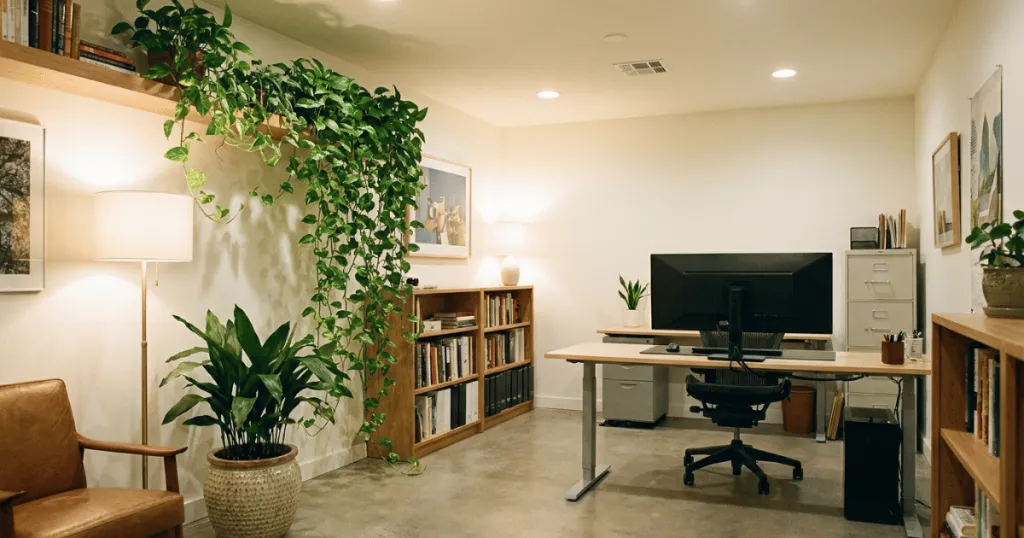
Criteria for Windowless Office Selection
Evaluating indoor flora for an enclosed room requires focusing on physiological traits that match harsh artificial environments. Standard horticultural rules built for sunny windowsills do not apply here. We prioritize species demonstrating verified resilience against low-intensity wavelengths, dry HVAC airflow, and irregular watering habits typical of busy work environments.
The primary baseline for our selections rests on photosynthetic efficiency under artificial spectrums. Overhead office fixtures emit narrow light ranges compared to natural daylight, meaning chosen specimens must extract maximum energy from fluorescent tubes or LED panels. Furthermore, root rot remains the single greatest killer of indoor office vegetation. Because windowless rooms evaporate soil moisture slowly, every recommended option features exceptional tolerance for drying out completely between watering sessions.
When selecting low light office plants, office managers must also consider structural resilience. Indoor microclimates in buildings without exterior windows tend to experience stable temperatures but suffer from stagnant air pockets. Choosing shade tolerant office species with tough cellular walls or specialized storage structures prevents the premature decline common among softer, high-light botanicals.
Curated Selections for Windowless Workspaces
ZZ Plant
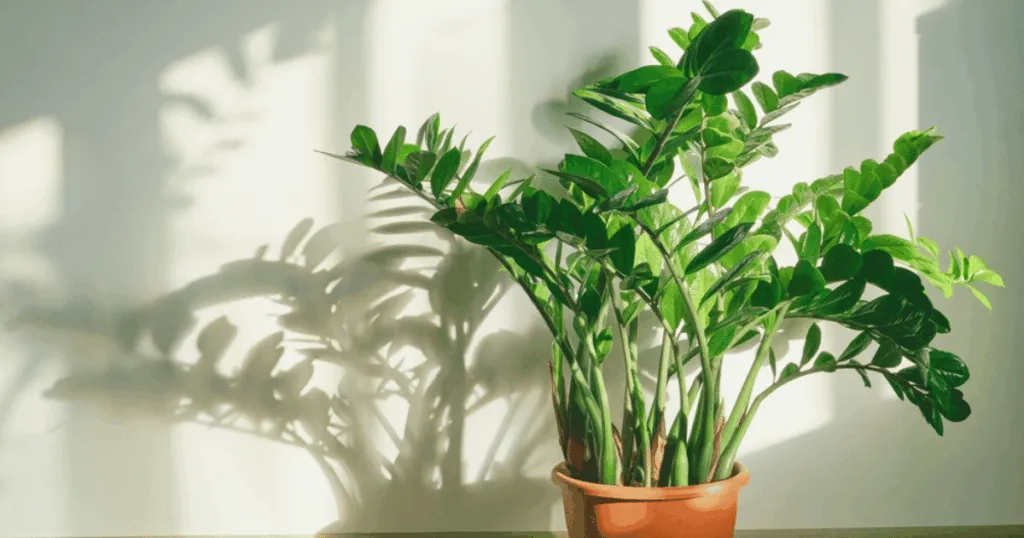
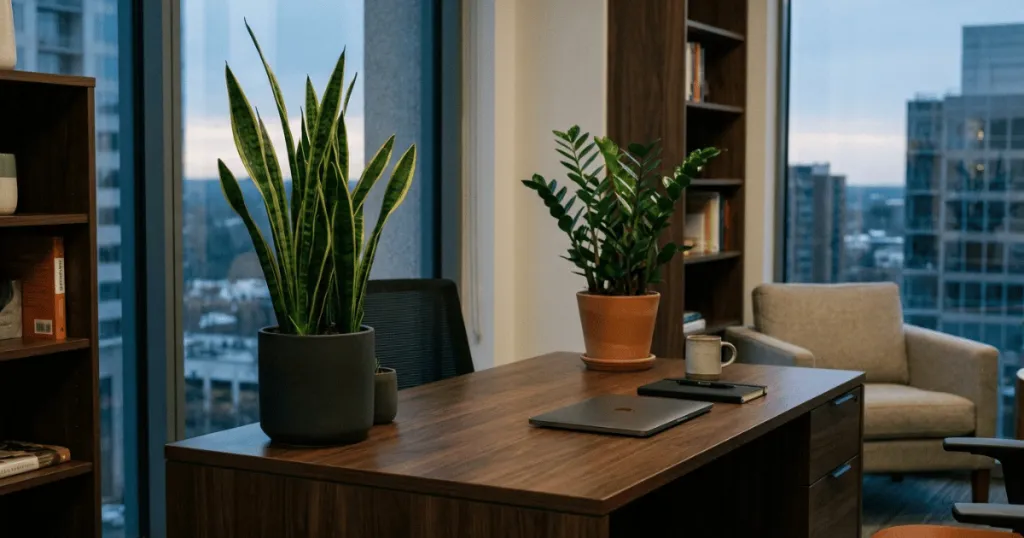
The ZZ Plant stands as a premier choice for interior spaces devoid of natural sunlight. Thick, potato-like rhizomes beneath the soil store moisture, allowing the plant to survive weeks of complete neglect while adapting seamlessly to overhead fluorescent lighting. A common mistake is providing too much moisture; letting the soil dry out entirely between waterings keeps this resilient selection thriving in deep interior offices.
In windowless settings, this species relies on its slow metabolic rate to conserve energy. Because evaporation rates are near zero in closed rooms, soil moisture retention can last for weeks. Office workers can place this specimen directly on a dark desk or deep in a corner without worrying about daily supervision.
Snake Plant
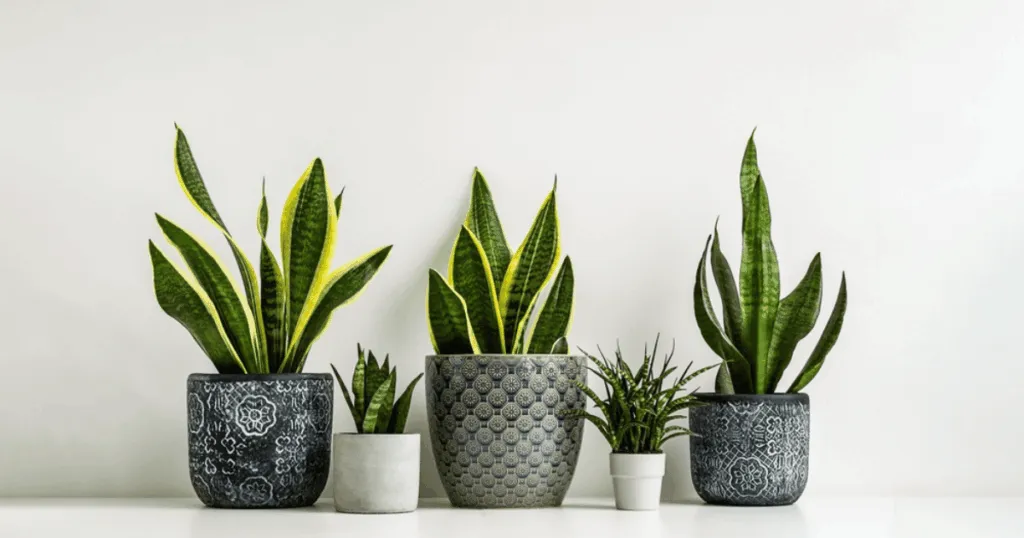
Known for its upright architectural foliage, the Snake Plant handles low light environments with remarkable ease. It tolerates dry office air and irregular maintenance schedules better than almost any other indoor species. One important factor to keep in mind is that overwatering leads directly to root decay, making it a safer option for office workers who tend to forget about their desk plants for weeks at a time.
As a prominent entry among indoor plants for dark offices, the snake plant features robust leaf tissue capable of storing water internally. This structural adaptation safeguards the plant against missed watering schedules during extended holiday closures or hectic project deadlines.
Cast Iron Plant
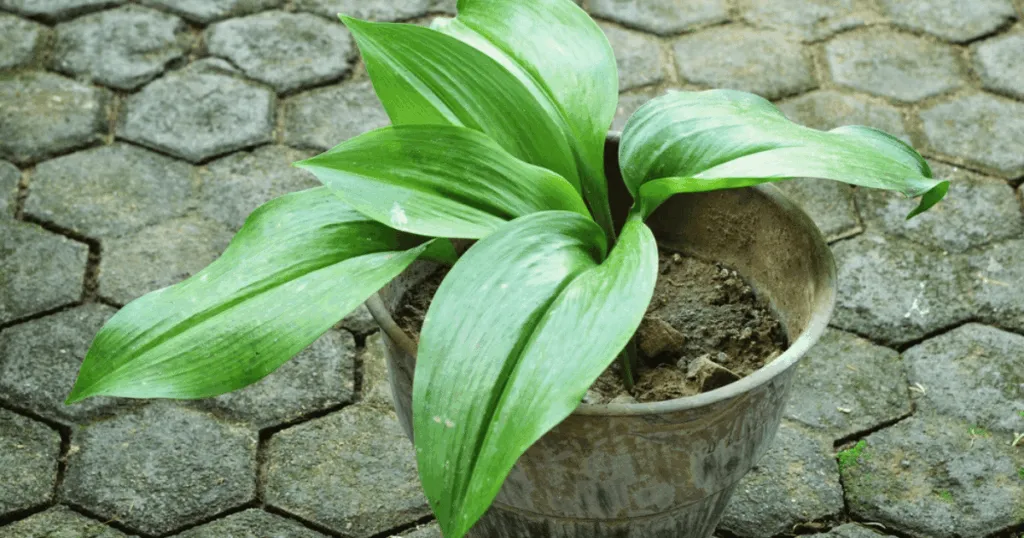
True to its name, the Cast Iron Plant earns its reputation through sheer toughness in windowless conference rooms and dim hallways. It tolerates low light well and resists damage from fluctuating office temperatures and dry drafts. From a practical standpoint, this option offers lush, dark green leaves without demanding precise watering schedules or specialized indoor climate controls.
When evaluating plants that survive without sunlight, this specimen stands out for its unwavering foliage preservation under minimal illumination. It rarely drops leaves unless subjected to severe, prolonged overwatering or freezing temperatures.
Pothos
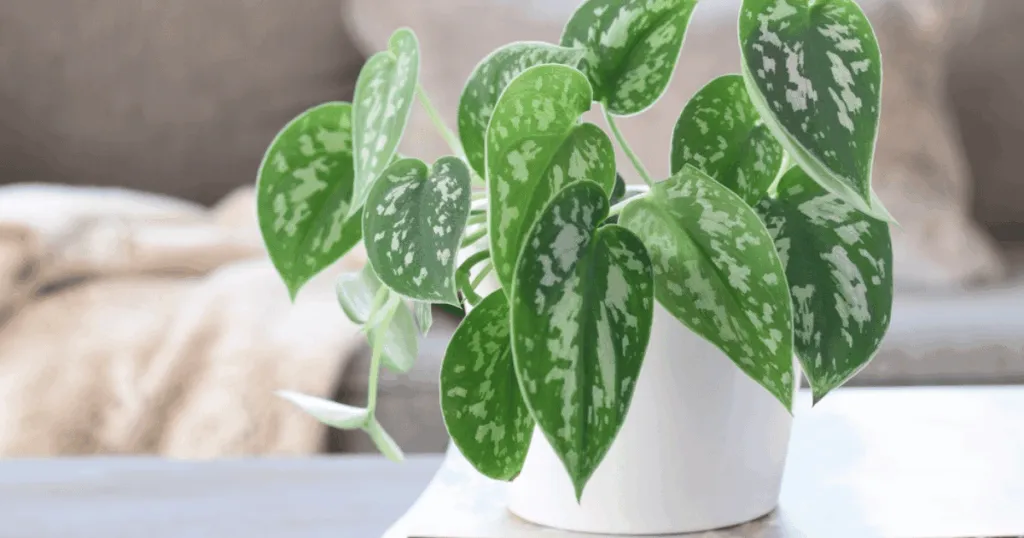
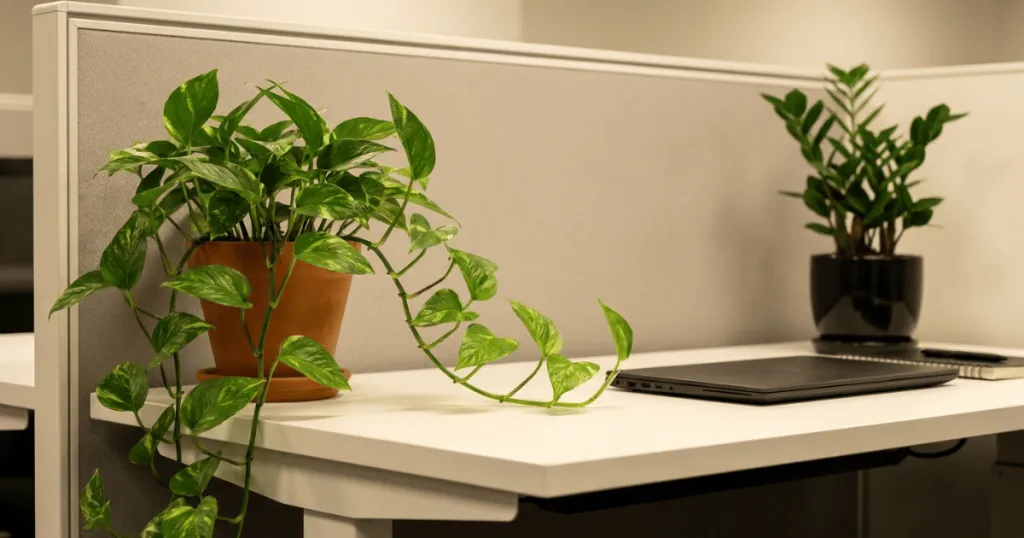
Pothos vines adapt readily to fluorescent desk lamps and dim interior cubicles, displaying steady trailing growth even when natural light is entirely absent. The plant signals its hydration needs clearly by drooping slightly, bouncing back quickly once watered. It serves as an ideal trailing accent for filing cabinets or high shelves where natural illumination rarely reaches.
As a versatile choice for desk plants for low light, pothos can be pruned easily to maintain a compact shape. Its vigorous trailing stems make it a favorite for adding vertical interest to cubicle walls and reception partitions.
Chinese Evergreen
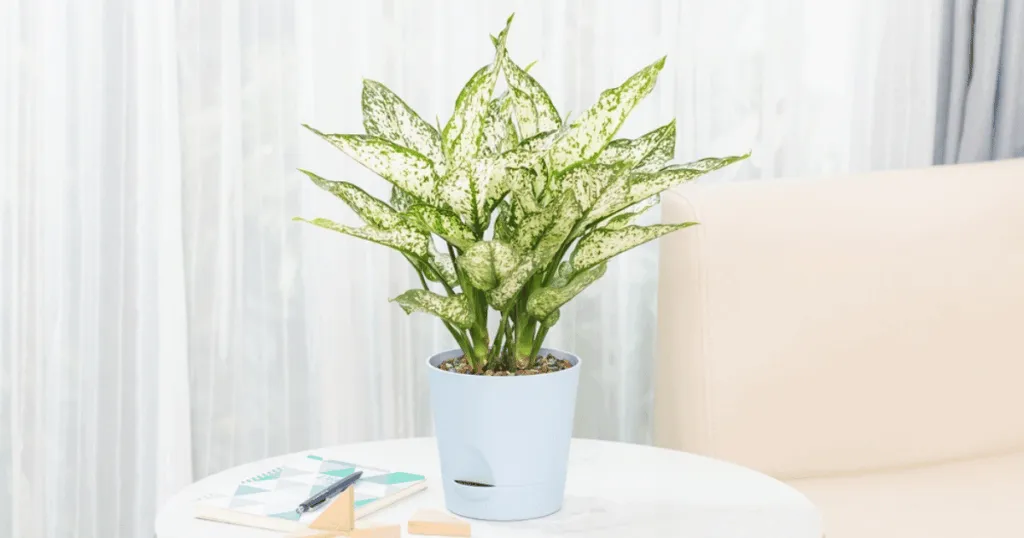
Also sold as Aglaonema, the Chinese Evergreen features striking patterned foliage that maintains its visual appeal under medium to low interior lighting. While many variegated varieties require bright sun, this species keeps its color integrity in purely artificial environments. The care routine remains straightforward, requiring only standard watering when the top inch of soil feels dry.
Office environments benefit greatly from the rich color variations of this species. Even under artificial illumination, its variegated leaf patterns provide a welcome visual break from neutral office walls and computer screens.
Parlor Palm
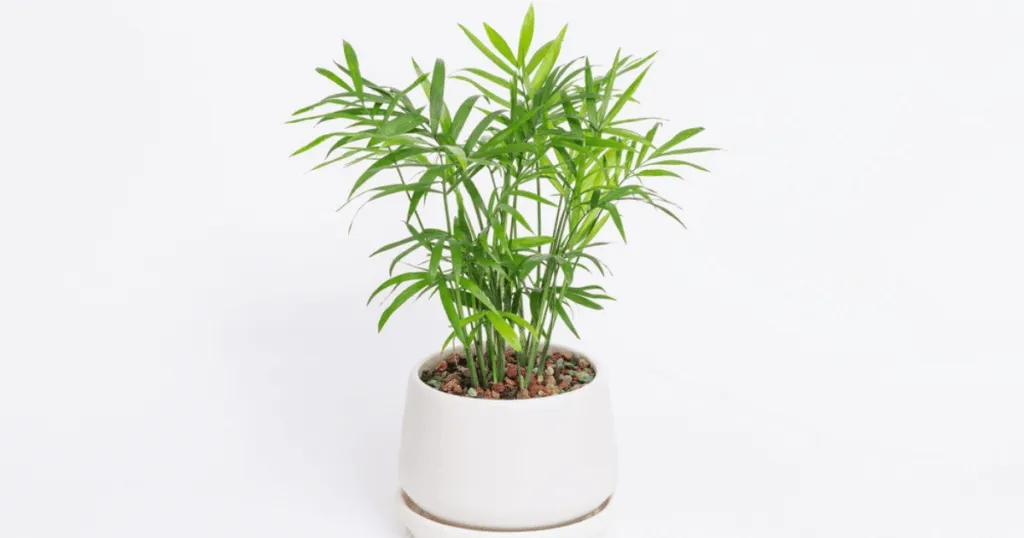
For office managers seeking a softer, tropical look without relying on windows, the Parlor Palm provides an elegant solution. It ranks among the most shade-tolerant palms available, performing reliably in indirect office light. A safer approach with palms is maintaining consistent, moderate soil moisture while avoiding soggy root conditions.
Unlike other tropical palms that demand bright sun, the parlor palm maintains its soft, feathery fronds away from windows. It fits neatly into corners near desks or conference tables, introducing organic texture without requiring a greenhouse climate.
Dracaena
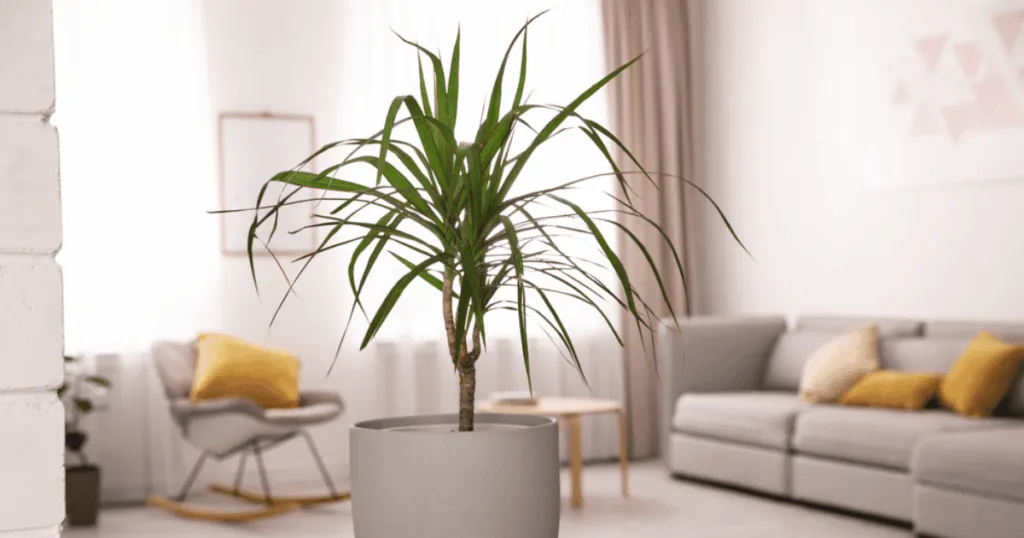
Dracaena varieties offer striking vertical height and upright cane structures that fit neatly into tight office corners. They tolerate low light conditions adequately, though growth rates slow down significantly away from windows. One common issue to watch for is fluoride sensitivity in tap water, which can cause brown leaf tips if water sits out in an open container overnight before use.
In windowless corporate rooms, dracaena varieties act as natural focal points. Their architectural silhouettes command attention in open-plan hallways and executive meeting spaces where natural light cannot reach.
Bamboo Palm
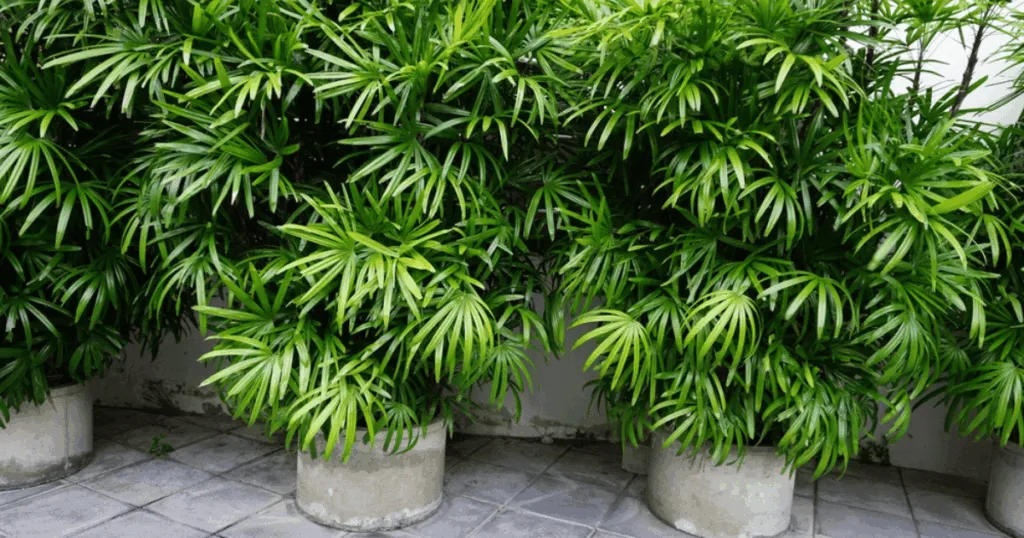
The Bamboo Palm brings a lush, clustering texture to reception areas and private offices that lack exterior views. This shade-tolerant palm grows well in indirect or artificial light without scorching or losing its dense canopy. Keeping the humidity stable helps prevent cosmetic tip browning in climate-controlled office buildings.
Facility managers often select this clustering palm to fill empty corners in windowless boardrooms. Its bamboo-like stems and vibrant green fronds soften hard architectural lines and hard flooring.
Bird’s Nest Fern
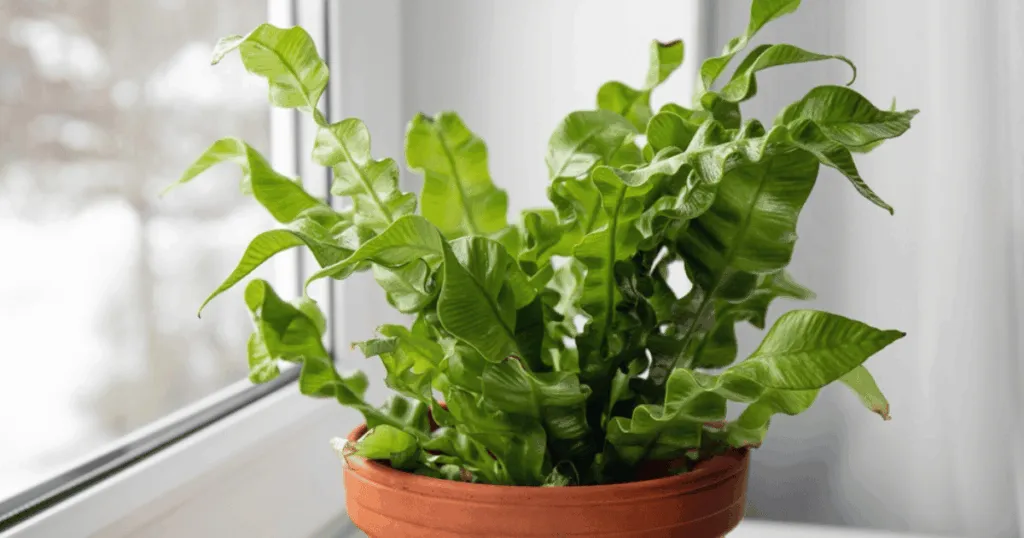
Featuring glossy, apple-green fronds arranged in a neat rosette, the Bird’s Nest Fern handles low to medium indirect light far better than other fern varieties. It prefers steady moisture in the soil, meaning it requires a slightly more attentive watering eye than a succulent or ZZ plant, yet it forgives occasional dry spells in office environments.
This fern offers a distinct structural contrast to narrow-leaved species. Its unblemished, ribbon-like fronds thrive in humid interior office zones where harsh direct sunlight would otherwise scorch delicate leaf tissue.
Peperomia
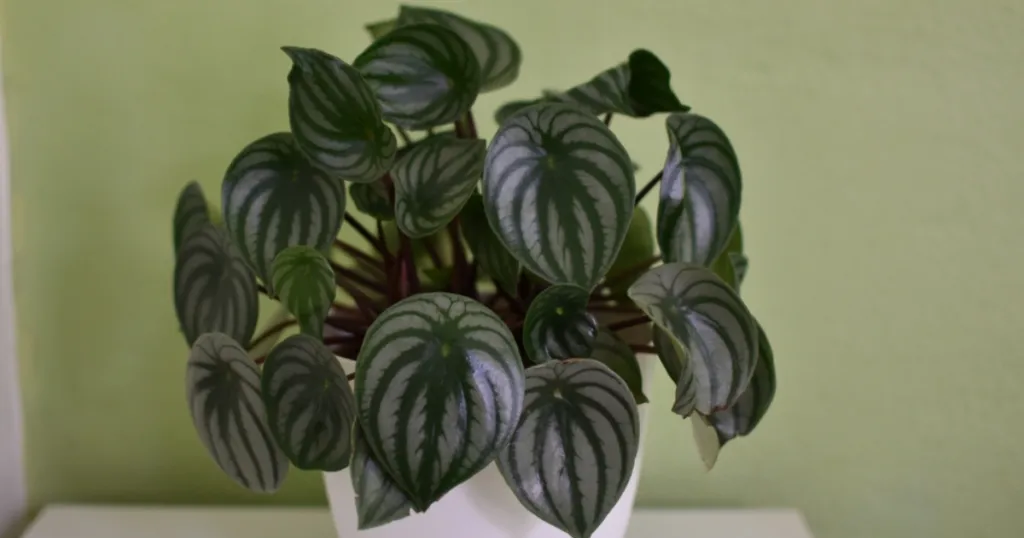
Compact and diverse in leaf texture, Peperomia varieties fit comfortably onto crowded desks right beside computer monitors. They tolerate fluorescent office lighting without stretching or losing their compact shape. Because of their small root systems, overwatering poses an immediate risk, making a cautious approach to soil moisture essential for long-term health.
Desk workers appreciate peperomias for their small physical footprint. They provide green accents on narrow surfaces without interfering with keyboards, monitors, or daily paperwork.
Placement and Lighting Strategies for Windowless Rooms
Maximizing survival rates in an interior room depends heavily on fixture positioning. When natural sunlight is missing, artificial sources dictate success. Position specimens directly beneath overhead ceiling fixtures or supplement desk areas with dedicated LED full-spectrum bulbs mounted in standard desk lamps. Running desk lamps for eight to ten hours daily provides the necessary photosynthetic boost for slower-growing species like ZZ plants and snake plants.
Air circulation also plays a critical role in windowless environments. Stagnant air combined with high humidity from HVAC systems can invite fungal issues or pests. Keeping desk fans or office ventilation systems moving prevents localized air pockets around foliage. Additionally, keep plants away from direct blasts of cold air coming straight from ceiling vents, as sudden temperature drops shock indoor species regardless of light levels.
When integrating plants into windowless conference rooms or interior offices, evaluating the duration of artificial lighting is crucial. If overhead lights are automatically switched off during weekends, facility schedules should account for the lighting needs of living greenery. Choosing species with low metabolic requirements ensures they withstand extended periods of darkness without shedding foliage or declining in structural integrity.
Limitations, Trade-Offs, and Who Should Choose Differently
Acknowledge physical realities before committing to greenery in an entirely windowless space. No living plant can thrive in absolute pitch blackness; if your office lights remain turned off for days or weeks at a time over weekends and holidays, even the toughest shade-tolerant species will eventually decline. In spaces with zero ambient light during off-hours, artificial timers attached to desk lamps become non-negotiable accessories.
Furthermore, expect much slower growth rates and reduced foliage variation. Variegated species grown in deep interior rooms may revert to solid green over time because low artificial light levels do not provide enough energy to maintain complex pigment patterns. If your heart is set on fast-growing vines or vibrant flowering specimens that demand intense sunshine, an interior office without windows is simply the wrong environment. In such cases, high-quality artificial botanical displays offer a more practical alternative to watching real plants struggle.
Office managers must also weigh the trade-offs between soil moisture retention and root aeration. Because enclosed rooms lack the convective air currents and solar heating found near glass windows, potting soil retains moisture for much longer periods. Over-scheduling watering routines based on standard home-garden guidelines will quickly lead to root rot. Adjusting the irrigation cadence to match the slow evaporation rates of artificial environments is the single most important operational shift required for success.
Editor Practical Guidance and Summary Checklist
Managing indoor greenery without windows requires adopting a disciplined, hands-off mindset. Over-attention causes more plant failures in corporate settings than outright neglect. Use this quick verification checklist before finalizing your workspace setup:
- Verify that overhead lights or desk lamps remain active for standard working hours.
- Check soil moisture depth with a finger test before adding water.
- Ensure pots feature proper drainage holes to prevent standing water at the base.
- Select resilient species like ZZ plants or snake plants for high-neglect zones.
- Keep delicate fronds away from direct HVAC vents and dry drafts.
- Schedule periodic cleaning of dust from broad leaves to maximize light absorption under indoor fixtures.
FAQ
Can office plants survive on fluorescent lighting alone?
Yes, hardy shade-tolerant species like ZZ plants, snake plants, and pothos adapt successfully to standard office fluorescent or LED lighting without any natural sunlight.
How often should I water plants in an office with no windows?
Watering frequency drops significantly in windowless rooms due to low evaporation rates. Always check that the soil is completely dry several inches down before watering.
Why are the leaves turning yellow on my windowless office plant?
Yellowing leaves in dim offices usually indicate overwatering and poor root aeration caused by slow soil drying, rather than a lack of fertilizer or light.
Do I need to leave office lights on overnight for my plants?
No, plants require a period of darkness to complete their normal respiratory cycles. Eight to twelve hours of daily artificial light is more than sufficient.