Affiliate Disclosure: As an Amazon Associate, I earn from qualifying purchases.
When selecting greenery for a professional environment, the common mistake is prioritizing aesthetic trends over environmental reality. Many plants that thrive in a greenhouse or a sun-drenched home will quickly decline in an office setting defined by low-intensity fluorescent lighting, inconsistent HVAC-driven humidity, and weekend neglect. A plant that is truly beneficial for your health in the workplace must be one that survives without constant intervention, as the stress of caring for a dying plant often outweighs the psychological benefits of having it nearby.
The best office plants for health are those that act as reliable, low-maintenance companions. They improve the visual quality of your workspace, help dampen ambient noise, and contribute to a sense of well-being by bringing a natural element into a sterile, synthetic environment. Before choosing, you must evaluate the specific light levels of your desk or reception area and be honest about your capacity to maintain a regular watering schedule.
Decision Snapshot
- Check light levels: Does your desk receive natural or artificial light?
- Assess maintenance: Choose plants that tolerate missed watering sessions.
- Verify safety: Ensure the plant is non-toxic if pets or children visit.
- Prioritize durability: Select species known for surviving HVAC-controlled air.
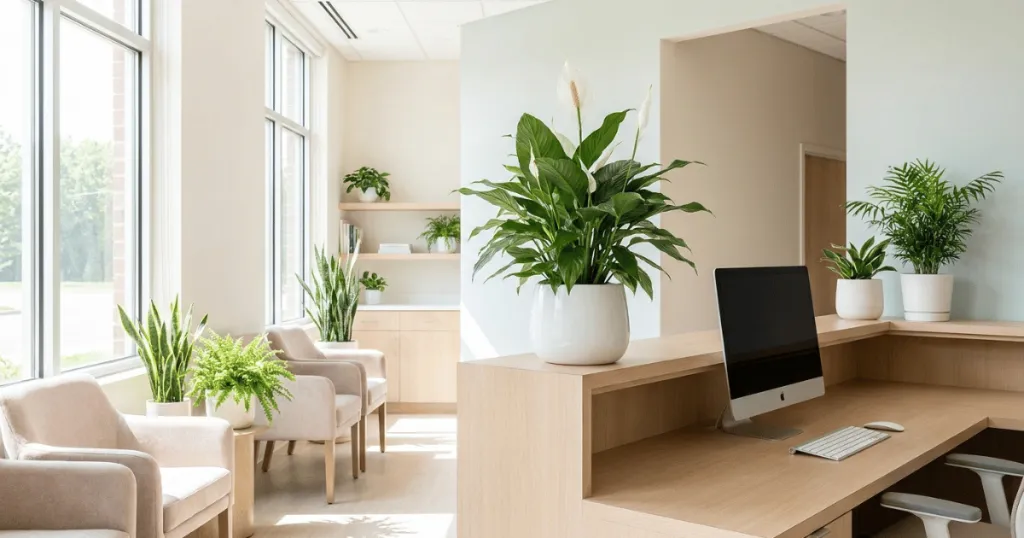
What Defines a Health-Supporting Office Plant
In an office context, the health benefits of plants are largely psychological and environmental. While much has been written about the air-purifying capabilities of indoor plants, it is important to understand that in a typical office with constant air exchange, the impact of a few potted plants on overall air quality is modest. The real value lies in the reduction of mental fatigue and the creation of a more restorative environment. A plant that requires daily misting, precise temperature control, or constant pruning is not supporting your health; it is adding another task to your to-do list.
Reliability is the primary metric for success. Office environments are frequently subjected to weekend temperature drops, dry air from heating systems, and uneven lighting. Plants that possess high levels of resilience, such as those with thick, waxy leaves or water-storing stems, are far better suited to these conditions than delicate, thin-leaved varieties. When a plant thrives with minimal input, it provides a consistent, calming presence that helps lower stress levels throughout the workday.
Furthermore, consider the physical placement. A plant that grows rapidly and requires constant repotting will eventually become a burden. Opt for species that maintain a manageable size or grow slowly, ensuring they remain an asset to your workspace rather than an obstruction. By choosing plants that align with your actual office conditions, you ensure that your investment in greenery remains a source of comfort rather than a source of frustration.
Top Selections for Office Wellness
Snake Plant
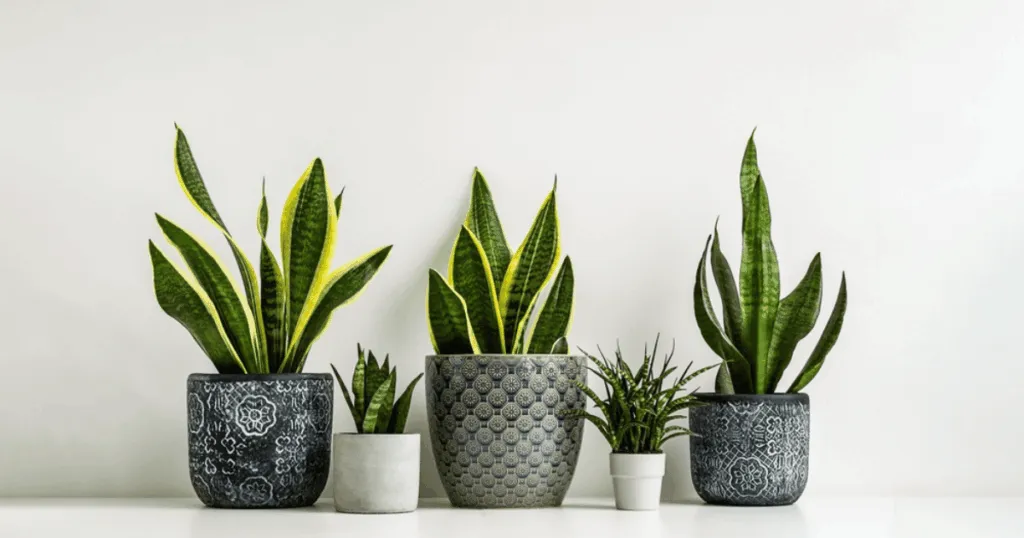
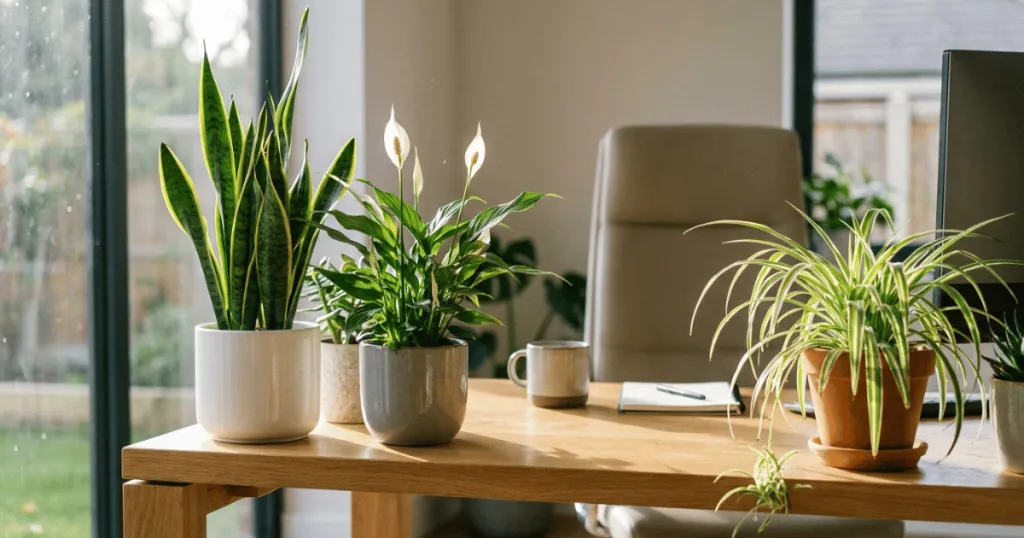
The Snake Plant is arguably the most resilient choice for any office. Its ability to tolerate low light and irregular watering makes it nearly indestructible. Because it stores water in its upright, architectural leaves, it is perfectly suited for an office manager who might forget to water over a long weekend. Note that it is mildly toxic to pets if ingested.
ZZ Plant
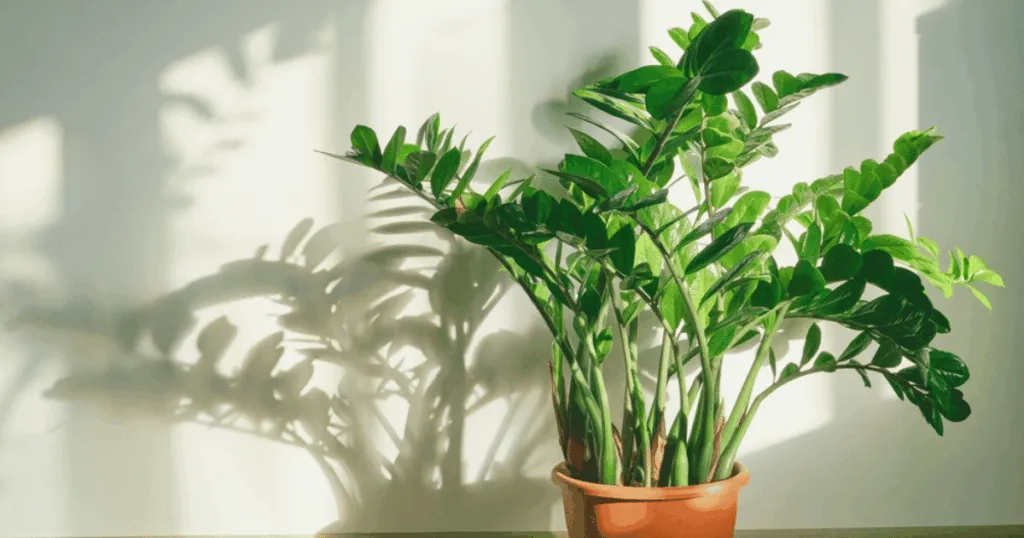
The ZZ Plant is a standout for windowless offices or those relying entirely on fluorescent lighting. It grows slowly and maintains a polished, waxy appearance that looks professional in any setting. It is highly tolerant of neglect, making it a low-stress addition to a busy desk. Be mindful that it contains calcium oxalate crystals and should be kept away from curious pets.
Cast Iron Plant
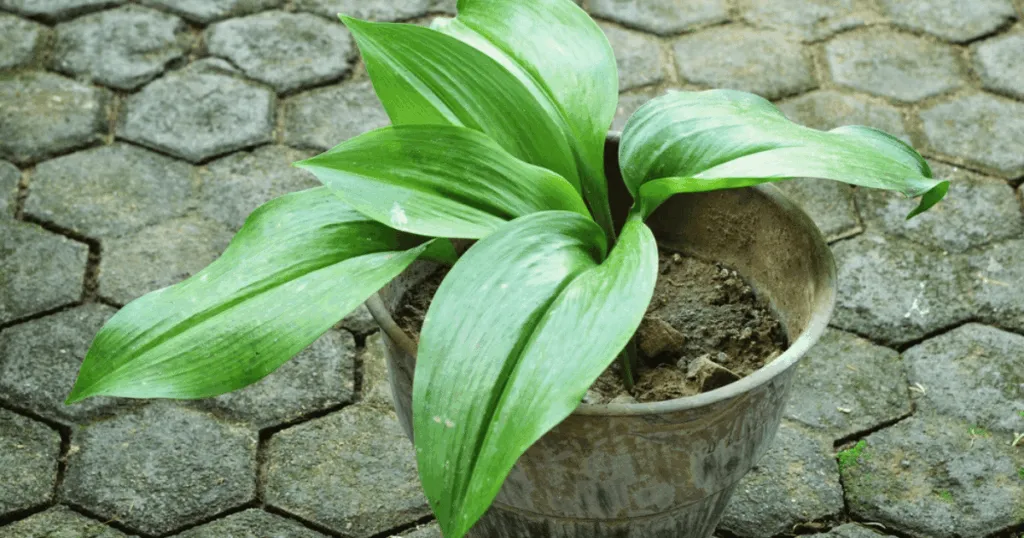
True to its name, this plant is exceptionally tough. It handles low light and temperature fluctuations better than almost any other indoor species. It is an ideal choice for reception areas or corners that receive very little natural light, providing a lush, green aesthetic without the need for constant attention. It is also non-toxic, making it a safe choice for pet-friendly offices.
Spider Plant
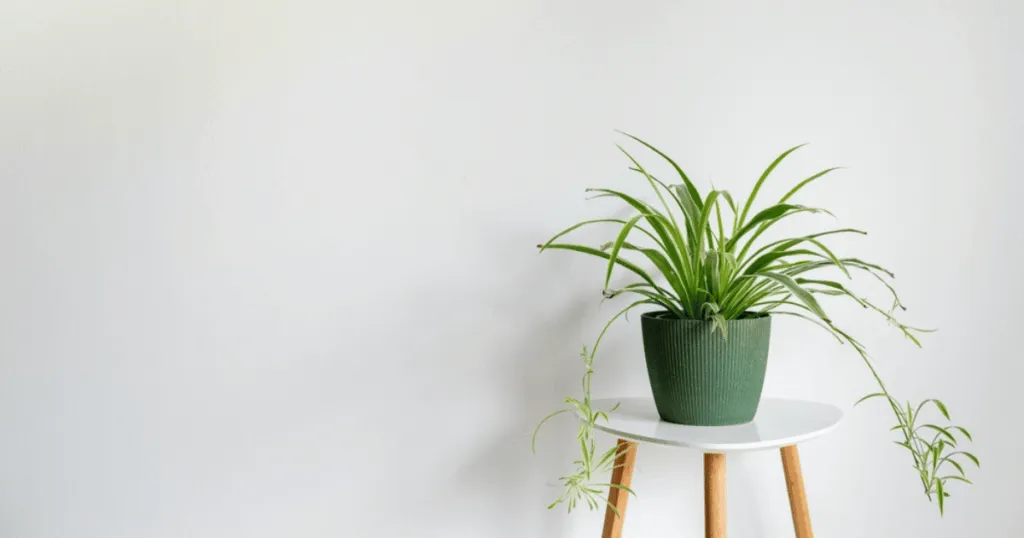
If you prefer a plant that offers a bit of visual movement, the Spider Plant is a classic. It is non-toxic, making it a safe choice for offices that allow pets. It thrives in medium light and produces small plantlets that can be easily propagated, adding a rewarding element to your workspace.
Parlor Palm
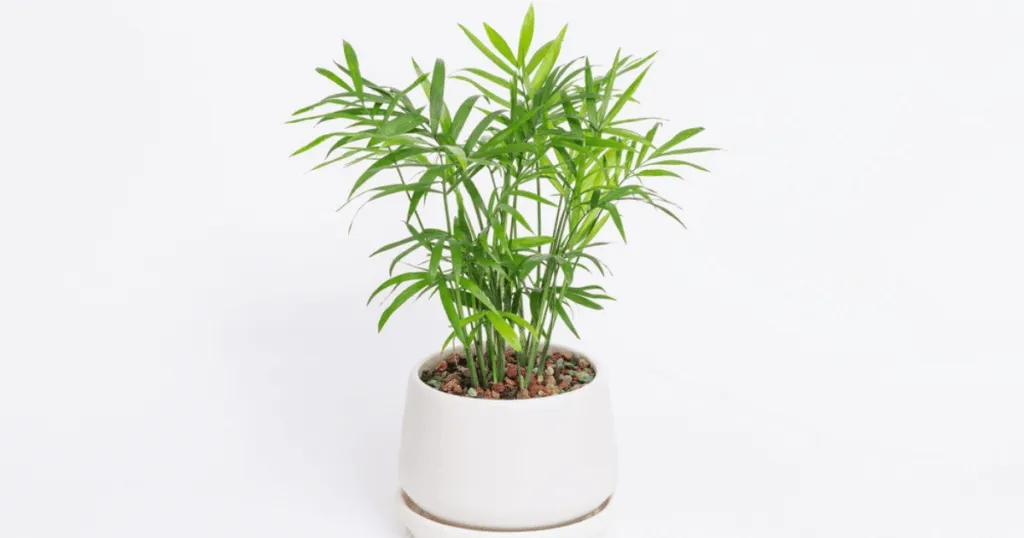
For those looking to add a touch of elegance to a meeting room, the Parlor Palm is a top-tier option. It is one of the few palms that genuinely tolerates lower light levels. It provides a soft, feathery texture that contrasts well with the hard edges of office furniture and is entirely non-toxic.
Pothos
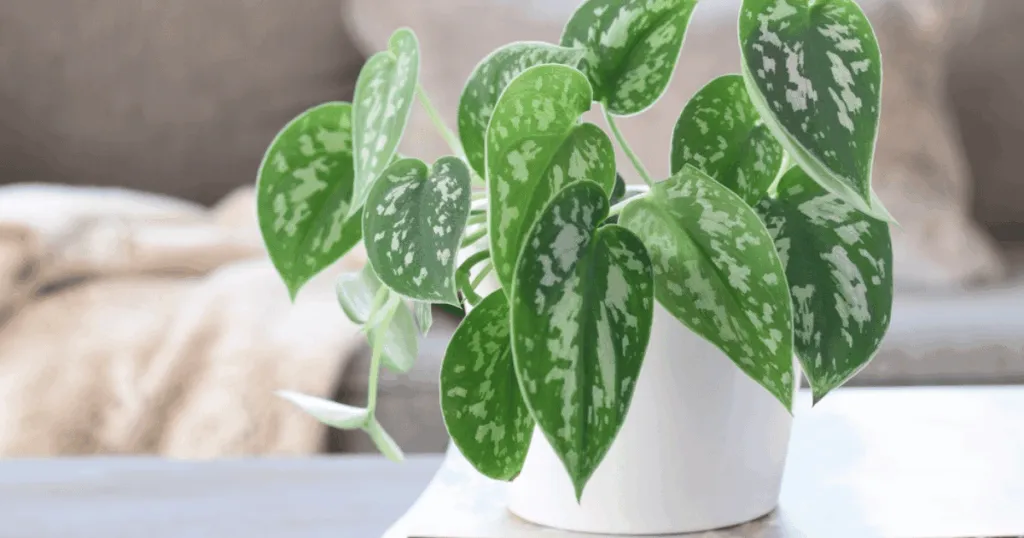
Pothos is a versatile trailing plant that can be kept on a high shelf or in a hanging basket. It is incredibly communicative, as its leaves will slightly droop when it is thirsty, giving you a clear signal that it needs water. It adapts well to various light conditions, from dim corners to bright windowsills. Note that it is toxic to pets.
Chinese Evergreen
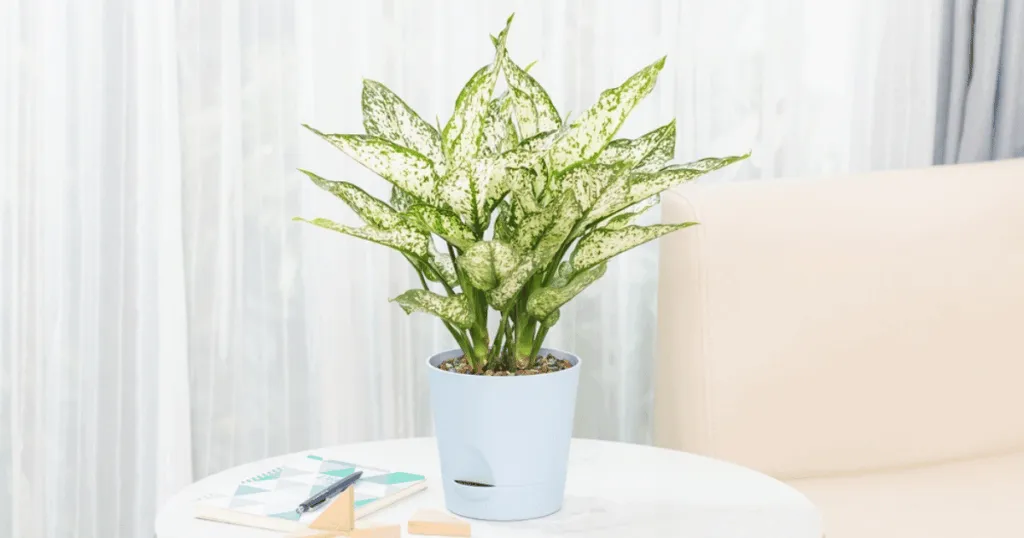
Also known as Aglaonema, this plant offers a variety of leaf patterns and colors that can brighten up a dull cubicle. It is very forgiving of inconsistent watering and remains compact, making it perfect for smaller desk spaces where you do not want the plant to take over your work surface.
Peace Lily
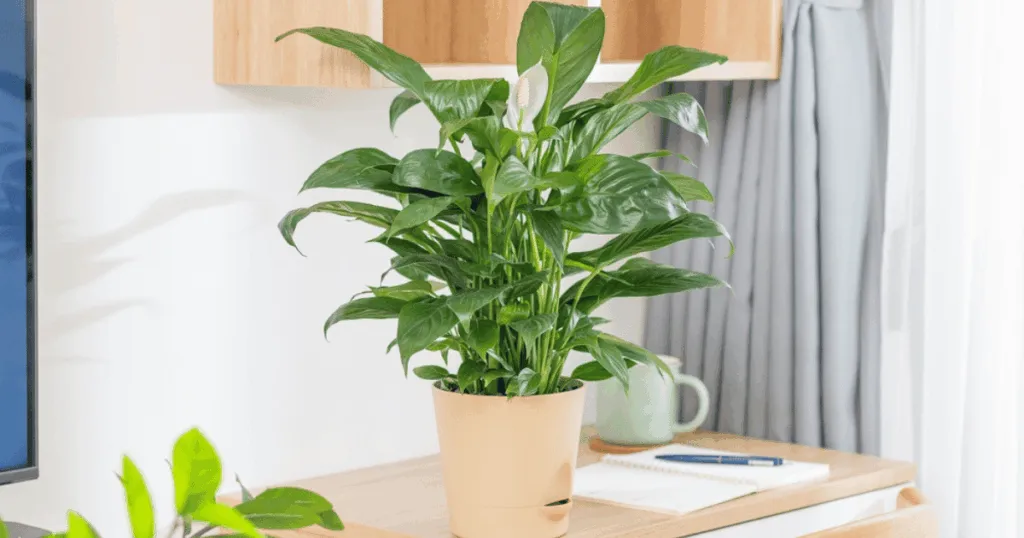
While it can produce elegant white blooms, the Peace Lily is primarily valued for its broad, deep green leaves. It prefers consistent moisture and will visibly wilt when it needs water, acting as a reliable indicator for your care routine. It is best suited for offices with at least moderate light levels and is toxic to pets.
Heartleaf Philodendron
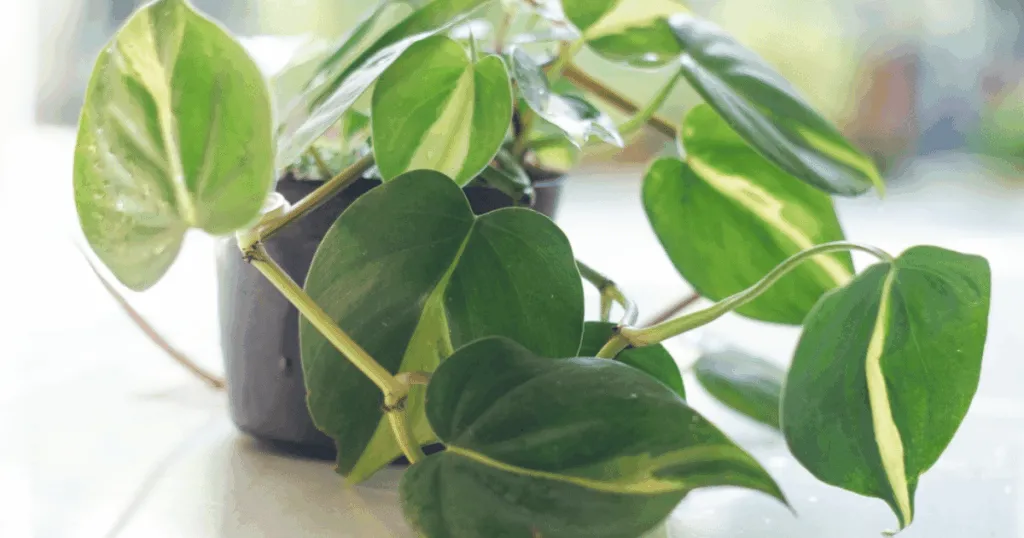
A classic choice for trailing greenery, the Heartleaf Philodendron is highly adaptable. It handles medium light well and is very easy to propagate in water, which can be a fun, low-stakes project for a desk. Keep it away from pets due to its toxicity.
Rubber Plant
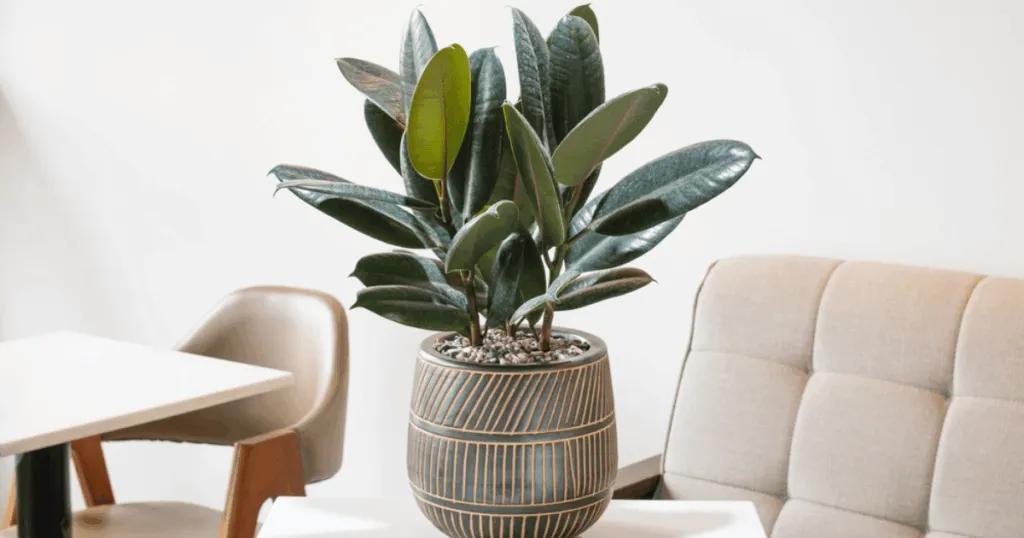
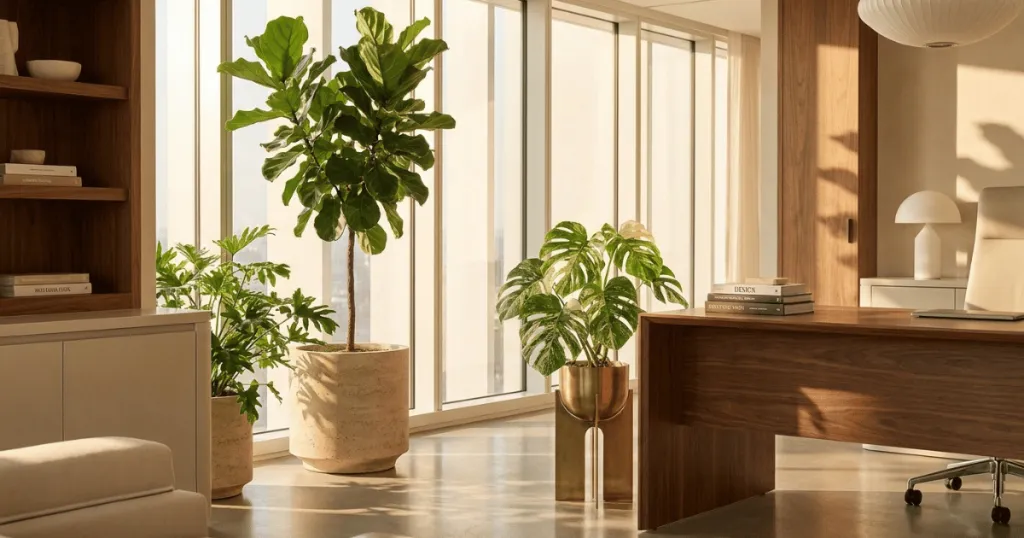
For a more structural, bold look, the Rubber Plant (Ficus elastica) offers thick, glossy leaves. It prefers bright, indirect light. While it is a bit more sensitive than a Snake Plant, it makes a strong visual statement. Note that its sap can be an irritant to skin and is toxic to pets.
Monstera
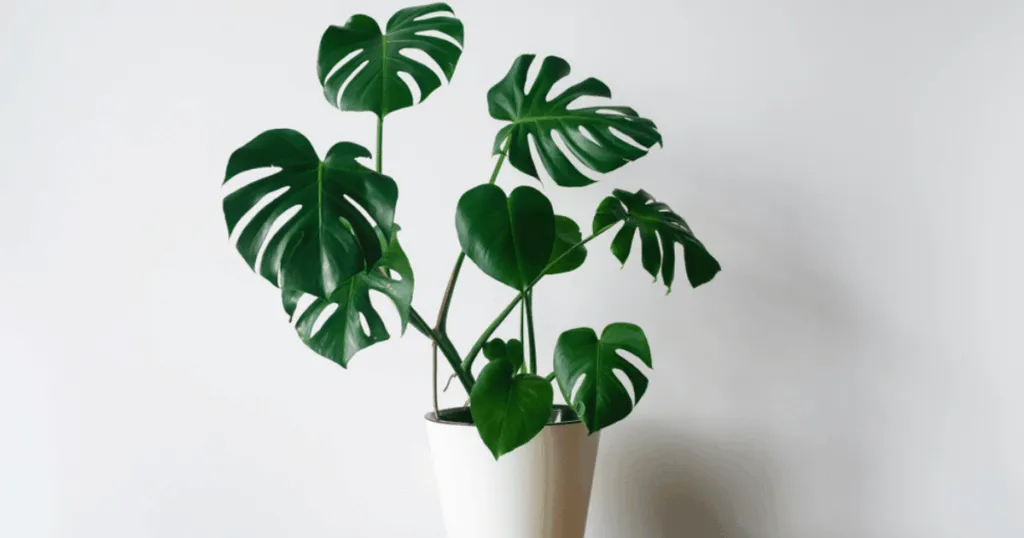
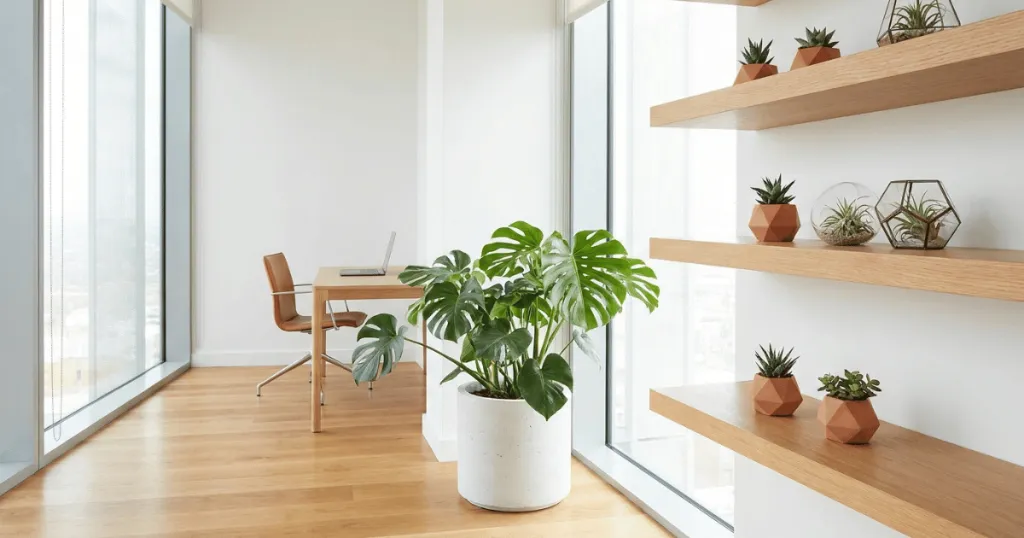
The iconic split-leaf Monstera is popular for its dramatic foliage. In an office, it requires bright, indirect light to develop its signature fenestrations. It is a moderate-difficulty plant that rewards the owner with significant growth if given enough space and light.
Dracaena
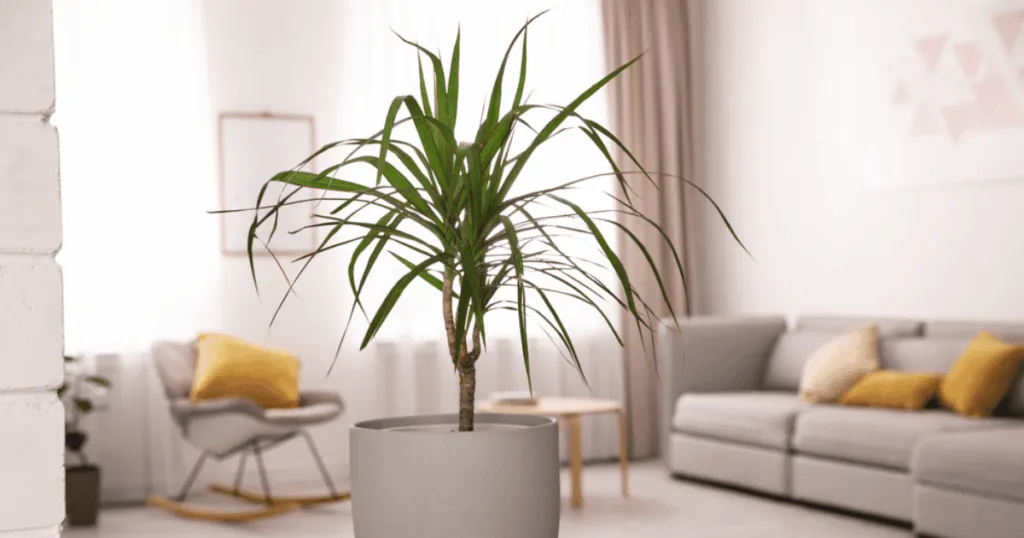
Dracaena varieties are excellent for adding height to a corner. They are tolerant of lower light but sensitive to fluoride in tap water, which can cause brown tips. Using filtered water can help maintain their aesthetic appeal.
Kentia Palm
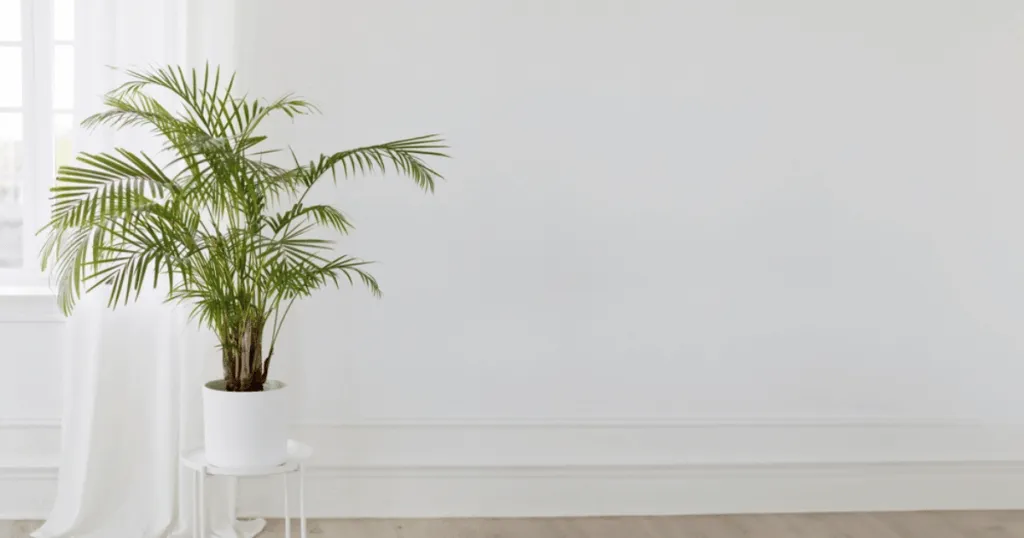
If you need a larger, floor-standing plant for a reception area, the Kentia Palm is the gold standard. It is slower-growing than other palms, meaning it won’t outgrow its space quickly, and it is non-toxic to pets.
Bamboo Palm
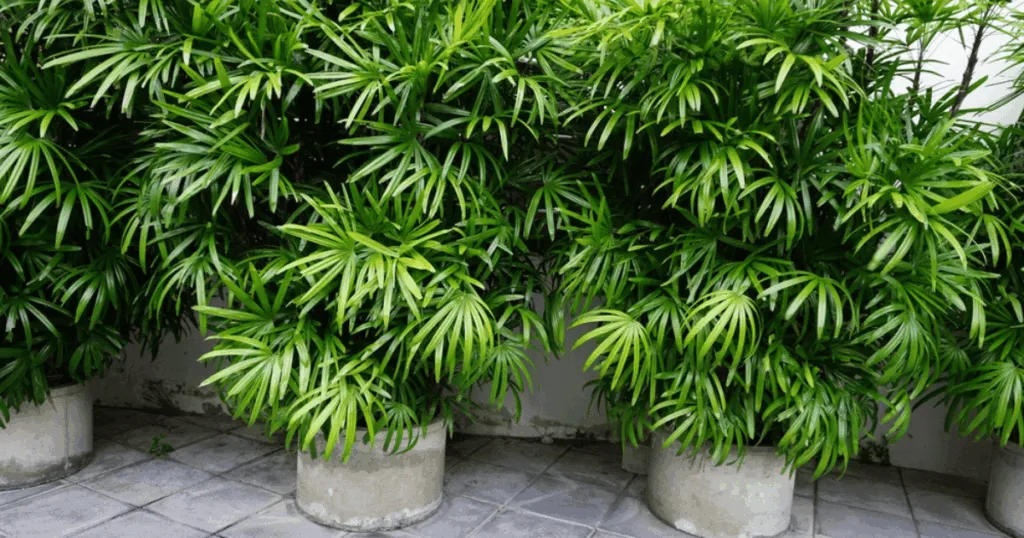
This clustering palm is excellent for filling empty corners. It prefers consistent moisture and is non-toxic, making it a great, safe alternative to other, more toxic floor plants.
Peperomia
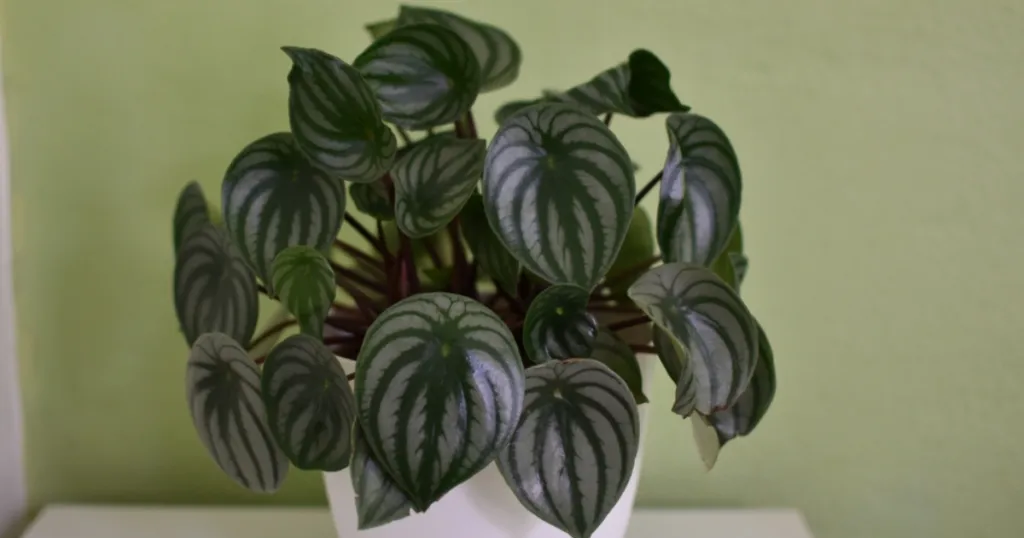
For tiny desks, Peperomia species are perfect. They are semi-succulent, meaning they don’t mind if you forget to water them occasionally, and they come in a wide variety of leaf textures and colors. They are non-toxic to pets.
Fittonia (Nerve Plant)
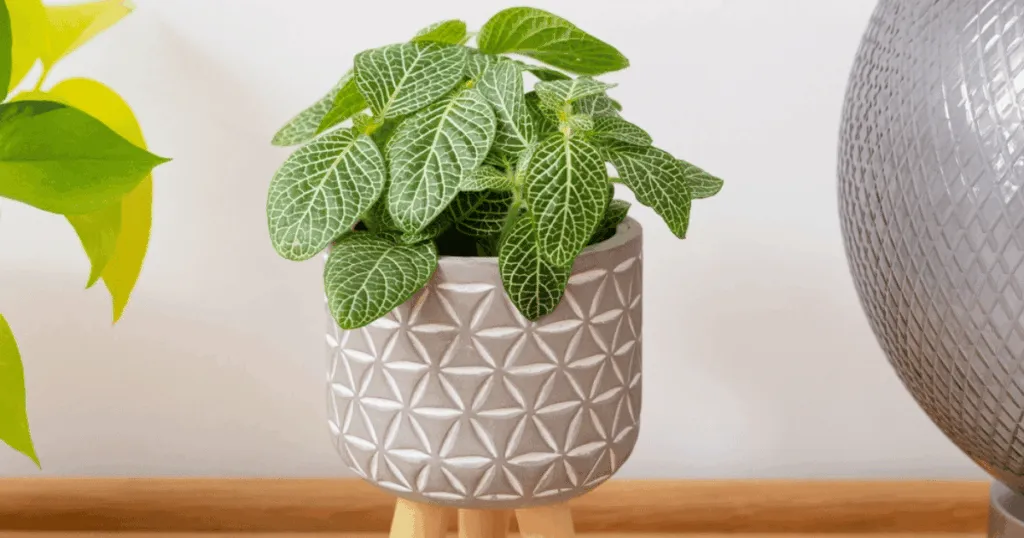
If you want a plant that tells you exactly when it needs water, the Fittonia is it. It will collapse dramatically when dry and perk right back up after a drink. It does require higher humidity, so it is best for desks with a small humidifier or a pebble tray.
Hoya
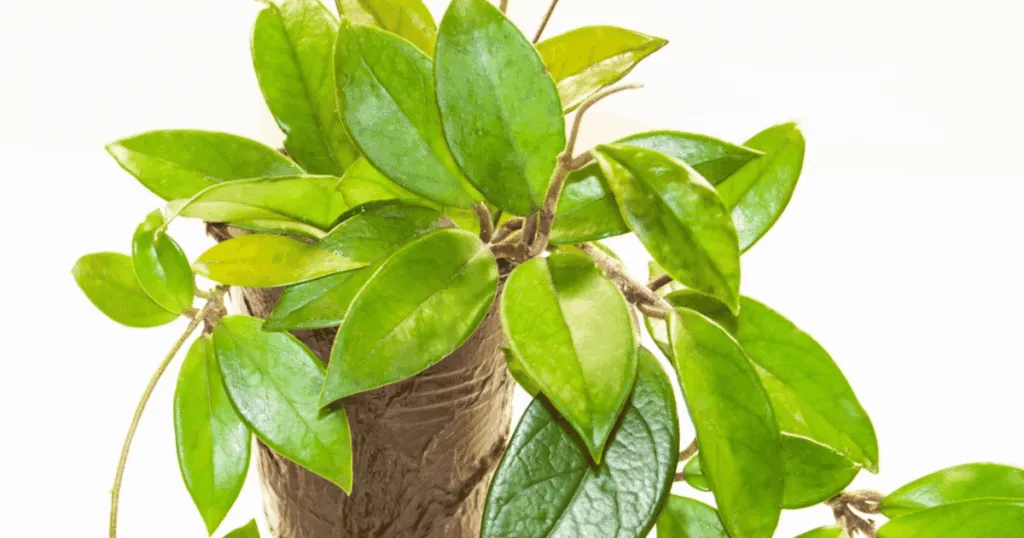
Hoya species are the ultimate low-maintenance, semi-succulent trailing plants. They are very drought-tolerant and can survive in offices where other plants might fail due to neglect. They are non-toxic to pets.
Syngonium (Arrowhead Plant)
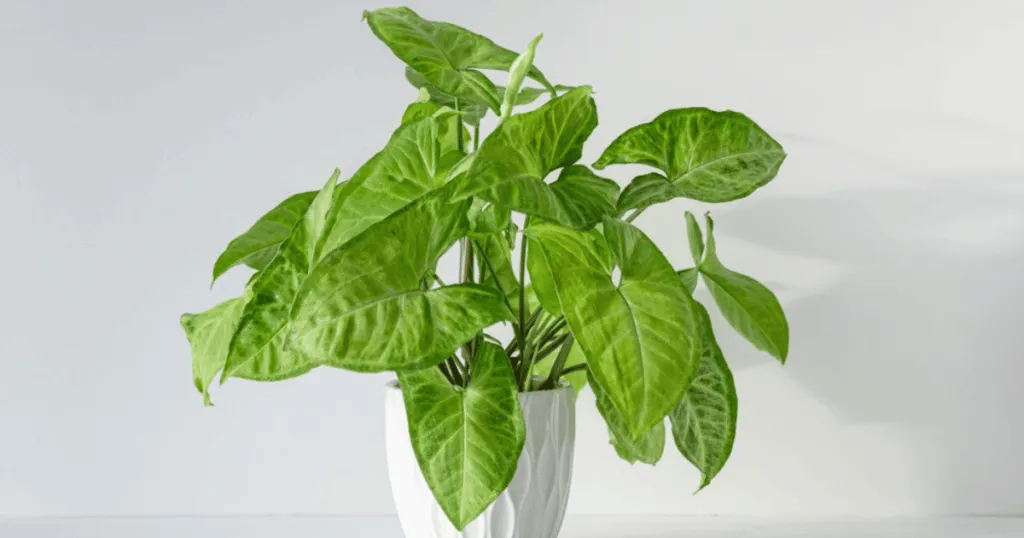
The Arrowhead plant is a fast grower that changes leaf shape as it matures. It is very adaptable to different light levels, though it prefers bright, indirect light to maintain its variegation.
Schefflera (Umbrella Tree)
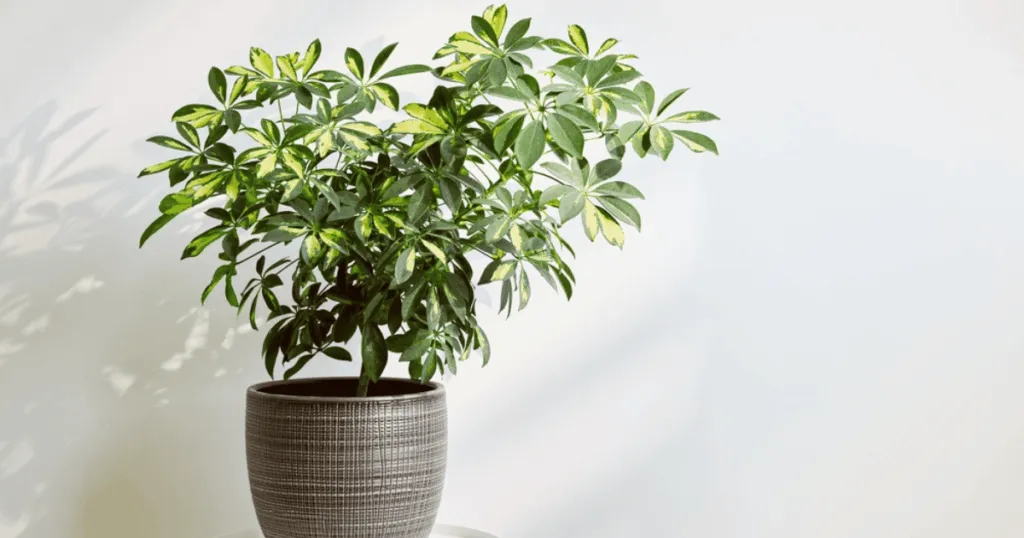
The Schefflera is a classic office plant that handles fluorescent lighting surprisingly well. It can grow quite large, so it is best suited for floor placement in offices with adequate vertical space.
Ponytail Palm
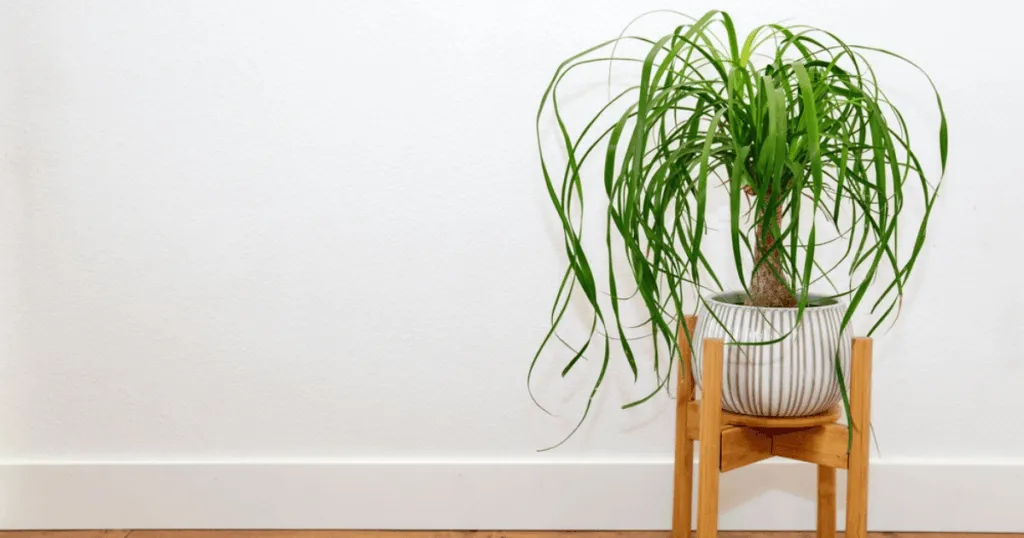
Despite the name, this is not a palm but a succulent. It stores water in its bulbous trunk, making it one of the most drought-tolerant plants available. It is non-toxic and perfect for sunny desks.
Yucca
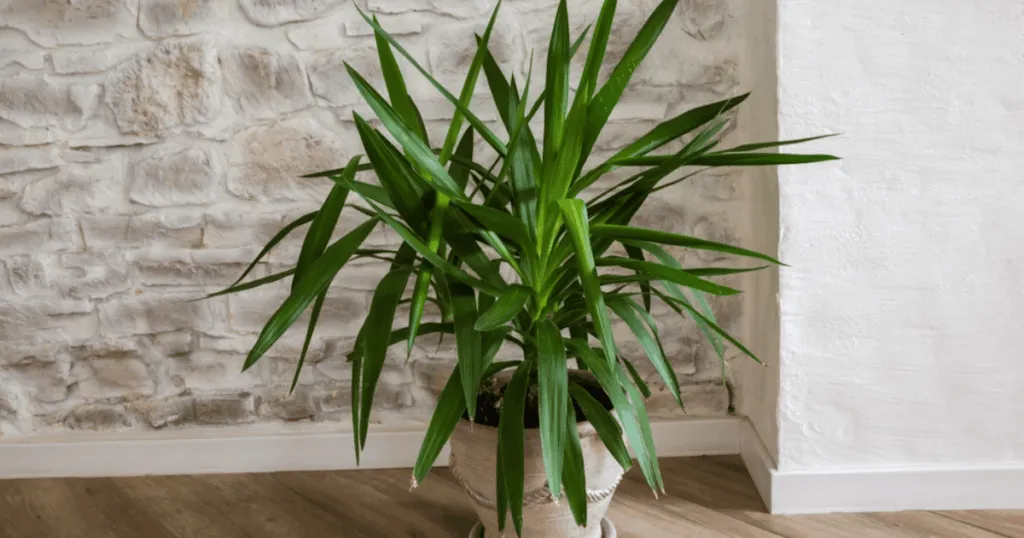
A great choice for bright, sunny spots, the Yucca offers a desert aesthetic. It is very drought-tolerant, though its sharp leaf tips should be considered if placed in high-traffic areas.
Placement and Use-Case Breakdowns
Strategic placement is key to keeping your office plants healthy. For desks, prioritize compact plants like the Peperomia or Chinese Evergreen. These species do not crowd your workspace and can thrive even when tucked into a corner near a monitor. In reception areas, larger, architectural plants like the Snake Plant or a tall Kentia Palm create a professional, welcoming atmosphere that requires minimal daily maintenance.
Meeting rooms often suffer from inconsistent light and temperature. Here, the Cast Iron Plant or the ZZ Plant are your best allies. These plants handle the lack of consistent care during periods when the room is not in use. Avoid placing delicate plants like the Boston Fern in areas with high drafts from HVAC vents, as the moving air will quickly dry out their foliage and lead to browning.
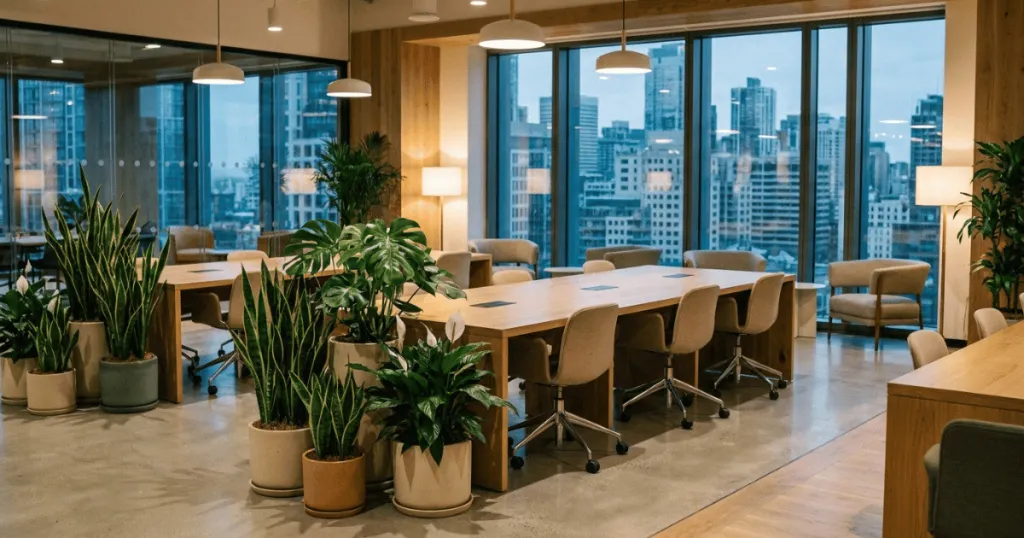
For open-plan offices, consider using larger plants as natural room dividers. A row of Snake Plants or a large Schefflera can provide a sense of privacy and dampen sound, contributing to a more focused work environment. Ensure these larger plants are placed in stable containers that won’t tip over in high-traffic zones.
Limitations and Trade-offs
The most common mistake is assuming that all plants are equally suitable for every office. If your office has extremely low light, you must avoid plants like the Croton or Jade Plant, which will quickly lose their color and become leggy. Similarly, if your office is prone to very dry air, avoid ferns, which require high humidity to remain vibrant. Choosing the wrong plant for your specific environment will lead to a cycle of replacing dead plants, which is neither sustainable nor conducive to a healthy workspace.
Another consideration is the toxicity of common office plants. If your office is a public-facing space where children or pets might be present, you should prioritize non-toxic options such as the Spider Plant, Cast Iron Plant, or Parlor Palm. While many popular office plants contain calcium oxalate crystals that can cause irritation if ingested, choosing non-toxic alternatives removes this concern entirely. Always research the specific species before bringing it into a shared environment.
Finally, consider the growth rate. A fast-growing plant might look great today but could become a maintenance burden in six months. If you lack the time or budget for regular repotting, stick to slow-growing species like the ZZ Plant or the Kentia Palm.
Practical Maintenance Considerations
Maintaining office plants does not require a green thumb, but it does require a consistent, simple routine. The most effective approach is to check your plants on the same day each week. Use a moisture meter or simply feel the top inch of soil to determine if water is needed. A common error is overwatering, which is far more damaging than occasional underwatering. Most office plants prefer to dry out slightly between waterings. If you are unsure, it is almost always safer to wait another day before adding water.
Dust accumulation on leaves is another often-overlooked factor in office plant health. In an office environment, dust can settle on leaves and block the light necessary for photosynthesis. Every few weeks, take a damp cloth and gently wipe the leaves of your plants. This simple act keeps them looking fresh and ensures they can continue to function efficiently in your workspace.
When dealing with pests, such as spider mites or mealybugs, act quickly. Isolate the affected plant to prevent the spread to other greenery in the office. A simple wipe-down with insecticidal soap or neem oil is often sufficient for minor infestations. If a plant is severely infested, it is often better to remove it from the office entirely to protect your other plants.
A Note on Plant Selection
This guide focuses on providing practical, reliable options for the typical office environment. We have intentionally excluded high-maintenance species that require specialized equipment, such as grow lights or humidifiers, as these are generally impractical for standard desks and reception areas. Our selections are based on durability, ease of care, and their ability to thrive in common indoor conditions. By focusing on these resilient species, you can enjoy the benefits of greenery without the burden of complex maintenance, ensuring your office remains a productive and pleasant place to work.
FAQ
Can office plants really improve my health?
While plants have a modest effect on indoor air quality, their primary health benefit in an office is psychological. They reduce stress, improve focus, and create a more natural, calming environment that can mitigate the fatigue associated with long hours of work.
How often should I water my office plants?
There is no universal schedule. Instead, check the soil moisture weekly. Most office plants prefer the top inch of soil to dry out before being watered again. Overwatering is the most common cause of plant failure, so when in doubt, wait.
Which plants are best for a windowless office?
The ZZ Plant and the Cast Iron Plant are the best choices for windowless offices. They are highly tolerant of low light levels and can thrive using only the artificial fluorescent or LED lighting typically found in office buildings.
Are these plants safe for office pets?
Not all plants are safe. If your office allows pets, prioritize non-toxic varieties like the Spider Plant, Cast Iron Plant, or Parlor Palm. Always check the specific toxicity of a plant before bringing it into a space where animals might chew on the leaves.