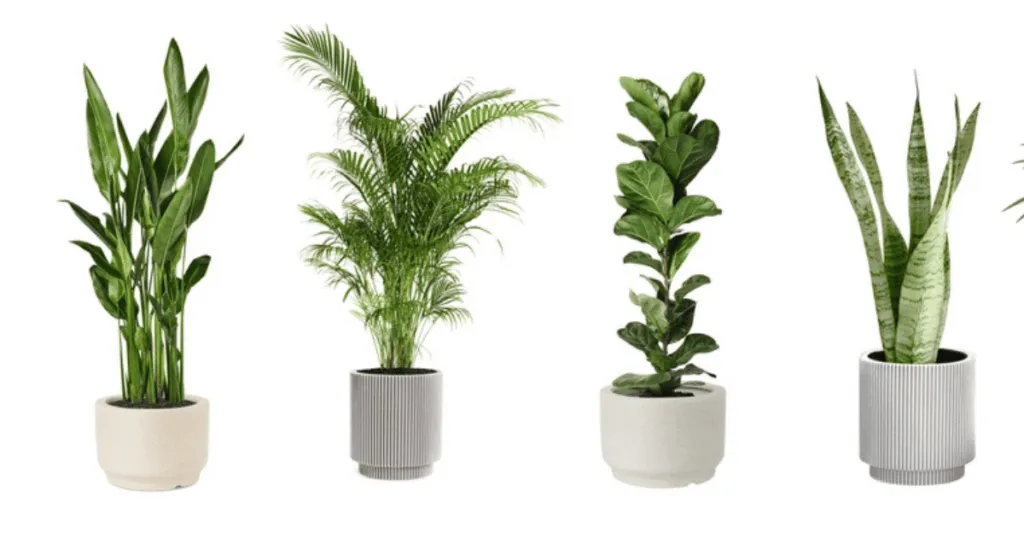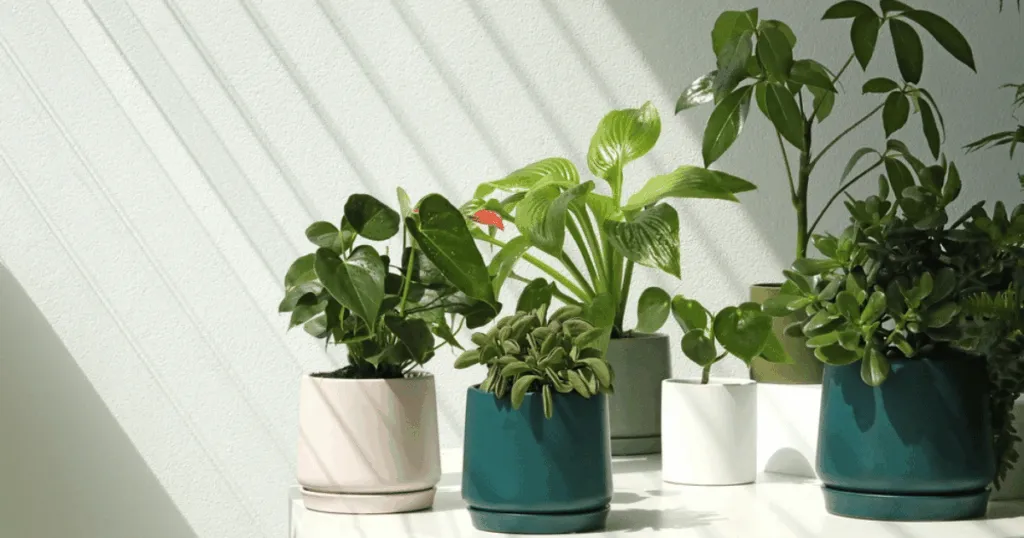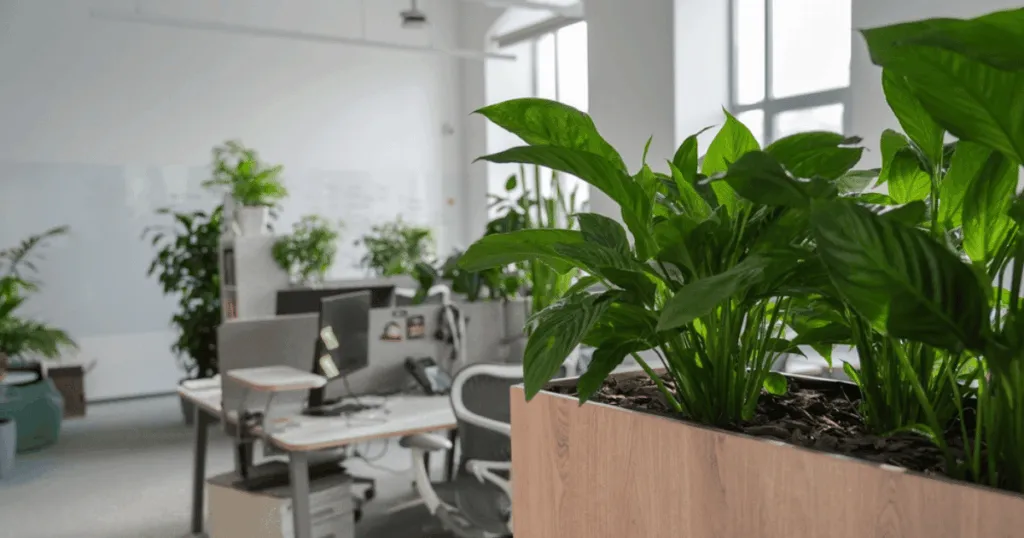
When you walk into a nursery or browse a catalog for office plants, you are often met with a mix of common names like “Snake Plant” or “Peace Lily” alongside more intimidating Latin-based labels. Understanding how plant classification works is not just an academic exercise for botanists; it is a practical tool for anyone responsible for maintaining a healthy, vibrant office environment. By grasping the basics of how plants are grouped, you can move beyond trial-and-error purchasing and start making decisions based on the actual biological needs and growth habits of the species you bring into your workspace.
Classification provides a standardized language that cuts through the confusion of regional nicknames. Whether you are managing a reception area with high foot traffic or a quiet corner office with limited natural light, knowing the genus and species of a plant allows you to predict its behavior under specific HVAC conditions. This knowledge helps you avoid common mistakes, such as placing a high-humidity tropical plant in a dry, drafty hallway or assuming that all succulents share the same light requirements. This article breaks down the system of botanical classification into actionable insights for the modern workplace.
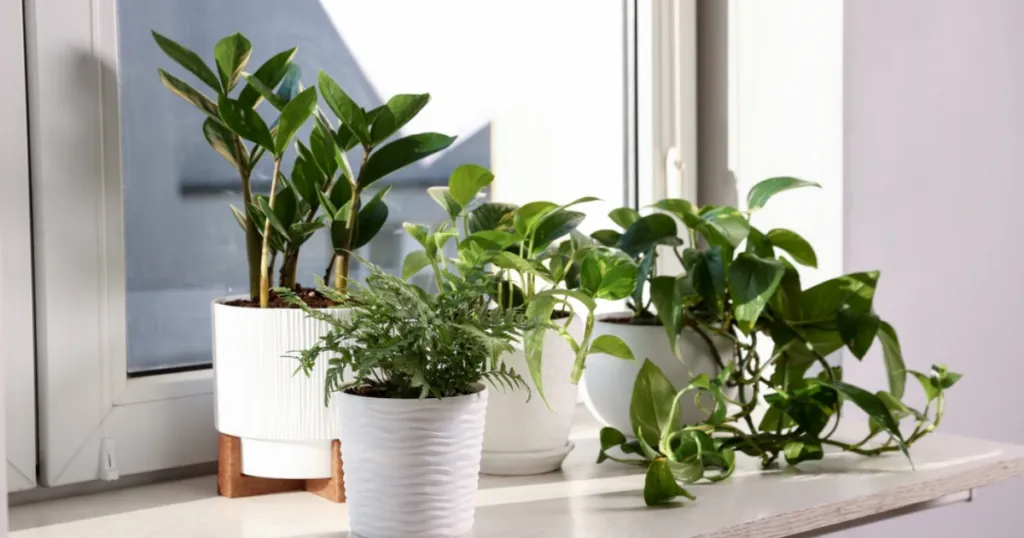
The Hierarchical Structure of Plant Taxonomy
The system used to organize the plant kingdom is called taxonomy. At its core, it is a hierarchical filing system that moves from very broad categories down to the specific identity of an individual plant. For office managers, the most important levels to recognize are the Family, Genus, and Species. Think of this as a way to understand a plant’s “extended family” and its specific “personality.”
The Family level is the broadest category you will likely use. Plants within the same family often share similar structural traits and, crucially, similar responses to environmental stressors. For example, the Araceae family includes many popular office plants like Philodendrons, Monsteras, and Pothos. If you know a plant belongs to this family, you can reasonably expect it to tolerate lower light levels and prefer consistent, moderate moisture. This is a massive advantage when you are trying to standardize care across a large office floor.
The Genus acts as a more specific grouping. If the Family is the surname, the Genus is the first name. Plants in the same genus are closely related and share very similar care requirements. For instance, the genus Sansevieria (now often classified under Dracaena) contains several species that are all incredibly hardy, drought-tolerant, and capable of thriving in the low-light conditions typical of interior offices. When you see a new plant, checking its genus is the fastest way to determine if it will survive in your specific office climate.
The Species is the final, most specific identifier. This tells you exactly which plant you have. While two species in the same genus might look similar, they may have slight differences in their growth rate, size at maturity, or sensitivity to cold drafts. By focusing on these three levels—Family, Genus, and Species—you can create a reliable mental framework for plant selection that prioritizes longevity over mere aesthetic appeal.
Practical Application of Botanical Naming in Offices
Botanical names, usually written in Latin, might seem unnecessary, but they are the only way to ensure you are getting the exact plant you need. Common names are notoriously unreliable; a “Rubber Plant” in one region might refer to a completely different species than in another. When you are ordering plants for a large-scale installation, using the scientific name eliminates ambiguity and ensures that your vendor provides plants with the specific light and water tolerances you require.
Consider the impact of light quality on your classification choices. Many office plants are classified as “low light” tolerant, but this is a broad category. By looking at the classification, you can differentiate between plants that truly thrive in deep shade—like the Aglaonema genus—and those that merely survive there. Understanding these nuances prevents the common mistake of placing a plant that requires bright, indirect light into a dark cubicle, which inevitably leads to leaf drop and a ragged appearance that detracts from the professional look of your office.
Another critical factor is the plant’s growth habit, which is often dictated by its classification. Some plants are epiphytic, meaning they grow on other structures in nature and have specific root aeration needs. Others are terrestrial. If you treat an epiphytic plant like a terrestrial one by keeping its soil constantly saturated, you will likely cause root rot. Knowing the classification helps you understand whether a plant needs a chunky, well-draining potting mix or a more moisture-retentive substrate, which is essential for plants that must survive over long weekends without human intervention.
Managing Plant Selection and Care Through Classification
When you are designing a green space for your office, use classification as a filter for your decision-making process. Start by identifying the environmental constraints of your space: light levels, temperature fluctuations, and humidity. Then, look for plant families that are documented to perform well in those specific conditions. This proactive approach is far more effective than choosing plants based on appearance alone and then trying to force your office environment to accommodate them.
A common mistake is failing to account for the “holiday cycle” of an office. If your office shuts down for a week or more, you need plants that can handle a break in the watering schedule. By selecting plants from families known for succulent leaves or water-storing tubers, you ensure that your greenery remains healthy without daily attention. This is where understanding the classification of plants like the Zamioculcas zamiifolia (ZZ plant) becomes invaluable; its botanical classification as a rhizomatous plant explains why it is so resilient during periods of neglect.
Finally, always check the specific requirements of a species before adding it to your inventory. Even within a genus, there can be outliers. One species might be highly sensitive to the fluoride found in tap water, while another is perfectly fine. By keeping a simple log of the scientific names of your office plants, you can quickly look up specific care needs whenever a plant shows signs of stress, allowing you to troubleshoot issues like yellowing leaves or stunted growth with precision rather than guesswork.
Taxonomic Nuances and Plant Physiology in the Workplace
Understanding botanical nomenclature goes beyond just naming; it provides a window into plant physiology. When you understand the taxonomic hierarchy, you begin to see patterns in how plants manage water and light. For instance, plants classified as succulents—often found in the Crassulaceae family—have evolved specialized tissues to store water. In an office, this translates to a plant that can withstand the low-humidity environment created by central heating and air conditioning systems. Conversely, plants with thin, broad leaves often originate from the forest floor and require more consistent humidity, making them poor candidates for placement directly under an air vent.
The relationship between classification and growth habits is also vital for interior landscaping. Some species are vining, while others are upright or clumping. Knowing the genus helps you predict the space requirements of a plant as it matures. A Monstera deliciosa, for example, will eventually require a significant footprint, whereas a Philodendron birkin remains compact. By using scientific classification to research the mature size of a species, you can avoid the “overcrowding” effect that often happens when plants grow faster than the office furniture allows.
The Role of Botanical Classification in Troubleshooting
When workplace greenery begins to decline, the first step should always be to verify the plant’s scientific name. Many office managers fall into the trap of applying a “one-size-fits-all” fertilizer or watering schedule to every plant in the building. However, plant care requirements are highly specific to their taxonomic group. A plant that is a heavy feeder during its growing season will exhibit nutrient deficiencies if treated the same way as a slow-growing, drought-tolerant species.
By maintaining a digital or physical list of your plants by their scientific names, you can quickly cross-reference their needs during seasonal changes. For example, as the office environment shifts from humid summers to dry winters, you can identify which of your plants are more susceptible to moisture loss based on their family traits. This allows you to group plants with similar needs together, creating micro-climates that support healthier growth and reduce the labor required for maintenance.
Strategic Selection: Using Classification to Minimize Risk
Risk management is a key component of office management. Choosing plants that are prone to pests or that require high-maintenance pruning can lead to increased costs and a cluttered, unkempt office aesthetic. By using botanical classification, you can steer clear of high-risk species. For example, certain families are more susceptible to common indoor pests like spider mites or scale. If you know that a specific genus is a magnet for these issues, you can choose a more resilient alternative that shares similar aesthetic qualities but is taxonomically distinct and less prone to infestation.
Ultimately, the goal of understanding how plant classification works is to shift from reactive care to proactive management. When you treat your office plants as living assets with specific biological requirements, you create a more sustainable and visually appealing environment. The science of taxonomy provides the roadmap for this success, turning the complex world of botany into a practical, manageable system for any office professional.
FAQ
Why do botanical names matter more than common names for office plants?
Common names are often inconsistent and vary by region, which can lead to purchasing the wrong plant for your office conditions. Botanical names—the genus and species—provide a universal, accurate identifier that allows you to look up specific care requirements, light tolerances, and water needs, ensuring you choose plants that will actually survive in your workplace environment.
How does knowing a plant’s family help with office plant care?
Plants within the same botanical family often share similar physiological traits and environmental needs. By identifying the family, you can make educated guesses about a plant’s resilience to low light, humidity, or drought. For example, knowing a plant belongs to the Araceae family helps you anticipate that it will likely prefer consistent moisture and moderate, indirect light, which simplifies care across your office.
Does knowing how plant classification works help with office maintenance?
Yes, it is a powerful troubleshooting tool. When a plant begins to decline, knowing its scientific name allows you to research its specific needs rather than guessing. You can determine if the issue is a common trait of that species, such as a dormant phase or a sensitivity to tap water, allowing you to fix the problem quickly and maintain a professional, healthy office aesthetic.
How can I use classification to choose plants for low-light offices?
Use classification to identify genera that are proven to thrive in low-light conditions, such as Aglaonema or Sansevieria. By focusing on these specific groups, you avoid the mistake of selecting plants that require high light levels to stay healthy. This ensures your office greenery remains vibrant and reduces the need for frequent replacements due to poor growth or leaf drop.