Affiliate Disclosure: As an Amazon Associate, I earn from qualifying purchases.
Finding the right greenery for a workspace filled with sunshine changes the entire atmosphere of an office. While many office plants are selected for their ability to survive in dim corners, having access to natural light opens up a wider range of species that can truly thrive rather than just endure. When you have access to a window or a bright atrium, you move beyond the standard low-light survivors and into a category of plants that can grow larger, produce more foliage, and even flower.
The primary constraint in a sun-drenched office is not the lack of light, but the intensity of it and the accompanying heat. Natural light through glass can intensify, turning a standard desk into a high-heat zone. This article focuses on selecting plants that appreciate these conditions without succumbing to the drying effects of typical office HVAC systems. We prioritize species that offer visual impact and structural beauty, ensuring your office environment feels intentional and well-maintained.
Decision Snapshot
- Select plants that tolerate direct sun exposure for windowsills.
- Prioritize humidity-resilient species for dry office air.
- Choose larger architectural plants for reception areas with light.
- Verify pet toxicity if your office is open to animals.
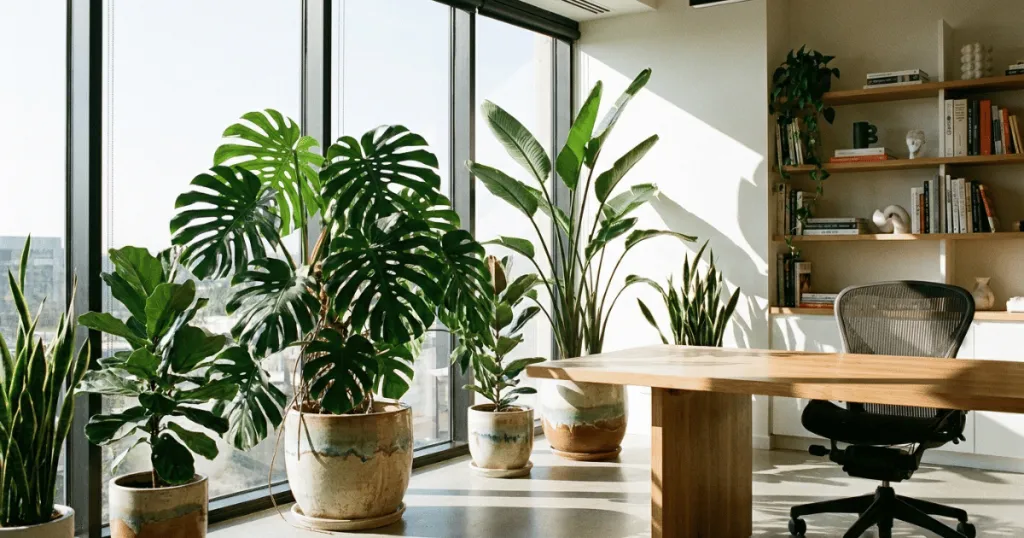
Criteria for Choosing the Best Plants for Office with Natural Light
When selecting plants for an office with natural light, the most common mistake is assuming that all bright light is identical. Direct sun hitting a glass window in the afternoon is significantly more intense than soft, filtered morning light. Understanding this distinction is the first step in ensuring your plants do not suffer from scorched leaves or stunted growth. In an office setting, you are also managing the intersection of natural light and artificial climate control. Air conditioning often strips moisture from the air, meaning that even if a plant loves the sun, it may struggle if it also requires high ambient humidity.
We evaluate these selections based on three core pillars: architectural presence, tolerance for office-specific environmental fluctuations, and ease of maintenance. A plant that requires daily misting or precise temperature regulation is generally a poor fit for a standard office, regardless of how beautiful it looks in a bright window. We focus on plants that provide a high reward for moderate care, ensuring that your investment in office greenery remains a source of pride rather than a source of stress during busy work weeks.
Top Selections for Office with Natural Light
Monstera
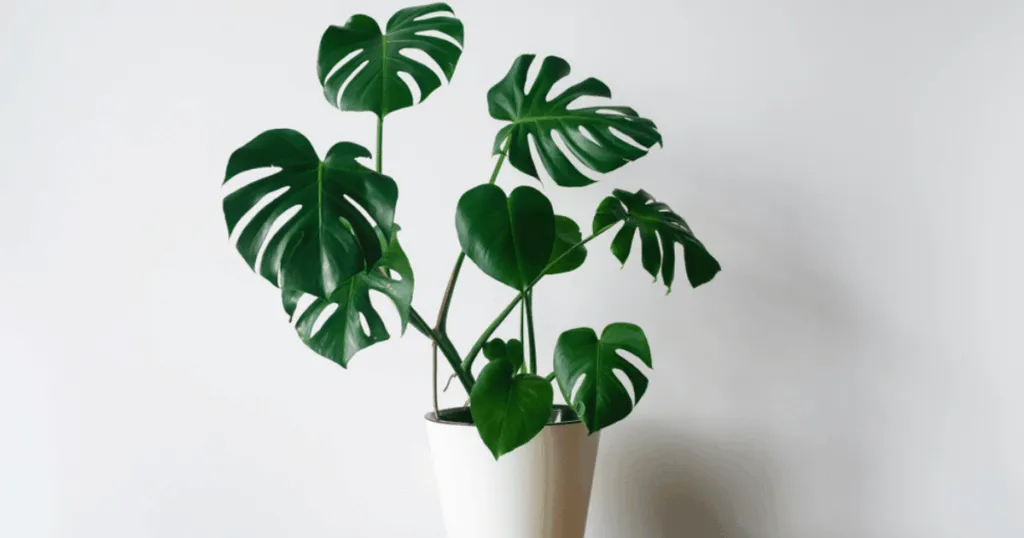
Known for its iconic split leaves, the Monstera is perhaps the most rewarding choice for a bright office corner. It thrives in bright, indirect light, where it can develop its signature fenestrations. In a sunny office, it grows vigorously, making it an excellent focal point for a reception area or a spacious private office. Be aware that it needs space to spread, as its stems can become quite wide over time. It is toxic to cats and dogs if ingested.
Rubber Plant
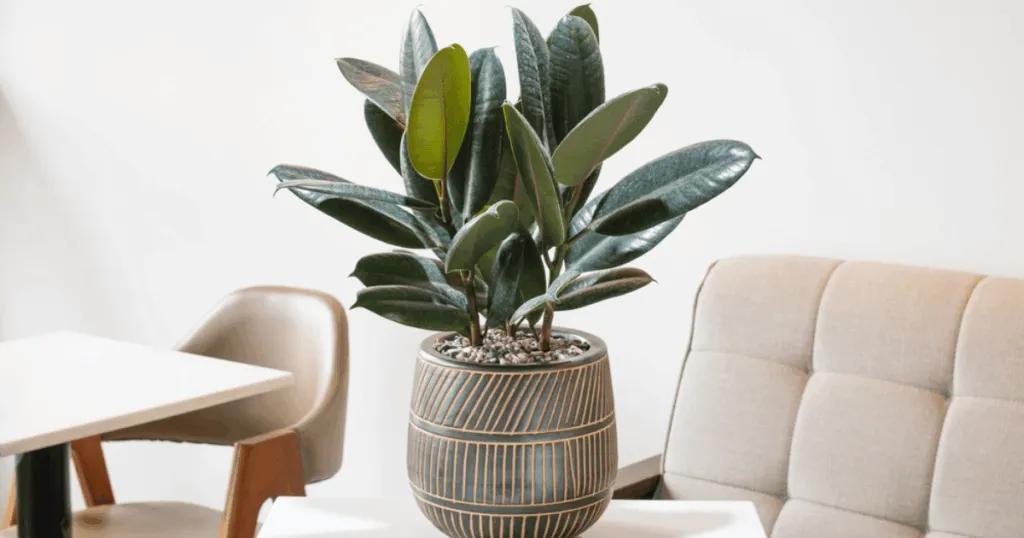
The Rubber Plant offers a polished, architectural look that fits perfectly in modern corporate settings. It prefers bright, indirect light to maintain its deep, glossy leaf color. Unlike some other tropicals, it is relatively sturdy when it comes to the occasional missed watering, provided it has enough light to sustain its growth. It is an ideal choice for those who want a substantial plant that does not require constant pruning. Note that the latex sap can be an irritant.
Bird of Paradise
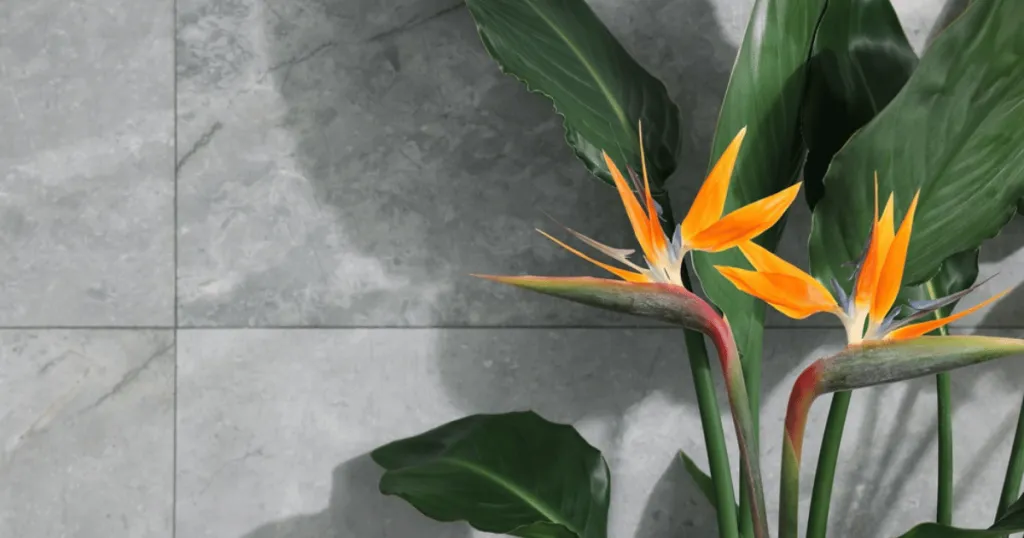
If your office has a large, south-facing window, the Bird of Paradise is a standout choice. It is one of the few plants that genuinely craves direct sun to reach its full potential. Its large, paddle-shaped leaves create a dramatic vertical element that works well in corners or flanking a doorway. It is a thirsty plant, so ensure you have a plan for regular watering during the work week.
Jade Plant
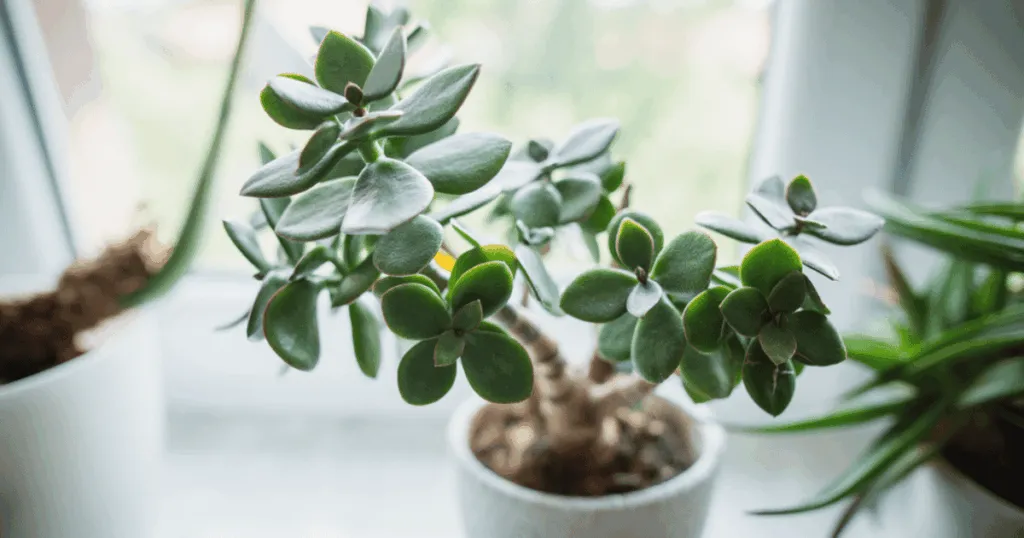
For a sunny desk or a windowsill, the Jade Plant is a classic succulent that rewards you with structural beauty. It requires bright light to prevent it from becoming leggy and weak. Because it is a succulent, it is highly tolerant of the dry air common in HVAC-controlled offices. The biggest risk with a Jade Plant is overwatering, so it is best suited for those who prefer a hands-off approach to plant care. It is toxic to pets if chewed.
Croton
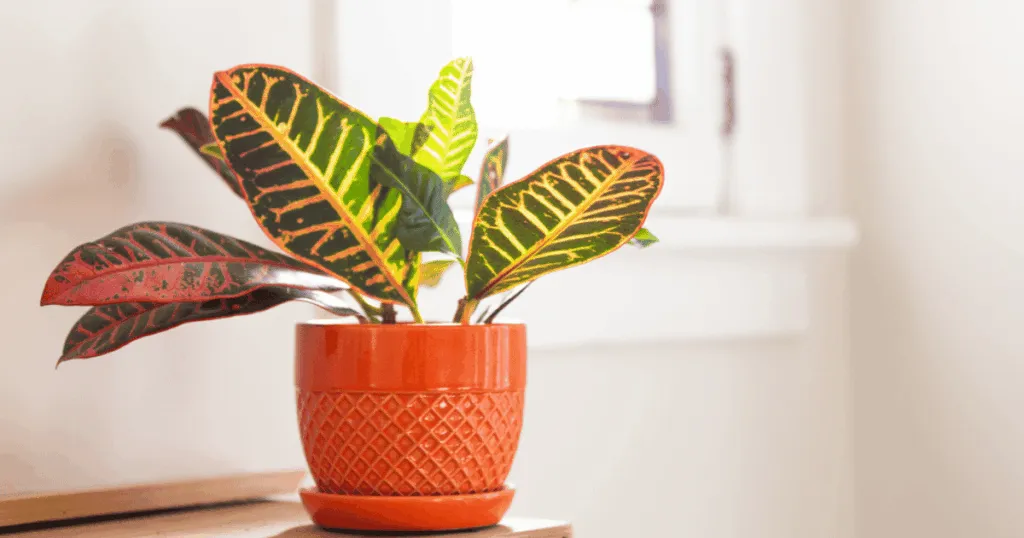
If you are looking for color, the Croton is unmatched. Its leaves feature vibrant streaks of yellow, orange, and red, but it requires strong, bright light to maintain this coloration. It is a more demanding plant, as it dislikes drafts and sudden changes in temperature. It is best placed in a stable, bright spot where it can remain undisturbed by office traffic or door swings.
Fiddle Leaf Fig
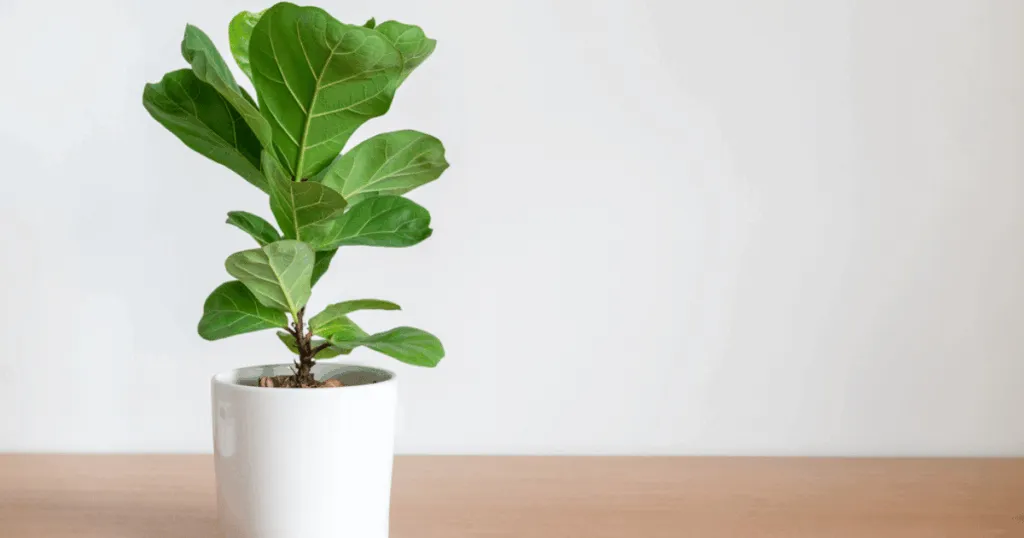
The Fiddle Leaf Fig remains a favorite for its dramatic, broad leaves and height. It loves bright, indirect light and can become a centerpiece in any office. However, it is sensitive to being moved and can drop leaves if it experiences a sudden change in its environment. It is a plant for a permanent, well-lit location where it can settle in and grow without being disturbed.
Schefflera
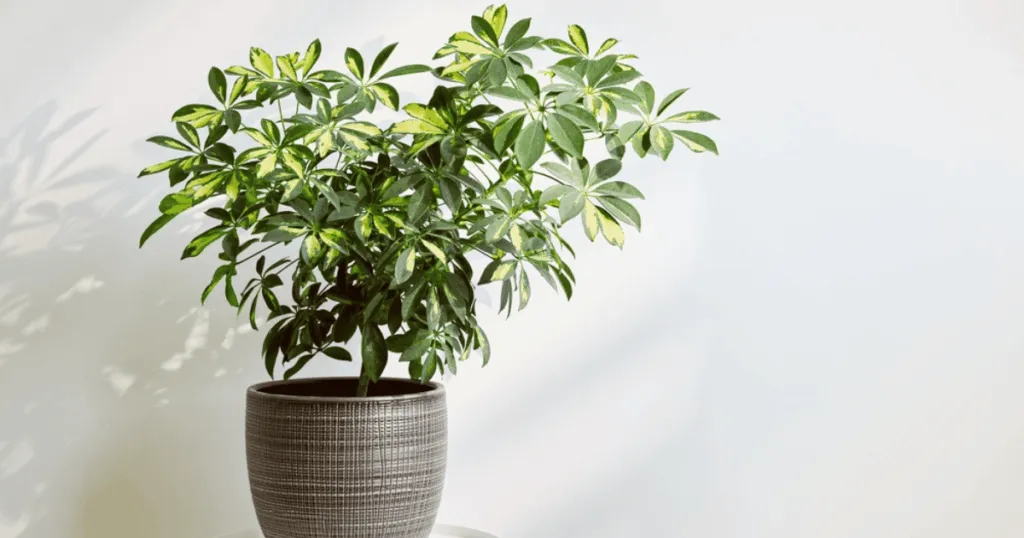
The Schefflera, or Umbrella Tree, is a versatile choice that handles bright light with ease. It is known for its compound leaves that radiate out like spokes on a wheel. It is relatively easy to maintain and can be pruned back if it starts to outgrow its designated space. It is a reliable, steady performer that adds a lush, green texture to any bright office room.
Aloe Vera
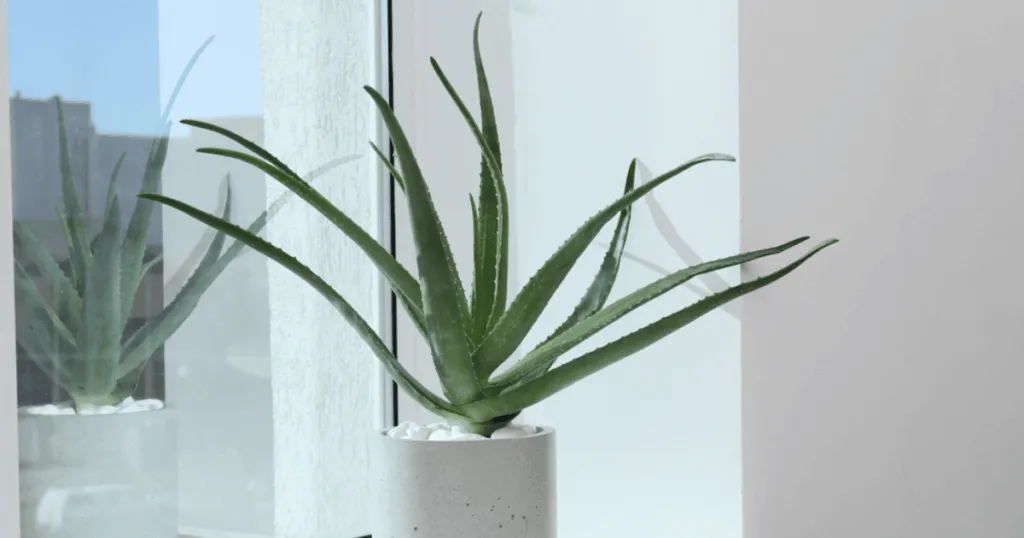
Perfect for a sunny desk, Aloe Vera is a highly functional succulent. It requires bright, direct light to thrive; otherwise, it will become pale and leggy. It is extremely drought-tolerant, making it ideal for offices where watering might be forgotten over the weekend. Keep in mind it is toxic to pets if ingested.
Hoya
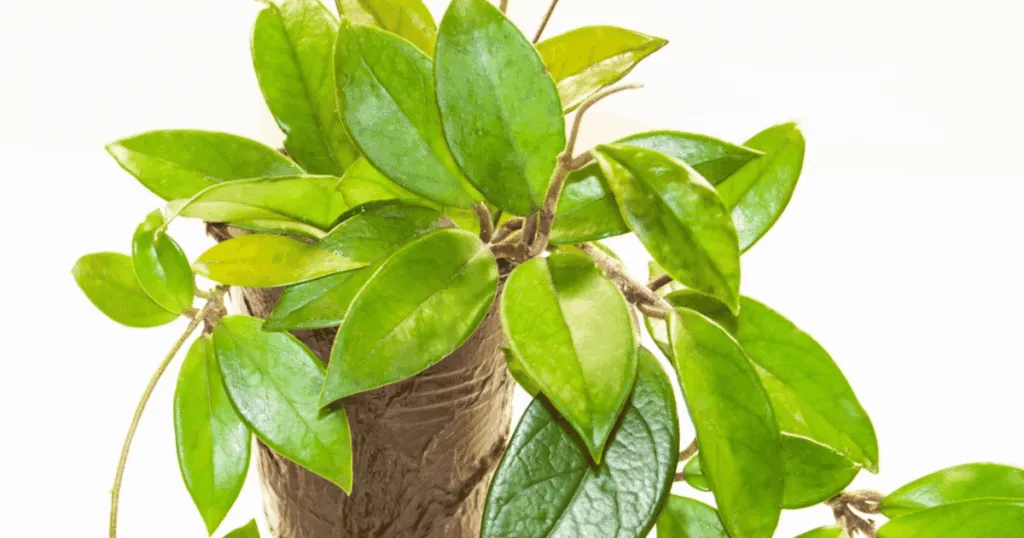
Hoya varieties are excellent for bright, indirect light. They are slow-growing, semi-succulent vines that are very forgiving of inconsistent watering. Some varieties can even produce clusters of fragrant, waxy flowers if they receive enough light. They are non-toxic, making them a safer choice for pet-friendly offices.
Ponytail Palm
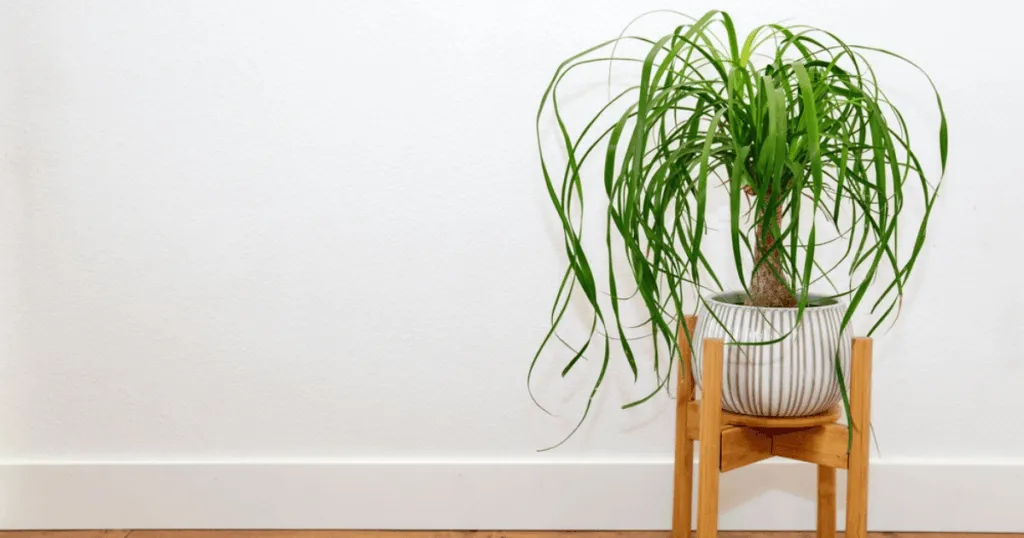
Despite the name, this is not a true palm but a succulent with a unique, bulbous trunk that stores water. It thrives in bright light and is incredibly drought-tolerant, making it perfect for busy office managers who want a low-maintenance, high-impact plant. It is non-toxic to cats and dogs.
Placement and Use-Case Breakdowns
The placement of your plant is just as important as the species selection. In a bright office, you must distinguish between a plant that needs direct sun and one that needs bright, indirect light. A plant that thrives in a bright, south-facing window might suffer from leaf burn if placed directly against the glass, while a plant that needs bright light might struggle if placed six feet away from the same window. Use your office layout to your advantage by placing larger, sun-loving specimens near the glass and smaller, light-loving plants on desks or shelves slightly further back.
For reception areas, prioritize plants that maintain a clean, tidy appearance. The Rubber Plant and Schefflera are excellent here because they do not shed leaves frequently and maintain a consistent shape. In private offices, you have more freedom to experiment with plants like the Monstera or Bird of Paradise, which provide a more personal, lush aesthetic. Always consider the traffic flow; plants with wide, sprawling leaves should be placed where they will not be brushed against by people walking by, as this can damage the foliage and stress the plant.
Limitations and Trade-offs
Choosing plants for a bright office is not without its challenges. The primary trade-off is the increased need for monitoring. Plants that grow faster in bright light will also consume water more quickly. You may find that your weekly watering schedule needs to be adjusted as the seasons change and the sun angle shifts. Additionally, bright windows often create microclimates. A plant sitting on a windowsill in the winter might be too cold at night, while the same spot in the summer might be too hot during the day. If you cannot provide a stable environment, it is better to pull the plant back a few feet from the window to protect it from these extreme fluctuations.
Another consideration is the maintenance of the foliage. In a bright office, dust on leaves is more visible, and it can actually block the light the plant needs to photosynthesize. A quick wipe-down of the leaves with a damp cloth every few weeks is a necessary task for keeping your plants healthy and looking professional. If you are unable to commit to this level of care, you may want to choose plants with smaller, more numerous leaves that are less prone to showing dust, such as the Schefflera, rather than broad-leafed plants like the Fiddle Leaf Fig.
A Note on Plant Care
Maintaining indoor greenery is a commitment to understanding the specific needs of your chosen species. We recommend checking the soil moisture of your plants at least once a week. A simple finger test, where you insert your finger an inch or two into the soil, is often more accurate than any moisture meter. If the soil is dry to the touch, it is time to water. If it is still damp, wait a few days. This simple habit prevents the most common cause of office plant decline, which is overwatering. By focusing on the plant’s actual needs rather than a rigid calendar, you will find that even the more demanding species can thrive in your office environment.
Managing Humidity and Air Quality
One of the most overlooked factors in bright offices is the impact of HVAC systems on humidity. Even if a plant is perfectly positioned for light, it may struggle if the air is excessively dry. Many tropical plants, like the Fiddle Leaf Fig or Monstera, prefer higher humidity levels than those typically found in an office environment. To mitigate this, consider grouping plants together, which creates a small microclimate that retains more moisture. Alternatively, using a decorative pebble tray with water beneath the pot can help increase local humidity without the need for complex equipment. Always ensure the pot is sitting on the pebbles, not directly in the water, to prevent root rot.
Seasonal Adjustments for Bright Offices
The intensity of natural light changes drastically throughout the year. A south-facing window that is perfectly bright in the winter may become a scorching heat trap in the summer. Office managers should be prepared to shift plants slightly away from the glass during peak summer months to prevent leaf scorch. Conversely, as days shorten in winter, you may need to move plants closer to the window to ensure they receive enough light to maintain their health. This seasonal rotation is a standard part of professional plant maintenance and ensures your greenery remains vibrant year-round.
FAQ
How do I know if my office light is bright enough for these plants?
If you can comfortably read a book without turning on an overhead light during the day, your space likely has enough ambient light for these selections. Plants needing bright light should be within three to five feet of a window.
Can I use artificial office lights to supplement natural light?
Yes, many office plants benefit from a combination of natural and artificial light. If your office is dim for part of the day, keeping the overhead lights on during work hours can help, though it is not a direct substitute for the intensity of natural sunlight.
Why are the leaves on my office plant turning brown at the tips?
Brown tips are often a sign of low humidity or inconsistent watering. Office air is notoriously dry due to HVAC systems. If your plant is in a bright, sunny spot, it may be drying out faster than you expect, requiring more frequent water.
Should I fertilize my plants in the office?
Fertilizing is beneficial during the growing season, which is typically spring and summer. Use a balanced, water-soluble fertilizer at half-strength to avoid burning the roots. Do not fertilize in the winter when growth naturally slows down.