If your office plant is showing signs of stress, the fastest, lowest-risk step is to check the soil moisture and the immediate air quality around the foliage. Calatheas are sensitive indicators of their environment, and they often react to the dry air of climate-controlled offices or the mineral content in standard tap water long before other plants show distress. Before you consider repotting or aggressive pruning, take a moment to observe the texture of the soil and the crispness of the leaf margins.
Calathea problems often stem from a mismatch between the plant’s tropical origins and the reality of a modern workspace. While these plants are prized for their dramatic foliage and movement, they require a level of consistency that can be difficult to maintain in a busy office. By understanding how these plants communicate their needs through leaf color and posture, you can often reverse damage without needing to replace the plant entirely.
The Short Version
Calathea problems usually arise from low humidity and poor water quality. If your plant is struggling, stop using tap water immediately, switch to filtered or distilled water, and place the plant on a pebble tray to increase local humidity, which is the most common failure point in office settings.
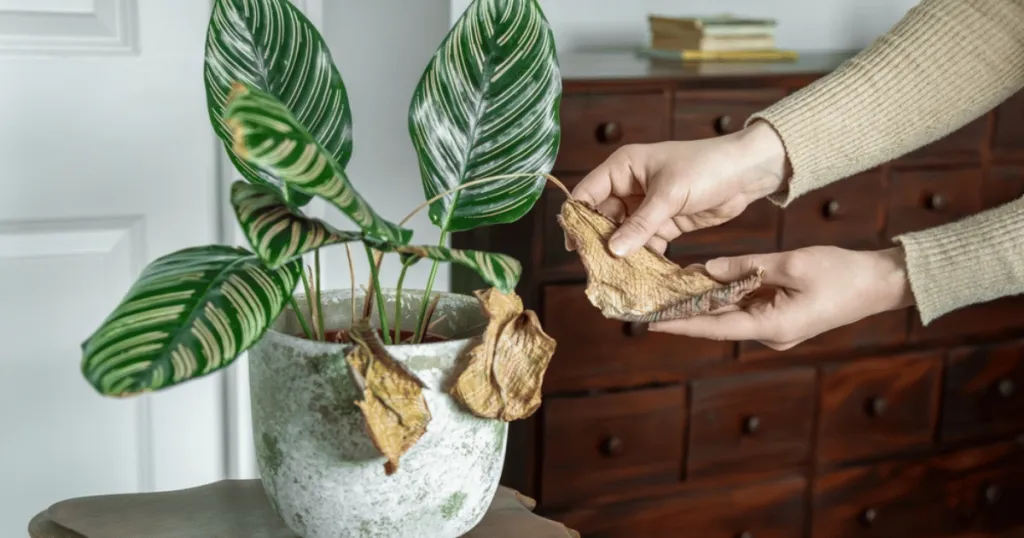
Identifying Common Symptom Patterns
Understanding what your plant is telling you is the first step toward recovery. Most issues manifest in the leaves, and the specific pattern of damage can help you narrow down the cause quickly.
Brown, Crispy Leaf Edges
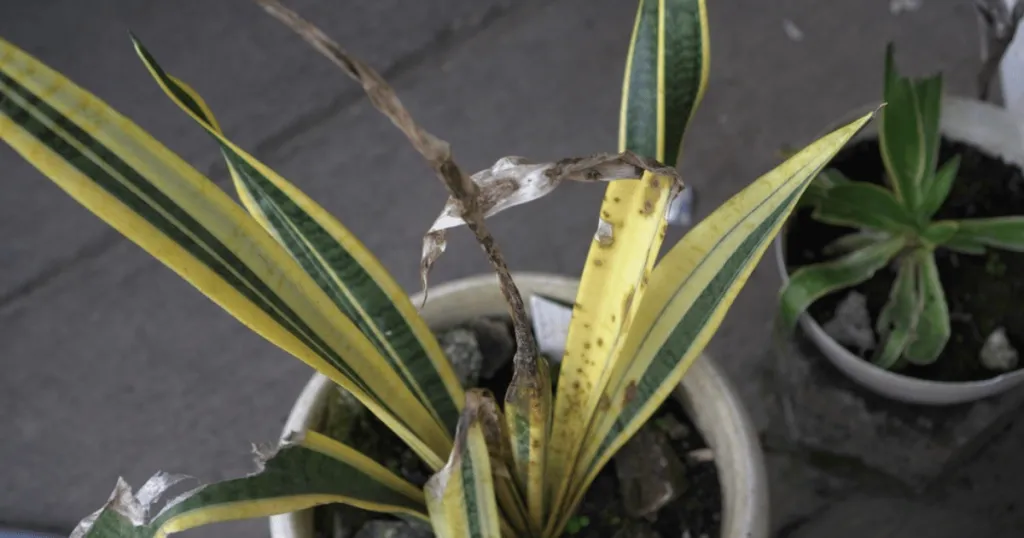
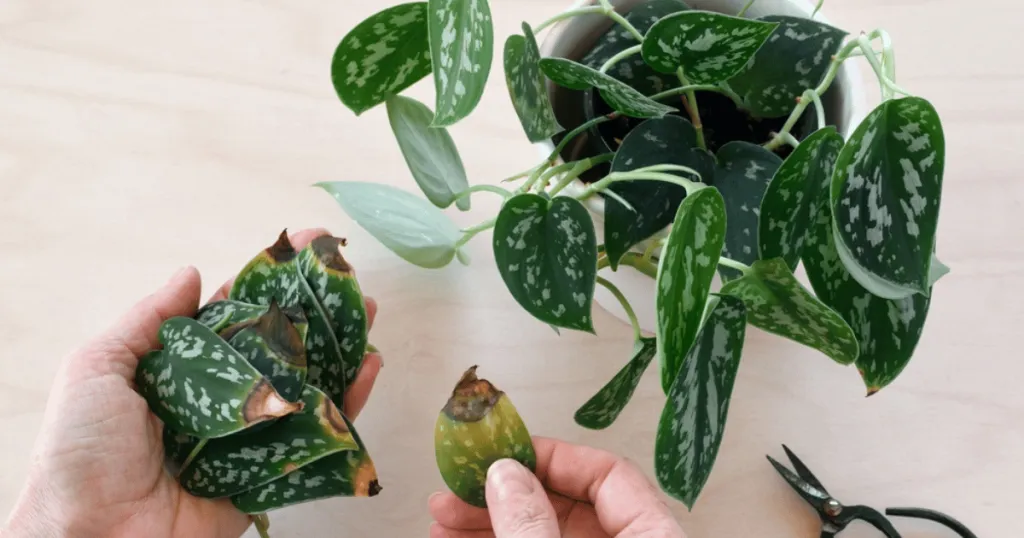
This is the most frequent complaint for office calatheas. When the edges turn brown and brittle, it is almost always a sign of low humidity or mineral buildup. In an office with constant HVAC operation, the air is often far too dry for these plants. If the browning is accompanied by a yellow halo, it may also indicate that the plant is struggling to process the chemicals found in municipal tap water. This is a classic example of transpiration stress, where the plant loses moisture through its leaves faster than the roots can replenish it, causing the delicate edges to desiccate.
Yellowing Leaves and Drooping
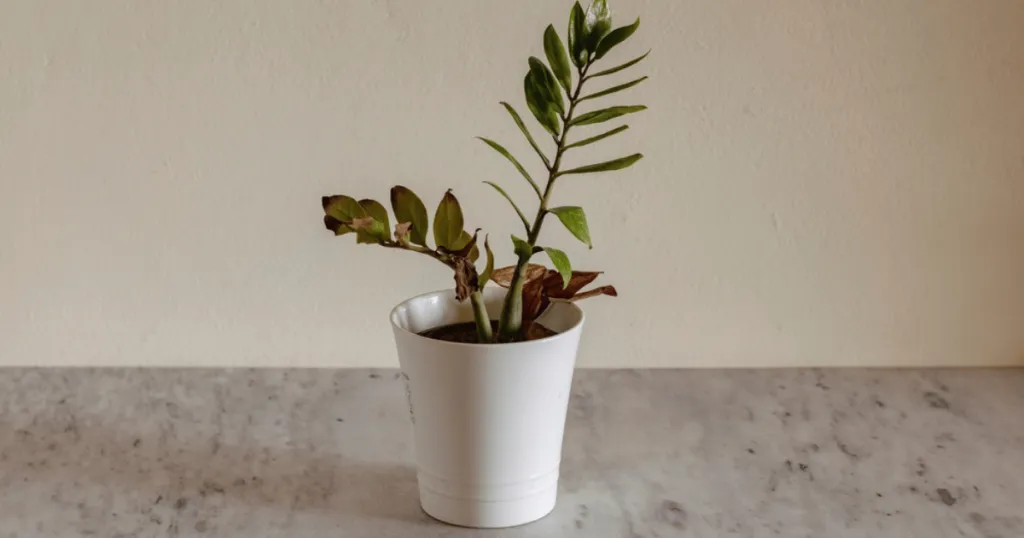
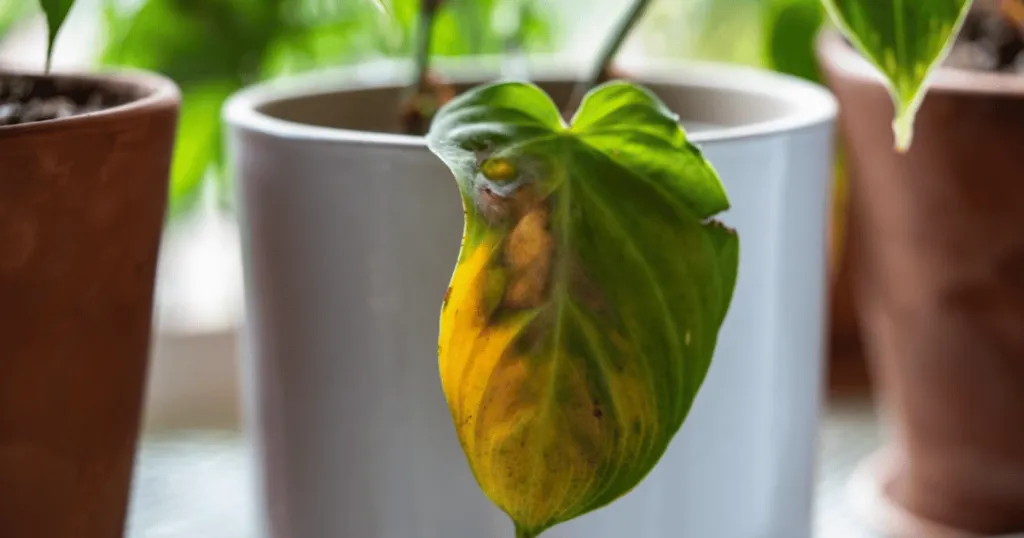
If the leaves are turning yellow or the entire plant appears to be wilting despite the soil feeling damp, you are likely dealing with overwatering or poor drainage. In an office, it is easy to fall into a routine of watering on a set day regardless of whether the plant actually needs it. If the soil remains soggy, the roots cannot breathe, leading to root rot. Yellowing often starts at the base of the plant or on older leaves, signaling that the plant is reallocating energy away from dying tissue.
Stalled Growth and Curling
Curling leaves are a classic defense mechanism. A calathea will curl its leaves to reduce surface area and conserve moisture when it feels threatened by drought or intense light. If the plant is not growing and the leaves are permanently curled, check if the plant is sitting in a drafty location or receiving direct sunlight through a window. Even in an office, sunlight filtered through glass can be too intense for these understory plants, leading to leaf scorch and permanent tissue damage.
Fixing the Most Common Issues
Once you have identified the symptoms, you can implement targeted fixes. Start with the least invasive methods to avoid shocking the plant further.
Refining Your Watering Routine
The most important adjustment is moving away from a calendar-based watering schedule. Instead, use the finger test: insert your finger about two inches into the soil. If it feels dry, it is time to water. If it is still moist, wait a few more days. Always use room-temperature water. Cold water can shock the root system, especially in a climate-controlled office where the ambient temperature is already stable. Consistency is key; allowing the soil to dry out completely can cause the plant to drop leaves, while keeping it waterlogged is a recipe for fungal issues.
Addressing Water Quality
Calatheas are notoriously sensitive to fluoride, chlorine, and salts found in tap water. These minerals accumulate in the soil over time, causing chemical burns on the leaf tips. If you have been using tap water, switch to distilled, reverse osmosis, or collected rainwater. This simple change often stops the progression of brown edges within a few weeks. If you must use tap water, let it sit in an open container for 24 hours to allow some chlorine to dissipate, though this will not remove fluoride or heavy minerals.
Managing Office Humidity
Offices are notoriously dry. To compensate, avoid placing your plant directly under an air vent or near a heater. Grouping plants together can create a microclimate that raises humidity levels. If you cannot use a humidifier, a tray filled with pebbles and a small amount of water placed beneath the pot can provide a localized boost of moisture as the water evaporates. Ensure the bottom of the pot is not sitting directly in the water, as this will lead to root rot.
Advanced Troubleshooting and Root Care
If the plant continues to decline despite addressing water and humidity, you may need to inspect the root system. Gently remove the plant from its pot to check for mushy, dark, or foul-smelling roots, which are signs of root rot. If you find rot, trim the affected roots with sterilized shears and repot the plant in fresh, well-draining potting mix. Ensure the pot has adequate drainage holes, as standing water is the primary enemy of a healthy root system. When repotting, choose a container only slightly larger than the current root ball to prevent excess soil from holding too much moisture.
Prevention Habits for Long-Term Success
Preventing calathea problems is much easier than fixing them. Consistency is the key to keeping these plants thriving in an office. Establish a habit of checking the soil moisture twice a week rather than watering on a fixed schedule. Dust the leaves periodically with a damp cloth to ensure the plant can photosynthesize efficiently, especially in lower-light office conditions. Finally, keep the plant away from direct sunlight, which can bleach the foliage and cause permanent damage to the delicate leaf tissue. Monitor for plant pests like spider mites, which thrive in the dry, stagnant air often found in office corners; if you see fine webbing, wipe the leaves down with a mild soap solution.
Understanding the Role of Light and Variegation
Many office workers choose calatheas for their stunning leaf patterns, known as variegation. However, light levels directly impact this aesthetic. If your plant is placed in a windowless office or a deep corner, it may lose its vibrant colors and turn a solid, dull green. This is the plant’s way of maximizing its chlorophyll production to compensate for low light. To maintain the intricate patterns, ensure the plant receives bright, indirect light. If you are relying on fluorescent or LED office lighting, ensure the plant is close enough to the source to receive adequate energy, but monitor for heat stress if the light fixture is very close to the foliage.
Seasonal Adjustments in the Workplace
Even in a climate-controlled office, seasonal changes can impact your calathea. During winter months, heating systems often run more frequently, further reducing indoor humidity. You may need to increase your efforts to boost humidity during these times. Conversely, in the summer, air conditioning can create cold drafts. Keep your plant away from direct airflow from vents, as this rapid temperature fluctuation can cause leaf curling and stress. By observing these environmental shifts, you can adjust your care routine proactively rather than reacting to visible damage.
Navigating Soil Composition and Nutrient Needs
Often, calathea problems are exacerbated by the wrong potting medium. Standard office-grade potting soil is frequently too dense, which prevents proper aeration and leads to oxygen deprivation at the root zone. A high-quality aroid mix or a blend featuring peat moss, perlite, and orchid bark is ideal. This combination allows for moisture retention while ensuring excess water drains away quickly. When you notice the soil surface becoming compacted or hard, it is a sign that the soil structure has broken down. Repotting into a fresh, airy mix can revitalize a struggling plant by allowing the roots to access the oxygen they need for healthy growth.
The Impact of Office Airflow and Drafts
While fresh air is beneficial, direct drafts are a major stressor for Calathea species. In an office setting, this often means avoiding placement near entry doors that open to the outside or directly in the path of a high-velocity HVAC vent. Rapid changes in temperature and humidity caused by these drafts trigger a stress response, often manifesting as leaf curling or premature browning. If you cannot move the plant, consider installing a small physical barrier, such as a decorative screen or a larger, hardier plant, to diffuse the airflow before it reaches the calathea. This simple structural adjustment can significantly stabilize the plant’s environment.
Managing Pests in Shared Spaces
Because office plants are often kept in close proximity to one another, pests can spread rapidly. Spider mites, in particular, are attracted to the dry, warm conditions of office environments. Regularly inspecting the undersides of leaves is a critical maintenance task. If you detect tiny, web-like structures or stippling on the leaves, isolate the plant immediately to prevent the infestation from spreading to other office greenery. Using a gentle, neem-oil-based spray or simply wiping the leaves with a damp cloth can often manage early-stage infestations. Avoid harsh chemical pesticides in an office environment, as they can linger in the air and cause discomfort for employees.
The Importance of Potting Material and Drainage
The container itself plays a vital role in preventing calathea problems. While decorative pots are common in office decor, they often lack the necessary drainage holes. If you must use a decorative cachepot, ensure the plant is actually potted in a plastic nursery liner with ample drainage holes. This allows you to remove the plant for watering, let it drain completely in a sink, and then return it to the decorative pot. This practice prevents the “hidden” standing water that frequently leads to root rot, a common issue when plants are left unattended over long weekends or holidays.
Related Calathea Guides
FAQ
Are calatheas safe to keep in an office with pets?
Yes. According to the ASPCA, calatheas are non-toxic to cats and dogs. This makes them a safe choice for office environments where pets might be present, as they do not pose a risk if a leaf is accidentally ingested.
Why do my calathea leaves lose their color or pattern?
Fading patterns often indicate that the plant is not receiving enough light. While calatheas prefer indirect light, they still need moderate brightness to maintain their variegation. If the plant is in a dark corner, move it to a spot with brighter, indirect light.
Can I use fertilizer to help a struggling calathea?
Avoid fertilizing a plant that is already showing calathea problems. Fertilizer is meant to support growth in a healthy plant, not to cure a sick one. Adding fertilizer to a stressed plant can cause further root damage and complicate recovery.
How do I know if my office light is sufficient?
If you can comfortably read a book in the location without straining your eyes, the light is likely sufficient for a calathea. Avoid spots where the sun hits the leaves directly, as this will cause scorching and rapid moisture loss.